

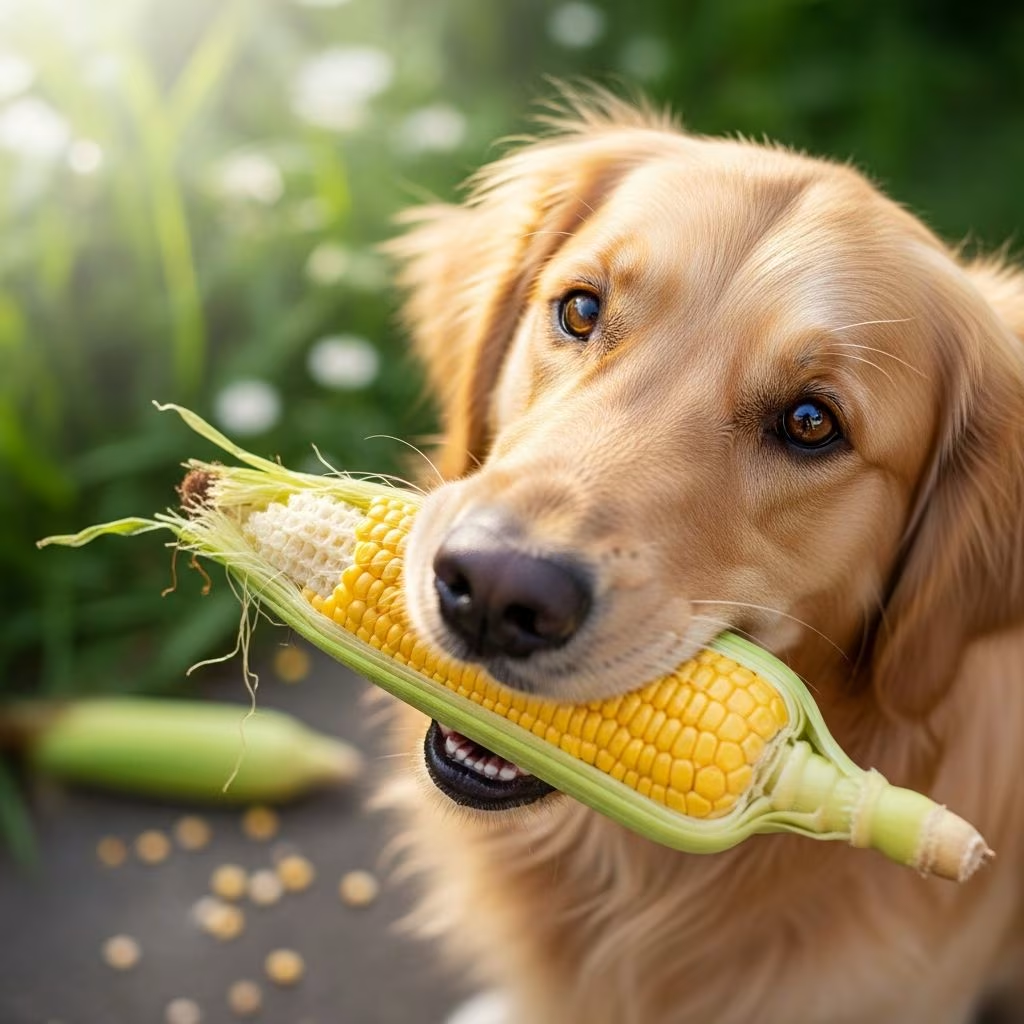
Can Dogs Eat Corn?
Yes, dogs can eat corn in certain forms and when prepared properly. Plain, cooked corn kernels are safe for dogs and can provide nutritional benefits when offered in moderation. However, not all corn products are equally safe for your canine companion, and understanding which forms are appropriate is essential for keeping your dog healthy.
Nutritional Benefits of Corn for Dogs
When included in your dog’s diet appropriately, corn offers several valuable nutritional components that support your dog’s overall health and wellness.
- Protein: Corn provides protein that supports muscle development and maintenance, which is essential for your dog’s physical strength and activity levels
- Carbohydrates: Corn is a source of digestible carbohydrates that provide energy for daily activities and exercise
- Linoleic Acid: This omega-6 fatty acid is essential for maintaining healthy skin, coat, and immune function, and dogs cannot produce it on their own
- Fiber: Both soluble and insoluble fibers in corn promote digestive health and help maintain regular bowel movements
- Antioxidants: Corn contains vitamin E, beta-carotene, lutein, and zeaxanthin, which support immune system function and eye health
- Vitamins and Minerals: Corn contains various vitamins and minerals that contribute to overall nutritional balance
Safe Forms of Corn for Dogs
Understanding which forms of corn are safe to give your dog is crucial for their wellbeing. Several corn preparations are appropriate when offered correctly.
Plain Cooked Corn Kernels
Plain, cooked corn kernels are the safest form of corn for dogs. Whether fresh or frozen, as long as the kernels are unseasoned and prepared without butter, salt, or other additives, they make a nutritious treat. Boiling, steaming, or baking corn kernels preserves their nutritional value better than other cooking methods.
Frozen Sweetcorn
Frozen corn without added salt or seasonings is an excellent option for dogs. Frozen corn typically maintains better nutritional value compared to canned varieties and doesn’t contain the excess sodium found in many canned vegetables.
Plain Popcorn
Air-popped popcorn without butter, salt, or seasonings can be offered to dogs in small amounts as an occasional treat. This form of corn is safe and can provide entertainment value for your dog, though it should not become a regular part of their diet.
Forms of Corn to Avoid
While some corn products are safe, others pose serious health risks to your dog. It’s important to know which forms should never be given to your pet.
Corn on the Cob
Corn on the cob is one of the most dangerous forms of corn for dogs and should never be offered to your pet. The cob itself poses multiple serious hazards:
- The cob is a severe choking hazard, particularly for smaller and medium-sized dogs
- The cob cannot be digested and may cause intestinal blockage requiring emergency veterinary care
- Ingestion can cause vomiting, diarrhea, black tar-like stool, severe abdominal pain, and lethargy
- Intestinal blockage from corn cobs can lead to dehydration and intestinal damage
If you suspect your dog has eaten a corn cob, seek emergency veterinary care immediately.
Canned Corn
Although canned corn is not toxic, it’s not an ideal choice for your dog. Most canned corn products contain added sodium, which isn’t beneficial for your dog’s health. Additionally, canned vegetables typically have lower nutritional value compared to fresh or frozen options.
Creamed Corn
Creamed corn should be avoided as it typically contains dairy products and added sugar, neither of which are optimal for your dog’s diet.
Seasoned Corn Products
Any corn prepared with butter, salt, pepper, garlic, onion, or other seasonings should not be given to dogs. Some seasonings like garlic and onion are toxic to dogs and can cause serious health problems. Even common seasonings can cause digestive upset in your dog.
Corn Chips
Corn chips are packed with sodium, preservatives, and chemical additives that aren’t beneficial for your dog’s health and should be avoided.
Corn Tortillas
While not precisely harmful, corn tortillas are not a good treat option for dogs due to their high sodium content and empty calories with minimal nutritional value.
Corn Syrup
Corn syrup is loaded with sugar and should be kept away from your dog’s diet, though it’s not technically poisonous. The exception is in specific veterinary situations where a veterinarian may recommend corn syrup for a diabetic dog experiencing low blood sugar episodes.
How to Safely Prepare Corn for Your Dog
When offering corn to your dog, proper preparation is essential to ensure safety and nutritional value.
- Always remove corn kernels from the cob completely
- Never add butter, salt, oil, or seasonings
- Boil, steam, or bake the corn rather than grilling or frying
- Allow cooked corn to cool to room temperature before serving
- Offer corn in moderation as part of a balanced diet
- Serve appropriate portion sizes based on your dog’s size and overall caloric needs
Corn Allergies in Dogs
While corn allergies in dogs are rare, affecting less than 1% of the canine population, some dogs may still show sensitivity to corn. If your dog experiences any of the following signs after consuming corn, discontinue feeding it and consult your veterinarian:
- Skin irritation or itching
- Digestive upset or changes in stool
- Vomiting or excessive gas
- Ear infections or excessive scratching
Corn in Commercial Dog Foods
Corn is a common ingredient in many commercial dog foods, and according to veterinary nutritionists, this is not a concern. Research has shown that corn in dog food is safe and beneficial when properly formulated. Corn is well-digested by dogs when properly processed and provides valuable nutrients as part of a complete and balanced diet. Many veterinary nutritionists agree that corn can be part of a well-balanced dog food formula.
Portion Control and Moderation
While corn is safe for dogs when prepared properly, it should be offered in moderation. Corn is relatively low in calories—one ear of corn contains approximately 90 calories—making it a reasonable treat option when portioned appropriately. However, treats should comprise no more than 10% of your dog’s daily caloric intake, with the remaining 90% coming from complete and balanced meals. Always consider treats like corn as part of your dog’s total daily food intake rather than as additional calories.
Frequently Asked Questions
Q: Can dogs eat popcorn?
A: Yes, plain, air-popped popcorn without butter or salt is safe for dogs in small amounts. However, buttered or salted popcorn should be avoided, and popcorn should only be an occasional treat, not a regular part of your dog’s diet.
Q: What should I do if my dog eats a corn cob?
A: This is a veterinary emergency. Contact your veterinarian or emergency animal hospital immediately. Corn cobs can cause life-threatening intestinal blockages. Watch for signs like vomiting, loss of appetite, diarrhea, difficulty defecating, abdominal pain, or lethargy.
Q: Is corn a filler in dog food?
A: No, corn is not just filler. It’s a nutritious ingredient that provides protein, carbohydrates, linoleic acid, and antioxidants. In quality commercial dog foods, corn serves important nutritional functions.
Q: How much corn can I give my dog?
A: Corn should be offered in moderation as a treat, comprising no more than 10% of your dog’s daily caloric intake. The appropriate amount depends on your dog’s size, age, and overall diet. Consult your veterinarian for personalized recommendations.
Q: Can dogs with diabetes eat corn?
A: Plain corn kernels are safer than high-glycemic corn products, though dogs with diabetes should have all treats approved by their veterinarian. Corn has a glycemic index of 53, which is moderate, but diabetic dogs have specific dietary requirements that your vet can help navigate.
Q: Is corn good or bad for dogs?
A: When prepared properly and offered in moderation, plain corn kernels provide nutritional benefits. However, other corn forms like corn on the cob are dangerous. The key is understanding which forms are safe and how to prepare them correctly.
References
- Can Dogs Have Corn? — PetLab Co. https://thepetlabco.com/learn/dog/nutrition/can-dog-eat-corn
- Can Dogs Eat Corn? — Volhard Dog Nutrition. https://www.volharddognutrition.com/blog/can-dogs-eat-corn/
- Can Dogs Eat Corn? — Chewy. https://www.chewy.com/education/dog/food-and-nutrition/can-dogs-eat-corn
- Can Dogs Eat Corn? — Montgomery Veterinary Associates. https://mvavets.com/blog/can-dogs-eat-corn/
- Can Dogs Eat Corn? A Guide to Safety — Purina US. https://www.purina.com/articles/dog/feeding/can-dogs-eat/corn
- Can Dogs Eat Corn? — American Kennel Club. https://www.akc.org/expert-advice/nutrition/can-dogs-eat-corn/
- Can Dogs Eat Corn? A Complete Guide to Safe, Smart Sharing — Woof. https://mywoof.com/blogs/articles/can-dogs-eat-corn-a-complete-guide-to-safe-smart-sharing
- A review: nutrition and process attributes of corn in pet foods — PubMed. 2021. https://pubmed.ncbi.nlm.nih.gov/34078195/



