

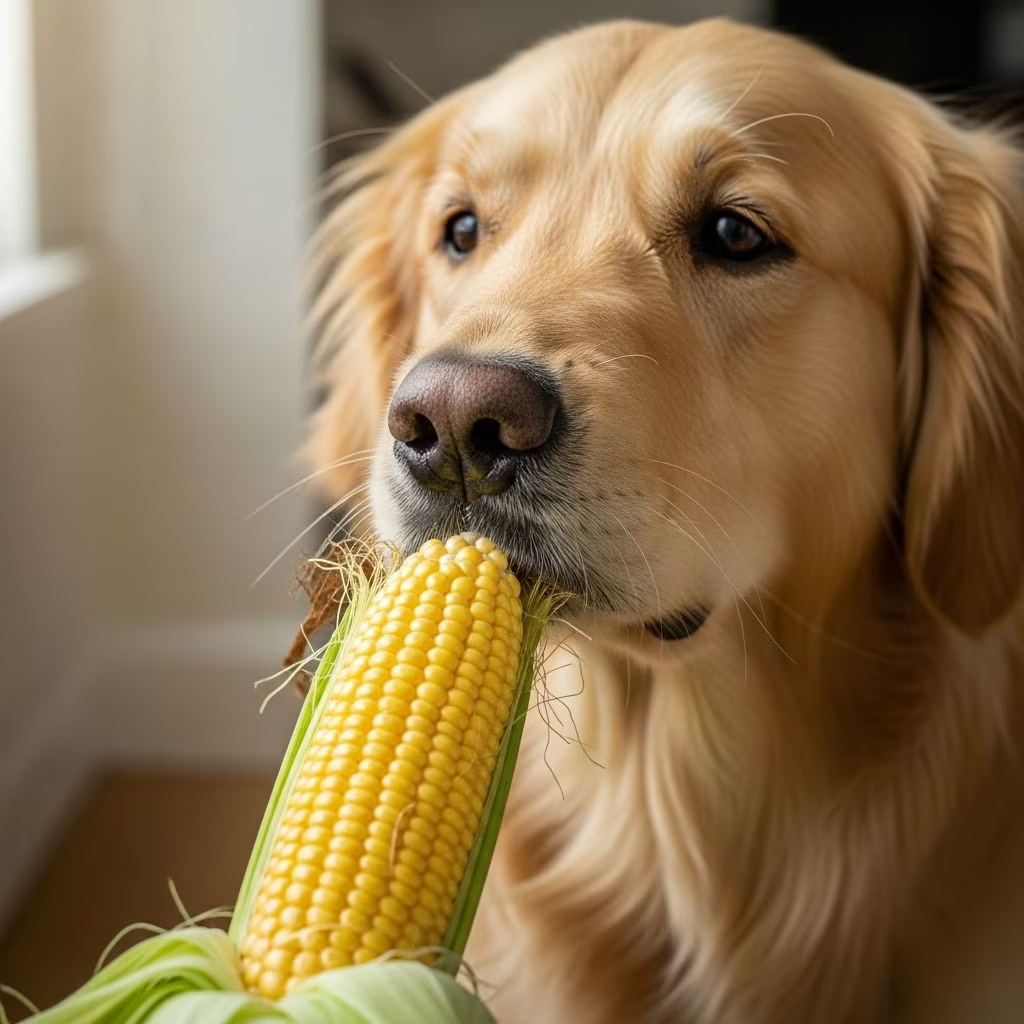
Can Dogs Eat Corn?
Yes, dogs can eat corn, but not all forms are created equal when it comes to your dog’s safety. The answer to whether your furry friend can enjoy this popular vegetable depends on how it’s prepared and served. Corn is not only safe for most dogs, but it can also be a nutritious part of their diet when prepared and served correctly. However, pet owners must understand the distinctions between safe and unsafe forms of corn to protect their beloved companions from potential health hazards.
Safe Forms of Corn for Dogs
When it comes to feeding corn to your dog, understanding which forms are safe is crucial. The best kinds of corn for dogs are plain, cooked corn kernels, either fresh or frozen with no added salt or butter. These options provide nutritional benefits without unnecessary additives that could upset your dog’s stomach or cause more serious health issues.
Plain Cooked Corn Kernels
Plain cooked corn kernels represent the safest way to share corn with your dog. Whether you choose fresh or frozen varieties, boiling, steaming, or baking corn kernels without any seasoning ensures your dog receives the nutritional benefits without harmful additives. This preparation method removes any potential bacteria and makes the corn easier for your dog’s digestive system to process.
Canned Corn Options
Canned corn can be one of the best ways to give your dog corn as a tasty treat that is an excellent source of fiber and a good source of protein. Whether it’s whole-kernel canned corn or sweet corn, make sure there is no added salt or extra ingredients. The key consideration with canned corn is selecting varieties labeled as low-sodium or salt-free, as regular canned corn typically contains added sodium, which isn’t great for some dogs. Always rinse canned corn thoroughly before serving to remove any remaining sodium from the canning liquid.
Air-Popped Popcorn
Plain, air-popped popcorn can also be safe as a treat in small amounts. Unlike movie theater popcorn or packaged microwave varieties, air-popped popcorn prepared without butter, salt, or other seasonings makes a low-calorie treat option. However, keep portions minimal, as popcorn should never become a dietary staple for your dog.
Forms of Corn to Avoid Completely
Just as important as knowing what your dog can eat is understanding what to keep away from your canine companion. Several corn preparations pose serious health risks and should never be offered to your dog.
Corn on the Cob: A Critical Hazard
Corn on the cob is absolutely off-limits for dogs and represents one of the most serious corn-related health risks. The cob itself can be a choking hazard and poses a severe risk of intestinal blockage. Corn cobs are easy for dogs to chew into chunks, which can easily cause a blockage in your dog’s stomach. The cob doesn’t break down in a dog’s digestive system and is too large to pass through their gastrointestinal tract without causing trouble. Smaller and medium-sized dogs face the highest risk of gastrointestinal obstruction from corn cobs, although larger breeds aren’t immune to the danger either.
If you suspect or know your dog has ingested a corn cob, they must be seen by a veterinarian as a matter of emergency. Ingesting a corn cob can be very serious and may cause blockage or intestinal damage, dehydration, repeated vomiting, diarrhea, black or tar-like stool, intense abdominal discomfort, and lethargy. Warning signs to watch for include vomiting, loss of appetite, difficulty pooping, stomach pain, or unusual lethargy.
Canned Corn with Added Sodium
Most regular canned corn contains added salt, making it unsuitable for your dog without thorough rinsing. High sodium content can cause excessive thirst, increased bathroom trips, and potential dehydration. In extreme cases, excessive salt consumption can lead to sodium ion poisoning, though this typically requires consuming large quantities equivalent to an entire bag of salty snacks.
Creamed Corn
Creamed corn should never be offered to your dog, as it’s typically made with dairy and sugar, neither of which represent healthful choices for your canine companion. The added fats and sugars can contribute to weight gain and digestive upset.
Seasoned or Prepared Corn
Corn prepared with butter, salt, pepper, and other spices should be avoided entirely. When humans eat corn, we often slather it with butter or load it with salt, but these preparations can be bad for dogs. Buttery foods can result in vomiting or diarrhea. Additionally, certain seasonings like garlic and onion can be toxic to dogs and should never be included in any food you prepare for your pet.
Nutritional Benefits of Corn for Dogs
When properly prepared and served in appropriate portions, corn can offer several important health benefits for your dog. Understanding these benefits helps explain why veterinary nutritionists support corn as a legitimate ingredient in dog food formulas.
Energy and Fuel
Corn is a good source of carbohydrates and protein, both of which can help fuel your dog’s daily activities. These macronutrients provide sustained energy for active dogs and support overall bodily functions. One ear of corn contains just 90 calories, making it a relatively low-calorie treat option when portioned appropriately for your pup.
Digestive Support
Corn is rich in both soluble and insoluble fibers that promote gut health and can keep your dog’s digestive system functioning properly. Fiber helps with proper digestion and helps your dog feel full, which is why many weight-loss diets include fiber. However, because corn is high in fiber, too much can easily result in constipation, so moderation remains important.
Eye Health Protection
Corn is high in lutein and zeaxanthin, two antioxidants that promote long-term eye health. These compounds help protect ocular tissues from oxidative damage and support vision maintenance throughout your dog’s life.
Skin and Coat Health
Corn contains linoleic acid, an omega-6 fatty acid that supports skin and coat health. Healthy skin and a shiny coat are often indicators of overall wellness in dogs, and linoleic acid plays a vital role in maintaining these important features.
Immune System Support
Corn is high in vitamin C and B-complex vitamins, which support the immune system and help protect cells from oxidative stress. These vitamins contribute to your dog’s overall health and ability to fight off illness.
Proper Portion Sizes
While corn offers nutritional benefits, it should never comprise a significant portion of your dog’s diet. Corn should be reserved for occasional treats or as a small supplement to regular meals. Keep portion sizes small—just top your dog’s meal with a spoonful of canned corn kernels or a small serving of plain cooked kernels. Too much of any unfamiliar food can cause an upset stomach, and because corn is high in fiber, excessive amounts can easily result in constipation.
Preparation Tips for Safe Corn Serving
Preparing corn safely for your dog requires attention to several important factors. First, consider the type of corn you’re feeding your dog. Corn on the cob is a complete no-go, and corn that’s prepared with salt, butter, or other additives should be avoided. If you’re feeding your dog corn from a barbecue, make sure it hasn’t been covered in seasoning, oil, or butter for cooking. Plain sweetcorn that has been prepared by boiling, steaming, or baking will serve your dog better.
For frozen corn, ensure it’s thawed before serving and check that no salt or other preservatives have been added. Canned corn should be thoroughly rinsed before offering to your dog to remove excess sodium from the canning liquid. Always introduce corn gradually to your dog’s diet to monitor for any signs of digestive upset or allergic reactions.
When to Contact Your Veterinarian
While corn is generally safe for dogs when properly prepared, certain situations warrant immediate veterinary attention. If your dog ingests corn on the cob, call your veterinarian immediately or take your dog to the emergency clinic as soon as possible. Watch for warning signs including vomiting, loss of appetite, diarrhea, difficulty pooping, stomach pain, or lethargy. Additionally, if your dog shows signs of an allergic reaction such as itching, swelling, or difficulty breathing after consuming corn, seek veterinary care promptly.
Frequently Asked Questions
Q: Can dogs eat corncobs?
A: No, never. Corncobs can cause a life-threatening intestinal blockage if ingested and pose a choking hazard. If your dog does eat a cob, call your veterinarian immediately or take your dog to the emergency clinic as soon as possible, especially if you notice any vomiting, loss of appetite, diarrhea, difficulty pooping, stomach pain, or lethargy.
Q: Is corn healthy for dogs?
A: Yes, corn can be healthy for dogs when properly prepared and served in moderation. It provides fiber, vitamins, minerals, and antioxidants that support digestive health, immune function, and overall wellness. However, it should not be a primary source of nutrition and should only supplement a complete and balanced diet formulated specifically for dogs.
Q: Can dogs eat baby corn?
A: Yes, dogs can eat baby corn if it’s low in sodium. However, like regular canned corn, you should rinse it thoroughly and serve only small portions as an occasional treat.
Q: How often can I feed my dog corn?
A: Corn should be fed occasionally as a treat or supplement to regular meals, not as a dietary staple. A small spoonful of plain corn kernels added to their regular food or offered as an infrequent snack is appropriate. This ensures corn doesn’t displace more nutritionally complete foods from your dog’s diet.
Q: What are the risks of feeding corn to dogs?
A: The main risks include choking hazards from corn on the cob, intestinal blockage, upset stomach from excessive amounts or unfamiliar preparation, and potential sodium toxicity from heavily salted varieties. Additionally, some dogs may have corn allergies or sensitivities, though these are relatively uncommon.
Q: Can dogs eat popcorn?
A: Plain, air-popped popcorn without butter or salt can be safe for dogs in small amounts as an occasional treat. However, avoid movie theater popcorn, packaged microwave varieties, and any popcorn with seasonings, as these can cause digestive upset.
Conclusion
Corn can be a safe and nutritious addition to your dog’s diet when you follow proper preparation guidelines and maintain appropriate portion sizes. The key is understanding which forms are safe—plain cooked kernels, low-sodium canned corn, and air-popped popcorn—and which forms to avoid completely, especially corn on the cob. By respecting these guidelines and consulting with your veterinarian about your dog’s specific dietary needs, you can confidently share this popular vegetable with your canine companion while keeping them healthy and safe.
References
- Can Dogs Eat Corn? – A Guide to Safety — Purina US. 2024. https://www.purina.com/articles/dog/feeding/can-dogs-eat/corn
- Can Dogs Eat Corn? – American Kennel Club — American Kennel Club. 2024. https://www.akc.org/expert-advice/nutrition/can-dogs-eat-corn/
- Can Dogs Eat Corn? | Chewy — Chewy, Inc. 2024. https://www.chewy.com/education/dog/food-and-nutrition/can-dogs-eat-corn
- Can Dogs Eat Corn? – Montgomery Veterinary Associates — Montgomery Veterinary Associates. 2024. https://mvavets.com/blog/can-dogs-eat-corn/
- Can Dogs Have Corn? – PetLab Co — PetLab Co. 2024. https://thepetlabco.com/learn/dog/nutrition/can-dog-eat-corn
- Can Dogs Eat Corn or Is It Too Risky? — Native Pet. 2024. https://nativepet.com/blogs/health/can-dogs-eat-corn
- Can Dogs Eat Corn? We’ve Got the Scoop — Blue Ridge Naturals. 2024. https://blueridgenaturals.net/blogs/blog/can-dogs-eat-corn-weve-got-the-scoop



