

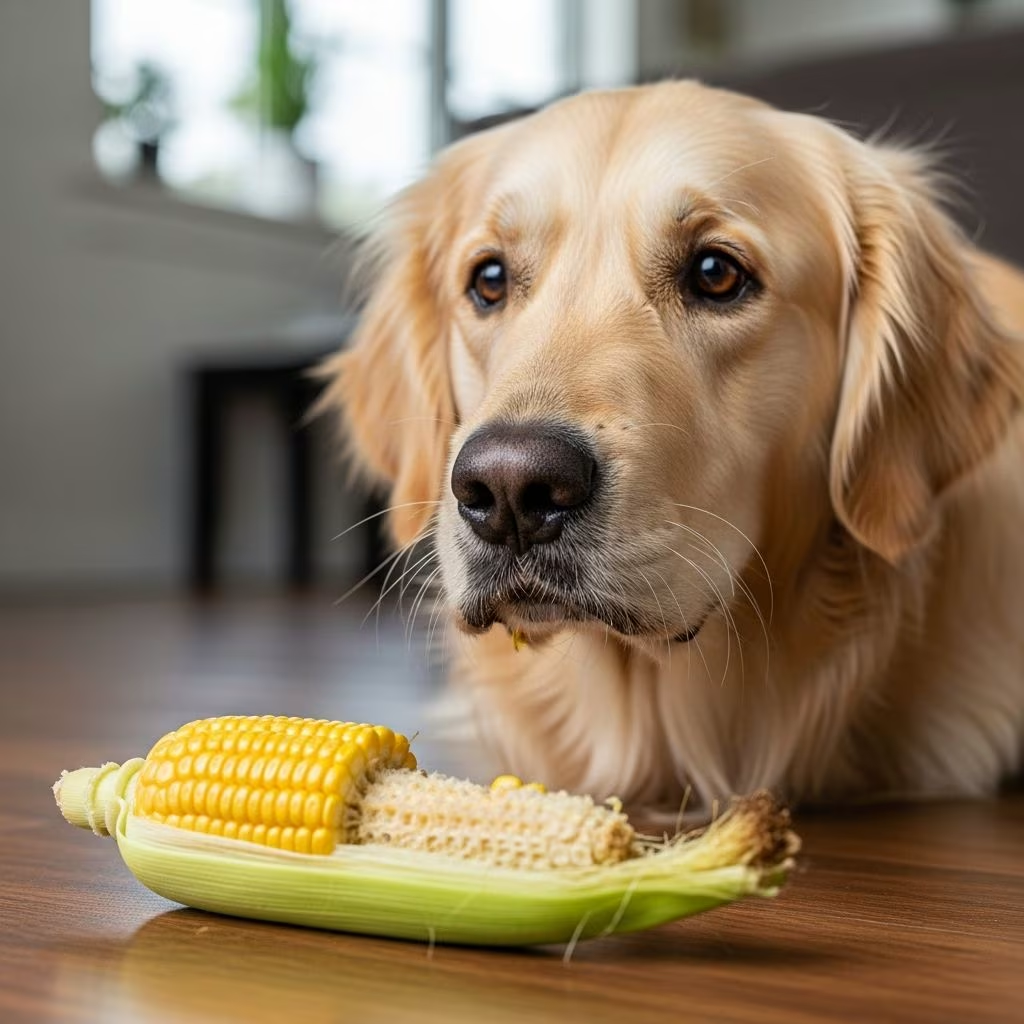
Corn cobs are extremely dangerous for dogs and should never be given as treats or chew toys. While corn kernels offer nutritional benefits like protein, fiber, vitamins, and antioxidants when served plain and off the cob, the cob itself is indigestible and poses severe risks including choking, intestinal blockages, and potential perforations.
Dogs lack the digestive enzymes to break down the tough, fibrous cob material, leading to life-threatening complications, especially in smaller breeds. This article explores the dangers, symptoms to watch for, what to do if ingestion occurs, nutritional facts about corn, safe feeding methods, and frequently asked questions to keep your dog safe during summer barbecues.
Why Are Corn Cobs Dangerous for Dogs?
Corn cobs represent one of the most common summer hazards for dogs at picnics and barbecues. Unlike corn kernels, which are digestible, cobs do not break down in a dog’s stomach or intestines. Their rigid structure makes them prone to lodging in the gastrointestinal tract, causing obstructions that prevent food and water passage.
- Indigestibility: The cob’s fibrous composition resists enzymatic breakdown, swelling as it absorbs moisture and expanding in the gut.
- Size and Shape Risks: Pieces are often too large to pass naturally, particularly in medium and small dogs, though large breeds are not immune.
- Perforation Potential: Sharp edges can tear intestinal walls, leading to peritonitis, sepsis, and death if untreated.
Statistics from veterinary emergency reports highlight corn cobs as a top cause of GI foreign body obstructions during grilling season. Prevention is key: never leave cobs accessible, even supervised.
Symptoms of Corn Cob Ingestion in Dogs
If your dog sneaks a corn cob, monitor closely for signs of distress. Symptoms may appear within hours or days, depending on the piece’s size and location.
| Symptom | Description | Severity Level |
|---|---|---|
| Vomiting | Repeated attempts, often unproductive after initial episodes | High – Indicates obstruction |
| Lethargy | Reduced activity, weakness, reluctance to play | Medium to High |
| Abdominal Pain | Hunching, tenderness when touched, whining | High |
| Loss of Appetite | Refusal of food despite normal hunger cues | Medium |
| Diarrhea or Constipation | Straining without results, bloody stools possible | High |
| Bloating/Distension | Swollen belly, discomfort | Critical – Emergency |
Choking signs include gagging, pawing at mouth, blue gums, or collapse—call emergency services immediately. Early detection improves outcomes; delays can necessitate costly surgery.
What to Do If Your Dog Eats a Corn Cob
Do not wait for symptoms if you witness ingestion. Contact your veterinarian or an emergency clinic right away. Provide details like cob size, time ingested, breed, weight, and any vomiting.
- Assess Immediately: Check mouth for pieces; do not induce vomiting without vet guidance, as it risks esophageal lodging.
- Monitor Closely: Track symptoms hourly for 24-48 hours. X-rays or ultrasounds confirm blockages.
- Veterinary Intervention: Treatments range from enemas for partial passage to endoscopy or surgery for full obstructions. Costs average $2,000-$5,000 USD.
- Post-Treatment Care: Bland diet, fluids, probiotics; follow-up imaging ensures clearance.
Prognosis is good with prompt care, but untreated cases have high mortality. Home remedies like hydrogen peroxide are dangerous—trust professionals.
Nutritional Value of Corn for Dogs
Corn kernels are safe and beneficial in moderation, providing essential nutrients without the cob’s dangers.
- Protein and Fatty Acids: Contains linoleic acid for skin/coat health.
- Fiber: Aids digestion, prevents constipation.
- Vitamins & Antioxidants: Vitamins A, B, E; supports immunity and energy.
- Carbohydrates: Quick energy source, glycemic index of 53 suits active dogs but monitor diabetics.
However, corn is not a dietary staple. High amounts cause weight gain, gas, or allergies (rare, ~1-2% dogs). Avoid as primary ingredient; opt for whole foods.
Is Corn Healthy or Unhealthy for Dogs?
Corn divides opinions: safe treat vs. inferior filler. Pros include affordability and digestibility of kernels; cons are poor protein quality (low biological value) and GMO concerns in US crops.
- Benefits: Crunchy topper, low-calorie (90 kcal/cup kernels).
- Drawbacks: Can spike blood sugar; some dogs experience bloating.
- Consensus: Occasional plain kernels yes; cobs/husks/popcorn no.
Fresh, organic sweet corn maximizes benefits while minimizing pesticide/GMO risks.
Safe Ways to Feed Corn to Dogs
Always remove kernels from cob manually or with a knife. Serve plain—no butter, salt, seasonings, or oils, which cause pancreatitis or sodium toxicity.
- Portion Guidelines: 1-2 tbsp per 10lbs body weight, 2-3x/week max.
- Preparation: Steamed/boiled for easier digestion; frozen as toppers.
- Alternatives: Green beans, carrots, blueberries for similar crunch/nutrients.
Introduce gradually; watch for allergies (itching, ear infections). Consult vet for puppies, seniors, or health conditions.
Other Corn Products: Popcorn, Husks, Tortillas
Not all corn forms are equal:
- Popcorn: Plain, air-popped kernels sparingly; avoid microwaved (diacetyl lung risk), butter/salt.
- Corn Husks: Indigestible, blockage risk—never feed.
- Corn Tortillas/Chips: Fried, salted—avoid; cause obesity, salt poisoning.
- Corn in Dog Food: Common filler; choose limited-ingredient if allergies suspected.
FAQs
Can dogs eat corn cobs?
No. Corn cobs are indigestible and cause choking or blockages.
Is sweet corn safe for dogs?
Yes, plain kernels off the cob provide fiber and fatty acids; avoid husks/popcorn with additives.
What if my dog ate a corn cob?
Contact vet immediately; watch for vomiting, lethargy, pain. Surgery may be needed.
Can corn cause allergies in dogs?
Rarely; symptoms include itching, GI upset. Limit if suspected.
How much corn can I give my dog?
Small portions as treats: under 10% daily calories.
Prevention Tips for Dog Owners
Secure trash, supervise barbecues, train ‘leave it’ command. Educate family on risks. Safer chews: bully sticks, rubber toys.
References
- Dogs & Corn on the Cob Dangers — Vets Now. 2017-02. https://www.vets-now.com/2017/02/dogs-corn-on-the-cob-dangers/
- What to Do if Your Dog Eats a Corncob — PETA. N/A. https://www.peta.org/living/animal-companions/what-to-do-if-your-dog-eats-a-corncob/
- Can Dogs Eat Corn? — Volhard Dog Nutrition. N/A. https://www.volharddognutrition.com/blog/can-dogs-eat-corn/
- Can Dogs Eat Corn Cobs? Dangers & Risks — The Natural Dog Store. N/A. https://thenaturaldogstore.com/blogs/health/can-dogs-eat-corn-cobs
- Can Dogs Eat Corn? Benefits, Risks, and Feeding Tips — PetMD. N/A. https://www.petmd.com/dog/nutrition/can-dogs-eat-corn
- Can Dogs Eat Corn? — Montgomery Veterinary Associates. N/A. https://mvavets.com/blog/can-dogs-eat-corn/
- Can Dogs Eat Corn? — American Kennel Club (AKC). N/A. https://www.akc.org/expert-advice/nutrition/can-dogs-eat-corn/



