

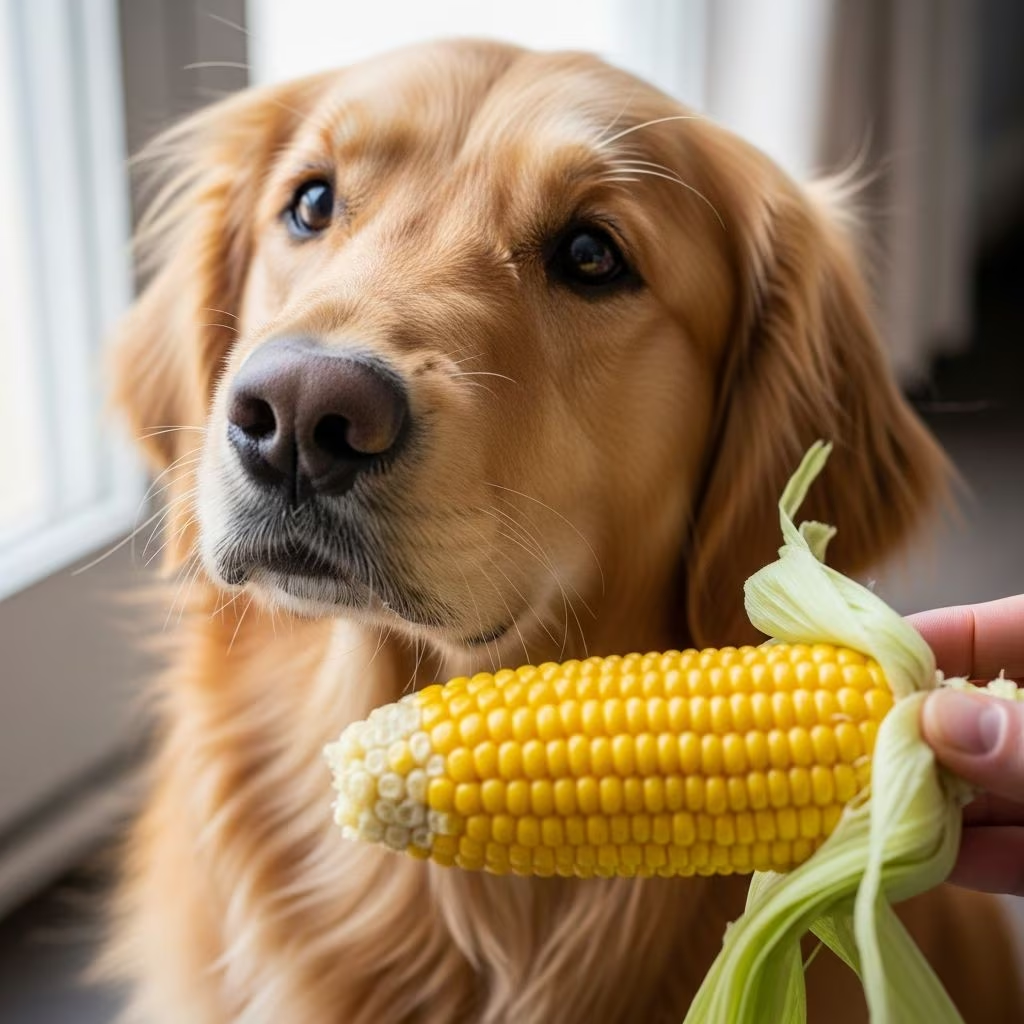
Corn is a popular human food, but many pet owners wonder if it’s safe for dogs. The answer is yes, dogs can eat corn safely when served as plain, cooked kernels in moderation. Corn provides carbohydrates, fiber, protein, vitamins, and antioxidants that support energy, digestion, and overall health. However, corn on the cob poses serious risks, and processed forms like canned corn or corn chips should be avoided due to added sodium, sugars, or seasonings.
This comprehensive guide covers the nutritional benefits of corn for dogs, potential risks, safe preparation methods, and answers to common questions. Always consult your veterinarian before introducing new foods, especially for dogs with allergies, diabetes, or digestive issues.
Is Corn Safe for Dogs?
Corn is not toxic to dogs and can be a healthy addition to their diet when prepared correctly. Veterinary nutritionists, including those from Purina and the American Kennel Club (AKC), confirm that properly cooked corn is digestible and beneficial. Dogs can metabolize grains like corn well, gaining energy from its carbohydrates and essential fatty acids like linoleic acid.
Research from Tufts University veterinary nutritionist Lisa Freeman emphasizes that grains such as corn provide highly digestible carbohydrates, proteins, and antioxidants when included in quality pet foods. Corn gluten meal offers protein for muscle health, while whole corn supplies fiber for digestion. However, moderation is key—corn should not exceed 10% of daily caloric intake to avoid digestive upset or weight gain.
Nutritional Benefits of Corn for Dogs
Corn offers several nutrients that support canine health:
- Carbohydrates: Provides quick energy for active dogs, with easily digestible sources in ground or cooked forms.
- Fiber: Both soluble and insoluble types promote healthy digestion, prevent constipation, and support gut health.
- Protein: Corn gluten meal delivers plant-based protein for skin, coat, and muscle maintenance.
- Linoleic Acid: An omega-6 fatty acid essential for skin and coat health, which dogs cannot produce on their own.
- Antioxidants and Vitamins: Lutein and zeaxanthin protect eye health; vitamin C boosts immunity and fights oxidative stress.
One ear of corn has about 90 calories, making it a low-calorie treat option. Whole Dog Journal notes corn’s solid nutrients, countering myths that it’s merely a filler. Despite some sources citing lower biological value compared to animal proteins, corn’s role in balanced commercial dog foods is well-supported.
Potential Risks and Dangers of Feeding Corn to Dogs
While beneficial, corn has drawbacks. Its glycemic index of 53 can spike blood sugar, posing risks for diabetic or sensitive dogs. Some dogs may develop allergies, showing symptoms like itching, ear infections, or gastrointestinal issues. Poor digestibility in raw form and low vitamin/mineral content compared to other grains are additional concerns.
The biggest danger is corn on the cob. Cobs are indigestible, causing choking, intestinal blockages, vomiting, diarrhea, lethargy, or even surgery. Small to medium dogs are at highest risk, but all breeds should avoid them.
| Form of Corn | Safe? | Risks |
|---|---|---|
| Plain cooked kernels | Yes | Overfeeding may cause gas |
| Corn on the cob | No | Choking, blockage, emergency vet |
| Canned corn | Limit | High sodium |
| Corn chips/tortillas | No | Sodium, additives, empty calories |
| Corn syrup | Avoid | High sugar, except emergencies |
| Popcorn (plain) | Small amounts | Choking on hulls |
How to Safely Feed Corn to Your Dog
Feed only plain, cooked corn kernels—boiled, steamed, baked, or from frozen (no salt). Remove from cob first. Start with small amounts (1-2 tablespoons per 20 lbs body weight daily) to monitor tolerance. Mix into meals or use as training treats.
- Fresh corn: Boil or steam, cut off kernels.
- Frozen sweet corn: Best option—thaw and serve plain.
- Popcorn: Air-popped, unbuttered, hull-free in tiny portions.
- Avoid: Butter, salt, seasonings, creamed corn, or anything with garlic/onions.
For dogs with grain sensitivities, opt for corn-free diets. Purina formulas use corn effectively, but whole-food treats should complement—not replace—balanced nutrition.
Can Dogs Eat Corn on the Cob?
No, absolutely not. Corn cobs are a leading cause of gastrointestinal obstructions. Symptoms include vomiting, appetite loss, diarrhea, abdominal pain, and lethargy. If ingested, seek emergency veterinary care immediately—do not wait. Keep cobs out of reach, including trash and post-BBQ scraps.
Other Corn Products: Safe or Not?
Popcorn
Plain, air-popped popcorn is okay occasionally but avoid hulls that can cause choking. No butter, salt, or microwave varieties with additives.
Canned or Creamed Corn
Canned corn often has excess sodium; creamed versions add sugar and dairy. Choose low-sodium or frozen instead.
Corn Chips, Tortillas, and Syrup
High in sodium, fats, and sugars—avoid regular feeding. Corn syrup is useful only for hypoglycemic emergencies in diabetic dogs under vet guidance.
Corn in Dog Food
Common and safe in quality kibble as ground corn or gluten meal. It’s not a filler but a nutrient source.
Frequently Asked Questions
Can dogs eat corn cobs?
No. Corn cobs cause choking and blockages. Contact a vet if swallowed.
Is corn good for dogs?
Yes, in moderation for energy, fiber, and nutrients, but not as a staple.
Why is corn in dog food?
It provides digestible carbs, protein, and fatty acids affordably.
Can puppies eat corn?
In small amounts after weaning, but consult a vet for growing pups.
What if my dog ate corn with butter?
Monitor for upset stomach; butter adds fat that may cause pancreatitis in excess.
Final Thoughts on Corn and Canine Diets
Corn can be a fun, nutritious treat enhancing your dog’s diet when fed responsibly. Prioritize plain kernels, avoid cobs and additives, and balance with high-quality dog food. For personalized advice, especially with health conditions, speak to your veterinarian. By understanding corn’s pros and cons, you ensure safe sharing of this summertime favorite.
References
- Can Dogs Have Corn? – PetLab Co — PetLab Co. 2023. https://thepetlabco.com/learn/dog/nutrition/can-dog-eat-corn
- Can Dogs Eat Corn? – Volhard Dog Nutrition — Volhard Dog Nutrition. 2023. https://www.volharddognutrition.com/blog/can-dogs-eat-corn/
- Can Dogs Eat Corn? A Guide to Safety | Purina US — Purina. 2024-01-15. https://www.purina.com/articles/dog/feeding/can-dogs-eat/corn
- Can Dogs Eat Corn? – Whole Dog Journal — Whole Dog Journal. 2023. https://www.whole-dog-journal.com/food/can-dogs-eat-corn/
- Can Dogs Eat Corn? – Montgomery Veterinary Associates — Montgomery Veterinary Associates. 2023. https://mvavets.com/blog/can-dogs-eat-corn/
- Can Dogs Eat Corn? | Chewy — Chewy. 2024. https://www.chewy.com/education/dog/food-and-nutrition/can-dogs-eat-corn
- Can Dogs Eat Corn? – American Kennel Club — AKC. 2023-06-28. https://www.akc.org/expert-advice/nutrition/can-dogs-eat-corn/



