

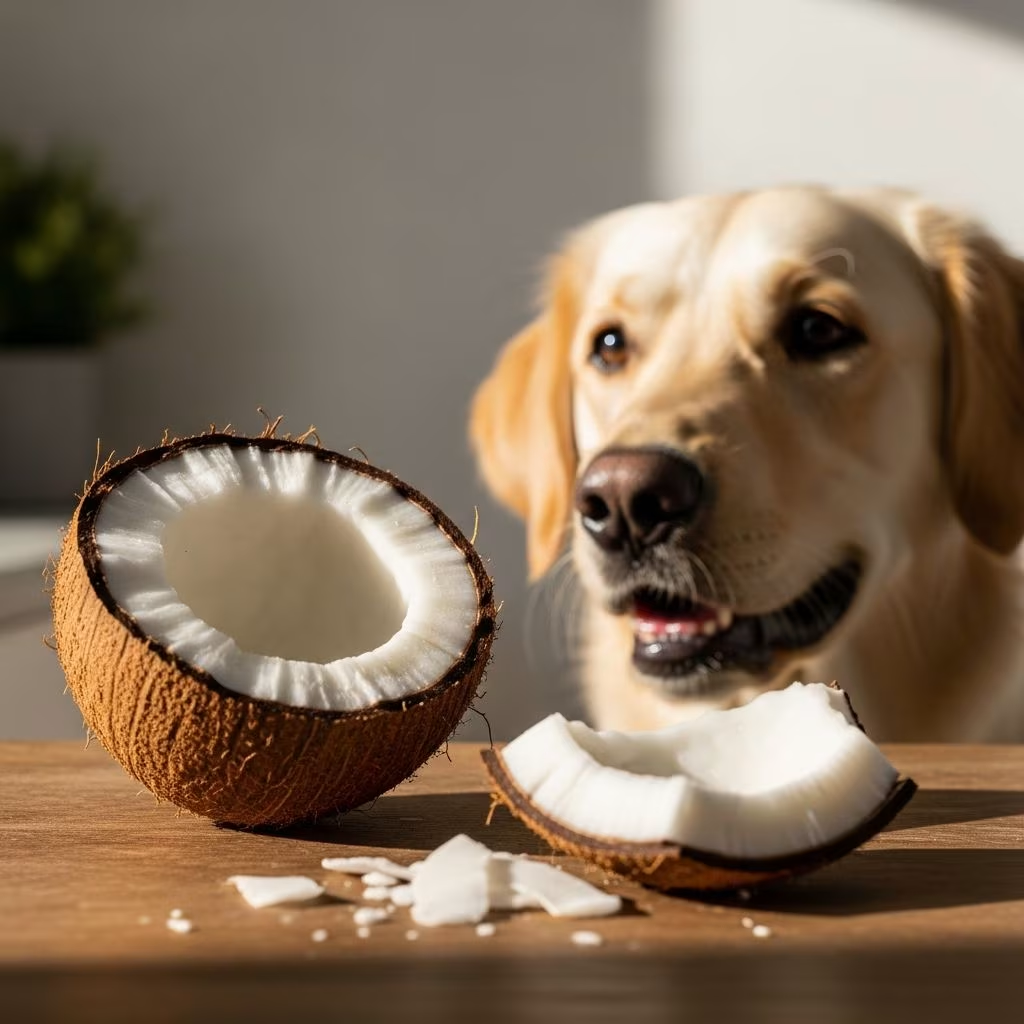
Coconuts offer a tropical treat that many dogs enjoy, but pet parents often wonder if this fruit is safe. The good news is that coconut meat is non-toxic to dogs and can provide health benefits when fed in moderation. Rich in medium-chain triglycerides (MCTs), fiber, and antioxidants, coconut supports skin health, digestion, and immunity. However, its high fat content means overfeeding can lead to digestive upset, weight gain, or pancreatitis. Always introduce coconut gradually and consult your vet, especially for dogs with health conditions.
Are Coconuts Safe for Dogs?
Yes, dogs can safely eat the white flesh of fresh coconuts in small amounts. Coconut is not listed as toxic by major veterinary sources, and it’s commonly used in dog treats and supplements. The meat provides hydration, healthy fats, and nutrients like lauric acid, which has antimicrobial properties. Puppies can have small portions, but cut into tiny pieces to prevent choking. Avoid the hard shell, husk, or whole coconuts, as they pose choking hazards or intestinal blockage risks.
Commercial coconut-based dog products exist, confirming its general safety. However, individual dogs may react differently due to allergies or sensitivities, so monitor for vomiting, diarrhea, or itching after the first serving.
Health Benefits of Coconut for Dogs
Coconut packs nutritional value that can enhance your dog’s well-being. Here’s a breakdown of key benefits:
- Medium-Chain Triglycerides (MCTs): These healthy fats, including lauric acid, provide quick energy, support brain function, and have anti-inflammatory, antiviral, and antibacterial effects. MCTs improve cognitive health in senior dogs and boost metabolism.
- Skin and Coat Health: Lauric acid and omega-6 fatty acids nourish the skin, reduce itching, and promote a shiny coat. Coconut oil derived from the meat is particularly effective for dry skin conditions.
- Digestive Support: High fiber content aids digestion, prevents constipation, and promotes gut health. Antioxidants fight free radicals, supporting overall immunity.
- Nutrient Boost: Contains vitamins (B, C), minerals (potassium, magnesium, iron), and electrolytes for hydration and energy. Ideal for active dogs needing quick fuel without sugar crashes.
- Anti-Inflammatory Properties: Helps with joint health and reduces inflammation, beneficial for older or arthritic dogs.
Studies on MCTs in pets show they enhance nutrient absorption and may aid weight management when used sparingly. Coconut meat delivers these in a natural, hydrating form.
Potential Risks and Side Effects
While beneficial, coconut’s high calorie and fat content (mostly saturated fats from MCTs) requires caution. Key risks include:
- Weight Gain and Pancreatitis: Excessive fat can lead to obesity or life-threatening pancreatitis, especially in small, overweight, or inactive dogs. Limit to 10% of daily calories.
- Digestive Upset: Too much fiber or fat causes diarrhea, bloating, gas, or vomiting. Start small to test tolerance.
- Allergies: Rare, but symptoms like hives, swelling, or ear infections can occur. Introduce gradually and watch closely.
- Choking Hazard: Large chunks or shells can block airways or intestines. Always shred finely.
| Risk Factor | Symptoms | Prevention |
|---|---|---|
| High Fat | Pancreatitis, obesity | Moderation; vet consult |
| Overfeeding | Diarrhea, vomiting | Small portions |
| Allergy | Itching, swelling | Introduce slowly |
| Choking | Blockage, injury | Bite-sized pieces |
Dogs with pancreatitis history, diabetes, or liver issues should avoid coconut. Spoiled coconut can cause food poisoning, so use fresh only.
How to Safely Feed Coconut to Dogs
Preparation is key to safety. Follow these steps:
- Select Fresh Coconut: Choose mature, fresh coconuts. Drain water if needed, crack open, and scoop white meat.
- Prepare Properly: Remove husk, shell, and brown skin. Shred or grate into small, bite-sized pieces.
- Portion Control: Base on dog size:
- Tiny dogs (<10 lbs): 1 tsp
- Small (10-25 lbs): 1 tbsp
- Medium (25-50 lbs): 1-2 tbsp
- Large (>50 lbs): 2-3 tbsp
Occasional treat, not daily.
- Introduce Gradually: Start with a tiny amount mixed in food; observe 24-48 hours.
- Storage: Refrigerate fresh meat up to 5 days; freeze portions for longer.
For coconut oil: Use virgin, unrefined; start with 1/4 tsp per 10 lbs body weight daily, drizzled on kibble.
Can Dogs Eat Coconut Oil?
Yes, coconut oil is an excellent supplement derived from coconut meat. It’s more concentrated in MCTs (up to 60% lauric acid), easier to digest than raw meat, and versatile for skin issues—apply topically or feed orally. Benefits mirror meat: better coat, reduced allergies, and energy boost. Avoid flavored or sweetened versions. Dose carefully to prevent loose stools.
Can Dogs Drink Coconut Water?
In small amounts, yes. Coconut water is low-calorie, rich in potassium, electrolytes, and vitamin C for hydration post-exercise. However, natural sugars can upset sensitive stomachs or contribute to diabetes. Limit to a few slurps occasionally; not a daily drink. Fresh is best; avoid sweetened bottled versions.
What About Other Coconut Products?
- Dried/Desiccated Coconut: Avoid—high sugar, preservatives, and concentrated calories lead to GI issues.
- Coconut Milk: Okay sparingly if unsweetened and low-fat; dilute and limit due to fat.
- Shredded Sweetened: Never—toxic sugars like xylitol possible.
- Coconut Flour: Useful in homemade treats for fiber; bake properly.
Stick to plain, fresh products.
Coconut for Puppies, Seniors, and Special Cases
Puppies: Small amounts aid development; cut tiny.
Seniors: MCTs support cognition and joints.
Pregnant/Nursing: Consult vet for increased needs.
Always tailor to health status.
Frequently Asked Questions (FAQs)
Can puppies eat coconut?
Yes, in tiny portions for their small mouths and developing systems. Avoid daily feeding due to high fat.
Is coconut oil better than coconut meat?
Often yes—more digestible and potent, but both offer MCT benefits.
How much coconut can my dog have?
1-3 tbsp max based on size, as an occasional treat.
What if my dog eats too much coconut?
Watch for diarrhea or vomiting; withhold food 12 hours, offer water, see vet if persists.
Can coconut help with my dog’s itchy skin?
Yes, lauric acid soothes; try oil topically first.
References
- Can dogs eat coconut? | Vet Verified Answer — Pooch & Mutt. 2023. https://www.poochandmutt.co.uk/blogs/can-dogs-eat/coconut
- Can Dogs Eat Coconut? | Benefits & Risks — Grub Club. 2023. https://mygrubclub.com/blogs/pet-welfare/can-dogs-eat-coconut-benefits-risks
- Can Dogs Eat Coconut? — Nextrition Pet. 2023. https://www.nextritionpet.com/blogs/nutrition/can-dogs-eat-coconut
- Can Dogs Eat Coconut? What Every Pet Parent Should Know — Noble Vet Clinic. 2023. https://noblevetclinic.com/blog/can-dogs-eat-coconut
- Can My Dog Eat Coconut? — Taste of the Wild Pet Food. 2023. https://www.tasteofthewildpetfood.com/articles/can-my-dog-eat-that/coconuts/
- Can Dogs Eat Coconut? — American Kennel Club (AKC). 2023. https://www.akc.org/expert-advice/nutrition/can-dogs-eat-coconut/



