

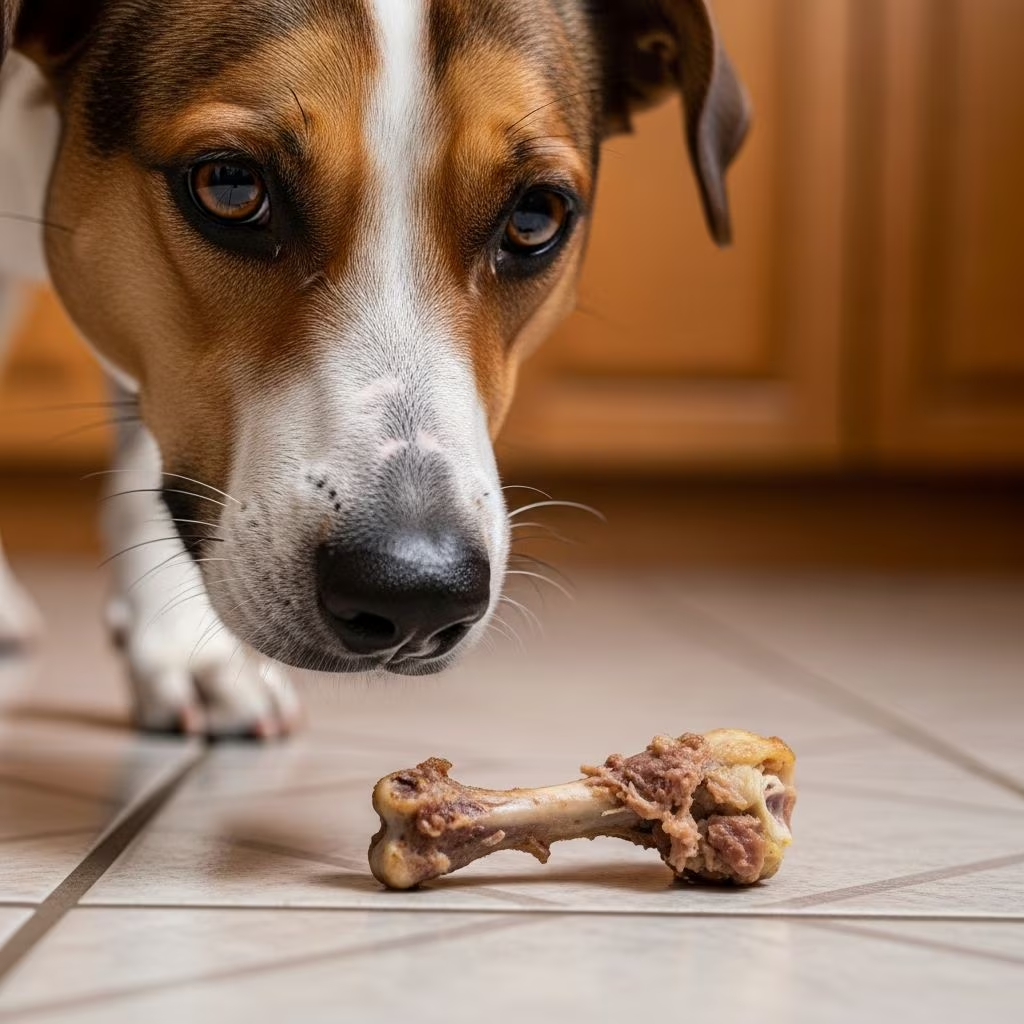
Dogs cannot safely eat chicken bones, whether cooked or raw, due to risks of splintering, choking, internal injuries, and bacterial contamination. These hazards make chicken bones unsuitable as treats or chews, potentially leading to life-threatening emergencies.
The Hidden Perils of Chicken Bones for Canine Health
Chicken bones attract dogs with their appealing scent and texture, but they carry substantial dangers. Cooked bones become brittle under heat, fracturing into sharp shards that lacerate soft tissues. Even raw versions, though less prone to breaking, introduce other threats like pathogens.
- Splintering risk: Fragments pierce the mouth, throat, or gut lining, causing bleeding or perforation.
- Choking danger: Larger pieces obstruct airways, leading to respiratory distress.
- Blockages: Undigested shards clump in the intestines, requiring surgical removal.
- Bacterial exposure: Raw bones harbor Salmonella or E. coli, risking illness in pets and households.
Puppies face amplified risks due to narrower digestive tracts, where even minor fragments cause outsized damage. All breeds and sizes remain vulnerable, underscoring the need for vigilance around kitchen scraps.
Cooked Versus Raw: Comparing Bone Types
Cooked chicken bones represent the greater threat, as high temperatures dry and weaken their structure. Chewing turns them into needle-like projectiles that embed in tissues or travel destructively through the body.
| Aspect | Cooked Bones | Raw Bones |
|---|---|---|
| Splintering Likelihood | High – Brittle and sharp | Lower – More flexible |
| Bacterial Risk | Low if cleaned | High – Salmonella, Campylobacter |
| Choking/Blockage | Very High | Moderate to High |
| Overall Safety | Dangerous | Still Unsafe |
Raw bones may seem preferable in raw feeding diets, but veterinary consensus advises against them due to persistent issues like tooth fractures and infections. Hollow poultry bones exacerbate splintering compared to denser varieties from larger animals.
Immediate Actions If Your Dog Consumes a Chicken Bone
Discovery of ingestion demands prompt response. Do not induce vomiting without professional guidance, as shards could lodge in the throat.
- Contact a vet immediately: Describe the amount eaten, bone type, and your dog’s size.
- Monitor closely: Observe for 48-72 hours, noting changes in behavior or elimination.
- Seek emergency care: For large quantities or visible distress, head to a clinic without delay.
Professionals may recommend monitoring, laxatives, or imaging to track passage. Surgery becomes necessary for obstructions or perforations.
Recognizing Trouble: Symptoms to Watch For
Effects vary from subtle to acute. Early detection improves outcomes.
- Respiratory signs: Coughing, gagging, labored breathing from airway blocks.
- Gastrointestinal distress: Vomiting (possibly bloody), diarrhea, abdominal pain or bloating.
- Behavioral shifts: Lethargy, loss of appetite, straining during defecation.
- Visible injuries: Drooling, pawing at mouth, blood in stool or vomit.
Absence of immediate symptoms does not guarantee safety; fragments may cause delayed perforations leading to peritonitis.
Preventing Accidental Ingestion in Your Home
Proactive measures eliminate risks.
- Secure trash bins with locking lids to block scavenging.
- Clear counters and tables of remnants during meals.
- Educate family on dangers, especially with children.
- Dispose of bones in outdoor, pet-inaccessible containers.
Train commands like “leave it” to deter grabs from plates or floors. Supervision during gatherings prevents opportunistic thefts.
Healthier Alternatives: Vet-Recommended Chews
Opt for commercial products engineered for safety, providing dental benefits without hazards.
| Treat Type | Benefits | Best For |
|---|---|---|
| Nylabone or Kong Toys | Durable, non-splintering | Heavy chewers |
| Antlers or Bully Sticks | Natural, long-lasting | Moderate chewers |
| Freeze-Dried Liver | Nutrient-rich, soft | Seniors/Puppies |
| Veggie Chews | Low-calorie, digestible | Weight management |
Introduce new chews gradually to check tolerance. Balance treats to under 10% of daily calories, prioritizing complete nutrition via kibble or fresh foods.
Insights from Veterinary Research on Bone Safety
Studies highlight poultry bones’ unique fragility due to their lightweight, tubular design. Veterinary emergency data shows frequent interventions for related complications, reinforcing avoidance as best practice.
Raw diets incorporating bones require supervision by nutritionists, but even then, chicken variants pose elevated risks compared to beef or bison options.
Frequently Asked Questions
Are turkey or other poultry bones safe?
No, similar structure leads to identical splintering and choking risks.
What if my dog ate one bone and seems fine?
Monitor for 72 hours and consult a vet; silent damage can emerge later.
Can larger dogs handle chicken bones better?
No, size does not mitigate internal injury potential.
Is bone broth okay for dogs?
Yes, if bones are strained out; it offers collagen without solids.
How do I transition to safe chews?
Start small, supervise, and rotate varieties for engagement.
References
- Can Dogs Eat Chicken Bones? — Veterinary Emergency Group. 2023. https://www.veg.com/post/can-dogs-eat-chicken-bones
- What To Do if Your Dog Ate a Chicken Bone — PetMD. 2024-01-15. https://www.petmd.com/dog/nutrition/what-to-do-if-your-dog-ate-a-chicken-bone
- What to Do If Your Dog Ate a Chicken Bone — Broomfield Vet. 2023-11-20. https://broomfieldvet.com/blog/dog-ate-chicken-bone/
- My Dog Ate Chicken Bones, Should I Be Worried? — Heart + Paw. 2024. https://heartandpaw.com/pet-parent-resources/dog-ate-chicken-bones
- What To Do If Your Dog Ate Chicken Bones — Apex Vets. 2023-09-10. https://apex.vet/blog/dog-ate-chicken-bones/



