
Can Dogs Eat Cat Food? Why It’s Not Recommended
Learn why cat food is harmful to dogs and discover proper nutritional guidelines for your canine companion.
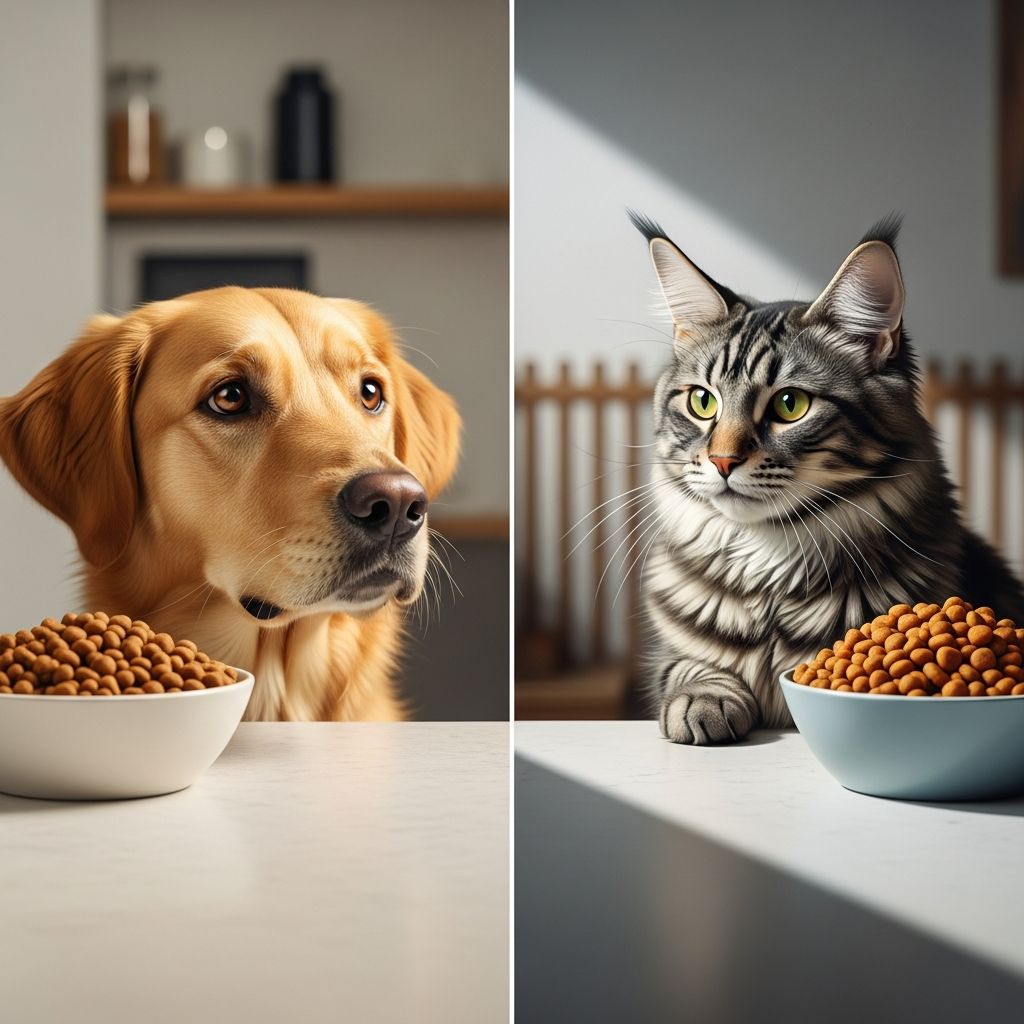
Many pet owners with multiple animals wonder if it’s safe for their dogs to occasionally munch on cat food. While a quick bite here and there might not cause immediate harm, the answer to whether dogs should eat cat food is a clear no. Dogs and cats have evolved as different species with distinct nutritional requirements, and feeding cat food to your dog regularly can lead to serious health complications. Understanding the differences between these two species and their dietary needs is essential for keeping your canine companion healthy and thriving.
Why Dogs Shouldn’t Eat Cat Food
The fundamental reason dogs shouldn’t eat cat food is that cats and dogs have fundamentally different nutritional needs. Cats are obligate carnivores, meaning they require a diet primarily composed of meat-based proteins and animal fats to maintain proper body function. Dogs, conversely, are omnivores capable of digesting both meat and vegetables. This distinction creates a significant mismatch when dogs consume feline nutrition formulas.
Cat food is specifically formulated to meet the unique metabolic requirements of felines, with higher concentrations of protein, fat, and certain amino acids that dogs don’t need in such quantities. When a dog regularly consumes cat food as their primary nutrition source, they fail to receive the balanced nutrient profile designed for their species. This nutritional imbalance can trigger a cascade of health problems that may become chronic or severe over time.
Health Risks Associated with Dogs Eating Cat Food
Pancreatitis
One of the most serious health risks dogs face from consuming excessive cat food is pancreatitis, an inflammation of the pancreas. Cat food contains significantly higher fat content than what veterinarians recommend for dogs. Research has identified high-fat diets as a primary risk factor for developing pancreatitis in canines. When a dog’s pancreas becomes inflamed, it struggles to produce digestive enzymes and regulate blood sugar properly, leading to considerable discomfort and medical complications.
Dogs suffering from pancreatitis typically exhibit several warning signs that warrant immediate veterinary attention. These symptoms include repeated vomiting, a painful or noticeably bloated abdomen, dehydration, and a general lack of energy. Some dogs may refuse to eat or drink and show signs of abdominal pain when touched. If left untreated, pancreatitis can become life-threatening, making prevention through proper diet essential.
Obesity and Weight Gain
Because cat food is higher in both protein and fat compared to dog food formulations, regular consumption can quickly lead to excessive weight gain in canines. While a few extra pounds might seem inconsequential, obesity in dogs creates a foundation for numerous serious health complications. Scientific studies have established clear links between canine obesity and inflammation, cancer development, diabetes, breathing difficulties, and joint issues.
Overweight dogs experience reduced mobility, decreased lifespan, and diminished quality of life. The excess weight places strain on joints and bones, making exercise more difficult and painful. Additionally, obese dogs are at higher risk for heart disease, high blood pressure, and other metabolic disorders. Maintaining a healthy weight through appropriate nutrition is one of the most important factors in ensuring your dog lives a long, active, and comfortable life.
Gastrointestinal Upset
Unlike dogs, cats are true carnivores requiring diets with minimal carbohydrate and fiber content. However, the closer an animal’s diet approaches containing exclusively meat, the more imbalanced it becomes in digestive carbohydrates and fiber. When dogs consume large quantities of cat food, their digestive systems struggle to process the nutrient composition, resulting in gastrointestinal distress.
This imbalance commonly manifests as vomiting and diarrhea, both of which can lead to dehydration and nutritional losses if they persist. Some dogs may experience constipation, loss of appetite, or general digestive discomfort. These gastrointestinal issues can become chronic if cat food consumption continues, potentially leading to more serious digestive disorders or inflammatory bowel conditions.
Understanding the Differences Between Dog and Cat Food
To comprehend why dogs shouldn’t regularly consume cat food, it’s helpful to understand the nutritional differences between the two formulations. Cats are obligate carnivores with specific amino acid requirements that exceed those of dogs. Cat food is carefully engineered to provide these higher amino acid levels to maintain feline health.
Dogs are omnivores with more flexible dietary needs, capable of synthesizing certain nutrients from plant-based sources that cats cannot. The proportions of vitamins, minerals, proteins, and fats differ substantially between dog and cat food formulations. Cat foods typically contain protein levels ranging from 30% to 50% on an as-fed basis, while dog foods generally contain 18% to 26% protein. Similarly, cat food contains higher fat content to meet feline metabolic needs.
Cat foods include essential nutrients specific to feline health, such as taurine and arachidonic acid, which must be present in adequate quantities to prevent serious health consequences. Dogs can synthesize taurine internally and produce arachidonic acid, so these nutrients are not typically supplemented in dog food formulas. These fundamental nutritional differences make it clear that cat food is simply not formulated to meet canine nutritional requirements.
Key Nutritional Differences Explained
| Nutrient Component | Cat Food | Dog Food | Why It Matters |
|---|---|---|---|
| Protein Level | 30-50% (as-fed) | 18-26% (as-fed) | Cats require higher protein; excessive protein can strain dog kidneys and liver |
| Fat Content | Higher | Lower | High fat increases pancreatitis risk in dogs |
| Taurine | Required addition | Rarely included | Cats need dietary taurine; dogs synthesize it naturally |
| Arachidonic Acid | Supplemented | Rarely included | Cats cannot produce it; dogs synthesize it independently |
| Carbohydrates | Lower | Higher | Dogs need carbohydrates for energy; cats need minimal amounts |
Proper Feeding Guidelines for Dogs
To ensure your dog maintains optimal health and receives appropriate nutrition, feed them a complete and balanced diet specifically formulated for canines. The easiest way to achieve this is by selecting commercially prepared dog food from a reputable pet retailer. Look for products that explicitly state they meet AAFCO (Association of American Feed Control Officials) standards for completeness and balance.
Dog food formulations vary based on life stage, as puppies, adult dogs, and senior dogs have different nutritional requirements. Puppies need higher calorie content and specific nutrient ratios to support growth and development. Adult dogs require maintenance-level nutrition to preserve muscle mass and energy. Senior dogs typically need fewer calories and often benefit from modified nutrient profiles that support aging joints and cognitive function.
When selecting food for your dog, consider their age, size, activity level, and any specific health concerns they may have. Some dogs require special dietary formulations due to allergies, sensitivities, or medical conditions. Your veterinarian can provide personalized recommendations based on your dog’s individual needs and health history.
What to Do If Your Dog Eats Cat Food
If your dog occasionally sneaks a few bites of cat food, there’s typically no cause for immediate alarm. A single small incident is unlikely to cause lasting harm. However, if your dog has consumed a significant quantity of cat food or has done so repeatedly, monitoring their health closely becomes important.
Watch for signs of gastrointestinal upset including vomiting, diarrhea, or loss of appetite. If your dog develops these symptoms, contact your veterinarian. Similarly, if your dog has a history of pancreatitis or other digestive conditions, even small amounts of cat food should be avoided, and accidental consumption should be reported to your vet.
To prevent future incidents, store cat food in a separate location away from your dog’s access. Feed your cat in a separate room or use feeding stations designed to prevent dogs from reaching feline food. Using elevated feeders or closed doors can effectively prevent unwanted cross-feeding between pets in multi-pet households.
Frequently Asked Questions
Q: Can a small amount of cat food hurt my dog?
A: An occasional small bite of cat food is unlikely to cause immediate harm to most healthy dogs. However, regular consumption or large quantities can lead to serious health problems including pancreatitis, obesity, and digestive issues. It’s best to prevent your dog from accessing cat food altogether.
Q: What should I do if my dog eats cat food regularly?
A: If your dog has been consuming cat food regularly, contact your veterinarian. They can assess your dog’s health and monitor for signs of nutritional imbalances, pancreatitis, or weight gain. Switch your dog to a proper canine diet and implement feeding strategies to prevent future access to cat food.
Q: Is cat food toxic to dogs?
A: Cat food is not inherently toxic to dogs, meaning it won’t poison them in small amounts. However, it’s not formulated for canine nutritional needs and can cause health problems when consumed regularly or in large quantities.
Q: Why do dogs like cat food so much?
A: Dogs find cat food appealing because of its high protein and fat content, which creates an attractive taste and aroma. The densely packed nutrients make it an enticing treat for canines, which is why many dogs seek it out when given the opportunity.
Q: How can I prevent my dog from eating cat food?
A: Keep cat food in a separate room with a door your dog cannot open. Use elevated or enclosed feeding stations designed to prevent dog access. Feed your pets at different times or in different locations. Consider microchip feeders that open only for specific pets.
Q: What are the signs my dog is experiencing pancreatitis?
A: Warning signs include repeated vomiting, abdominal pain or bloating, dehydration, lethargy, and loss of appetite. If you notice these symptoms, contact your veterinarian immediately, especially if your dog has recently consumed cat food.
The Bottom Line
While your dog may love sneaking into the cat’s food bowl, it’s essential to maintain strict boundaries around pet nutrition. Cats and dogs have evolved with distinct dietary requirements, and cat food simply cannot provide the nutritional balance your dog needs for optimal health. A few occasional bites of cat food are unlikely to cause harm, but regular consumption can lead to serious health complications including pancreatitis, obesity, and digestive problems.
The best way to protect your dog’s health is to feed them a complete and balanced diet formulated specifically for canines, appropriate to their life stage and individual health needs. Store cat food in locations your dog cannot access, and consult with your veterinarian about any concerns regarding your dog’s diet or health. By maintaining proper nutritional practices and preventing cross-feeding between your pets, you’ll help ensure your dog enjoys a long, healthy, and vibrant life.
References
- Can Dogs Eat Cat Food? They Shouldn’t. Here’s Why It’s Bad — GoodRx Pet Health. 2024. https://www.goodrx.com/pet-health/dog/can-dogs-eat-cat-food
- Nutritional risks and consequences of meat-only diets for dogs and cats — Tazerji, S. S., et al. German Journal of Veterinary Research. 2024. https://pubmed.ncbi.nlm.nih.gov/
- Differences between cats and dogs: a nutritional view — Legrand-Defretin, V. Proceedings of the Nutrition Society. 1994. https://www.cambridge.org/core/journals/proceedings-of-the-nutrition-society
- New insights into the etiology, risk factors, and pathogenesis of pancreatitis in dogs: Potential impacts on clinical practice — Journal of Veterinary Internal Medicine. https://onlinelibrary.wiley.com/journal/1939165x
- Complete and balanced pet food — U.S. Food and Drug Administration. 2020. https://www.fda.gov/animal-veterinary/animal-food-feeds
Similar Articles








Read full bio of medha deb


