

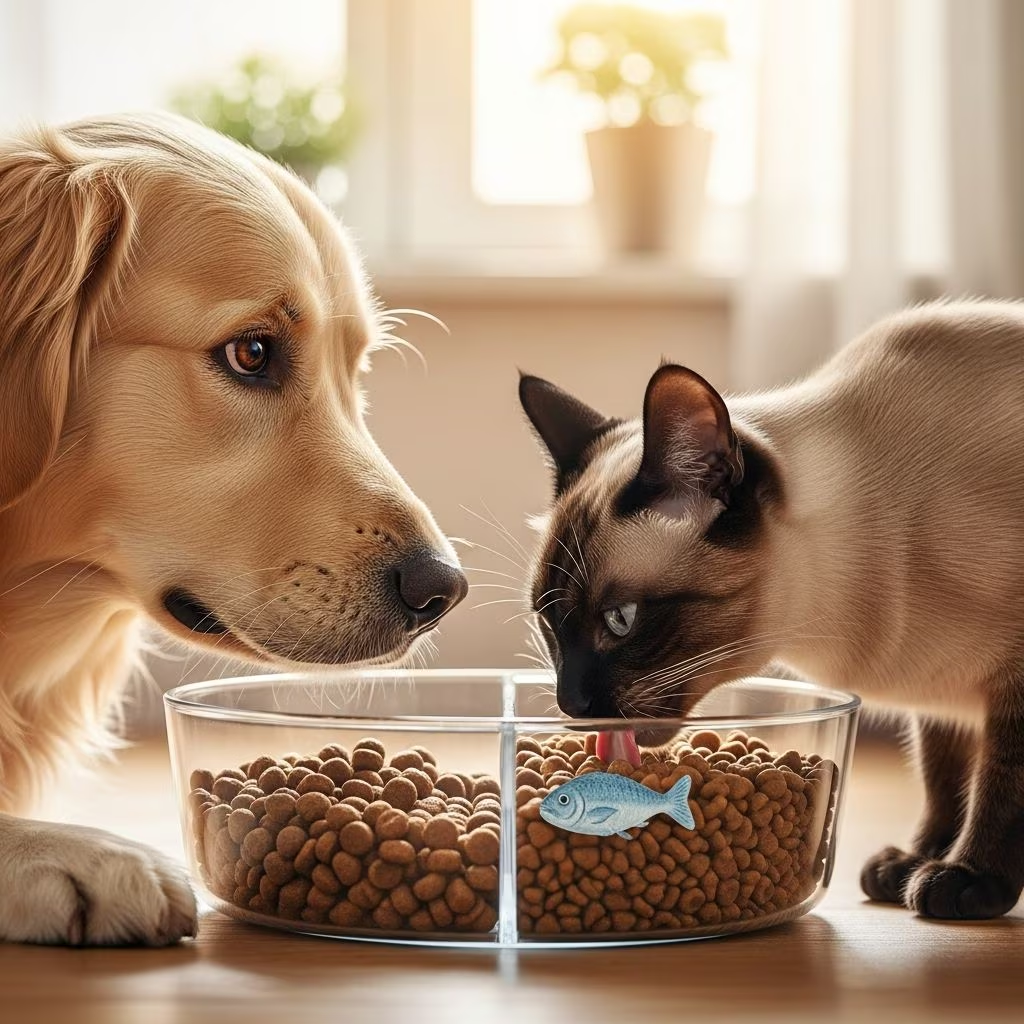
Dogs can occasionally eat small amounts of cat food without immediate harm, but it is not recommended as a regular part of their diet due to significant nutritional differences between cats and dogs.
Cats are obligate carnivores, requiring a meat-heavy diet rich in specific nutrients like taurine and arachidonic acid, while dogs are omnivores with more flexible needs that include carbohydrates and lower protein levels. Feeding cat food to dogs long-term can lead to health issues such as obesity, pancreatitis, digestive upset, and organ strain.
Why Cat Food Isn’t Suitable for Dogs
Cat food is formulated to meet the precise needs of felines, which differ markedly from canine requirements. Cats derive energy primarily from protein and fat, necessitating higher concentrations of these nutrients, whereas dogs thrive on a balanced mix including plant-based ingredients.
- Higher Protein Levels: Cat food often exceeds 40-50% protein, straining a dog’s kidneys and liver, especially in older pets or those with pre-existing conditions.
- Elevated Fat Content: The richer fat profile in cat food increases risks of pancreatitis and weight gain, as dogs require less fat for daily energy.
- Nutrient Imbalances: Essential nutrients like vitamin E and certain minerals may be insufficient or excessive in cat food for dogs, leading to deficiencies or toxicities over time.
These discrepancies arise because regulatory standards for pet food, set by bodies like the Association of American Feed Control Officials (AAFCO), specify different profiles for cats and dogs.
Nutritional Differences: Dog Food vs. Cat Food
To illustrate the variances, consider this comparison table of typical nutrient profiles per AAFCO guidelines for adult maintenance (dry matter basis). Note that exact values vary by brand, but patterns hold across formulations.
| Nutrient | Dog Food (Minimum) | Cat Food (Minimum) |
|---|---|---|
| Protein | 18% | 26-30% |
| Fat | 5% | 9% |
| Calcium | 0.5% | 0.6% |
| Arachidonic Acid | 0% | 0.02% |
| Taurine | Not required | 0.1% |
| Vitamin A (IU/kg) | 5,000 | 3,332 (higher potency) |
Dogs lack the metabolic pathways to efficiently process excess taurine or arachidonic acid, and they convert beta-carotene to vitamin A, unlike cats. This table underscores why cat food oversupplies protein and fat for dogs while potentially undersupplying fiber and carbohydrates.
Health Risks of Dogs Eating Cat Food
While a few stolen bites pose minimal threat to healthy dogs, habitual consumption invites serious complications. Veterinary experts emphasize moderation, as even non-toxic foods can harm when mismatched to species needs.
Pancreatitis
High-fat cat food is a known trigger for pancreatitis, an inflammation of the pancreas causing severe abdominal pain. Symptoms include vomiting, lethargy, dehydration, and a bloated abdomen, often requiring hospitalization. Dogs with prior episodes or hyperlipidemia face heightened vulnerability.
Obesity and Weight Gain
Cat food’s calorie density—often 20-30% higher than dog food—promotes rapid weight gain. Obesity links to osteoarthritis, diabetes, and reduced lifespan in dogs. Larger breeds or less active pets are particularly susceptible.
Digestive Issues
Gastrointestinal upset manifests as diarrhea, vomiting, or gas due to imbalanced fiber and excessive protein overwhelming a dog’s adaptable but sensitive gut.
Organ Strain
Chronic high protein taxes kidneys and liver, accelerating decline in senior dogs or those with chronic kidney disease. Liver disease risks rise from fat overload.
- Sensitive stomachs or breeds like Bulldogs may react faster.
- Puppies and lactating females need precise nutrition cat food can’t provide.
Is a Little Cat Food Okay?
Occasional nibbles—such as finishing a cat’s bowl once a week—are unlikely to cause issues in most healthy adult dogs. However, monitor for signs like loose stools or lethargy. Vets may suggest cat food temporarily for picky eaters or ill dogs lacking appetite, but only under supervision.
For dogs on low-fat diets, with pancreatitis history, or kidney issues, even small amounts warrant caution. Size matters: a tiny dog eating cat food calories meant for a 10-lb cat faces greater risks than a large breed.
Can Cats Eat Dog Food?
Conversely, dog food is hazardous for cats long-term. Lacking sufficient taurine, arachidonic acid, and vitamin A, it causes dilated cardiomyopathy, blindness, and reproductive failures. Cats cannot synthesize these from plants, making meat-exclusive nutrition vital.
Short-term dog food ingestion won’t kill a cat, but sustained feeding leads to malnutrition. In multi-pet homes, prioritize species-specific bowls.
How to Stop Your Dog from Eating Cat Food
Preventing access is key in households with both pets. Strategies include:
- Elevate Cat Bowls: Place on high counters or cat trees; many cats jump easily, dogs struggle.
- Feed Separately: Room isolation during meals, with supervision.
- Timing Meals: Feed cats in secure spots when dogs are crated or exercised.
- Puzzle Feeders: Slow-eating devices for cats deter quick dog thefts.
- Microchip Feeders: Automated bowls that open only for the chipped pet.
Train with commands like “leave it” reinforced by treats. Remove uneaten food promptly.
Emergency Situations: Can Dogs Survive on Cat Food?
In true emergencies—like natural disasters—dogs can subsist on cat food short-term without toxicity, unlike chocolate or grapes. However, nutrient gaps cause GI upset, and prolonged use risks health decline. Transition to dog food ASAP and consult a vet for supplements if needed.
Vets occasionally prescribe high-protein cat food for cachectic (wasted) dogs to stimulate appetite, but pair with monitoring.
Frequently Asked Questions (FAQs)
Is cat food toxic to dogs?
No, cat food is not toxic, but its imbalance causes health risks with regular intake.
What happens if a dog eats a lot of cat food?
Expect vomiting, diarrhea, pancreatitis risk, obesity, or kidney strain.
How much cat food is too much for a dog?
Varies by dog size, health, and frequency; more than occasional small amounts is excessive.
Can puppies eat cat food?
No, puppies need growth-specific formulas; cat food lacks balanced calcium-phosphorus ratios.
Why do dogs like cat food so much?
Its richer flavor from higher fat/protein appeals to canine palates as a treat.
Choosing the Right Dog Food
Opt for AAFCO-labeled complete-and-balanced dog foods matching life stage, breed size, and health needs. Consult vets for prescription diets if issues like allergies exist. Wet, dry, or raw—variety keeps meals engaging without cat food temptations.
In multi-pet homes, invest in prevention tools for harmony and health.
References
- Can Dogs Eat Cat Food? They Shouldn’t. Here’s Why It’s Bad — GoodRx. 2023. https://www.goodrx.com/pet-health/dog/can-dogs-eat-cat-food
- Can Dogs Eat Cat Food? — Whole Dog Journal. 2024. https://www.whole-dog-journal.com/food/can-dogs-eat-cat-food/
- Can Dogs Eat Cat Food? — PetMD. 2024. https://www.petmd.com/dog/nutrition/can-dogs-eat-cat-food
- Can Dogs Eat Cat Food? — Dog Food Advisor. 2023. https://www.dogfoodadvisor.com/canine-nutrition/can-dogs-eat-cat-food/
- Can Dogs Eat Cat Food? — Chewy. 2024. https://www.chewy.com/education/dog/food-and-nutrition/can-dogs-eat-cat-food
- Can Dogs Eat Cat Food? – American Kennel Club — AKC. 2023-10-24. https://www.akc.org/expert-advice/nutrition/can-dogs-eat-cat-food/



