

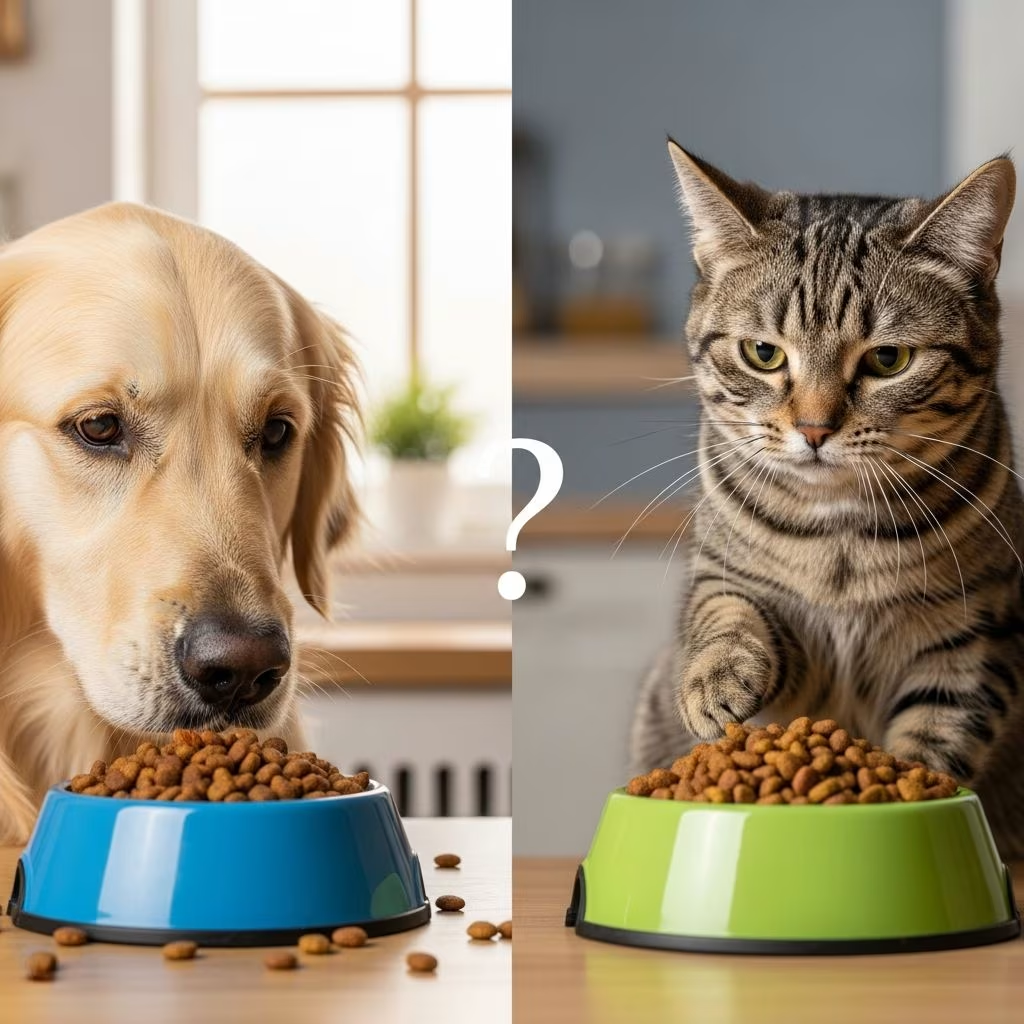
Can Dogs Eat Cat Food? Understanding the Risks
It’s a common scenario in multi-pet households: your dog sneaks over to the cat’s bowl and steals a bite of kibble. While the occasional nibble might not cause immediate harm, regular consumption of cat food can lead to serious health consequences for your canine companion. Understanding why cat food differs from dog food and the specific risks it poses is essential for responsible pet ownership.
Dogs and cats have fundamentally different nutritional requirements. Cat food is formulated specifically to meet feline dietary needs, which are quite distinct from those of dogs. When dogs consume cat food regularly, they’re ingesting a diet that wasn’t designed for their unique physiology and metabolic needs. While a single meal of cat food is unlikely to cause significant harm to most healthy adult dogs, consistent consumption can trigger a cascade of health problems.
Nutritional Differences Between Cat and Dog Food
The primary distinction between cat and dog food lies in their macronutrient composition. Cat food contains significantly higher levels of protein and fat compared to dog food formulations. This difference exists because cats are obligate carnivores, meaning they require meat-based proteins as an essential component of their diet. Dogs, by contrast, are omnivores capable of processing a more varied diet that includes both meat and plant-based ingredients.
Cat food typically contains protein levels ranging from 30-40% or higher, while dog food usually contains 18-25% protein. Similarly, cat food fat content often exceeds 15%, whereas dog food typically ranges from 5-15%. These elevated levels make cat food calorie-dense and particularly appealing to dogs, but this same composition creates nutritional imbalances when consumed by canines over time.
Additionally, cat food contains higher concentrations of specific vitamins and minerals formulated for feline metabolism. Vitamins A and D, for instance, are present in cat food at levels appropriate for cats but can be excessive for dogs when consumed regularly. This vitamin imbalance can lead to toxicity issues, particularly with vitamin D, which dogs’ bodies cannot efficiently metabolize at high concentrations.
Short-Term Health Effects of Eating Cat Food
When a dog consumes cat food, the most immediate consequence is often gastrointestinal distress. Dogs with sensitive stomachs are particularly vulnerable to these short-term effects, which can manifest within hours of consumption.
Gastrointestinal Upset
The high fat and meat-based protein content in cat food can overwhelm a dog’s digestive system. Since cats require less dietary carbohydrates and fiber than dogs, cat food contains a less balanced digestive profile for canines. This imbalance commonly results in vomiting, diarrhea, and excess gas. Most dogs experiencing these symptoms recover within a short period, but persistent or severe symptoms warrant veterinary attention, as they may indicate a more serious underlying condition.
Pancreatitis Risk
One of the most concerning short-term risks associated with cat food consumption is acute pancreatitis. The pancreas is responsible for producing digestive enzymes that break down dietary fats. When a dog consumes excessive amounts of the high-fat cat food, the pancreas can become inflamed as it works overtime to process these fats. This inflammatory response can develop rapidly and create an acute medical emergency.
Dogs experiencing pancreatitis exhibit symptoms including repeated vomiting, abdominal pain and bloating, dehydration, lethargy, appetite loss, and sometimes fever. Some dogs assume a characteristic hunched posture due to abdominal discomfort. If you observe these symptoms after your dog has accessed cat food, seek immediate veterinary care, as pancreatitis can be life-threatening without proper treatment.
Long-Term Health Consequences
While occasional cat food consumption might cause temporary digestive upset, regular consumption creates more serious long-term health complications. Dogs with consistent access to cat food or those regularly fed cat food face multiple chronic health risks.
Obesity and Weight Management Issues
The elevated protein and fat content in cat food makes it significantly more calorie-dense than dog food. When dogs consume cat food regularly, they consume substantially more calories than intended for their size and activity level. This excess caloric intake leads to unhealthy weight gain and obesity. Even a few extra pounds can compromise a dog’s quality of life and trigger secondary health conditions.
Obesity in dogs increases the risk of joint problems, diabetes, breathing difficulties, and reduced mobility. The additional weight places strain on joints and the cardiovascular system. Studies demonstrate a clear link between obesity and inflammation in dogs, which can contribute to chronic diseases including cancer. Dogs with poor body condition scores face a significantly lower quality of life with reduced activity tolerance and increased medical issues.
Pancreatitis—Chronic Development
Beyond acute pancreatitis triggered by a single large meal, chronic pancreatitis can develop gradually from repeated consumption of high-fat foods like cat food. Dogs that consistently sneak cat food may be exposing their pancreas to repeated stress and inflammation. This chronic inflammation can lead to lasting pancreatic damage and predispose dogs to recurrent pancreatitis episodes.
Kidney and Liver Strain
The excessively high protein content in cat food places additional metabolic stress on a dog’s kidneys and liver. These organs must work harder to process and eliminate the excess protein. While healthy adult dogs can typically tolerate higher protein levels, dogs with pre-existing kidney disease, liver disease, or those predisposed to these conditions face increased risk when consuming high-protein cat food.
Dogs with chronic kidney disease or liver disease should never eat cat food, as the high protein content can exacerbate their conditions and accelerate organ deterioration. Even dogs without existing disease can develop long-term organ stress from consistent high-protein diet consumption.
Vitamin D Toxicity
Vitamin D toxicity represents a particular concern for dogs with prolonged cat food exposure. Although vitamin D at appropriate levels is essential for canine health, excessive amounts can cause serious problems. Dogs that consistently sneak cat food may be consuming vitamin D faster than their bodies can metabolize it. This buildup can eventually cause toxicity, leading to kidney damage and potentially kidney failure. Unlike acute toxicity from toxic foods, vitamin D toxicity develops gradually and can go unnoticed until significant organ damage occurs.
Which Dogs Face the Greatest Risk?
While all dogs should avoid regular cat food consumption, certain populations face heightened risk and require particular protection from cat food access:
- Dogs with pancreatitis history: Any dog with a previous pancreatitis episode is at significantly elevated risk for recurrence when exposed to high-fat foods like cat food.
- Dogs with kidney disease: Chronic kidney disease makes dogs particularly vulnerable to high-protein diet complications.
- Dogs with liver disease: Similarly, liver disease patients should avoid the metabolic stress of high-protein foods.
- Dogs with sensitive stomachs: Gastrointestinal sensitivity makes these dogs prone to digestive upset from cat food’s imbalanced nutrition.
- Dogs with hyperlipidemia: Dogs with abnormally high blood fat levels should not consume additional dietary fat.
- Overweight dogs: Dogs already struggling with weight management face accelerated obesity from cat food’s calorie density.
- Senior dogs: Older dogs often have less efficient metabolism and may have pre-existing organ compromise.
Occasional vs. Regular Consumption: What’s the Difference?
The timing and frequency of cat food consumption significantly impact health outcomes. A dog that steals a few bites of cat food once or twice is unlikely to experience serious consequences. Healthy adult dogs can generally tolerate these isolated incidents without developing medical problems. However, the picture changes dramatically with regular consumption.
When dogs have repeated access to cat food—whether through stealing from a shared bowl, being fed cat food by mistake, or living in a household where cat food is accessible—the cumulative effect becomes problematic. The occasional bite differs fundamentally from a pattern of consumption. Regular exposure creates the conditions for pancreatitis development, nutrient imbalances, obesity, and organ stress that result in serious health complications.
Safe Practices for Multi-Pet Households
Managing cat food access is crucial in homes with both cats and dogs. Implementing proper feeding practices protects your dog while ensuring your cat receives appropriate nutrition:
- Separate feeding areas: Feed your cat in a space where your dog cannot access the food bowl, such as a closed room or elevated feeding station.
- Supervised meals: Monitor both pets during feeding times to prevent food stealing.
- Separate storage: Keep cat food stored securely where your dog cannot access it.
- Timed feeding: Use scheduled feeding times rather than free-feeding to control access to cat food.
- Immediate cleanup: Remove uneaten food promptly after meals.
- Educate family members: Ensure all household members understand the importance of preventing dog-cat food sharing.
What to Do If Your Dog Eats Cat Food
If you discover your dog has eaten cat food, the appropriate response depends on the amount consumed and your dog’s health status. A single, small amount typically requires no intervention beyond observation. Monitor your dog for signs of gastrointestinal upset, vomiting, or diarrhea over the next 24 hours.
However, if your dog consumed a large quantity or if your dog has a history of pancreatitis, sensitive stomach, or other health conditions, contact your veterinarian. Seek immediate veterinary care if your dog develops symptoms including vomiting, diarrhea that persists, abdominal pain, lethargy, appetite loss, or any other concerning signs. Your veterinarian can examine your dog and determine whether treatment is necessary.
Nutritional Needs Specific to Dogs
Dogs require a carefully balanced diet that differs significantly from cat food. A complete and balanced canine diet includes appropriate levels of protein (typically 18-25%), moderate fat content (5-15%), adequate carbohydrates for energy and fiber, and essential vitamins and minerals in canine-appropriate concentrations. Dog food is formulated to support canine metabolism, promote healthy coat and skin, maintain appropriate body weight, and support organ function.
When choosing dog food, look for products that meet AAFCO (Association of American Feed Control Officials) standards for canine nutrition. Your veterinarian can recommend specific dog food options that match your individual dog’s age, size, activity level, and health status. Never substitute cat food or human food as a dog’s primary nutrition source.
Frequently Asked Questions
Q: Will one bite of cat food hurt my dog?
A: A single bite of cat food is unlikely to cause harm to a healthy adult dog. However, regular consumption or large quantities can create serious health problems. If your dog steals occasional small amounts, monitor for any signs of gastrointestinal upset, but don’t panic.
Q: Can I feed my dog cat food if my dog food runs out?
A: In a temporary emergency, a healthy dog can survive on cat food briefly. However, this should not become a regular practice. Dogs should have access to proper dog food as their primary nutrition source. If you face a food shortage, contact your veterinarian or local animal shelters for assistance in obtaining appropriate dog food.
Q: What are the symptoms of pancreatitis in dogs?
A: Symptoms of pancreatitis include repeated vomiting, abdominal pain and bloating, hunched posture, lethargy, appetite loss, dehydration, diarrhea, distended abdomen, and sometimes fever. These symptoms require immediate veterinary attention.
Q: Are cat treats safer for dogs than cat food?
A: Cat treats carry similar risks as cat food, often containing even higher fat concentrations. They should not be fed to dogs regularly and may pose pancreatitis risk, particularly in sensitive dogs.
Q: How can I prevent my dog from accessing cat food?
A: Use separate feeding areas, feed your cat in an elevated location or closed room, supervise meals, store cat food securely, use timed feeding instead of free-feeding, remove uneaten food promptly, and educate family members about preventing food sharing.
Q: Is cat food toxic to dogs?
A: Cat food is not inherently toxic like chocolate or certain human foods, but it poses serious health risks due to nutritional imbalances and inappropriate composition for canine metabolism when consumed regularly.
Conclusion: Protecting Your Dog’s Health
While the occasional ingestion of cat food is unlikely to cause severe problems for most healthy dogs, regular consumption poses genuine risks to your pet’s health and longevity. The high fat, protein, and inappropriate vitamin concentrations in cat food can trigger pancreatitis, obesity, gastrointestinal upset, organ stress, and nutritional imbalances. Dogs with pre-existing health conditions face even greater risks.
The best approach is prevention: implement feeding practices that keep cat food and dog food separate and inaccessible to the other species. Feed your dog a complete and balanced diet specifically formulated for canine nutritional needs. By maintaining this separation and ensuring proper nutrition, you support your dog’s long-term health and quality of life.
References
- Is it Safe for Dogs to Eat Cat Food? — Falls Village Veterinary Hospital (Raleigh NC Vet). Accessed 2025. https://raleighncvet.com/dog-care/is-it-safe-for-dogs-to-eat-cat-food/
- Can Dogs Eat Cat Food? Unveiling the Truth and Risks — Vets Now. Accessed 2025. https://www.vets-now.com/pet-care-advice/can-dogs-eat-cat-food/
- Can Dogs Eat Cat Food? — PetMD. Accessed 2025. https://www.petmd.com/dog/nutrition/can-dogs-eat-cat-food
- Can Dogs Eat Cat Food? A Guide to Safety — Purina US. Accessed 2025. https://www.purina.com/articles/dog/feeding/can-dogs-eat/can-dogs-eat-cat-food
- Can Dogs Eat Cat Food? — American Kennel Club. Accessed 2025. https://www.akc.org/expert-advice/nutrition/can-dogs-eat-cat-food/
- Can Dogs Eat Cat Food? — Chewy. Accessed 2025. https://www.chewy.com/education/dog/food-and-nutrition/can-dogs-eat-cat-food
- FDA Investigation into Potential Link between Certain Diets and Canine Dilated Cardiomyopathy — U.S. Food and Drug Administration. Accessed 2025. https://www.fda.gov/animal-veterinary/outbreaks-and-advisories/fda-investigation-potential-link-between-certain-diets-and-canine-dilated-cardiomyopathy



