

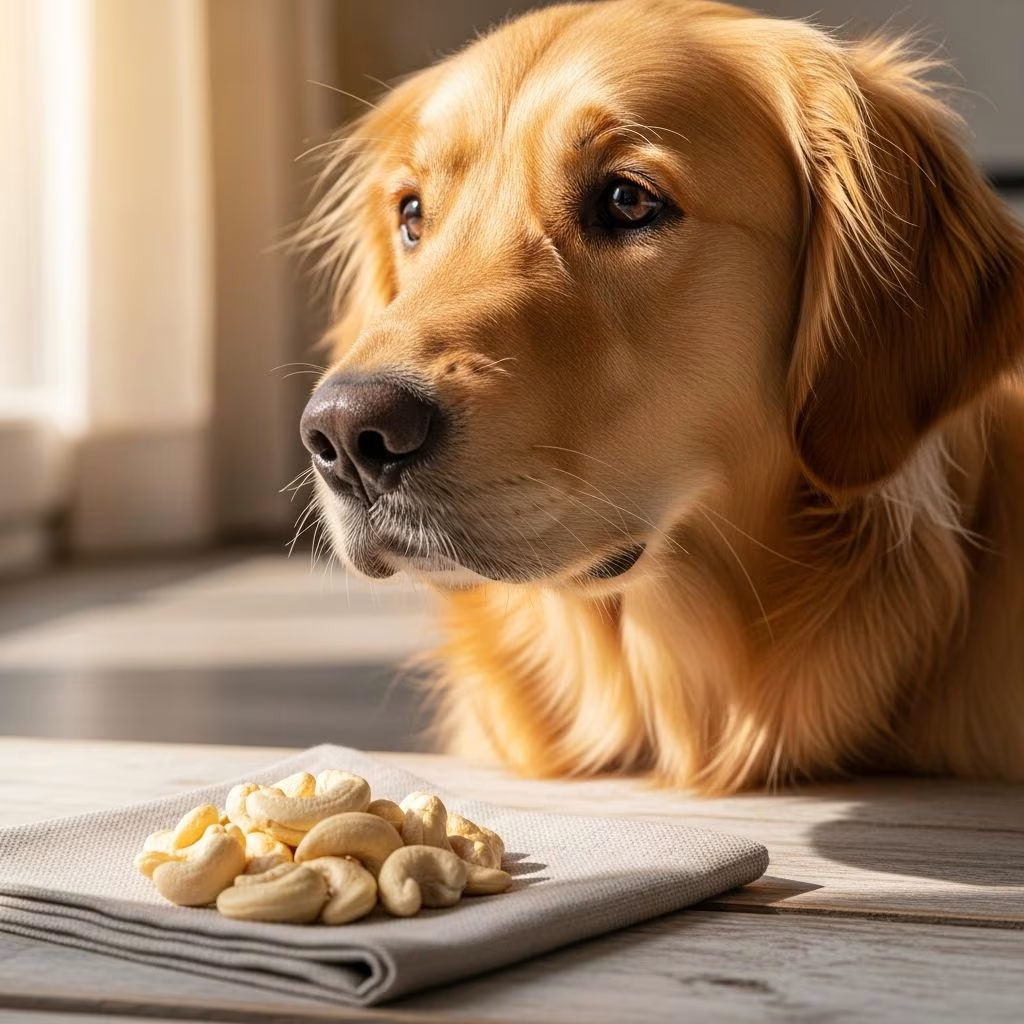
Can Dogs Eat Cashews? A Complete Guide for Pet Owners
As a dog owner, you want to provide your furry companion with the best nutrition and occasional treats. When you’re snacking on cashews, it’s natural to wonder whether it’s safe to share them with your four-legged friend. The good news is that cashews are generally safe for dogs to eat in moderation, making them a viable occasional treat option. However, there are several important guidelines you should follow to ensure your dog’s safety and well-being.
Are Cashews Safe for Dogs?
Yes, cashews are safe for dogs, unlike some other nuts such as macadamia nuts, which are toxic to canines. However, safety depends heavily on how the cashews are prepared and served. Plain, unsalted, and unflavored cashews are the only appropriate option for your dog. Dogs have different digestive systems than humans, and what may be harmless for us can cause serious health complications for them.
When introducing cashews to your dog for the first time, start with a small amount and monitor your pet carefully for any signs of discomfort, allergic reactions, or digestive issues. This precautionary approach helps you identify potential sensitivities before they become problematic.
Types of Cashews to Avoid
Not all cashews are appropriate for canine consumption. Understanding which varieties to avoid is crucial for protecting your dog’s health.
Honey-Roasted Cashews
Honey-roasted cashews should never be given to dogs. These flavored nuts contain added seasonings, sugar, and salt that can cause serious health problems. The high sugar content increases the risk of obesity, dental problems, and even diabetes in dogs. The added salt and flavorings can trigger stomach upset and other digestive complications.
Salted Cashews
Salted cashews pose significant health risks due to their high sodium content. Excessive salt consumption in dogs can lead to:
- Excessive thirst and dehydration
- Sodium ion poisoning, a serious condition that requires immediate veterinary attention
- Vomiting and diarrhea
- Muscle tremors and seizure-like activity
- In severe cases, death
While a few accidentally consumed salted cashews may not cause immediate harm, you should monitor your dog closely for warning signs of sodium ion poisoning, including weakness and muscle tremors. If any symptoms appear, contact your veterinarian immediately.
Other Flavored and Processed Cashews
Avoid any cashews that are roasted in oil, covered in chocolate, or contain xylitol (an artificial sweetener). Chocolate is toxic to dogs and can cause serious illness, while xylitol can lead to rapid insulin release and potentially fatal hypoglycemia.
Unshelled Cashews
Never give your dog unshelled cashews. Cashew shells contain a toxin called anacardic acid, which can cause gastroenteritis and skin irritation in dogs. Always ensure cashews are properly shelled before offering them to your pet.
Nutritional Benefits of Cashews for Dogs
When served appropriately, cashews offer several nutritional advantages for your dog. These benefits are best realized when cashews are given as occasional treats rather than dietary staples.
Support Bone Health
Cashews are an excellent source of magnesium, a mineral essential for maintaining healthy bones in dogs. Magnesium facilitates calcium absorption and promotes strong bone development, reducing the risk of bone-related diseases and conditions. This benefit is particularly valuable for aging dogs or breeds prone to joint problems.
Promote Heart Health
These nuts contain heart-healthy fats, including omega-6 and omega-3 fatty acids, which help control inflammation throughout the body. These fatty acids also contribute to a shiny, soft coat and support overall cardiovascular function in dogs.
Reduce Oxidative Stress
Cashews are rich in antioxidants, particularly vitamin E, which reduce oxidative stress and support normal body functions. Antioxidants play an important role in maintaining cellular health and may support immune system function.
Aid Digestion
Cashews contain dietary fiber, which is essential for maintaining good digestive health. Depending on their regular diet, many dogs may not receive adequate fiber intake. Fiber helps regulate bowel movements, prevent constipation, and promote a healthy gut microbiome.
Health Risks and Considerations
Despite their nutritional benefits, cashews present several potential health risks that responsible pet owners must understand and manage.
High Fat Content and Pancreatitis
The primary concern with cashews is their high fat content. Cashews are calorie-dense, meaning even small portions contain significant calories and fat. High-fat foods can trigger pancreatitis, a potentially life-threatening inflammatory condition requiring immediate veterinary treatment.
Dogs with pre-existing conditions such as pancreatitis, hyperlipidemia, or recurrent gastroenteritis should absolutely avoid cashews. Additionally, overweight, obese, or dieting dogs should not receive cashews as they can undermine weight management efforts and trigger existing health conditions.
Weight Gain and Obesity
Regular cashew consumption can quickly increase your dog’s calorie and fat intake, contributing to unhealthy weight gain. Obesity in dogs is associated with numerous health complications, including diabetes, joint problems, and reduced lifespan. Even healthy dogs can develop weight issues if cashews are fed too frequently or in excessive quantities.
Choking Hazard
Cashews can pose a choking risk, especially for small dog breeds with smaller mouths and throats. Always supervise your dog when offering any nut-based treat, and consider breaking cashews into smaller pieces for tiny breeds.
Allergic Reactions
While rare, some dogs may develop allergies to cashews. Symptoms of cashew allergies include itching, swelling, and digestive upset. If you observe any allergic reaction symptoms after introducing cashews, discontinue feeding them immediately and consult your veterinarian.
Safe Preparation and Serving Guidelines
If you decide to offer your dog cashews, follow these essential guidelines to ensure their safety:
- Choose plain, unsalted cashews – preferably organic varieties to minimize pesticide and herbicide exposure
- Start small – begin with just one or two cashews and observe your dog for any adverse reactions
- Monitor for discomfort – watch for signs of digestive upset, allergic reactions, or other health issues
- Limit frequency – treat cashews as occasional snacks, not regular dietary components
- Practice portion control – a few cashews per week is appropriate for most dogs
- Ensure proper shelling – always remove shells completely before serving
- Avoid mixing with other foods – don’t combine cashews with other high-fat foods or treats
Cashew Butter and Cashew Milk for Dogs
Dogs can safely consume cashew butter and cashew milk in moderation, provided they contain no added salt, oils, or sweeteners like xylitol. When offering cashew butter, limit servings to 1-2 tablespoons daily due to the high fat and calorie content. Cashew milk can be offered occasionally but should never replace water as your dog’s primary beverage.
Always read ingredient labels carefully, as many commercial cashew products contain added ingredients unsuitable for dogs. Natural, unsweetened varieties are the safest option.
Cashews Compared to Other Nuts
While cashews are safe for dogs, many other nuts are not. Macadamia nuts, for example, are highly toxic to dogs and can cause serious illness. This is particularly important if your dog has access to mixed nut containers or variety packs, which often contain dangerous nuts alongside safer options. Always verify the contents before allowing your dog near any nut products.
When to Consult Your Veterinarian
Before introducing cashews or any new treat to your dog’s diet, consult with your veterinarian, particularly if your dog has:
- A history of pancreatitis or digestive issues
- Existing weight management challenges
- Heart disease or hypertension
- Food allergies or sensitivities
- Diabetes or other metabolic conditions
Your veterinarian can provide personalized guidance based on your dog’s individual health status, dietary needs, and risk factors.
Frequently Asked Questions
Q: How many cashews can I safely give my dog?
A: Most dogs can safely enjoy 2-5 plain, unsalted cashews as an occasional treat a few times per week, depending on their size and overall health. Smaller dogs should receive fewer cashews than larger breeds. Always prioritize moderation and monitor your individual dog’s response.
Q: Can cashews cause pancreatitis in dogs?
A: Yes, the high fat content in cashews can trigger pancreatitis, especially in dogs with a history of the condition or those prone to digestive issues. Dogs with pancreatitis should completely avoid cashews and other high-fat treats.
Q: Are raw cashews better than roasted ones for dogs?
A: Both raw and roasted cashews are safe for dogs, provided they contain no added salt, oil, or seasonings. The preparation method matters less than ensuring the cashews are plain and unsalted.
Q: What should I do if my dog eats salted cashews?
A: If your dog accidentally consumes a few salted cashews, monitor them closely for signs of salt toxicity, including weakness, muscle tremors, vomiting, and diarrhea. Provide plenty of fresh water and contact your veterinarian if any symptoms develop.
Q: Can puppies eat cashews?
A: Puppies can eat small amounts of plain cashews, but their digestive systems are still developing. Consult your veterinarian before introducing cashews to a young puppy, and start with very small quantities if approved.
Q: Is cashew butter a good treat option?
A: Yes, plain, unsweetened cashew butter can be a tasty occasional treat, but limit servings to 1-2 tablespoons daily due to the high fat content. Avoid brands with added salt, sugar, or xylitol.
Key Takeaways
Cashews are safe for dogs when prepared and served correctly. The key to safely sharing cashews with your pet involves following strict guidelines: choose only plain, unsalted varieties, avoid flavored or processed options, start with small quantities, monitor your dog’s response, and maintain strict portion control. Remember that cashews should be treated as occasional treats rather than dietary staples.
Every dog is unique, with individual dietary needs and potential health concerns. What works well for one dog may be problematic for another. By understanding the benefits and risks associated with cashews, following proper preparation guidelines, and consulting with your veterinarian, you can safely incorporate this nutritious nut into your dog’s treat rotation while maintaining their overall health and well-being.
References
- Can Dogs Eat Cashews? — American Kennel Club. 2025. https://www.akc.org/expert-advice/nutrition/can-dogs-eat-cashews/
- Can Dogs Eat Cashews? Here’s Everything You Need to Know — Pawlicy. 2024. https://www.pawlicy.com/blog/can-dogs-eat-cashews/
- Can Dogs Eat Cashews? — Four Leaf Rover. 2024. https://fourleafrover.com/blogs/natural-health/can-dogs-eat-cashews
- Can Dogs Eat Cashews? — Pumpkin Pet Insurance. 2024. https://www.pumpkin.care/post/can-dogs-eat-cashews



