

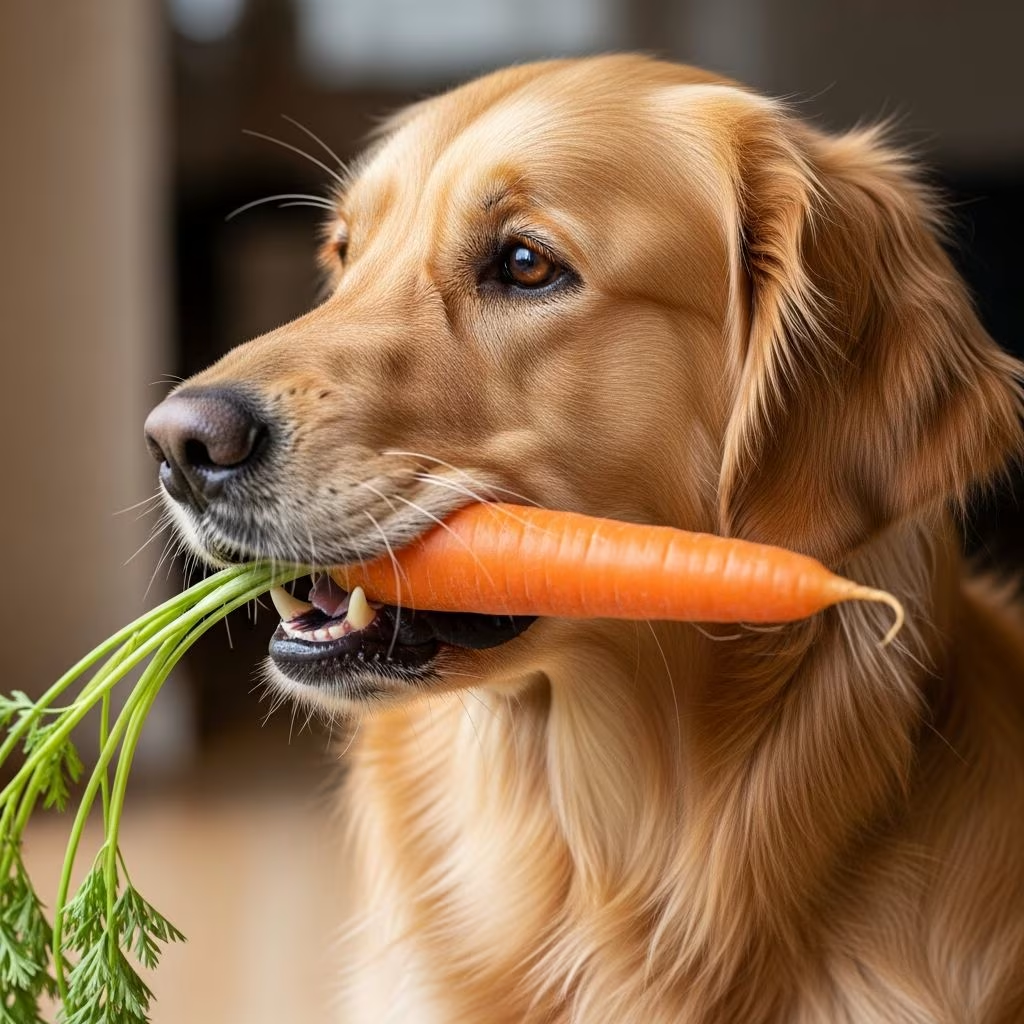
Carrots are a popular, crunchy vegetable that many dogs love. But are they safe and healthy for our canine companions? The short answer is yes—dogs can safely eat carrots when served plain, in moderation, and properly prepared. These low-calorie treats provide essential nutrients like vitamin A, fiber, and antioxidants, supporting eye health, digestion, and even dental hygiene.
However, like any human food shared with pets, carrots come with guidelines to prevent issues such as choking or digestive upset. This comprehensive guide covers everything you need to know about feeding carrots to dogs, from benefits and risks to preparation methods and portion sizes. Whether you’re looking for a healthy training treat or a way to satisfy your pup’s chewing instincts, carrots can be an excellent addition to their diet when done right.
Are Carrots Safe for Dogs?
Yes, carrots are safe for most dogs, including puppies, adults, and seniors. Both baby carrots and full-sized varieties are suitable, as long as they are plain and free from seasonings, glazes, onions, garlic, or other toxic additives. Veterinary experts confirm that carrots rank among the top dog-friendly vegetables due to their nutrient profile and low risk when fed appropriately.
Commercial dog foods and treats often include carrots for their natural sweetness and health perks, making them a staple in many balanced canine diets. Always introduce carrots gradually to monitor for any adverse reactions, especially in dogs with sensitive stomachs or pre-existing conditions like diabetes.
Health Benefits of Carrots for Dogs
Carrots pack a nutritional punch, offering benefits that go beyond a simple snack. Here’s why vets recommend them:
- Vitamin A for Eye Health: Carrots are rich in beta-carotene, which the body converts to vitamin A. This supports vision, particularly night vision, and may reduce the risk of age-related eye issues.
- Digestive Support from Fiber: Soluble and insoluble fiber in carrots promotes regular bowel movements, prevents constipation, and fosters a healthy gut microbiome.
- Low-Calorie Weight Management: With minimal calories and fat, carrots are ideal for overweight dogs or those on calorie-restricted diets, helping satisfy hunger without adding pounds.
- Dental Hygiene and Chewing Satisfaction: The crisp texture scrapes plaque and tartar from teeth, while fulfilling natural chewing urges that reduce boredom and destructive behavior.
- Antioxidants for Skin and Coat: Vitamins and minerals like potassium and antioxidants improve skin health, reduce inflammation, and promote a shiny coat.
Studies and pet nutritionists highlight carrots’ role in holistic health; for instance, their fiber content aids in toxin removal from the digestive tract. Regularly including small amounts can contribute to overall wellness without disrupting a balanced kibble or raw diet.
Potential Risks and Downsides
While beneficial, carrots aren’t risk-free. Moderation is crucial to avoid these common issues:
- Digestive Upset: Excess fiber can cause gas, bloating, diarrhea, or loose stools, especially if introduced too quickly or in large quantities.
- Choking Hazard: Whole or large raw carrots pose a serious risk for small breeds, puppies, or fast eaters, potentially leading to blockages.
- Natural Sugars: Carrots contain sugars that, in excess, may affect diabetic dogs or contribute to weight gain.
- Oxalates and Bladder Stones: High oxalate levels could exacerbate urinary issues in predisposed dogs.
- Nutritional Imbalance: Treats like carrots should never exceed 10% of daily calories to prevent deficiencies from displacing complete nutrition.
Signs of overfeeding include decreased appetite, vomiting, or changes in stool. If your dog shows symptoms, withhold carrots and consult a vet. Dogs with allergies, pancreatitis, or obesity need tailored advice.
How to Prepare and Serve Carrots to Dogs
Preparation maximizes safety and benefits. Follow these steps:
- Wash Thoroughly: Rinse under running water to remove dirt and pesticides. Peeling is optional but recommended for organic carrots.
- Cut into Bite-Sized Pieces: Chop lengthwise into thin sticks or small chunks (1/2-inch for small dogs, 1-inch for large). Avoid rounds that can form blockages.
- Choose Raw or Cooked: Raw offers crunch and dental benefits; cooked (steamed/boiled) is softer, easier to digest, and releases more nutrients.
- Keep Plain: No butter, salt, sugar, or spices—these add toxins or excess calories.
- Supervise Eating: Watch to prevent gulping, especially with puppies.
Portion Guide: Base on your dog’s size and daily caloric needs (treats ≤10%).
| Dog Size | Daily Calories (Example) | Max Carrot Calories (10%) | Serving Size (per day) |
|---|---|---|---|
| Small (<20 lbs) | 400 | 40 | 1-2 baby carrots or 1/4 cup chopped |
| Medium (20-50 lbs) | 800 | 80 | 1/2-1 full carrot |
| Large (>50 lbs) | 1200+ | 120+ | 1-2 full carrots |
~4 calories per baby carrot; adjust for activity level.
Can Dogs Eat Cooked Carrots?
Absolutely—steaming or boiling enhances digestibility and beta-carotene absorption. Avoid frying or adding fats.
Can Dogs Eat Raw Carrots?
Yes, raw carrots provide maximum crunch for teeth cleaning. Ensure small pieces.
Can Dogs Eat Frozen Carrots?
Not recommended—hard frozen pieces risk tooth damage or choking. Thaw first if using.
Can Dogs Eat Baby Carrots?
Safe and convenient, but still cut for tiny breeds.
Carrots with Other Foods
- Peas and Carrots: Yes, both nutritious and complementary.
- Carrot Cake: No—high sugar/fat and potential toxins like xylitol or nutmeg cause pancreatitis.
- In Dog Food: Common in fresh recipes for natural nutrition.
FAQs
Are carrots good for puppies?
Yes, in small amounts after weaning. They aid teething and provide nutrients, but cut tiny to avoid choking.
How many carrots can I give my dog daily?
Limit to 10% of calories: 1-2 baby carrots for small dogs, up to 2 full for large.
Do carrots help dogs lose weight?
Yes, their low calories make them great for filling snacks during weight loss.
Can carrots cause orange poop?
Yes, beta-carotene can tint stools harmlessly.
Are carrots better raw or cooked for dogs?
Both work; cooked for digestion, raw for dental health.
References
- Can Dogs Eat Carrots? — Chewy. 2023. https://www.chewy.com/education/dog/food-and-nutrition/can-dogs-eat-carrots
- Are Carrots Good for Dogs? — Earthborn Holistic Pet Food. 2024. https://www.earthbornholisticpetfood.com/blog/pet-nutrition/are-carrots-good-for-dogs/
- Can Dogs Eat Carrots? Benefits, Risks, and Feeding Tips — PetMD. 2024-01-15. https://www.petmd.com/dog/nutrition/can-dogs-eat-carrots
- Are Carrots Good for Dogs? — Darwin’s Natural Pet Products. 2023. https://www.darwinspet.com/blogs/transitioning/are-carrots-good-for-dogs
- Can Dogs Eat Carrots? Health Benefits & Serving Size — Spot & Tango. 2024. https://www.spotandtango.com/blog/can-dogs-eat-carrots
- Can My Dog Eat Carrots? — Taste of the Wild Pet Food. 2023. https://www.tasteofthewildpetfood.com/articles/can-my-dog-eat-that/carrots/



