Can Dogs Eat Carrots? Safety, Benefits & Serving Guide
Discover if carrots are safe for dogs and learn how this nutritious vegetable supports canine health.
Can Dogs Eat Carrots?
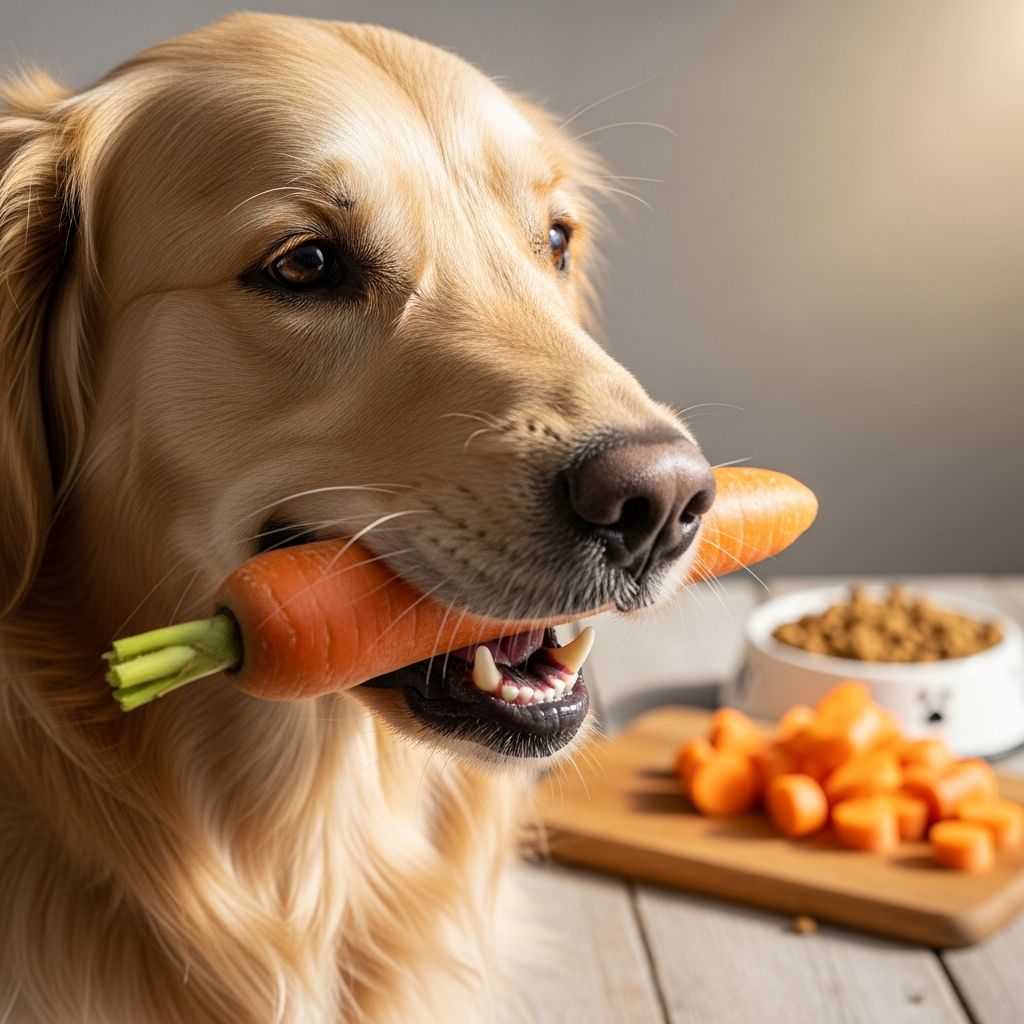
Yes, dogs can safely eat carrots—both raw and cooked—as long as they’re served plain and in moderation. Carrots are one of the most nutritious and safest vegetables you can offer your canine companion. Whether you’re looking for a healthy treat alternative or a way to add nutrients to your dog’s diet, carrots make an excellent choice. Unlike many commercial dog treats filled with artificial additives and empty calories, carrots provide genuine nutritional value without the guilt.
The key to safely feeding carrots to your dog is understanding proper serving sizes and preparation methods. Most veterinarians recommend that all treats, including carrots, should comprise no more than 10% of your dog’s daily caloric intake. This ensures your dog maintains a balanced diet while still enjoying the benefits of this crunchy vegetable.
Are Carrots Good for Dogs?
Absolutely. Carrots offer numerous health benefits that make them an ideal addition to your dog’s diet. From supporting digestive health to promoting eye function, carrots are packed with essential nutrients that contribute to your dog’s overall well-being. Let’s explore the key reasons why veterinarians often recommend carrots as a healthy treat option for dogs of all sizes and ages.
Key Health Benefits of Carrots for Dogs
Understanding the specific benefits of carrots helps pet owners make informed decisions about their dog’s nutrition. Each benefit works together to support comprehensive canine health.
They’re Rich in Beta-Carotene
Carrots are exceptionally high in beta-carotene, a powerful antioxidant that the body converts into vitamin A. This nutrient plays a crucial role in maintaining your dog’s health in several ways. Beta-carotene supports eye health and vision, helping your dog see clearly throughout their life. It also boosts immune function, allowing your dog’s body to better fight off infections and illnesses. Additionally, beta-carotene maintains healthy skin and coat, contributing to that glossy appearance pet owners love to see in their companions.
The antioxidant properties of beta-carotene help combat oxidative stress in your dog’s body, which is particularly beneficial for senior dogs or those facing age-related health issues. This makes carrots an especially valuable addition to the diet of aging dogs.
They’re a Good Source of Fiber
Carrots contain both soluble and insoluble fiber, making them excellent for digestive health. The soluble fiber in carrots helps manage blood cholesterol levels and supports heart health, while insoluble fiber plays a vital role in removing toxins from the colon and keeping bowel movements regular. This dual-fiber benefit makes carrots particularly helpful for dogs experiencing occasional constipation or those with sensitive stomachs.
Fiber also contributes to satiety, helping dogs feel fuller for longer. This property is especially valuable for dogs on weight management plans, as they can enjoy a satisfying treat without excess calories. The fiber content supports a healthy gut microbiome, which is essential for overall digestive wellness and nutrient absorption.
They’re Low in Calories
One of the most attractive features of carrots as a dog treat is their minimal calorie content. Carrots are mostly water and fiber, containing only about 25 calories per half cup of baby carrots, making them virtually guilt-free treats. Because they’re so low in calories, carrots are perfect for dogs who need to maintain or lose weight. Dogs can enjoy a satisfying crunch and natural sweetness without the caloric load of traditional dog biscuits or commercial treats.
This low-calorie characteristic makes carrots an excellent alternative for overweight dogs or those on strict weight management plans. Pet owners can feel confident offering carrots frequently without worrying about contributing to weight gain or exceeding daily caloric limits.
They May Support Dental Health
Eating raw carrots may help reduce plaque buildup and improve dental health in dogs. The mechanical action of chewing on a firm, crunchy carrot naturally cleanses the teeth and gums. Large frozen carrots can even serve as edible chew toys, providing both entertainment and dental benefits for your dog. Some veterinarians even recommend cold or frozen carrots for teething puppies as a way to relieve discomfort while supporting emerging teeth development.
The abrasive texture of raw carrots works similarly to brushing, gently removing debris and plaque from tooth surfaces. This natural dental cleaning action contributes to better oral hygiene and fresher breath, reducing the need for professional dental cleanings.
Additional Vitamins and Minerals
Beyond beta-carotene and fiber, carrots contain an impressive array of essential vitamins and minerals that support various aspects of canine health. Each nutrient plays a specific role in maintaining your dog’s optimal health and vitality.
| Nutrient | Health Benefit |
|---|---|
| Vitamin A | Supports vision, immune function, and skin health |
| Vitamin K | Plays a vital role in blood clotting and wound healing |
| Potassium | Helps with muscle function and maintains proper hydration |
| Calcium | Supports bone strength and dental health |
| Vitamin C | Boosts immune function and acts as an antioxidant |
| Magnesium | Supports muscle and nerve function |
The comprehensive nutrient profile of carrots makes them far more than just a low-calorie snack. With each carrot, your dog receives a boost of potassium, calcium, magnesium, phosphorus, and vitamins A, B, C, D, E, and K. This vegetable is also full of phytonutrients that can protect your dog’s eyes from sun damage.
How to Serve Carrots to Your Dog
While carrots are generally safe for dogs, proper preparation and serving methods ensure maximum nutritional benefits and safety. There are several ways to incorporate carrots into your dog’s diet.
Raw Carrots
Raw carrots offer the most textural benefit for dental health due to their firm, crunchy nature. When serving raw carrots, wash them thoroughly and cut them into appropriately sized pieces for your dog to prevent choking hazards. For large dogs, whole baby carrots or cut pieces work well, while small dogs should receive smaller pieces or shredded carrots.
Cooked Carrots
Cooking carrots can actually enhance their nutritional availability. While raw carrots have a cellulose wall that isn’t fully digestible by dogs, cooking breaks down this barrier, allowing your dog to absorb more of the valuable nutrients like beta-carotene. Simply boil or steam carrots until tender, then cool completely before serving. Cooked carrots are also safer for dogs with dental issues or senior dogs who may have difficulty chewing.
Frozen Carrots
Frozen carrots serve a dual purpose as both a nutritious treat and a natural teething toy for puppies. They can help relieve sore gums during the teething process while providing mental stimulation. Frozen carrots are also excellent for dogs who need dental cleaning benefits.
Mixed into Meals
Many high-quality dog food brands incorporate carrots as part of balanced, vet-approved recipes. You can also mix finely chopped or shredded carrots into your dog’s regular meals to add nutritional value and variety without significantly altering their diet.
Proper Serving Size Guidelines
The most important rule when feeding carrots to dogs is moderation. Treats, including carrots, should make up no more than 10% of your dog’s daily calorie allowance. The specific amount depends on your dog’s size, age, and individual dietary needs.
For most dogs:
- Small dogs: One or two baby carrots or small pieces daily
- Medium dogs: A few carrot pieces or half a medium carrot daily
- Large dogs: A whole medium carrot or several pieces daily
Always consider carrots as part of your dog’s total daily treat intake. If you’re providing other treats or training rewards, reduce carrot portions accordingly to maintain the 10% rule.
When to Consult Your Veterinarian
Before adding carrots or any new food to your dog’s diet, it’s always wise to consult with your veterinarian. This is especially important if your dog has existing health conditions, digestive sensitivities, or if they’re on a special diet. Your vet can provide personalized recommendations based on your dog’s specific health needs and dietary requirements.
If your dog experiences any adverse reactions after eating carrots—such as digestive upset, allergic reactions, or changes in behavior—contact your veterinarian promptly. While carrots are generally well-tolerated, every dog is unique.
Potential Concerns and Precautions
Although carrots are safe and healthy for most dogs, there are a few considerations to keep in mind:
- Choking hazard: Always cut carrots into appropriately sized pieces for your dog’s size to prevent choking
- Digestive upset: Too many carrots may cause loose stools or digestive upset, so moderation is essential
- Sugar content: While carrots are naturally low in sugar, they do contain some natural sugars; diabetic dogs should have limited portions
- Preparation: Always serve plain carrots without seasoning, salt, or added oils
Frequently Asked Questions About Dogs and Carrots
Q: Can puppies eat carrots?
A: Yes, puppies can eat carrots. In fact, frozen or cold carrots can help relieve teething discomfort. Start with small pieces and ensure they’re cut to prevent choking hazards appropriate for your puppy’s size.
Q: Can dogs with sensitive stomachs eat carrots?
A: Most dogs with sensitive stomachs tolerate carrots well. The fiber content may even help with digestive issues. However, introduce carrots gradually and in small amounts, and consult your veterinarian first.
Q: Are carrot tops safe for dogs?
A: Yes, every part of the carrot plant, from the carrot itself to the leafy green tops, is safe for dogs to eat. Carrot tops contain similar nutrients and can be served chopped into small pieces.
Q: Can dogs eat carrots every day?
A: Yes, dogs can eat carrots daily, as long as you maintain the 10% daily treat rule and the portions remain appropriate for your dog’s size and caloric needs.
Q: Should I serve carrots raw or cooked?
A: Both raw and cooked carrots are safe and beneficial. Raw carrots offer better dental benefits, while cooked carrots may be easier for senior dogs and allow better nutrient absorption due to the breakdown of the cellulose wall.
Q: Can carrots help with my dog’s weight management?
A: Absolutely. Carrots are low in calories and fat while being high in fiber, making them an excellent choice for dogs needing weight management. They provide natural sweetness and help dogs feel full without excess calories.
Q: Are there any dogs that shouldn’t eat carrots?
A: Most dogs can safely eat carrots. However, dogs with certain medical conditions, diabetes, or those on restricted diets should have portions approved by their veterinarian beforehand.
Conclusion
Carrots are a safe, nutritious, and delicious treat option for most dogs. With their impressive array of vitamins, minerals, fiber, and antioxidants, carrots support eye health, digestive function, dental health, and overall well-being. Their low-calorie content makes them an ideal choice for dogs requiring weight management, and their natural sweetness appeals to most canine palates.
By following proper serving guidelines—keeping treats to no more than 10% of daily calories and cutting carrots into appropriate sizes—you can confidently incorporate this healthy vegetable into your dog’s diet. Whether served raw, cooked, or frozen, carrots provide genuine nutritional benefits that support your dog’s long-term health and happiness. Always consult with your veterinarian before introducing new foods, and enjoy watching your dog savor this wholesome treat.
References
- Can Dogs Eat Carrots? Health Benefits & Serving Size — Spot & Tango. 2024. https://www.spotandtango.com/blog/can-dogs-eat-carrots
- Can Dogs Eat Carrots? — American Kennel Club. 2024. https://www.akc.org/expert-advice/nutrition/can-dogs-eat-carrots/
- Can Dogs Eat Carrots? A Guide to Safety — Purina US. 2024. https://www.purina.com/articles/dog/feeding/can-dogs-eat/carrots
- Are Carrots Good for Dogs? — Darwin’s Natural Pet Products. 2024. https://www.darwinspet.com/blogs/transitioning/are-carrots-good-for-dogs
- Can Dogs Eat Carrots? | Vetnique — Vetnique. 2024. https://vetnique.com/blogs/vets-corner/can-dogs-eat-carrots-vetnique
- Can My Dog Eat Carrots? — Taste of the Wild Pet Food. 2024. https://www.tasteofthewildpetfood.com/articles/can-my-dog-eat-that/carrots/
Similar Articles






Read full bio of medha deb