

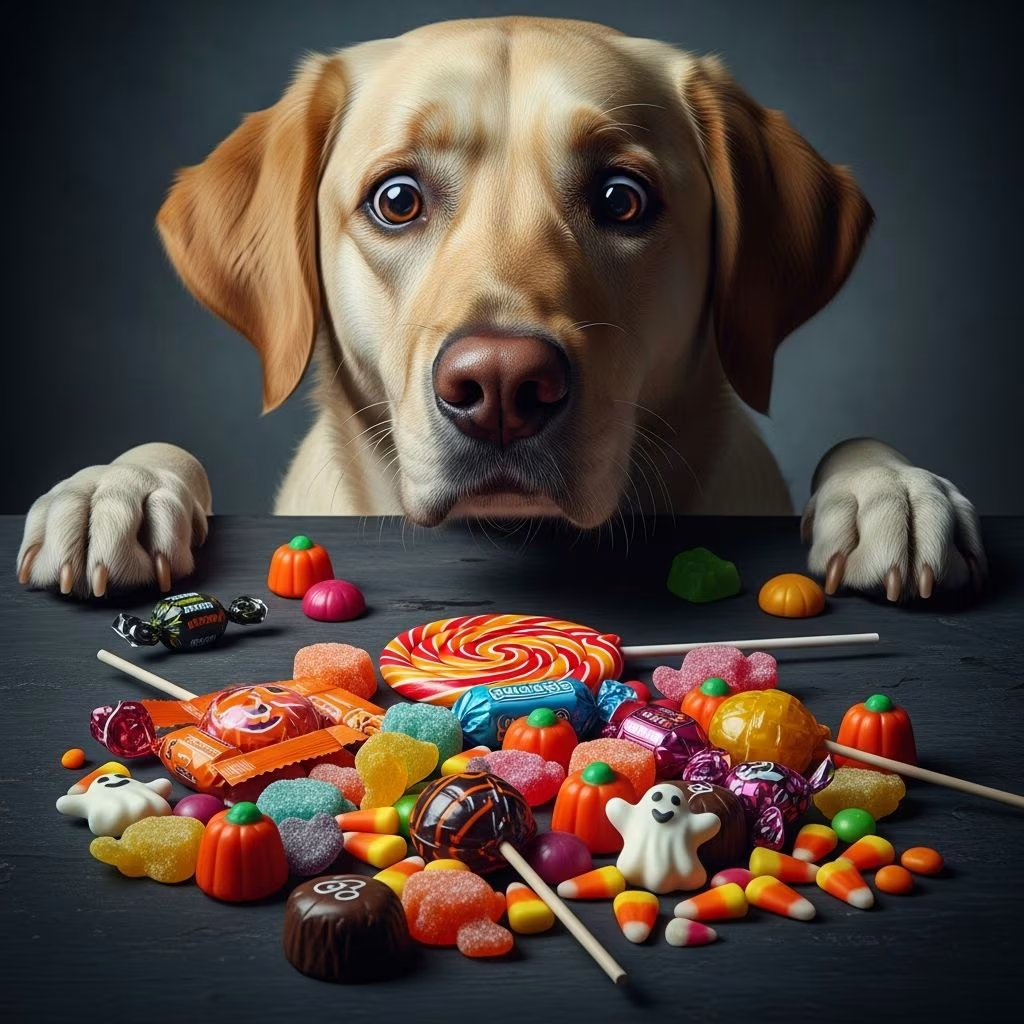
Can Dogs Eat Candy? 9 Dangerous Halloween Treats
As Halloween approaches and candy bowls fill the household, pet owners must recognize that dogs cannot eat candy or other Halloween treats. These seemingly harmless sweets pose serious risks to our canine companions, including gastrointestinal upset, choking hazards, intestinal blockages, and potential poisoning. While your dog may eagerly beg for treats from your trick-or-treat bag, it’s crucial to keep all candy safely out of reach and understand the specific dangers each type presents.
Why Candy is Dangerous for Dogs
Candy presents multiple health hazards for dogs that go far beyond simple sugar consumption. The risks vary depending on the type of candy, the amount ingested, and your individual dog’s size and health status. Understanding these dangers helps pet owners make informed decisions about keeping their pets safe during candy season and year-round.
Primary Health Risks
The main concerns when dogs consume candy include:
– Gastrointestinal upset: High sugar content can cause vomiting, diarrhea, and abdominal discomfort- Choking hazards: Dogs may swallow candy whole without proper chewing, especially hard candies and gummy treats- Intestinal blockages: Candy wrappers and large pieces can become lodged in the digestive tract, potentially requiring emergency surgery- Xylitol poisoning: This artificial sweetener causes rapid insulin release and dangerous blood sugar drops- Toxic ingredients: Chocolate, certain nuts, and other additives can cause severe health complications
Specific Candy Types and Their Dangers
1. Chocolate Candy
Chocolate ranks among the most dangerous candies for dogs. It contains methylxanthines, including caffeine and theobromine, which dogs process much more slowly than humans do. These compounds stimulate the nervous and cardiovascular systems, potentially causing seizures, hyperactivity, muscle tremors, heart arrhythmias, vomiting, dehydration, excessive panting, and in severe cases, death.
The toxicity level depends on three factors: the amount consumed, your dog’s weight, and the type of chocolate. Dark chocolate and baker’s chocolate contain the highest cocoa content and pose the greatest risk, while white chocolate is less toxic due to minimal cocoa content. Even small amounts of high-cocoa chocolate can make a dog very ill.
2. Licorice Candy
Whether your dog loves black licorice, Red Vines®, or Twizzlers®, licorice of any kind should be avoided. In the United States, black licorice candy typically does not contain licorice root extract; however, when it does, the toxic component is glycyrrhizin. This compound can lead to increased blood pressure and electrolyte imbalances in dogs, potentially resulting in serious health issues.
If a dog consumes large amounts of black licorice candy, they may experience muscle weakness, vomiting, diarrhea, and heart problems in severe cases. Contact your veterinarian if you suspect your dog has eaten black licorice candy.
3. Hard Candies
Popular Halloween favorites like butterscotch, caramel, Life Savers®, and Jolly Rancher® candies pose multiple dangers to dogs. The primary risks include digestive upset from high sugar content, potential poisoning if the candy is sugar-free and contains xylitol, and choking hazards or blockages, especially in small dogs.
If your dog swallows a large piece of hard candy or multiple smaller pieces, they may need immediate veterinary attention. Additionally, while dogs should avoid all candy, they must especially avoid sugar-free varieties containing xylitol. Since some, but not all, sugar-free candies contain this sugar substitute, always read the ingredients list carefully.
4. Candy Corn
Candy corn is a polarizing Halloween classic that dogs cannot safely consume. Regular candy corn is high in sugar and can cause gastrointestinal issues in dogs, including vomiting and diarrhea. Sugar-free varieties present an even greater concern, as they’re likely made with xylitol.
Ingesting even a small amount of xylitol can lead to rapid insulin release, causing a dangerous drop in blood sugar levels (hypoglycemia). If your dog has eaten candy corn, especially sugar-free varieties, seek immediate veterinary care.
5. Peppermint Candies and Candy Canes
Dogs shouldn’t eat peppermint candies or candy canes. While a small amount of peppermint candies isn’t likely to cause significant problems in dogs, concentrated peppermint oil has the potential to cause irritation and ulceration to the mouth. This concern doesn’t apply to peppermint candies since they’re not concentrated enough to cause the problems that would occur in humans either.
6. Gummy Bears and Gummy Candies
Gummy bears are not safe for dogs. The high sugar content can lead to obesity, dental problems, and diabetes. Dogs’ digestive systems are not designed to process large amounts of sugar, and consuming gummy candies can upset their stomachs and lead to more severe health problems over time.
Many gummy bear brands contain xylitol or other artificial sweeteners. Even small amounts of xylitol can cause rapid insulin release, leading to dangerous hypoglycemia. Symptoms of xylitol poisoning include vomiting, loss of coordination, seizures, and in severe cases, liver failure. The chewy texture also poses a choking hazard, as dogs often gulp treats without chewing properly.
7. Sugar-Free Candies
Sugar-free candies deserve special attention due to their xylitol content. Xylitol is an artificial sweetener commonly found in sugar-free gum, candy, and baked goods. When a dog is exposed to xylitol, it damages the dog’s liver, and clinical signs of poisoning can develop in as little as 30 minutes to an hour.
Ingestion causes a massive insulin release. The resulting blood-sugar drop can cause weakness, stumbling, collapse, and even seizures. After this stage, signs of liver disease develop. The risk of xylitol poisoning depends on a dog’s weight—smaller dogs need to eat less xylitol than larger dogs to experience toxic effects.
8. Hard Candies and Choking Hazards
Candy wrappers present their own serious dangers. Dogs may try to eat the wrapper along with the candy, causing choking or intestinal blockages as they attempt to digest it. Large quantities of hard candies can clump up in a dog’s stomach and cause a risk of stomach obstruction. Foil or cellophane wrappers have the potential to result in gastrointestinal irritation.
9. Candies with Nuts or Grapes
Pay attention to candies containing real fruit ingredients, as grapes and grape juice can both be toxic to dogs. Additionally, certain nuts commonly found in candy, such as macadamia nuts, are harmful to dogs and can cause weakness, vomiting, tremors, and hyperthermia.
Signs Your Dog Ate Candy
If you suspect your dog has eaten candy, watch for these warning signs:
– Vomiting- Loss of appetite- Lethargy- Abdominal pain- Diarrhea (if there is a partial blockage)- Constipation or straining to poop (if there’s a complete blockage)- Weakness or stumbling (especially with xylitol poisoning)- Seizures (severe cases)
Contact your veterinarian if you notice any of these signs or signs of distress. It’s still a good idea to consult with your vet for advice on how to proceed, even if your dog doesn’t show immediate signs of illness.
What to Do If Your Dog Eats Candy
If your dog eats candy, take the following steps:
1. Identify the candy type: Determine exactly what your dog ate and check the ingredients list if possible.2. Call your veterinarian immediately: Don’t wait to see if symptoms develop, especially if the candy contains xylitol or chocolate.3. Provide information: Tell your vet your dog’s weight, the type and amount of candy consumed, and any ingredients you know about.4. Monitor closely: Watch for signs of distress or illness in the hours following ingestion.5. Seek emergency care: If you cannot reach your regular vet or symptoms develop, visit an emergency veterinary clinic.
For xylitol poisoning specifically, call your vet or emergency vet immediately if you believe your dog consumed this ingredient. Time is critical with xylitol toxicity.
Prevention Tips for Pet Owners
The best approach is preventing candy access in the first place:
– Store all candy in sealed containers on high shelves or in closed cabinets- Educate family members and guests about the dangers of sharing candy with dogs- Dispose of candy wrappers securely where dogs cannot access them- Keep trick-or-treat bags away from curious dogs- Consider candy-free decorations and treats for your home- Provide dog-safe alternative treats during Halloween and holidays- Never leave candy unattended where dogs can access it
Frequently Asked Questions
Q: Can dogs eat any type of candy?
A: No, dogs should not eat any type of candy. All candy poses health risks to dogs due to high sugar content, toxic ingredients, or potential choking hazards.
Q: How quickly does xylitol poison a dog?
A: Clinical signs of xylitol poisoning can develop in as little as 30 minutes to one hour after ingestion. This is why immediate veterinary attention is critical.
Q: Is chocolate dangerous for all dogs?
A: Yes, all chocolate is harmful to dogs, though the severity depends on the type of chocolate, amount consumed, and your dog’s size. Dark and baker’s chocolate are most dangerous.
Q: What should I do if my dog ate candy wrappers?
A: Contact your veterinarian immediately. Wrappers can become lodged in your dog’s throat or intestinal tract, potentially requiring surgery to remove them.
Q: Are sugar-free candies safer for dogs?
A: No, sugar-free candies may be more dangerous because they often contain xylitol, which is highly toxic to dogs in even small amounts.
Q: What candy substitutes are safe for dogs?
A: Safe alternatives include dog-specific treats, peanut butter (xylitol-free), carrots, apples (seeds removed), and commercially available dog treats designed for special occasions.
References
- Can Dogs Eat Candy? 9 Dangerous Halloween Treats — Chewy. https://www.chewy.com/education/dog/food-and-nutrition/can-dogs-eat-candy
- Can Dogs Eat Candy in Plymouth Meeting, PA? — The Village Vets. https://plymouth.thevillagevets.com/blog/can-dogs-eat-candy/
- What to Do if Your Dog Ate Candy — American Kennel Club (AKC). https://www.akc.org/expert-advice/health/dog-ate-candy-what-to-do/
- Pets & Your Halloween Candy Don’t Mix! Here’s Why — Critter Fixer Veterinary Hospital. https://critterfixerveterinaryhospital.com/pets-your-halloween-candy-dont-mix-heres-why/
- Can Dogs Eat Gummy Bears? Understanding the Risks and Safety Concerns — Bethel Pet Hospital. https://www.bethelpethospital.com/blog/can-dogs-eat-gummy-bears-understanding-the-risks-and-safety-concerns-bethel-pet-hospital



