

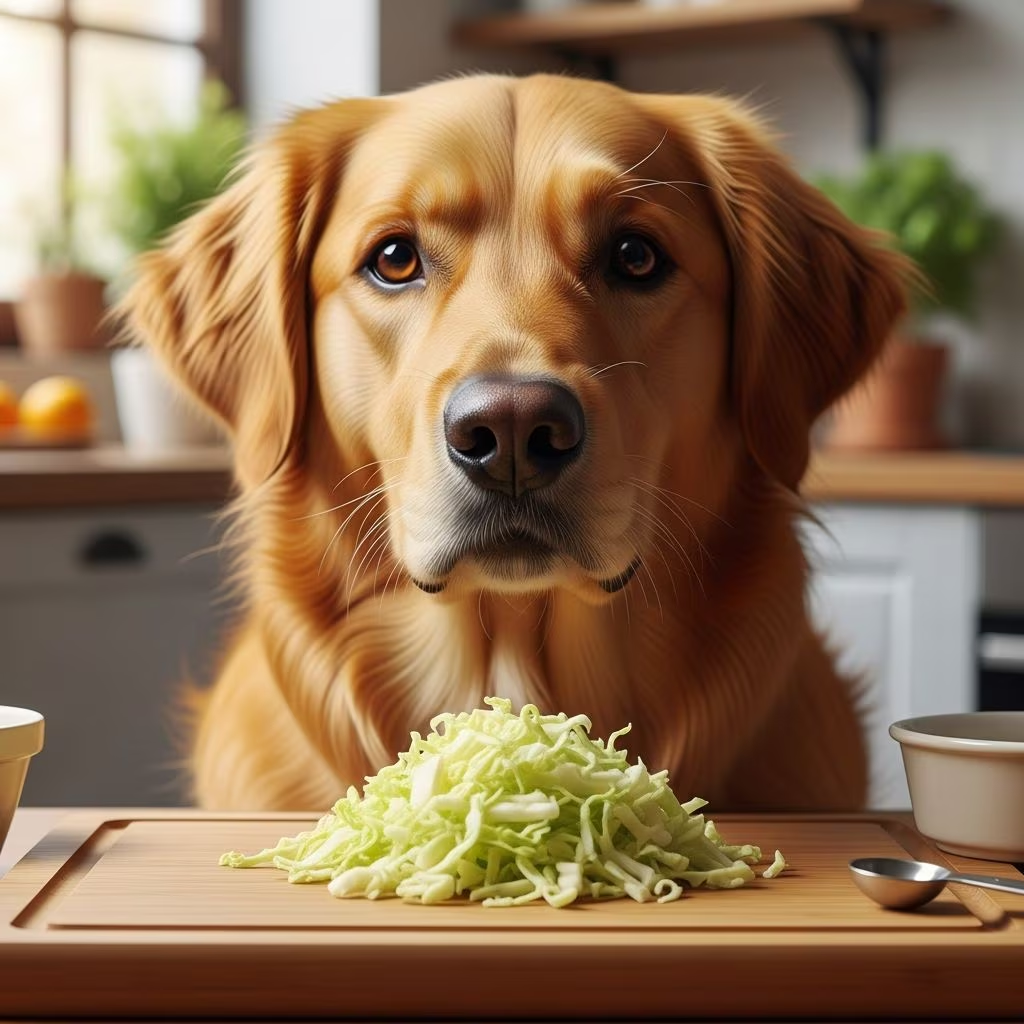
Can Dogs Eat Cabbage?
Dogs aren’t known for being especially picky eaters. For many dogs, if you’re serving it to them, they’re probably going to eat it! Of course, that doesn’t mean you should give them every scrap from your plate. But can dogs eat cabbage? It’s a vegetable, so it must be good for your dog’s health, right? The short answer is yes, dogs can eat cabbage—but there are some things you need to consider before giving your dog cabbage or any new food.
Is Cabbage Safe for Dogs?
Cabbage is indeed safe for dogs to consume when prepared and served correctly. Both red cabbage and green cabbage are safe for dogs to eat in limited quantities. Other varieties like Savoy, Napa cabbage, and bok choy are also considered safe options. However, safety depends on how the cabbage is prepared and the amount your dog consumes. Always consult with your veterinarian for the best guidance for your dog before offering any new food item.
Nutritional Benefits of Cabbage for Dogs
Cabbage offers several important nutritional benefits when incorporated into your dog’s diet appropriately:
Contains Fiber for Digestion
Cabbage has a high fiber content, so it can promote good digestion and regular bowel movements when consumed in its cooked form. Because of this, adding cooked cabbage to your dog’s diet may also help alleviate constipation. The fiber supports your dog’s digestive system and can help prevent or reduce both constipation and diarrhea when given in appropriate amounts.
Has a Lot of Nutrients
Cabbage is rich in numerous essential nutrients that contribute to your dog’s overall health and wellness. It contains vitamin A, vitamin C, vitamin K, potassium, and calcium. It also contains manganese and a small amount of magnesium, which can support healthy muscles, nerves, bones, and joints. These nutrients work together to support various bodily functions in your dog.
Great for Weight Management
Because cabbage has a low-calorie content—only 22 calories per cup—it can be a great treat option for overweight dogs. Even if your dog is at a healthy weight, you can use cabbage as a treat without worrying about adding a lot of excess calories to their day. This makes it an excellent choice for dogs on a weight management program.
Provides Antioxidants
Cabbage contains antioxidants, which boost your dog’s immune system and shield against oxidative stress and free radicals. Overall, antioxidants help to fortify and protect your dog’s health, supporting their immune function and potentially reducing the risk of various health conditions.
How to Safely Prepare Cabbage for Your Dog
Cook It First
It’s better to give your dog cooked cabbage than to serve it to them raw. The cooking process softens the cabbage, which makes it easier to digest. This reduces the likelihood that your dog will experience digestive problems and stomach upset that can happen with eating cabbage raw. That’s because the fiber in raw cabbage is tougher to digest and may lead to more significant gas issues, especially if your dog eats too much. So, your dog may have trouble getting it down or even turn their nose up at it.
Don’t Use Any Butter or Seasonings
If you decide to treat your dog to cabbage, keep in mind that they can’t eat it prepared the same way many humans like it best. Butter can cause pancreatitis in dogs, and some spices or seasonings are bad or even toxic (garlic and onion, for instance) to them. Your furry friend won’t miss the extra flavor that we humans might require in order to enjoy cabbage. You can, however, cook cabbage for your pooch in a healthy oil, like coconut oil—as long as your dog isn’t allergic to it or prone to pancreatitis.
Proper Preparation Steps
When preparing cabbage for your dog, follow these important steps:
- Thoroughly wash the cabbage to remove any pesticides or dirt
- Remove the tough parts of cabbage, like the stem and core
- Dice the cabbage into small pieces to prevent choking
- Cook by steaming or boiling without any seasonings, butter, or oils
- Allow the cabbage to cool completely before serving
- Store leftovers in an airtight container in the refrigerator
Portion Guidelines and Serving Sizes
Even with cooked cabbage, make sure to keep portions in check. Giving your dog too much cabbage can upset their digestive system and, if they really eat a lot, it can cause thyroid issues. As a general guideline, you should gradually introduce cabbage into your dog’s diet, starting with very small quantities. Specific portion sizes depend on your dog’s size and individual tolerance.
Recommended Serving Guidelines
The following serving guidelines are recommended based on your dog’s size:
- Smaller dog breeds: 1 teaspoon
- Larger dog breeds: A couple of tablespoons
As a rough guideline for medium-sized dogs, approximately 3 ounces of cabbage per day for a 50-pound dog is appropriate. After giving your dog some cooked cabbage leaves, keep a close eye on how they react. If they get digestive issues like gas or bloating, try decreasing the serving size. If your dog is especially sensitive and reactions continue or worsen, it’s best to forego the cabbage in favor of other nutrient-dense veggies that your dog doesn’t react to.
Risks of Feeding Cabbage to Dogs
While cabbage can be a healthy addition to your dog’s diet, there are some potential risks and concerns that dog parents should be aware of and cautious about.
Cabbage Can Cause GI Discomfort
Eating large amounts of cabbage can cause excessive gas, bloating, flatulence, and general gastrointestinal (GI) discomfort due to its high fiber content. This is more common with raw cabbage, but it’s something to keep in mind when feeding cooked cabbage as well. Cabbage produces a large amount of gas, and many dogs may not be able to handle excessive gas production, especially in breeds that have the potential to bloat. If you know that your dog tends to have a lot of gas or is prone to bloat, consult with your vet before feeding cabbage to your dog.
Cabbage Can Impact Thyroid Function
Cabbage also contains natural compounds that can have a negative impact on thyroid function if eaten in excess. These compounds break down into thiocyanate, which interferes with iodine absorption and can disrupt the functioning of the thyroid gland. This is more problematic for dogs with existing thyroid issues, like hypothyroidism, but it’s something to be aware of, even for healthy dogs. However, they would need to regularly consume a lot of cabbage for problems to develop. Dogs already diagnosed with hypothyroidism should avoid cabbage entirely or only consume it under veterinary guidance.
When to Avoid Cabbage
While cabbage can be safe for most dogs, there are specific situations where you should avoid feeding it to your dog:
- If your dog has a diagnosed thyroid condition or hypothyroidism
- If your dog has a sensitive digestive system or existing digestive issues
- If your dog is prone to bloat or has a breed predisposition to bloat
- If your dog has previously shown adverse reactions to cabbage or other cruciferous vegetables
- If your dog is on a specific diet prescribed by your veterinarian that excludes cruciferous vegetables
Alternative Vegetables for Dogs
If cabbage doesn’t seem like a good fit for your dog, or if your veterinarian recommends avoiding it, there are plenty of other dog-safe vegetables that produce less gas and offer similar nutritional benefits. Carrots are an excellent alternative, providing fiber, vitamins, and natural teeth-cleaning properties. Other safe options include green beans, sweet potatoes, pumpkin, peas, and cucumbers. Always introduce any new food gradually and monitor your dog for any adverse reactions.
Introduction Guidelines
When introducing cabbage or any new food to your dog’s diet, follow these important guidelines:
- Start with very small amounts to test for allergies or sensitivities
- Introduce slowly over the course of several days
- Monitor your dog closely for any signs of gastrointestinal trouble
- Watch for symptoms such as vomiting, diarrhea, constipation, or excessive gas
- If negative symptoms appear, stop feeding cabbage immediately and contact your vet
- Only continue if your dog tolerates it well
Frequently Asked Questions
Q: Can dogs eat raw cabbage?
A: Yes, dogs can eat raw cabbage, but cooked cabbage is generally better. Raw cabbage has a tougher fiber that’s harder to digest and may cause more significant gas issues. Cooking softens the cabbage and makes it easier for your dog to digest, reducing the likelihood of digestive upset.
Q: How much cabbage can a dog eat per day?
A: Portion sizes depend on your dog’s weight and tolerance. For smaller breeds, offer only 1 teaspoon, while larger breeds can have a couple of tablespoons. As a general guideline, approximately 3 ounces of cabbage per day is suitable for a 50-pound dog. Always start with smaller amounts and observe your dog’s reaction.
Q: What types of cabbage can dogs eat?
A: Both red cabbage and green cabbage are safe for dogs in limited quantities. Other varieties like Savoy, Napa cabbage, and bok choy are also considered safe options for dogs when prepared properly.
Q: Can cabbage cause bloating in dogs?
A: Yes, cabbage produces large amounts of gas and can cause bloating, especially if given in excessive amounts or to breeds prone to bloat. If your dog is prone to bloating, consult with your vet before feeding cabbage. Consider alternative vegetables that produce less gas.
Q: Is cabbage good for dogs with thyroid problems?
A: No, cabbage should be avoided for dogs with existing thyroid issues like hypothyroidism. Cabbage contains compounds that break down into thiocyanate, which can interfere with iodine absorption and disrupt thyroid function. Always consult your veterinarian before feeding cabbage to dogs with thyroid conditions.
Q: Can I give my dog cabbage with butter or seasonings?
A: No, butter and seasonings should never be added to cabbage for dogs. Butter can cause pancreatitis, while seasonings like garlic and onion are toxic to dogs. Prepare cabbage plain, either steamed or boiled, or cook it in a small amount of dog-safe oil like coconut oil.
Q: What should I do if my dog shows signs of digestive upset from cabbage?
A: If your dog experiences gas, bloating, diarrhea, or other digestive issues after eating cabbage, stop feeding it immediately and consult your veterinarian. You can try decreasing the portion size initially, but if problems persist, it’s best to switch to other nutrient-dense vegetables your dog tolerates better.
References
- Can Dogs Eat Cabbage? — American Kennel Club. Accessed 2025-11-28. https://www.akc.org/expert-advice/nutrition/can-dogs-eat-cabbage/
- Can Dogs Eat Cabbage? — Chewy. Accessed 2025-11-28. https://www.chewy.com/education/dog/food-and-nutrition/can-dogs-eat-cabbage
- Cabbage for Dogs — DogCancer.com. Accessed 2025-11-28. https://www.dogcancer.com/articles/diet-and-lifestyle/cabbage-for-dogs/
- What fruit and vegetables can dogs eat? — Blue Cross. Accessed 2025-11-28. https://www.bluecross.org.uk/advice/dog/can-dogs-eat-apples-grapes-potatoes-and-other-fruit-and-veg
- Can Dogs Have Cabbage? — Dogs Naturally Magazine. Accessed 2025-11-28. https://www.dogsnaturallymagazine.com/can-dogs-have-cabbage/



