

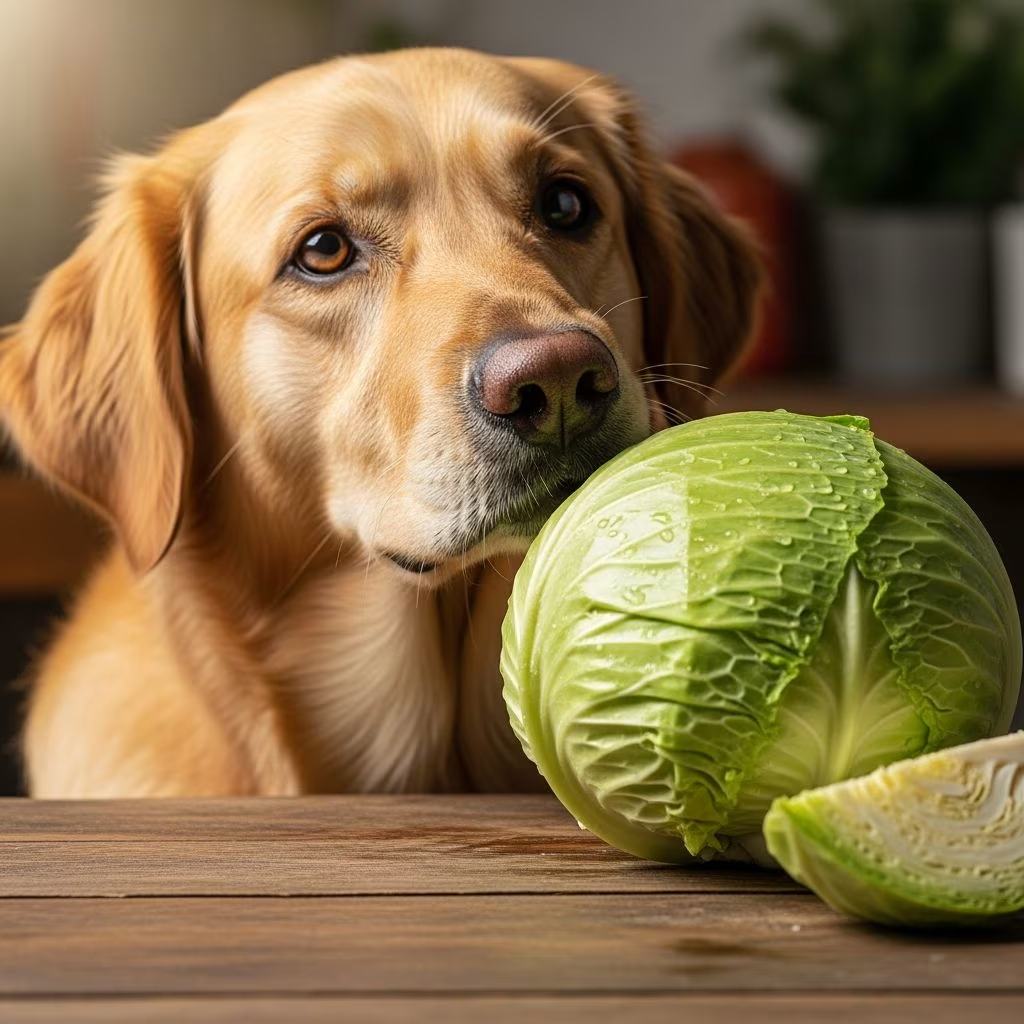
Cabbage is a versatile, nutrient-dense vegetable that many households enjoy, and good news for dog owners: yes, dogs can eat cabbage safely when offered in moderation and prepared correctly. This leafy green provides essential vitamins, fiber, and antioxidants that support overall canine health, but improper feeding can lead to digestive discomfort.
Nutritional Powerhouse: Why Cabbage Benefits Your Dog
Cabbage stands out as a low-calorie option rich in vital nutrients tailored to a dog’s needs. It delivers high levels of **vitamin C**, which combats inflammation and shields cells from free radical damage, potentially easing age-related cognitive decline. **Vitamin K** aids bone health and blood clotting, while **magnesium** supports muscle and nerve function alongside immune boosting.
The high **fiber** content promotes smooth digestion, helping prevent constipation or loose stools. **Beta-carotene**, a precursor to vitamin A, fosters eye health and may lower cancer risks. Antioxidants in cabbage further protect cells and reduce oxidative stress, making it a smart occasional addition to a balanced diet.
- Vitamin C: Reduces inflammation and supports immunity.
- Vitamin K: Essential for strong bones.
- Fiber: Aids digestion and gut regularity.
- Magnesium: Maintains nerve and muscle performance.
- Antioxidants: Fight free radicals for cellular protection.
Types of Cabbage Safe for Canines
Not all cabbage is created equal in appearance, but most varieties suit dogs well. **Green cabbage** is the classic choice, loaded with vitamin C for immune support and vitamin K for skeletal strength. **Red or purple cabbage** brings extra antioxidants, enhancing its anti-inflammatory properties without added risks.
Other options like **Savoy cabbage** (with its crinkly leaves), **Napa cabbage** (milder flavor), and **bok choy** are also safe. All provide similar nutritional perks, though textures vary—crisp greens for crunch, softer varieties for easier chewing.
| Cabbage Type | Key Nutrients | Best Preparation |
|---|---|---|
| Green | Vitamins C & K, fiber | Raw or steamed |
| Red/Purple | Antioxidants, beta-carotene | Chopped raw |
| Savoy | Fiber, magnesium | Cooked lightly |
| Napa/Bok Choy | Vitamins, low calorie | Steamed or raw |
Raw, Cooked, or Fermented: Best Ways to Serve Cabbage
Dogs can handle cabbage in multiple forms, each with pros. **Raw cabbage** offers maximum crunch and nutrients—chop into tiny, swallow-safe pieces and rinse thoroughly to remove pesticides. It’s ideal for teething pups or as a chewy treat.
**Cooked cabbage** (steamed or boiled) softens fibers, improving digestibility and cutting gas risks. Skip heavy boiling to preserve vitamins; light steaming is optimal. Always serve plain—no butter, oils, garlic, onions, or spices, as these trigger pancreatitis or toxicity.
**Fermented cabbage** like plain sauerkraut introduces probiotics for gut health. Opt for low-sodium, additive-free versions to avoid salt overload or yeast issues in sensitive dogs.
Portion Control: How Much Cabbage Is Right?
Treat cabbage as an occasional snack, not a staple—limit to 10% of daily calories to avoid nutritional imbalance. Start small: a few tablespoons for small breeds, up to a half-cup for large dogs, monitoring tolerance.
- Toy breeds (<10 lbs): 1-2 tsp daily max.
- Small (10-25 lbs): 1-2 tbsp.
- Medium (25-50 lbs): 2-4 tbsp.
- Large (>50 lbs): 1/4 to 1/2 cup.
Introduce gradually over days, mixing with regular food to watch for reactions.
Potential Drawbacks and When to Avoid Cabbage
While beneficial, cabbage’s raffinose sugars ferment in the gut, causing **gas and bloating**—especially risky for deep-chested breeds like Great Danes or German Shepherds prone to gastric dilatation-volvulus (bloat).
Hypothyroid dogs should limit intake, as goitrogens in raw cabbage may interfere with thyroid function; cooking neutralizes this. Overfeeding leads to diarrhea or nutrient dilution. Watch for vomiting, excessive gas, or lethargy—consult a vet if symptoms persist.
Preparation Tips for Safe Snacking
Proper prep minimizes risks:
- Wash thoroughly under running water.
- Remove outer leaves, core, and tough stems.
- Chop into small pieces to prevent choking.
- Cook if digestion-sensitive; steam > boil.
- Store leftovers in fridge up to 3 days.
Avoid store-bought coleslaw or salads with harmful add-ins.
Creative Recipes: Healthy Cabbage Treats for Dogs
Elevate mealtime with these pup-approved ideas:
- Cabbage Carrot Crunch: Shred raw cabbage and carrots; mix with plain yogurt for probiotics.
- Steamed Veggie Medley: Steam cabbage, green beans, and sweet potato; puree for toppers.
- Frozen Cabbage Bites: Blend cooked cabbage with broth; freeze in molds for summer relief.
- Sauerkraut Boost: Rinse low-salt kraut; sprinkle over kibble sparingly.
Always test new recipes in tiny amounts.
Comparing Cabbage to Other Dog-Safe Veggies
| Veggie | Calories/100g | Top Benefit | Gas Risk |
|---|---|---|---|
| Cabbage | 25 | Fiber & vitamins | Medium |
| Carrots | 41 | Eye health | Low |
| Green Beans | 31 | Low-cal filler | Low |
| Broccoli | 34 | Antioxidants | High |
| Pumpkin | 26 | Digestion aid | Low |
Cabbage excels in versatility but lags behind carrots in low-gas appeal.
Frequently Asked Questions (FAQs)
Is red cabbage better than green for dogs?
Both are safe; red offers more antioxidants, green more vitamin K. Rotate for variety.
Can puppies eat cabbage?
Yes, in tiny amounts after 8 weeks; cooked is gentlest for developing guts.
Does cabbage help with dog weight loss?
Its low calories and fiber promote satiety—great as a diet topper.
What if my dog ate too much cabbage?
Expect gas; if severe (bloating, pain), seek vet care immediately.
Is cabbage safe for senior dogs?
Absolutely—its anti-inflammatory vitamins support aging joints and cognition.
Consulting Your Vet: Personalized Advice
Every dog is unique—factors like breed, age, health conditions (e.g., hypothyroidism, pancreatitis history) influence suitability. Dr. Jerry Klein of the AKC recommends vet approval before new foods, especially for gas-prone pups. Pair cabbage with a complete diet for optimal health.
References
- Can Dogs Eat Cabbage? — Four Leaf Rover. 2023. https://fourleafrover.com/blogs/natural-health/can-dogs-eat-cabbage
- Can Dogs Eat Cabbage? — American Kennel Club (AKC). 2023-05-15. https://www.akc.org/expert-advice/nutrition/can-dogs-eat-cabbage/
- Can Dogs Have Cabbage? — Dogs Naturally Magazine. 2024. https://www.dogsnaturallymagazine.com/can-dogs-have-cabbage/
- Can Dogs Eat Cabbage? A Complete Guide — MyWoof. 2023. https://mywoof.com/blogs/articles/can-dogs-eat-cabbage-a-complete-guide-for-curious-pup-parents-who-want-healthier-happier-dogs
- Can My Dog Eat Cabbage? — Rover. 2023. https://www.rover.com/blog/can-my-dog-eat-cabbage/
- What Fruit and Vegetables Can Dogs Eat? — Blue Cross. 2024-01-10. https://www.bluecross.org.uk/advice/dog/can-dogs-eat-apples-grapes-potatoes-and-other-fruit-and-veg



