

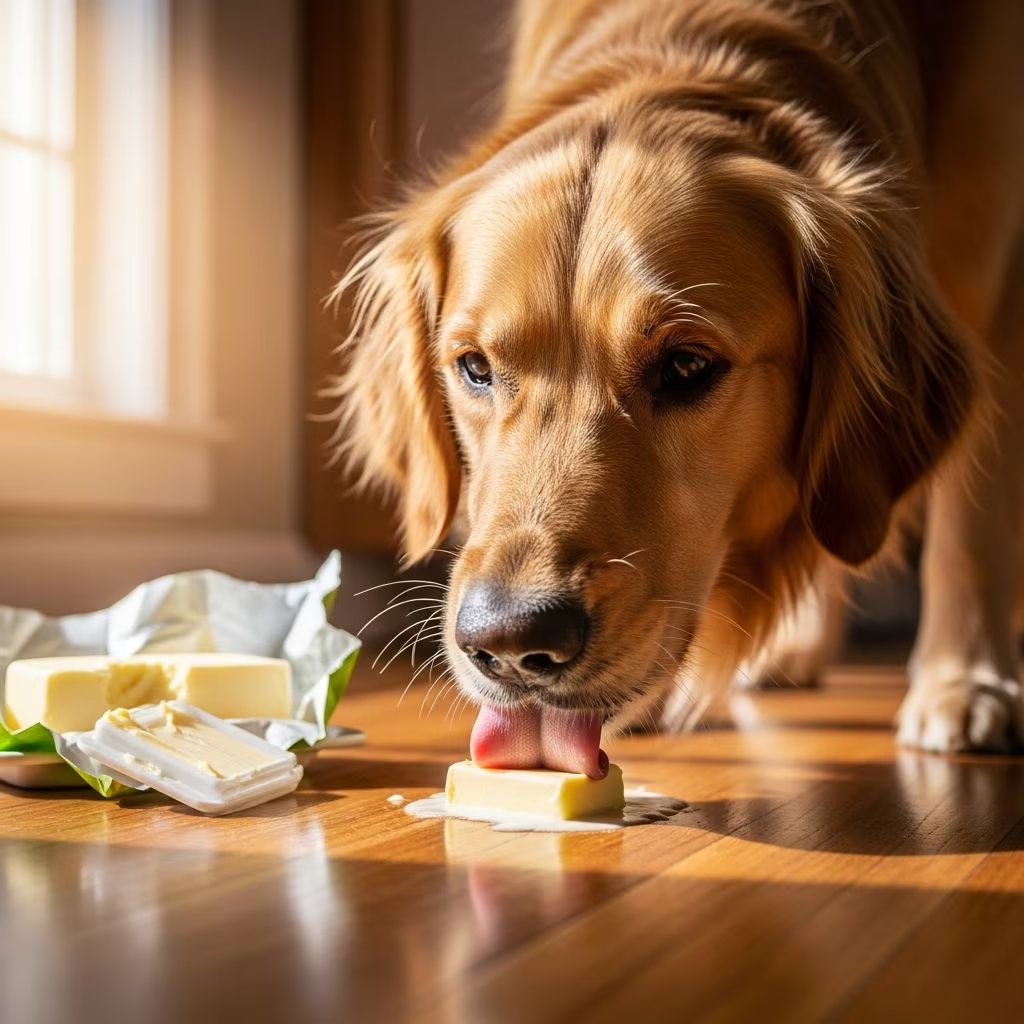
Butter holds no toxicity for dogs, yet its rich fat profile and dairy components render it unsuitable for regular consumption, potentially sparking serious health complications like pancreatitis and digestive distress.
Understanding Butter’s Makeup and Why Dogs Struggle with It
At its core, butter consists predominantly of saturated fats derived from milk, alongside lactose sugars that many adult dogs cannot properly metabolize due to lactose intolerance. A typical tablespoon packs around 12 grams of fat, exceeding the daily fat needs for a medium-sized dog weighing about 30 pounds. This overload challenges a dog’s digestive system, which evolved for leaner proteins and fewer dairy elements compared to human diets.
Dogs possess shorter digestive tracts optimized for scavenging and meat-based nutrition, making high-fat dairy a mismatch. While essential fatty acids like omega-3s benefit skin and coat, butter lacks these in bioavailable forms and instead burdens the pancreas with excess lipids.
Primary Health Hazards Linked to Butter Ingestion
Feeding butter to dogs invites multiple risks, from immediate tummy troubles to chronic conditions that demand veterinary intervention.
- Pancreatitis Inflammation: The pancreas overproduces enzymes in response to fat surges, leading to self-digestion and agony. This condition manifests as vomiting, bloody diarrhea, hunched posture from belly pain, fever, and collapse in grave instances.
- Obesity Escalation: Caloric density fuels weight gain, straining joints, heart, and mobility while shortening lifespan.
- Gastrointestinal Turmoil: Lactose sparks gas, cramps, loose stools, and vomiting, hitting sensitive-stomach pups hardest.
- Salt-Related Dehydration: Salted varieties exacerbate thirst and urination, risking electrolyte imbalance.
Even occasional licks accumulate over time, compounding these threats, particularly in breeds prone to pancreatitis like Miniature Schnauzers or Yorkshire Terriers.
Salted Butter Versus Unsalted: Which Poses Greater Danger?
| Type | Fat Content | Salt Impact | Overall Risk |
|---|---|---|---|
| Unsalted Butter | High (80-82% fat) | Minimal | Pancreatitis primary concern |
| Salted Butter | High (80-82% fat) | Added sodium | Dehydration + pancreatitis; contact vet ASAP |
Unsalted butter avoids salt’s dehydrating pull but mirrors fat perils. Both demand avoidance; if ingested, prioritize salted cases for prompt vet outreach due to compounded electrolyte stress.
Beyond Plain Butter: Dangers in Buttered Foods and Substitutes
Buttered toast, pastries, or sauteed veggies amplify issues—carbs from bread clash with canine metabolism, while butter doubles caloric load. Margarine, though plant-based, retains high fats and may harbor trans fats or xylitol, a deadly sweetener for dogs.
- Steer clear of almond butter with xylitol, salt, or additives; plain, unsalted in micro-doses might pass for some but risks remain.
- Butter wrappers pose choking or obstruction hazards if gulped whole.
Opt for dog-formulated toppers instead of human spreads.
Spotting Trouble: Symptoms After Butter Exposure
Post-ingestion vigilance spans 24-96 hours, as pancreatitis can brew silently before erupting.
- Vomiting or unproductive retching
- Diarrhea, possibly bloody
- Lethargy or weakness
- Appetite refusal
- Guarding abdomen or arched back
- Increased thirst/urination (salted butter)
- Fever or shock signs
Small amounts (under a teaspoon for tiny dogs) often yield mild upset; larger quantities (tablespoon+) warrant monitoring or vet calls.
Immediate Steps if Your Dog Devours Butter
- Assess quantity: Tiny lick? Observe at home. Tablespoon+ or symptoms? Call vet or poison hotline.
- Check ingredients: Xylitol? Emergency now.
- Prevent further access: Secure counters.
- Monitor 4 days: Log symptoms, withhold food 12-24 hours if mild upset, offer ice cubes.
- Seek pro help: For pancreatitis signs, IV fluids and meds may be needed.
Never induce vomiting sans vet guidance—risks aspiration.
Healthier Alternatives to Satisfy Your Dog’s Cravings
Ditch butter for nutrient-packed swaps aligning with canine needs.
| Treat Option | Benefits | Portion Guide |
|---|---|---|
| Pumpkin Puree (plain) | Digestion aid, low-cal fiber | 1-2 tsp per 10lbs |
| Fish Oil (vet-approved) | Omega-3s for coat/joints | Dose per label |
| Unsalted Peanut Butter (xylitol-free) | Protein boost, fun kong filler | 1/2 tsp small dogs |
| Plain Yogurt (low-fat, live cultures) | Probiotics if tolerated | Spoonful trial |
| Lean Meats (boiled chicken) | Protein without fat excess | Shredded bits |
These deliver flavor sans sabotage, supporting balanced nutrition from quality kibble.
Long-Term Diet Strategies to Dodge Fat-Related Woes
Anchor meals in AAFCO-approved foods proportioned to activity/breed—active Labs tolerate more fat than couch spuds. Supplements like glucosamine aid joint health amid obesity prevention. Annual bloodwork catches pancreatitis early via enzyme panels.
Exercise 30-60 minutes daily curbs weight; puzzle toys channel food drive productively. Consult vets for tailored plans, especially post-butter incidents.
FAQs: Common Queries on Dogs and Butter
Is a tiny bit of butter okay for my dog?
Occasional licks rarely cause harm but avoid intentionally; fat adds up.
What if my dog ate a stick of butter?
Watch for pancreatitis over days; vet if symptoms arise, especially salted or large dog.
Can puppies handle butter better?
No—younger guts still risk overload; stick to puppy formula.
Does goat butter fare better?
Lower lactose potentially, but fat persists; not recommended.
How to butter-proof your kitchen?
Counter surfacing, locked pantries, distracting chews during meals.
Wrapping Up: Prioritize Your Pup’s Well-Being
While butter tempts with aroma, its pitfalls outweigh pleasures for dogs. Proactive swaps and awareness safeguard health, letting tails wag without worry. Partner with vets for personalized guidance.
References
- Is Butter Bad for Dogs? — MyWoof. 2023. https://mywoof.com/blogs/articles/is-butter-bad-for-dogs
- Can Dogs Have Butter? What Every Pet Owner Should Know — WeFeedRaw. 2024. https://wefeedraw.com/blog/can-dogs-have-butter
- Can Dogs Eat Butter? — PetMD. 2025-01-15. https://www.petmd.com/dog/nutrition/can-dogs-eat-butter
- Can Dogs Eat Butter? — Fetch Pet Insurance. 2024. https://www.fetchpet.com/the-dig/can-dogs-eat-butter
- Can Dogs Have Butter? — Whole Dog Journal. 2023-06-10. https://www.whole-dog-journal.com/food/can-dogs-have-butter/



