

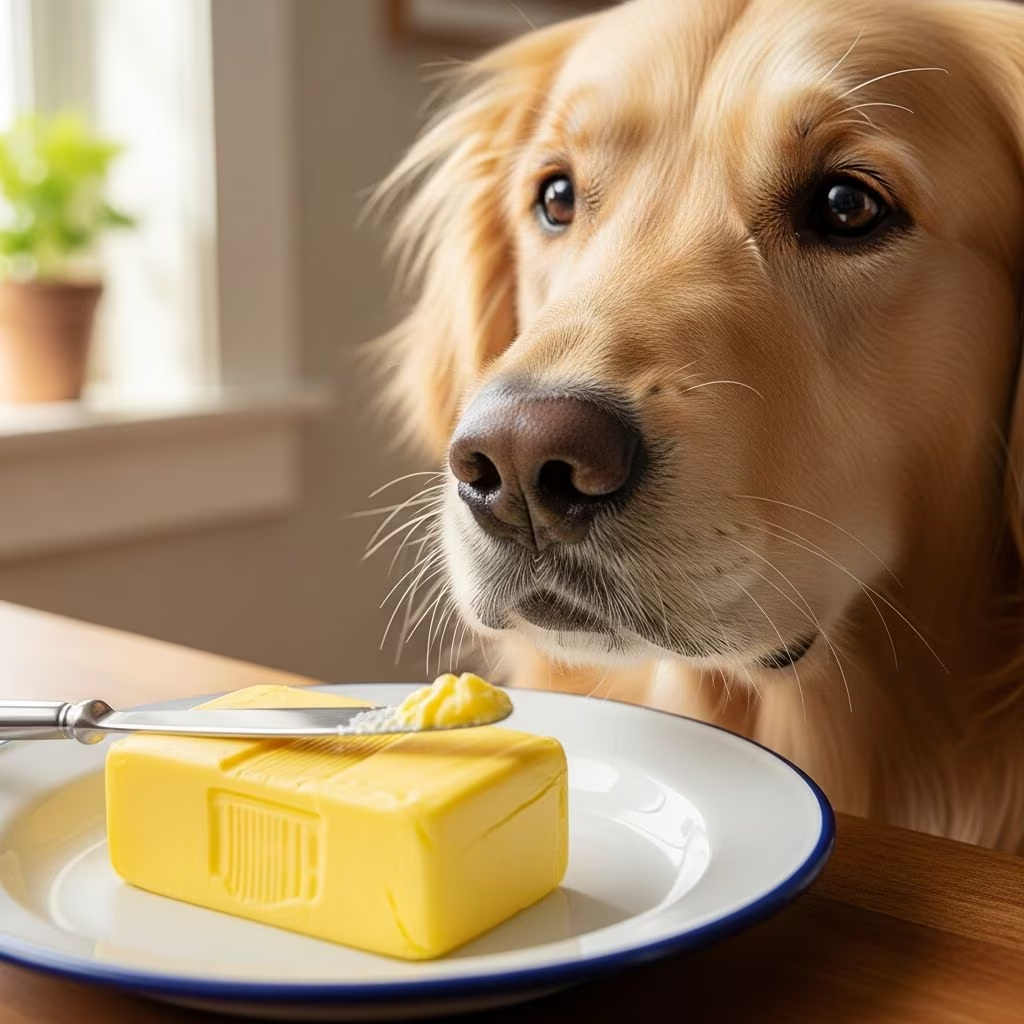
Butter may seem like a harmless treat to share with your dog, but its high fat content and dairy components make it a risky choice for most pups. While not outright toxic, regular or excessive consumption can lead to serious health complications that every responsible pet owner should understand.
Understanding Butter’s Composition and Why It Matters for Dogs
Butter is primarily made from churned cream, resulting in a product that’s roughly 80% fat, with the majority being saturated fats. A single tablespoon packs about 12 grams of fat, including around 7 grams of saturated fat, which exceeds half the daily recommended limit for a medium-sized dog.
Dogs require dietary fats for energy, skin health, and nutrient absorption, but they thrive on balanced sources like omega-3 and omega-6 fatty acids from fish oil or flaxseed. Saturated fats in butter offer minimal benefits and can overwhelm a dog’s digestive system, which is less efficient at processing such dense calories compared to humans.
Additionally, butter contains trace amounts of lactose (0.1% to 0.5%), which many adult dogs struggle to digest due to low lactase enzyme levels. This dairy residue can trigger bloating, gas, and loose stools even in small doses.
Key Health Risks of Feeding Butter to Your Dog
Offering butter as a treat might seem indulgent, but the potential downsides far outweigh any appeal. Here’s a breakdown of the primary concerns supported by veterinary insights.
Pancreatitis: A Serious Threat from High-Fat Intake
Pancreatitis occurs when the pancreas becomes inflamed, often due to sudden high-fat meals. Butter’s saturated fat load is a common trigger, especially in breeds like miniature schnauzers and terriers that are genetically predisposed.
Symptoms include severe abdominal pain, persistent vomiting, diarrhea, lethargy, and fever. In acute cases, it requires immediate veterinary intervention, including IV fluids and pain management. Chronic exposure from repeated butter treats can lead to recurring episodes, damaging the pancreas long-term.
Digestive Upset and Lactose Challenges
Even without pancreatitis, butter frequently causes gastrointestinal distress. Lactose-intolerant dogs—which comprise most adults—may experience vomiting, diarrhea, flatulence, and abdominal discomfort within hours of ingestion.
Dogs with sensitive stomachs or a history of dietary issues are particularly vulnerable. A small lick might pass unnoticed, but repeated exposure accumulates risks.
Obesity and Related Complications
Butter delivers empty calories with little nutritional payoff. For a 30-pound dog, one tablespoon equals their entire daily fat allowance, promoting rapid weight gain if added routinely.
Excess weight strains joints, exacerbates hip dysplasia, and increases diabetes risk. Over time, this diminishes mobility and lifespan quality.
| Risk | Primary Cause | Common Symptoms | Breeds at Higher Risk |
|---|---|---|---|
| Pancreatitis | High saturated fat | Abdominal pain, vomiting, lethargy | Miniature Schnauzers, Terriers |
| Lactose Intolerance | Dairy residue | Diarrhea, gas, bloating | All adult dogs |
| Obesity | Excess calories | Weight gain, joint issues | Small breeds, seniors |
How Much Butter Is Too Much? Quantity Guidelines
No safe regular amount exists, as even tiny portions add up. Veterinary consensus advises against intentional feeding: a fingertip dab might not harm once, but it’s unnecessary given better options.
- Tiny tastes (under 1 tsp): Unlikely to cause acute issues in healthy dogs but monitor for upset.
- 1 tbsp or more: High pancreatitis risk; seek vet care if symptoms appear.
- Frequent small doses: Cumulative fat leads to obesity over weeks.
Puppies, seniors, and overweight dogs should avoid it entirely due to heightened sensitivity.
What to Do If Your Dog Consumes Butter Accidentally
If your dog sneaks butter from the counter, stay calm but vigilant. Small amounts (a lick or pat) rarely require action beyond observation for 24-48 hours.
Watch for warning signs: repeated vomiting, bloody diarrhea, hunched posture, or refusal to eat. Contact your vet immediately if these occur, providing details on quantity and timing. They may recommend activated charcoal, anti-nausea meds, or diagnostics like bloodwork.
Prevent future incidents by storing butter securely and training “leave it” commands.
Healthier Alternatives to Butter for Dog Treats
Skip butter and opt for nutrient-dense substitutes that support your dog’s well-being without the dangers.
- Coconut oil (small amounts): Provides medium-chain triglycerides for energy and coat shine; start with 1/4 tsp per 10 lbs body weight daily.
- Fish oil supplements: Rich in omega-3s for anti-inflammatory benefits, joint health, and skin relief. Vet-approved dosing is key.
- Peanut butter (xylitol-free): A fan favorite in moderation; choose natural varieties low in sugar and salt.
- Vegetable purees: Pumpkin or sweet potato for fiber and digestion without fats.
- Commercial treats: Low-fat, grain-free options formulated for dental health and training rewards.
Always introduce new foods gradually to avoid tummy troubles.
Building a Balanced Diet: Fats Dogs Actually Need
A complete dog food meeting AAFCO standards supplies adequate fats. Supplements should complement, not replace, this base. Consult a vet nutritionist for personalized plans, especially for working dogs or those with conditions.
Prioritize whole-food sources: salmon, eggs, or avocados (pitted, in moderation) over processed dairy.
Frequently Asked Questions (FAQs)
Is a little bit of butter okay for dogs once in a while?
Minimal amounts rarely cause harm but offer no value. Vets recommend avoiding it to prevent building tolerance for fatty foods.
Can all dogs tolerate butter equally?
No—small breeds, those with pancreatitis history, or lactose issues face higher risks. Always err on caution.
What if my dog ate a stick of butter?
Rush to the vet; this quantity poses severe pancreatitis danger. Don’t wait for symptoms.
Is clarified butter (ghee) safer?
Ghee has less lactose but retains high saturated fat, so risks persist. Not recommended.
Are there benefits to butter for dogs?
Vitamin A, D, E, K traces exist, but dog food provides these efficiently without fat overload.
Conclusion: Prioritize Your Dog’s Long-Term Health
While dogs can technically eat butter without poisoning, the consensus from vets and nutrition experts is clear: it’s not worth the gamble. Focus on treats that nourish rather than jeopardize. Regular vet check-ups and a tailored diet ensure your companion thrives for years.
References
- Can Dogs Eat Butter | Raw Feeding 101 — Raw Feeding 101. 2023. https://rawfeeding101.com/blogs/dog-nutrition/can-dogs-eat-butter/
- Can Dogs Eat Butter? Understanding the Risks and Alternatives — Houndsy. 2024. https://www.houndsy.com/blogs/modern-tails/can-dogs-eat-butter-understanding-the-risks-and-alternatives
- Can Dogs Eat Butter? Vet Backed Risks, Facts & Safe Alternatives — Ask A Vet. 2024. https://askavet.com/blogs/news/can-dogs-eat-butter-vet-backed-risks-facts-safe-alternatives-%F0%9F%90%B6
- Can Dogs Eat Butter? — Fetch Pet Insurance. 2023. https://www.fetchpet.com/the-dig/can-dogs-eat-butter
- Can My Dog Eat Butter? — The Farmer’s Dog. 2021-04-24. https://www.thefarmersdog.com/digest/can-dog-eat-butter/
- Can Dogs Eat Butter? Unveiling the Truth — MyWoof. 2024. https://mywoof.com/blogs/articles/can-dogs-eat-butter-unveiling-the-truth-about-butter-and-your-dogs-health
- Can Dogs Have Butter? What Every Pet Owner Should Know — We Feed Raw. 2023. https://wefeedraw.com/blog/can-dogs-have-butter



