

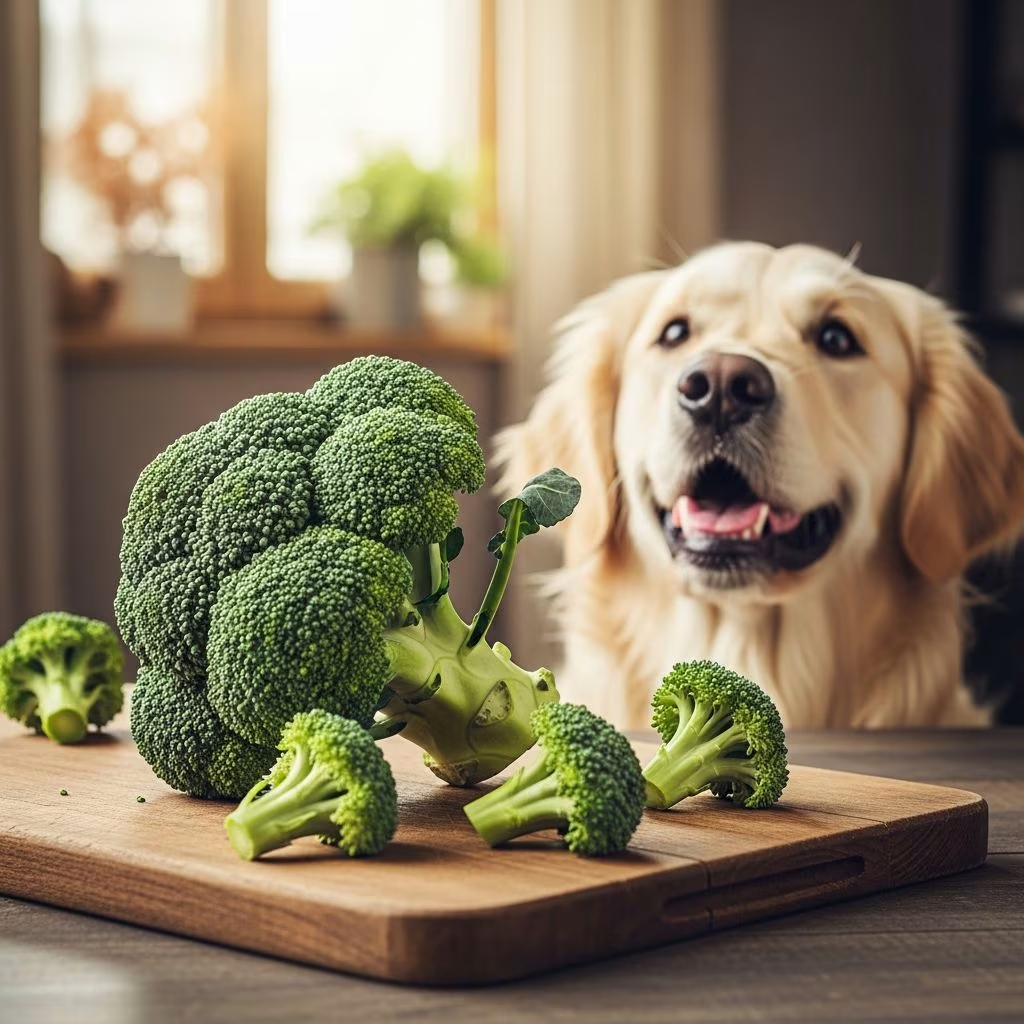
Can Dogs Eat Broccoli? A Complete Guide for Pet Owners
Many dog owners wonder whether they can share their healthy vegetables with their furry companions. Broccoli is a nutrient-dense vegetable packed with vitamins and minerals that benefit human health, but what about our canine friends? The short answer is yes—dogs can eat broccoli, but with important caveats. Understanding how to safely introduce broccoli to your dog’s diet requires knowledge of proper portions, preparation methods, and potential risks. This comprehensive guide will help you determine whether broccoli is appropriate for your dog and how to serve it safely.
Is Broccoli Safe for Dogs?
Yes, broccoli is safe for adult dogs when served in appropriate amounts and prepared correctly. Adult dogs can consume broccoli without toxic effects, and it can even provide certain health benefits. However, puppies have different dietary needs and less developed digestive systems, making them poor candidates for broccoli consumption due to its high fiber content. Raw or cooked broccoli is acceptable for adult dogs, but it must always be served plain without any added seasonings, oils, butter, or other toppings. The key to safe broccoli consumption lies in understanding portion sizes and recognizing the compound that makes excessive broccoli consumption problematic.
Nutritional Benefits of Broccoli for Dogs
Broccoli is a nutrient-dense vegetable that offers several health advantages when fed appropriately. This cruciferous vegetable is high in fiber and vitamin C while remaining low in fat, making it an excellent choice for a healthy treat. The fiber content supports digestive health and can help maintain regular bowel movements when fed in moderation. Vitamin C acts as an antioxidant and supports immune function in dogs. Beyond these primary nutrients, broccoli contains various other beneficial compounds that contribute to overall wellness.
As a healthy alternative to processed or fatty commercial treats, broccoli can be an excellent way to reward your dog without contributing to weight gain or dental problems. Many pet owners appreciate having a nutritious vegetable option that their dogs enjoy, particularly for dogs that respond well to positive reinforcement with food rewards.
The Critical Isothiocyanate Issue
The primary concern with broccoli consumption in dogs involves a naturally occurring compound called isothiocyanate. This compound is found in all cruciferous vegetables, including kale, cabbage, and Brussels sprouts, but broccoli contains the highest concentration. While small amounts of isothiocyanate are harmless, excessive consumption can lead to serious health problems in dogs.
The broccoli florets, which are the part humans typically eat, contain significant levels of isothiocyanate, while the stems contain even higher concentrations. When dogs consume too much of this compound, it triggers gastric irritation and other digestive disturbances. According to the American Kennel Club’s Chief Veterinary Officer, Dr. Jerry Klein, broccoli is considered safe only if the total amount ingested is less than 10% of a dog’s daily intake, with more than 25% considered toxic.
Safe Portion Guidelines
Establishing correct portion sizes is absolutely critical when feeding broccoli to your dog. The general rule recommended by veterinarians and pet nutrition experts is that broccoli should comprise no more than 10% of your dog’s daily food intake. This means that for a dog consuming 1,000 calories daily, only 100 calories should come from broccoli. Most veterinarians recommend offering only two to three small florets at a time to prevent accidental overfeeding.
It’s important to remember that portion sizes should be adjusted based on your individual dog’s size and weight. A toy breed or small dog would need significantly smaller portions than a large breed dog. When introducing broccoli for the first time, start with very small amounts to monitor how your dog’s digestive system responds.
| Dog Size | Recommended Maximum Broccoli | Suggested Serving Size |
|---|---|---|
| Small Dog (under 25 lbs) | 1-2 small florets | Once per week |
| Medium Dog (25-60 lbs) | 2-3 small florets | 2-3 times per week |
| Large Dog (over 60 lbs) | 3-4 small florets | 2-3 times per week |
Potential Health Risks of Broccoli
Gastrointestinal Distress
The most common health issue resulting from broccoli consumption is gastrointestinal upset. Dogs who consume excessive broccoli may experience stomach upset, gas, bloating, diarrhea, and vomiting. The high fiber content combined with isothiocyanates makes broccoli potentially problematic when overfed. Some dogs may experience mild symptoms even with small amounts, while others tolerate it better. If your dog experiences vomiting, loose stools, or other digestive distress after eating broccoli, stop feeding it and allow their stomach to settle.
Choking Hazard
Both raw and cooked broccoli present choking risks that pet owners should carefully consider. Raw broccoli is hard and crunchy, making it difficult for some dogs to chew properly. Even when cooked and softened, large pieces can pose a danger. The broccoli stems and stalks are particularly problematic—they remain hard and dense even after cooking and can become lodged in a dog’s throat, causing a dangerous blockage. Dogs that tend to swallow food without thorough chewing are at highest risk.
Toxicity Concerns
While broccoli is not inherently toxic at safe portions, large quantities can indeed become toxic to dogs. The threshold for toxicity is generally considered to be when broccoli comprises 25% or more of a dog’s daily caloric intake. At this level, isothiocyanate toxicity can cause severe digestive issues and gastrointestinal damage. Any signs of severe distress, persistent vomiting, loss of appetite, or extreme lethargy warrant immediate veterinary attention.
How to Safely Prepare Broccoli for Your Dog
Choose the Right Parts
Always feed only the broccoli florets to your dog, never the stems or stalks. The florets are softer and contain lower concentrations of isothiocyanates compared to the hard, dense stems. Remove all leafy parts as well, as they can be stringy and present additional choking hazards.
Cut Into Appropriate Sizes
Even when using florets, ensure pieces are cut into small, bite-sized chunks that your dog cannot swallow whole. This significantly reduces choking risk, especially for dogs that have a tendency to gulp their food without proper chewing. The smaller the pieces, the safer the experience for your dog.
Raw vs. Cooked Preparation
Dogs can safely consume both raw and cooked broccoli. Raw broccoli is slightly harder for dogs to digest, so lightly steaming or cooking the florets may improve digestibility. If you choose to cook broccoli, never add seasonings, salt, butter, oils, or any other ingredients. Plain cooked broccoli with no additives is the safest option. Whether serving raw or cooked, always wash the broccoli thoroughly first.
Avoid All Seasonings and Additives
This cannot be overemphasized: never add any seasonings, oils, salt, pepper, cheese, or other toppings to broccoli meant for your dog. Some ingredients like onions are toxic to dogs and can cause serious health problems. Keep your dog’s broccoli plain and separate from any human meal preparations.
When NOT to Feed Your Dog Broccoli
Puppies should not be fed broccoli due to their underdeveloped digestive systems and different nutritional needs. Dogs with pre-existing digestive conditions, such as inflammatory bowel disease or chronic diarrhea, may have difficulty tolerating broccoli and should avoid it unless approved by their veterinarian. Dogs with food sensitivities or allergies should be monitored carefully when introducing any new food, including broccoli.
If your dog has previously experienced adverse reactions to broccoli or other cruciferous vegetables, avoid feeding it altogether. Some individual dogs simply may not tolerate this vegetable well, and that’s perfectly acceptable—there are plenty of other healthy treat options available.
Signs Your Dog Is Having an Adverse Reaction
Watch for these warning signs that your dog may be having trouble with broccoli:
- Vomiting or retching
- Loose stools or diarrhea
- Excessive gas or bloating
- Loss of appetite
- Abdominal pain or discomfort
- Lethargy or unusual behavior
- Difficulty swallowing
If you observe any of these symptoms after your dog eats broccoli, discontinue feeding it and contact your veterinarian if symptoms persist or worsen.
Alternative Healthy Vegetables for Dogs
If broccoli doesn’t work well for your dog, numerous other vegetables provide nutritional benefits with fewer potential risks. Safe vegetable options include carrots, green beans, sweet potatoes, pumpkin, and spinach. Always introduce new vegetables gradually and in small portions, and verify with your veterinarian that any new food is appropriate for your specific dog’s age, size, and health status.
Key Takeaways for Feeding Broccoli to Dogs
- Moderation is essential—broccoli should never exceed 10% of your dog’s daily food intake
- Feed florets only—avoid stems and stalks entirely
- Cut into small pieces—prevent choking hazards by portioning appropriately
- Serve plain—no seasonings, oils, salt, or other additives
- Monitor your dog—watch for digestive upset or other adverse reactions
- Skip for puppies—their digestive systems cannot handle broccoli safely
- Consult your veterinarian—especially if your dog has pre-existing health conditions
Frequently Asked Questions
Q: How much broccoli can I safely give my dog?
A: Broccoli should comprise no more than 10% of your dog’s daily food intake. Most vets recommend 2-3 small florets as a safe serving size, adjusted based on your dog’s weight and size.
Q: Can puppies eat broccoli?
A: No, puppies should not eat broccoli. Their digestive systems are still developing and cannot handle the high fiber content safely.
Q: Is broccoli toxic to dogs?
A: Broccoli itself is not toxic, but excessive amounts (more than 25% of daily calories) can cause toxicity due to isothiocyanates. Moderate portions are safe.
Q: Should I feed my dog raw or cooked broccoli?
A: Both are safe, though cooked broccoli may be easier for dogs to digest. Never add seasonings, oils, or any other ingredients when preparing it.
Q: Can my dog eat broccoli stems?
A: No, avoid broccoli stems and stalks as they’re harder to digest, present choking hazards, and contain higher levels of isothiocyanates.
Q: What should I do if my dog eats too much broccoli?
A: Monitor for signs of gastrointestinal distress. If your dog experiences vomiting, diarrhea, or severe discomfort, contact your veterinarian immediately.
Q: Are there vegetables I should never feed my dog?
A: Yes, avoid onions, garlic, leeks, chives, raw potatoes, and mushrooms as these can be toxic or harmful to dogs.
References
- Can Dogs Eat Broccoli? — American Kennel Club. 2024. https://www.akc.org/expert-advice/nutrition/can-dogs-eat-broccoli/
- Can Dogs Eat Broccoli? Benefits and Safety Concerns — Rogue Pet Science. 2024. https://roguepetscience.com/blogs/dog-nutrition/can-dogs-eat-broccoli
- Can Dogs Eat Broccoli? Health Benefits and Hazards — Native Pet. 2024. https://nativepet.com/blogs/health/can-dogs-eat-broccoli
- Can Dogs Eat Broccoli? (and Is It Safe?) — Hill’s Pet Nutrition. 2024. https://www.hillspet.com/dog-care/nutrition-feeding/can-dogs-eat-broccoli
- Can Dogs Eat Broccoli? — PetMD. 2024. https://www.petmd.com/dog/nutrition/can-dogs-eat-broccoli
- Is Broccoli Safe for Dogs to Eat? — Pet Honesty. 2024. https://www.pethonesty.com/blogs/blog/can-dogs-eat-broccoli
- Can Dogs Eat Broccoli? Benefits and Safety Concerns — Four Leaf Rover. 2024. https://fourleafrover.com/blogs/natural-health/the-benefits-of-broccoli-for-dogs



