

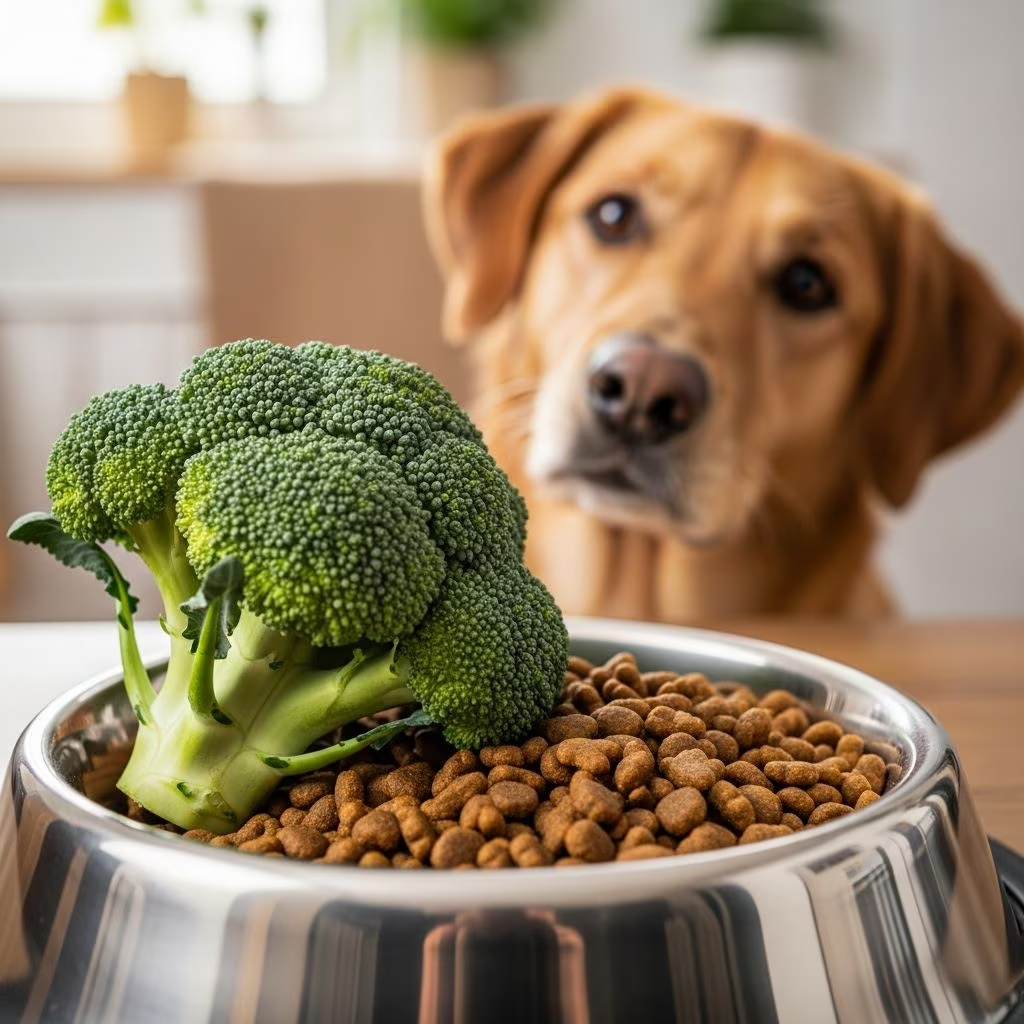
Can Dogs Eat Broccoli?
Yes, dogs can eat broccoli! In small quantities, this cruciferous vegetable is not only safe for dogs, but it’s also a nutritious superfood with numerous health benefits. However, like many human foods, broccoli should be introduced to your dog’s diet thoughtfully and in appropriate portions. Understanding the proper way to serve broccoli and recognizing potential concerns will help you safely incorporate this vegetable into your dog’s diet as an occasional treat.
Key Takeaways
- Dogs can eat broccoli in moderation—raw, steamed, or boiled
- Broccoli is rich in vitamins, fiber, and antioxidants that support digestion, immunity, and heart health
- Too much broccoli can cause digestive upset due to isothiocyanate, especially in puppies or dogs with sensitivities
- Frozen broccoli stems may be too hard for dogs with dental issues and should be avoided
- Broccoli should make up no more than 10% of your dog’s daily caloric intake
Health Benefits of Broccoli for Dogs
Broccoli is packed with essential nutrients that can contribute to your dog’s overall health and wellbeing. This green cruciferous vegetable contains vitamins, minerals, and beneficial compounds that support various bodily functions. When served appropriately, broccoli can be an excellent addition to your dog’s treat rotation.
Nutritional Value
Broccoli is high in vitamin C, which supports immune system function and acts as an antioxidant in your dog’s body. It also contains vitamin K, essential for bone health and blood clotting, as well as folate, which aids in cell division and DNA synthesis. The vegetable is rich in fiber, promoting healthy digestion and regular bowel movements. Additionally, broccoli contains sulforaphane, a compound that has been researched for its potential anti-inflammatory and immune-supporting properties in dogs.
Low-Calorie Treat Option
For dogs on weight management programs or those requiring low-calorie treats, broccoli is an excellent choice. It’s naturally low in fat and calories while being filling due to its fiber content, making it ideal for rewarding your dog without contributing significantly to their daily caloric intake. This makes broccoli particularly useful for training treats or as a healthy alternative to higher-calorie commercial dog treats.
Can Dogs Eat Cooked Broccoli?
Yes, dogs can eat broccoli cooked, and it’s often a great option for certain dogs. Cooking broccoli changes its texture, making it softer and easier to digest for some dogs, particularly those with dental issues or sensitive stomachs. Steamed broccoli retains more nutrients than boiled broccoli, as some vitamins leach into the cooking water during boiling.
Cooking Methods
You can prepare broccoli for your dog by steaming, boiling, baking, or grilling it plain. Steaming for just a few minutes is ideal if you want to maximize nutrient retention while still softening the vegetable. Cooking also ensures that any potential harmful bacteria are eliminated, making it a safer option if your dog has a sensitive digestive system. Always ensure the broccoli has cooled completely before serving to prevent burns to your dog’s mouth and tongue.
Important Preparation Tips
When cooking broccoli for your dog, it’s crucial to keep it completely plain. Never add butter, oils, salt, or seasonings of any kind. Many common seasonings used in human cooking are toxic to dogs. Garlic and onion, in particular, are dangerous for dogs as they contain compounds that can damage red blood cells. Even seemingly harmless additions like cheese or sour cream can upset your dog’s digestive system or contribute excess calories to their diet.
Raw Broccoli for Dogs
Dogs can safely eat raw broccoli, and some dogs actually prefer it. Raw broccoli provides the maximum nutrient content and can be particularly satisfying for dogs that enjoy crunching on vegetables. However, there are several important considerations when serving raw broccoli to your canine companion.
Safety Considerations for Raw Broccoli
Always wash raw broccoli thoroughly to remove any pesticides or dirt. Cut the broccoli into appropriately sized pieces for your dog to prevent choking hazards. Large broccoli florets can pose a choking risk, particularly for enthusiastic eaters or smaller dogs. Some veterinarians recommend pureeing raw vegetables for better digestibility, though this is more of a preference than a requirement for most adult dogs.
Dental Benefits and Concerns
While raw broccoli can help clean your dog’s teeth through the mechanical action of chewing, frozen broccoli stems should be approached with caution. Frozen broccoli stems can be extremely hard and may cause dental damage if your dog has compromised teeth or existing dental issues. Always thaw frozen broccoli before serving, or opt for softer preparation methods like steaming or boiling for senior dogs or those with dental problems.
Broccoli Parts: What’s Safe for Your Dog
Different parts of the broccoli plant have varying levels of safety and nutritional content. Understanding which parts are appropriate for your dog ensures you’re making the best feeding decisions.
Broccoli Florets
The florets, or the top flowering parts of broccoli that we typically eat, are the safest part for dogs to consume in moderation. However, these florets contain isothiocyanates, a naturally occurring compound that can cause digestive upset if consumed in large quantities. When fed appropriately as part of the 10% treat rule, florets are perfectly fine for most adult dogs.
Broccoli Stems and Leaves
The stems and leaves contain higher concentrations of isothiocyanates compared to the florets, making them less ideal for dogs. While they’re not entirely off-limits in tiny amounts, it’s best to avoid feeding stems and leaves to your dog, particularly if they have a sensitive digestive system. Additionally, the firm texture of raw stems can be challenging for dogs to digest and may pose a choking hazard.
Broccoli Sprouts
Broccoli sprouts are a different story. These young broccoli plants contain high levels of sulforaphane, a compound with potent anti-inflammatory properties. Broccoli sprouts are safe for dogs and may provide enhanced health benefits compared to mature broccoli. They’re also less likely to cause digestive upset than the florets or stems of full-grown broccoli plants.
Potential Risks and Concerns
While broccoli is generally safe for dogs, there are important considerations regarding potential risks, particularly when fed in excessive quantities or to specific dog populations.
Isothiocyanate Content and Digestive Issues
The primary concern with broccoli for dogs is isothiocyanate, a sulfur-containing compound found primarily in the florets. When dogs consume excessive amounts of broccoli, this compound can cause gastric irritation and digestive upset. Common signs of isothiocyanate-related digestive issues include gas, bloating, stomach upset, diarrhea, and in severe cases, intestinal blockages. According to veterinary guidelines, broccoli is considered safe if it comprises less than 10% of a dog’s daily caloric intake, while amounts exceeding 25% are considered potentially toxic.
Puppies and Broccoli
Puppies should avoid broccoli entirely. Their digestive systems are still developing and are significantly more sensitive than those of adult dogs. The high fiber content in broccoli can cause digestive problems in puppies, and they may be more susceptible to adverse effects from isothiocyanates. Wait until your puppy has reached adulthood before introducing broccoli as a potential treat.
Dogs with Sensitivities
Some adult dogs may have particular sensitivities to broccoli, even in small amounts. Dogs with existing digestive conditions, food sensitivities, or inflammatory bowel disease should have broccoli introduced very cautiously or avoided entirely. Always consult with your veterinarian before introducing new foods to a dog with known digestive issues.
Proper Portion Sizes and Feeding Guidelines
Understanding appropriate portion sizes is crucial for safely feeding broccoli to your dog. The “10% treat rule” is a key guideline in canine nutrition that applies directly to broccoli feeding.
The 10% Rule Explained
Treats and supplementary foods should comprise no more than 10% of your dog’s total daily caloric intake, with their regular balanced dog food making up the remaining 90%. This ensures your dog receives complete and balanced nutrition from their primary diet while allowing for healthy treats. To calculate appropriate broccoli portions, determine your dog’s daily caloric needs and calculate 10% of that amount, then measure accordingly.
Size-Based Portion Guidelines
For small dogs (under 10 pounds), offer no more than a few small florets or a tablespoon of finely chopped broccoli at a time. Medium dogs (25-50 pounds) can have slightly more, perhaps a quarter cup of chopped broccoli. Larger dogs (over 75 pounds) may tolerate up to half a cup of broccoli, though this should still remain within their 10% daily treat allowance. These portions should be given occasionally, not daily, and broccoli should be considered a supplementary treat rather than a regular meal component.
Introduction and Monitoring
When first introducing broccoli to your dog’s diet, start with very small amounts and observe for any adverse reactions over several days. Look for signs of digestive upset such as unusual gas, loose stools, or decreased appetite. If your dog tolerates small amounts well, you can gradually increase portion sizes while staying within the 10% guideline. If any digestive issues develop, discontinue broccoli and consult your veterinarian.
Preparation Methods Comparison
| Preparation Method | Digestibility | Nutrient Retention | Best For | Cautions |
|---|---|---|---|---|
| Raw | Good for adult dogs | Maximum nutrients | Healthy adult dogs | Choke hazard if not cut small; harder to digest for some |
| Steamed | Very good | High nutrient retention | Sensitive stomachs; senior dogs | Cool before serving |
| Boiled | Very good | Moderate nutrient loss | Dogs needing softer food | Cool before serving; some nutrients leach into water |
| Frozen | Fair | Nutrients preserved | Summer treat; cooling aid | Hard texture; avoid for dogs with dental issues |
What Not to Do When Serving Broccoli
Just as important as knowing how to properly serve broccoli is understanding what to avoid. Many common human food preparation methods are unsuitable for dogs.
Seasonings and Additives to Avoid
Never serve broccoli to your dog with salt, pepper, garlic, onion, or other seasonings. Cheese, butter, oils, and cream-based sauces add unnecessary calories and fat. These additions can upset your dog’s stomach and contribute to obesity. Additionally, garlic and onion are toxic compounds that can cause serious health issues in dogs by damaging their red blood cells and potentially leading to hemolytic anemia.
Portion Mistakes
Avoid feeding broccoli as a meal replacement or primary food source. Never give your dog more than 10% of their daily calories from broccoli or any other treat. Don’t serve broccoli that’s too hot, as this can burn your dog’s mouth and tongue. Avoid frozen broccoli stems for dogs with dental problems, and never give large, uncut pieces that could pose choking hazards.
Signs Your Dog May Have an Adverse Reaction
While most dogs tolerate broccoli well when fed appropriately, some may experience adverse reactions. Knowing the warning signs helps you respond quickly if problems develop.
Digestive Symptoms
Watch for excessive gas, abdominal bloating, vomiting, diarrhea, or constipation following broccoli consumption. Some dogs may experience decreased appetite or show signs of abdominal discomfort such as restlessness or hunching. If your dog exhibits any of these symptoms after eating broccoli, discontinue feeding it immediately and monitor your dog closely.
When to Contact Your Veterinarian
If your dog experiences severe vomiting, persistent diarrhea, complete loss of appetite, or signs of intestinal blockage such as straining to defecate or lethargy, contact your veterinarian immediately. These could indicate a serious reaction or underlying condition that requires professional medical attention. Your veterinarian can determine whether broccoli is appropriate for your specific dog or if an underlying digestive issue needs addressing.
Frequently Asked Questions (FAQs)
Q: Can puppies eat broccoli?
A: No, puppies should avoid broccoli. Their developing digestive systems are too sensitive to handle the high fiber content and isothiocyanates in broccoli. Wait until your puppy reaches adulthood before considering broccoli as a treat.
Q: How often can I give my dog broccoli?
A: Broccoli should be given occasionally, not daily. Since it should comprise no more than 10% of your dog’s daily caloric intake, once or twice weekly in small portions is appropriate for most healthy adult dogs.
Q: Is frozen broccoli safe for dogs?
A: Frozen broccoli can be safe, but frozen stems should be avoided as they become very hard and can damage teeth or cause choking hazards. Thaw frozen broccoli florets before serving, or steam them before giving to your dog.
Q: What should I do if my dog ate a large amount of broccoli?
A: Monitor your dog closely for signs of digestive upset such as gas, bloating, or diarrhea. Most dogs that consume too much broccoli experience mild symptoms that resolve within 24 hours. However, if your dog shows severe symptoms like vomiting or lethargy, contact your veterinarian immediately.
Q: Can dogs with allergies eat broccoli?
A: Dogs with food allergies should introduce broccoli cautiously. While true broccoli allergies are rare, dogs with sensitivities to cruciferous vegetables or general digestive issues should avoid it. Always consult your veterinarian before introducing new foods to dogs with known allergies.
Q: Is broccoli a complete meal for dogs?
A: No, broccoli should never be a complete meal. Dogs require complete and balanced nutrition from a quality dog food formulated to meet their nutritional needs. Broccoli is purely a supplementary treat and cannot provide all necessary nutrients on its own.
Q: Can I add broccoli to my dog’s regular food?
A: Yes, small amounts of chopped or steamed broccoli can be mixed into your dog’s regular food as a supplement, provided it doesn’t exceed 10% of their daily caloric intake. This can enhance meals for picky eaters while adding nutritional variety.
Conclusion
Broccoli can be a healthy, nutritious treat for adult dogs when served appropriately. This cruciferous vegetable offers valuable vitamins, minerals, and fiber while being low in calories, making it an excellent choice for dogs requiring portion-controlled treats or those needing dietary variety. The key to safely feeding broccoli lies in moderation, proper preparation, and careful portion control. Always serve plain broccoli without seasonings or additives, keep portions small, and remember that broccoli should comprise no more than 10% of your dog’s daily caloric intake. When in doubt about whether broccoli is appropriate for your specific dog, particularly if your dog has existing health conditions or sensitivities, consult your veterinarian. With these guidelines in mind, you can confidently incorporate broccoli into your dog’s treat rotation as an occasional, nutritious snack.
References
- Can Dogs Eat Broccoli? — American Kennel Club. Accessed November 2025. https://www.akc.org/expert-advice/nutrition/can-dogs-eat-broccoli/
- Can Dogs Eat Broccoli? — PetMD. Accessed November 2025. https://www.petmd.com/dog/nutrition/can-dogs-eat-broccoli
- Can Dogs Eat Broccoli? Nutritional Benefits and Safety Guidelines — WSAVA (World Small Animal Veterinary Association). Accessed November 2025. https://www.wsava.org/
- Nutritional Guidelines for Complete and Balanced Canine Diets — Association of American Feed Control Officials (AAFCO). Accessed November 2025. https://www.aafco.org/
- Can Dogs Eat Broccoli? — Taste of the Wild Pet Food. Accessed November 2025. https://www.tasteofthewildpetfood.com/articles/can-my-dog-eat-that/broccoli/



