

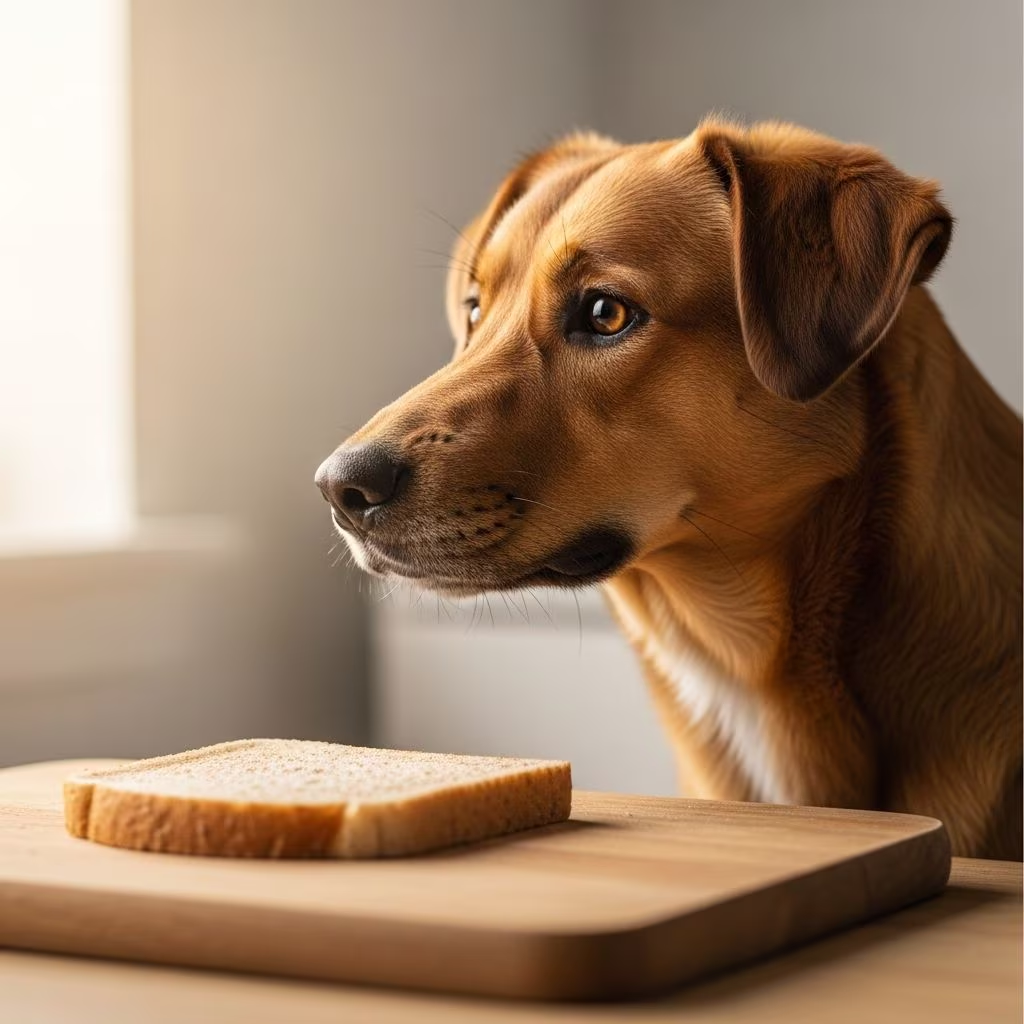
Many dog owners wonder if sharing a slice of bread with their furry companion is harmless. The answer is nuanced: plain, baked bread can be an occasional treat for most dogs, offering no toxicity risk when given sparingly. However, certain breads and situations carry significant dangers that could lead to illness or worse.
Nutritional Value of Bread for Canines
Bread primarily consists of carbohydrates from flour, providing quick energy but little else in terms of essential nutrients for dogs. Unlike complete dog foods formulated with balanced proteins, fats, vitamins, and minerals, bread lacks the fiber, antioxidants, and amino acids dogs need for optimal health. Regular consumption can contribute to empty calories, potentially leading to weight gain or blood sugar imbalances over time.
That said, a small piece now and then won’t derail a balanced diet. It can serve as a bland filler to soothe mild stomach upset or distract during grooming. Whole grain options might offer slightly more fiber for digestion compared to refined white varieties, but they still fall short nutritionally.
Safe Bread Varieties for Your Dog
Not all breads are created equal, but several plain types pose minimal risk when portion-controlled. Here’s a breakdown:
- White Bread: Soft and easy to digest, plain white bread is safe for most dogs without grain allergies. Its simplicity makes it a low-risk choice for occasional nibbles.
- Wheat Bread: Slightly more nutritious due to whole grains, this is fine unless your dog has a wheat sensitivity, which might cause itching or digestive woes.
- Rye Bread: Plain rye works well in tiny amounts for dogs tolerant of grains, adding a chewy texture without harm.
- Pita Bread: If completely plain and unleavened or fully baked, pita is digestible and safe sparingly.
Always check labels for hidden additives and start with pea-sized pieces to monitor tolerance.
Dangerous Breads and Ingredients to Avoid
Some breads pack toxins or hazards that can cause severe reactions. Steer clear entirely:
| Bread Type | Why It’s Unsafe | Potential Effects |
|---|---|---|
| Garlic Bread | Contains garlic and often onions, both toxic Allium family members | Anemia, vomiting, organ damage |
| Banana Bread | Sugar, raisins, nuts, or nutmeg commonly added | Kidney failure from raisins, nutmeg toxicity |
| Pumpkin Bread | Frequent nutmeg or nut inclusions | Neurological issues, seizures |
| Gingerbread | High sugar and nutmeg | GI upset, hallucinations |
Even seemingly innocent flavors like cinnamon or herb-infused breads may hide xylitol or excessive salt, amplifying risks.
The Hidden Peril of Raw Bread Dough
One of the most critical warnings: never let dogs near uncooked dough. In a dog’s warm stomach, yeast ferments rapidly, causing the mass to expand like rising bread. This leads to painful bloating, potential GDV (stomach torsion), and alcohol poisoning from ethanol production.
Symptoms emerge quickly: whining, distended abdomen, disorientation, vomiting, or collapse. The Merck Veterinary Manual notes this as bread dough toxicosis, a veterinary emergency requiring immediate detox like induced vomiting or surgery. Keep counters clear and dough secured during baking.
Health Risks from Overindulgence
Beyond toxins, excess bread invites problems. High-carb content promotes obesity, especially in less active dogs, increasing diabetes and joint strain risks. Digestive side effects include gas, diarrhea, or constipation from low fiber in refined breads.
Allergies affect about 10% of dogs, manifesting as ear infections, paw licking, or skin rashes from wheat gluten. Observe for 24-48 hours post-feeding. Bread should never exceed 10% of daily calories—think one small crust per 20 pounds of body weight, max once weekly.
Veterinary Perspectives on Bread as Treats
Vets from sources like PetMD and AKC emphasize moderation. Dr. notes in PetLab Co highlight checking for onion, garlic, or chocolate traces. The consensus: bread isn’t \”bad\” but unnecessary when healthier alternatives abound.
For training, bread’s mild flavor works but crumbles easily. Bake your own plain loaves to control ingredients, ensuring full cooking kills yeast.
Healthier Alternatives to Bread Treats
Swap bread for nutrient-packed options:
- Carrots or apple slices: Crunchy, low-calorie fiber sources.
- Plain cooked rice or oatmeal: Gentle carbs with better digestibility.
- Commercial dog biscuits: Formulated for balance, often grain-free.
- Vegetable purees: Pumpkin or sweet potato for gut health.
These provide vitamins without carb overload, supporting coat shine and immunity.
Recognizing and Responding to Bread-Related Issues
If your dog sneaks bread, watch for distress. Mild upset might resolve with fasting and water; severe cases need vet care. Induce vomiting only under professional guidance—hydrogen peroxide risks complications.
For suspected toxicity, note ingestion time, amount, and symptoms. Activated charcoal or IV fluids often stabilize patients. Prevention trumps cure: store baked goods high and educate family members.
Special Considerations for Dog Breeds and Ages
Large breeds like Labs tolerate more volume but risk bloat from dough. Small pups or seniors process carbs slower, heightening diabetes odds. Puppies under 6 months need nutrient-dense foods for growth, making bread a poor choice.
Grain-free diets suit allergy-prone breeds like Bulldogs. Always tailor to your dog’s profile via vet consultation.
FAQs: Common Questions on Dogs and Bread
Is a little bread okay daily?
No—limit to occasional treats to avoid weight issues. Stick under 10% calories.
What if my dog ate raw dough?
Rush to vet immediately; it can cause life-threatening bloat and poisoning.
Can bread help with diarrhea?
Plain white might firm stools short-term, but vet-approved bland diets are better.
Is sourdough safe?
Fully baked yes, raw starter no—same dough risks apply.
How much bread per dog size?
Tiny: 1/2 inch cube; Medium: 1-inch square; Large: small slice. Adjust by activity.
Practical Feeding Guidelines
To share safely:
- Choose plain, baked bread only.
- Break into tiny, supervised pieces.
- Monitor weight and stool changes.
- Prioritize kibble as 90% diet base.
- Consult vet for allergies or conditions.
Integrating bread thoughtfully keeps tails wagging without health trade-offs.
References
- Can Dogs Eat Bread? — PetMD. 2023. https://www.petmd.com/dog/nutrition/can-dogs-eat-bread
- Dogs Eating Bread: Types and Risks — Shmush Pets. 2024. https://shmushpets.com/blogs/news/dogs-eating-bread-types-risks
- Giving Your Dog Bread? Safe vs. Unsafe Options — LolaHemp. 2023. https://lolahemp.com/blogs/dog-health/is-bread-good-for-dogs
- Can Dogs Eat Bread? — American Kennel Club (AKC). 2024. https://www.akc.org/expert-advice/nutrition/can-dogs-eat-bread/
- Is Bread Safe for Dogs? — PetLab Co. 2024. https://thepetlabco.com/learn/dog/nutrition/can-dogs-eat-bread
- Can Dogs Eat Bread Dough? — Jinx. 2023. https://www.thinkjinx.com/blogs/news/can-dogs-eat-bread-1



