

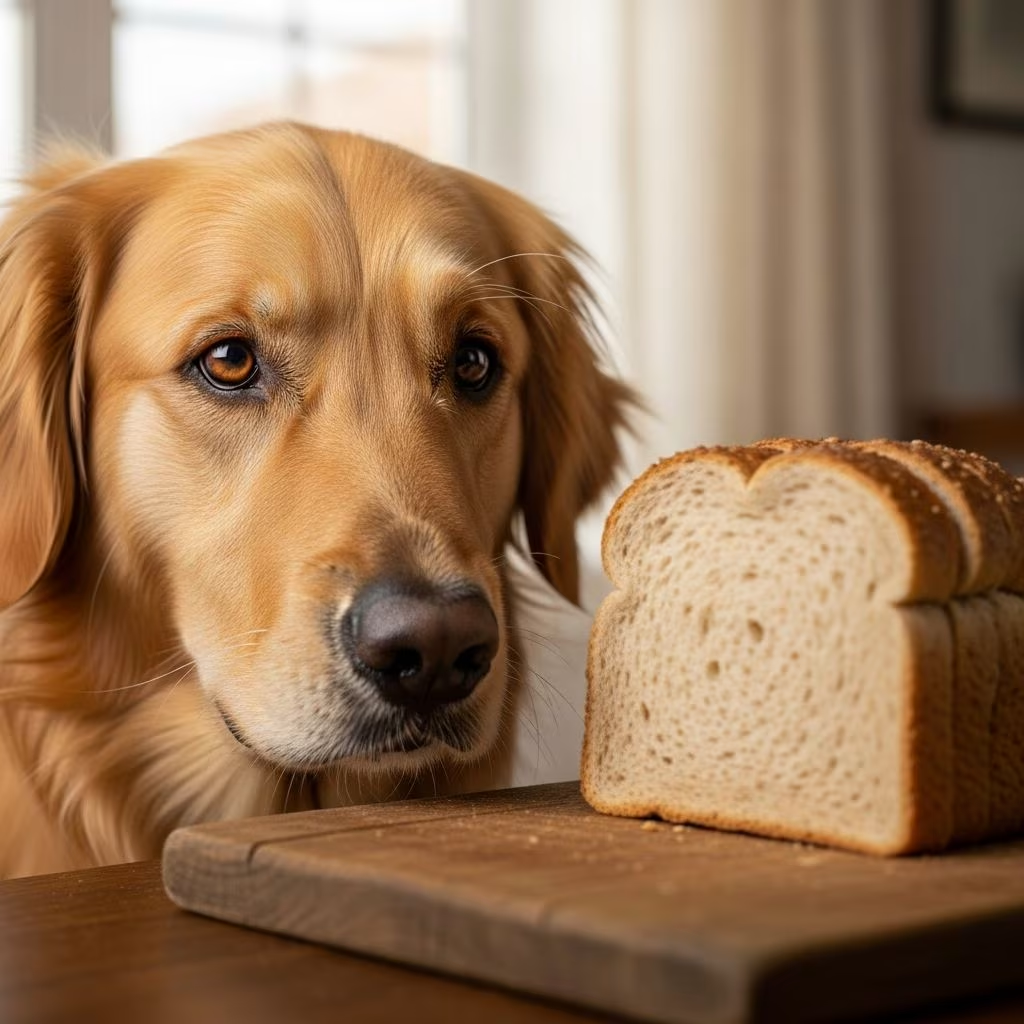
Bread is a household staple for humans, but when it comes to our canine companions, pet owners often wonder if sharing a slice is harmless. Plain, baked bread is typically safe for dogs in moderation, provided they have no allergies, but it lacks significant nutritional value and can contribute to health issues if overfed.
Nutritional Profile of Bread for Canines
Bread primarily consists of carbohydrates from flour, offering quick energy but minimal essential nutrients like proteins, vitamins, or minerals that dogs require for optimal health. White bread, made from refined grains, provides even fewer benefits compared to whole grain varieties, which contain slightly more fiber and B vitamins.
- Carbohydrates: Bread is carb-heavy, converting to sugar in a dog’s body, which can lead to weight gain without sufficient exercise.
- Fiber Content: Whole wheat bread may aid mild digestion due to higher fiber, but excess can cause bloating or gas.
- Caloric Density: High calories with low satiety mean treats like bread should not exceed 10% of daily intake to prevent obesity or diabetes risks.
Dogs thrive on balanced diets rich in animal proteins, healthy fats, and dog-specific nutrients. Bread serves more as an empty-calorie indulgence than a beneficial addition.
Safe Types of Bread for Dogs
Not all breads are equal when it comes to canine consumption. Stick to simple, plain options to minimize risks.
| Bread Type | Safe for Dogs? | Notes |
|---|---|---|
| Plain White Bread | Yes, in small amounts | Low nutrition but non-toxic unless allergenic. |
| Whole Wheat Bread | Yes, if no wheat allergy | Better fiber for digestion; monitor for sensitivities. |
| Sourdough (Fully Baked) | Yes, sparingly | Cooked version is fine; avoid raw. |
| Brown or Wholemeal | Yes | Remove any seeds, nuts, or fruits first. |
Always opt for unsalted, unsweetened varieties without additives. A small piece as an occasional treat won’t harm most dogs.
Dangerous Breads and Additives to Avoid
Many flavored breads contain toxic ingredients hazardous to dogs. Steer clear of these entirely.
- Garlic Bread: Garlic’s sulfur compounds damage red blood cells, leading to anemia.
- Banana Bread: Often includes nutmeg, raisins, sugar, or macadamia nuts—all toxic and potentially fatal.
- Bread with Raisins or Chocolate: Raisins cause kidney failure; chocolate triggers heart issues and seizures.
- Butter-Topped Toast: Butter risks pancreatitis and stomach upset due to high fat.
- Anything with Xylitol: Sweeteners like xylitol in some breads cause severe hypoglycemia.
Even seemingly innocent toppings like onions or excessive salt can provoke vomiting, diarrhea, or hypertension.
The Hidden Peril of Raw Bread Dough
Raw yeast dough is extremely dangerous and a leading cause of pet emergencies. When ingested, the warm, moist stomach environment activates yeast fermentation, causing the dough to expand rapidly.
This leads to:
- Abdominal bloating and painful distention, potentially causing gastric dilatation-volvulus (GDV or bloat), a surgical emergency.
- Ethanol production from fermentation, resulting in alcohol poisoning.
Symptoms appear within hours: depression, weakness, disorientation, incoordination, vomiting, seizures, coma, or death if untreated. Merck Veterinary Manual emphasizes immediate veterinary intervention for any suspected ingestion.
Prevention: Keep countertops clear and store dough in secure spots. If exposure occurs, rush to an emergency vet without delay.
Health Risks from Regular Bread Consumption
Beyond acute dangers, habitual bread feeding poses chronic threats.
- Obesity: Excess carbs store as fat, increasing risks for joint strain, diabetes, and heart disease.
- Digestive Distress: High starch can ferment in the gut, causing gas, diarrhea, or constipation.
- Allergies: Wheat-sensitive dogs may develop itchy skin, ear infections, or GI upset.
- Pancreatitis: Fatty breads or toppings inflame the pancreas.
PetMD notes bread provides no real benefit for dogs on complete diets and can exacerbate weight issues over time.
Signs of Trouble After Bread Ingestion
Monitor your dog closely post-treat. Seek vet care for:
- Vomiting or unproductive retching
- Swollen abdomen or whining when touched
- Lethargy, stumbling, or drunken appearance
- Loss of appetite, tremors, or collapse
- Persistent diarrhea or skin rashes
Early detection saves lives, especially with dough toxicity.
Healthier Alternatives to Bread Treats
Skip bread and choose nutrient-packed options that support your dog’s well-being.
| Alternative | Benefits | Portion Tip |
|---|---|---|
| Carrots or Green Beans | Low-cal fiber, vitamins | Handful daily |
| Apple Slices (No Seeds) | Hydration, antioxidants | 1-2 slices |
| Blueberries | Antioxidants, low sugar | Small handful |
| Plain Cooked Chicken | Protein boost | Tiny pieces |
| Commercial Dog Treats | Balanced nutrition | Per package |
These provide taste without empty calories. Always introduce new foods gradually.
Veterinary Perspectives on Bread in Dog Diets
Experts from AKC and ASPCA stress moderation: bread isn’t poisonous but unnecessary. ASPCApro reports rising bread ingestion cases, urging vigilance with unbaked products. Vets recommend complete commercial or home-cooked diets tailored to breed, age, and activity, with treats as rewards only.
Consult your vet for personalized advice, especially for puppies, seniors, or those with conditions like diabetes.
FAQs: Bread and Your Dog
Is a little bread okay for my dog?
Yes, plain baked bread in tiny amounts is fine occasionally, but avoid regularly due to low nutrition.
What if my dog ate raw dough?
Emergency vet visit immediately—risk of bloat and poisoning is high.
Can bread help a hungry dog?
No, it fills temporarily but lacks sustenance; opt for proper meals.
Is whole grain bread better?
Slightly, for fiber, but still treat sparingly and check for allergies.
Why does bread make some dogs sick?
Allergies, excess carbs, or toxins in varieties like garlic bread.
References
- Can Dogs Eat Bread? — PetMD. 2023-10-15. https://www.petmd.com/dog/nutrition/can-dogs-eat-bread
- Dogs Eating Bread: Vet-Approved Types and Risks — Shmush Pets. 2024-05-20. https://shmushpets.com/blogs/news/dogs-eating-bread-types-risks
- Can Dogs Eat Bread? — MyWoof. 2023-08-12. https://mywoof.com/blogs/articles/can-dogs-eat-bread
- Giving Your Dog Bread? Here are The Safe vs. Unsafe Options — LolaHemp. 2024-02-28. https://lolahemp.com/blogs/dog-health/is-bread-good-for-dogs
- Can Dogs Eat Bread? — American Kennel Club (AKC). 2023-11-05. https://www.akc.org/expert-advice/nutrition/can-dogs-eat-bread/
- Can Dogs Eat Bread? — Native Pet. 2024-01-10. https://nativepet.com/blogs/health/can-dogs-eat-bread
- Can Dogs Eat Bread? | What Pet Parents Should Know — Jinx. 2023-09-18. https://www.thinkjinx.com/blogs/news/can-dogs-eat-bread-1



