

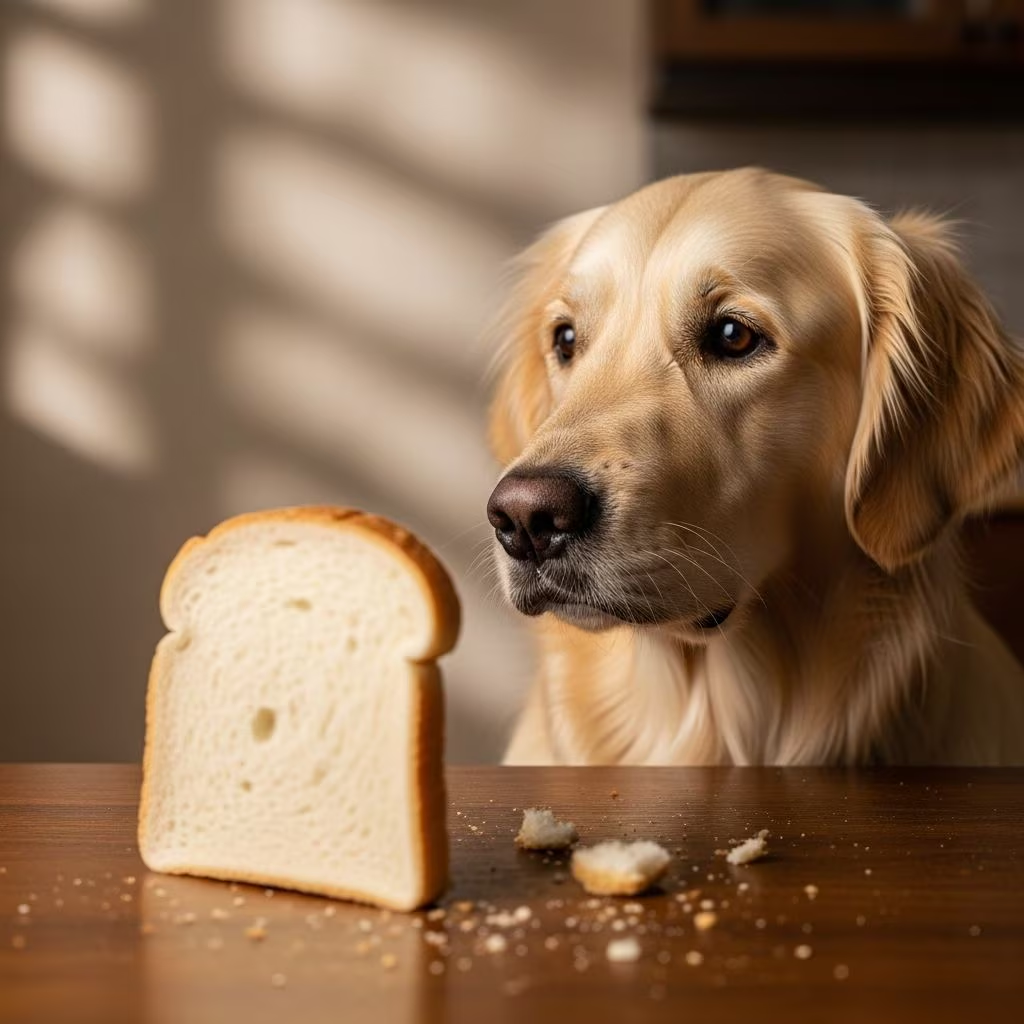
Plain bread can be an occasional treat for most dogs when given in small quantities, but certain varieties and uncooked dough present significant health hazards that pet owners must understand to keep their companions safe.
Understanding Bread’s Place in a Dog’s Diet
Bread forms a dietary staple for humans, yet its role for dogs requires careful consideration. Dogs are primarily carnivores with digestive systems optimized for protein-rich foods rather than carbohydrate-heavy items like bread. While a small piece of plain bread won’t typically cause harm, it provides little nutritional benefit and can contribute to excess calorie intake if overfed. Veterinary experts emphasize that treats, including bread, should never exceed 10% of a dog’s daily caloric needs to prevent obesity and related issues like diabetes or joint strain.
The composition of bread matters greatly. Simple ingredients such as flour, water, yeast, and salt in fully baked form are usually digestible for dogs without allergies. However, added flavors, sweeteners, or fruits turn this innocuous food into a potential toxin. Always inspect labels and opt for minimalist recipes when sharing with pets.
Health Benefits and Drawbacks of Bread for Canines
Does bread offer any upsides for dogs? In rare cases, veterinarians recommend small amounts to soothe mild digestive upset or as a carrier for medication, thanks to its absorbent texture. For instance, plain bread can help bind and expel ingested foreign objects by bulking stool. Yet these applications are vet-directed and not everyday practices.
Drawbacks far outweigh benefits for routine feeding. Bread’s high carbohydrate content converts quickly to sugars, spiking blood glucose and promoting fat storage, especially in less active dogs. Dogs prone to pancreatitis face amplified risks from even modest portions due to potential fat inclusions. Digestive sensitivities may trigger bloating, gas, or loose stools, while wheat-intolerant pups could develop itching, ear infections, or chronic diarrhea.
- Caloric Density: A single slice equals 70-100 empty calories, displacing nutrient-dense kibble.
- Gluten Concerns: Rare celiac-like conditions in dogs mimic human gluten intolerance.
- Dental Impact: Sticky carbs foster plaque buildup, worsening oral health.
The Hidden Peril of Raw Bread Dough
Raw dough stands as the most urgent threat among bread-related risks. When ingested, the warm, acidic canine stomach mimics ideal proofing conditions, causing yeast to ferment rapidly. This expansion leads to gastric distension, potentially progressing to life-threatening bloat or gastric dilatation-volvulus (GDV), where the stomach twists.
Yeast metabolism also produces ethanol, inducing alcohol poisoning. Symptoms emerge within hours: restlessness, unproductive retching, swollen abdomen, drunken staggering, weakness, seizures, coma, or death if untreated. The Merck Veterinary Manual documents this process vividly, noting dough mass expansion and ethanol buildup as primary mechanisms.
Even tiny amounts prove hazardous; a golf-ball-sized lump can inflate dramatically. Immediate veterinary intervention—often involving emetics, monitoring, or surgery—is essential. Prevention trumps cure: secure countertops and discard dough scraps securely during baking.
Safe Bread Varieties for Occasional Treats
Not all breads spell danger. Fully baked, plain options suit most dogs sparingly.
| Bread Type | Safety Level | Notes |
|---|---|---|
| White Bread | Safe (small amounts) | Low fiber; easy on digestion but calorie-dense. |
| Wheat/Whole Grain | Safe (if plain) | Slight fiber boost; avoid if wheat-allergic. |
| Rye Bread | Generally Safe | Plain versions okay; check for seeds or spices. |
| Sourdough (baked) | Safe | Fermentation complete; raw is toxic. |
Toast or crusts work similarly if unbuttered and unsalted. These serve as training rewards or pill pockets without nutritional excess.
Breads and Add-Ins to Strictly Avoid
Many popular breads harbor toxins lethal to dogs. Garlic, onions, and related alliums damage red blood cells, causing hemolytic anemia. Raisins and grapes trigger acute kidney failure, even in trace quantities. Chocolate-infused loaves compound risks with theobromine poisoning.
- Garlic/Onion Bread: Sulfur compounds destroy blood cells; symptoms include pale gums, fatigue.
- Raisin Bread: Nephrotoxic; monitor urine output if exposed.
- Seeded Varieties: Seeds risk intestinal blockages or choking.
- Banana/Pumpkin Bread: Nutmeg, nuts, sugars provoke toxicity or pancreatitis.
- Nut or Chocolate Breads: Macadamias paralyze nerves; chocolate stimulates heart excessively.
Fatty toppings like butter or cheese exacerbate pancreatitis risks, inflaming the pancreas with greasy overload. Xylitol-sweetened breads, rare but deadly, cause hypoglycemia and liver failure.
Recognizing and Responding to Bread-Related Emergencies
Act swiftly if unsafe bread is consumed. For raw dough, rush to an emergency clinic; induce vomiting only under vet guidance, as dough expands en route. Toxic breads warrant toxin hotline calls (e.g., ASPCA at 888-426-4435) followed by professional care.
Observe for these red flags post-ingestion:
- Abdominal swelling or pain
- Vomiting or unproductive heaving
- Lethargy, disorientation, or tremors
- Excessive drooling or panting
- Irregular heartbeat or collapse
Mild overindulgence in plain bread might yield transient diarrhea; withhold food 12-24 hours, then reintroduce bland fare like rice and boiled chicken. Persistent issues demand vet evaluation.
Healthier Alternatives to Bread Treats
Skip bread for superior options packed with canine nutrition. Prioritize vet-approved commercial treats or homemade gems:
- Carrot sticks or apple slices (no seeds) for crunch and vitamins.
- Plain cooked sweet potato for fiber without carbs excess.
- Blueberries or green beans as low-calorie fillers.
- Freeze-dried liver or fish for protein punch.
These sustain weight management while delighting taste buds. Tailor portions to breed, age, and activity—pugs need fewer calories than labradors.
Frequently Asked Questions
Can dogs eat bread crusts?
Yes, plain crusts are safe in moderation, offering no extra risk over soft bread.
Is pita or flatbread okay for dogs?
Plain versions yes; avoid seasoned or stuffed types.
What if my dog ate a whole loaf?
Monitor for GI upset; consult vet if symptoms appear, especially with additives.
Does bread help with diarrhea in dogs?
Vets sometimes suggest it for mild cases to absorb water, but rice is preferable.
Are gluten-free breads safer?
Potentially for allergic dogs, but check for xylitol or fruits.
Conclusion: Treat Wisely, Stay Vigilant
Bread’s allure tempts sharing, but discernment ensures safety. Stick to plain, baked snippets rarely, shun dough and toxins, and favor wholesome alternatives. Your dog’s vitality hinges on informed choices—consult vets for personalized advice amid evolving health needs.
References
- Can Dogs Eat Bread? — PetMD. 2023-10-15. https://www.petmd.com/dog/nutrition/can-dogs-eat-bread
- Can Dogs Eat Bread? — Woof. 2024-05-20. https://mywoof.com/blogs/articles/can-dogs-eat-bread
- Can Dogs Eat Bread? | What Pet Parents Should Know — Jinx. 2023-11-08. https://www.thinkjinx.com/blogs/news/can-dogs-eat-bread-1
- Can Dogs Eat Bread? A Guide to Safety — Purina US. 2024-02-12. https://www.purina.com/articles/dog/feeding/can-dogs-eat/bread
- Giving Your Dog Bread? Here are The Safe vs. Unsafe Options — Lola Hemp. 2023-09-18. https://lolahemp.com/blogs/dog-health/is-bread-good-for-dogs
- Can Dogs Eat Bread? — Native Pet. 2024-01-05. https://nativepet.com/blogs/health/can-dogs-eat-bread
- Bread Ingestion in Pets on the Rise — ASPCApro. 2023-07-22. https://www.aspcapro.org/resource/bread-ingestion-pets



