
Can Dogs Eat Blackberries? Safety & Benefits
Learn if blackberries are safe for dogs, health benefits, and proper serving guidelines.
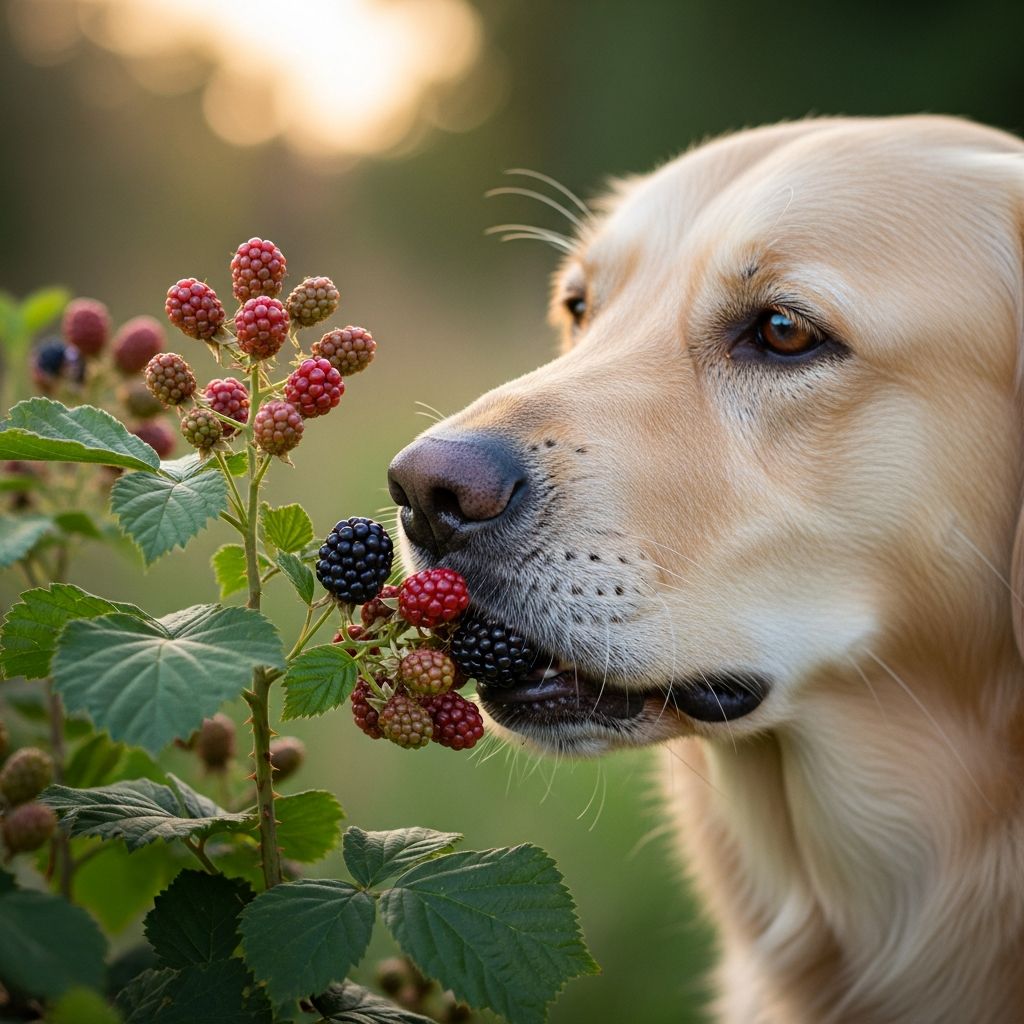
Can Dogs Eat Blackberries?
Yes, dogs can eat blackberries in moderation. These naturally sweet and slightly tart berries are safe for canine consumption when given as an occasional treat as part of a well-balanced diet. Blackberries have emerged as a popular superfood for humans, and the good news is that your furry friend can also enjoy many of the same health benefits. However, it is important to understand the proper serving sizes, preparation methods, and potential risks associated with feeding blackberries to dogs to ensure their safety and well-being.
Are Blackberries Good for Dogs?
Blackberries are relatively low in calories and contain less sugar compared to many other fruits, making them an excellent treat option for dogs. These berries pack a nutritional punch with an impressive array of vitamins and nutrients that can provide specific health benefits to your canine companion. Below are the key nutritional components found in blackberries:
- Vitamins A, B, C, E, and K
- Fiber for digestive health
- Antioxidants to reduce inflammation
- Omega-3 fatty acids
- High water content for hydration
It’s important to note that because blackberries are typically fed in small amounts to dogs, they won’t provide substantial nutritional value to replace a balanced diet. Instead, view blackberries as occasional treats rather than a significant dietary component. The real value lies in offering your dog a healthier alternative to many commercial dog treats that are loaded with calories, fat, and preservatives.
Health Benefits of Blackberries for Dogs
The vitamins and minerals found in blackberries support various aspects of your dog’s health. The fiber content helps regulate digestive function and can promote healthier bowel movements. Vitamins A and E support eye health and skin condition, while vitamin K contributes to bone health and cognitive function. The antioxidants in blackberries help reduce inflammation, which can be particularly beneficial for aging dogs or those with joint issues. Additionally, omega-3 fatty acids support a shiny coat and overall skin health.
Are Blackberries Bad for Dogs?
Blackberries are not inherently bad for dogs, but moderation remains key when feeding any treats. Although blackberries are nutritious and contain relatively low sugar content compared to other fruits, excessive consumption can still cause problems for your furry friend. Potential issues include stomach upset, digestive disturbances, or adverse reactions in dogs with specific food intolerances.
Potential Risks and Concerns
Overfeeding blackberries can lead to several issues. The high fiber content, while generally beneficial, can cause digestive upset if consumed in large quantities. Additionally, the natural sugar content, though lower than other fruits, could still be problematic if your dog consumes too many berries at once. Some dogs may also have individual sensitivities to blackberries or other berries, resulting in gastrointestinal distress.
When introducing blackberries to your dog’s diet, start with a small amount and monitor your pet closely for any signs of digestive upset, including vomiting, diarrhea, or constipation. If your dog experiences any adverse reactions, discontinue feeding blackberries and consult with your veterinarian.
How to Prepare Blackberries for Your Dog
Proper preparation is essential before offering blackberries to your dog. Here are several safe and effective ways to prepare and serve blackberries:
Preparation Methods
- Cut blackberries into small pieces to prevent choking hazards, especially for smaller dogs
- Mash or puree blackberries for easier consumption and digestion
- Freeze mashed blackberries in an ice tray for a refreshing summer treat
- Use whole or chopped blackberries to stuff inside a Kong toy for mental enrichment
- Add mashed blackberries as a topper to your dog’s regular food
Fresh vs. Frozen Blackberries
Your dog can safely consume both fresh and frozen blackberries. If choosing frozen varieties, ensure that the package contains only fruit without added sugar, artificial sweeteners, or xylitol, which is toxic to dogs. Always read ingredient labels carefully before purchasing frozen berries for your pet.
Wild Blackberries
Wild blackberries are safe for dogs to eat, and importantly, there are no poisonous look-alikes for wild blackberries. However, be certain you can correctly identify the berries on the plant before allowing your dog to graze. Ensure that any wild blackberries your dog consumes are free from pesticides, herbicides, and other chemical treatments.
Blackberry Serving Guidelines by Dog Size
The appropriate serving size depends on your dog’s weight and size. Follow these general guidelines when offering blackberries as treats:
| Dog Size | Weight Range | Serving Size |
|---|---|---|
| Extra-small dogs | 2–10 pounds | 1 blackberry |
| Small dogs | 11–20 pounds | 2 blackberries |
| Medium dogs | 21–50 pounds | 2–5 blackberries |
| Large dogs | 51–90 pounds | 5–6 blackberries |
| Extra-large dogs | 91+ pounds | 7–8 blackberries |
Remember that these are guidelines, and you should always start with a smaller amount when first introducing blackberries to your dog’s diet. Watch carefully for any signs of digestive distress before gradually increasing the portion size. Additionally, treats should not constitute more than 10 percent of your dog’s daily caloric intake to maintain proper nutritional balance.
Creative Ways to Serve Blackberries
Beyond simply offering blackberries as standalone treats, there are several creative ways to incorporate them into your dog’s diet:
- Mix mashed blackberries with plain Greek yogurt and spread onto a lick mat for an enriching treat (avoid if your dog is lactose-intolerant)
- Combine mashed blackberries with other dog-safe fruits for variety
- Freeze blackberry puree in ice cube trays for hot summer days
- Add small amounts of mashed blackberries to homemade dog treat recipes
- Use blackberries as a reward during training sessions
Other Berries Safe for Dogs
If your dog enjoys blackberries, you may also consider other berry options. Dogs can safely eat raspberries, strawberries, and blueberries in moderation. However, certain berries are toxic to dogs and should be avoided entirely, including pokeberries, holly berries, baneberries, and gooseberries. Always verify that any berry you offer is safe for canine consumption before feeding it to your dog.
When to Contact Your Veterinarian
Contact your veterinarian if your dog experiences any of the following after consuming blackberries:
- Persistent vomiting or diarrhea
- Constipation lasting more than a day or two
- Signs of choking or difficulty swallowing
- Unusual lethargy or behavior changes
- Loss of appetite or refusal to eat regular meals
- Allergic reactions such as itching, swelling, or difficulty breathing
Frequently Asked Questions
Q: Can dogs eat wild blackberries or blackberry hybrids?
A: Yes, dogs can safely eat wild blackberries and blackberry hybrids such as loganberries. Make sure you can correctly identify the fruit and that it is free from pesticides and other chemical treatments before allowing your dog to consume them.
Q: Are blackberries good for dogs with sensitive stomachs?
A: Dogs with sensitive stomachs should be introduced to blackberries very gradually and in very small amounts. The fiber and natural sugars in blackberries can trigger digestive upset in some dogs. Start with just one berry and monitor your dog’s reaction before offering more.
Q: Can I give my dog blackberry jam or blackberry juice?
A: Blackberry jam and commercial blackberry juice are not recommended for dogs because they typically contain added sugars and may contain xylitol, an artificial sweetener that is toxic to dogs. Stick to fresh or frozen unsweetened blackberries.
Q: How often can I give my dog blackberries?
A: Blackberries should be given as an occasional treat, not a daily staple. Offering them once or twice per week in appropriate portions is generally safe for most dogs. Always ensure treats make up no more than 10 percent of your dog’s daily caloric intake.
Q: Can puppies eat blackberries?
A: Puppies can eat blackberries in very small quantities once they are eating solid food and their digestive systems have matured. Start with tiny portions and watch for any signs of digestive upset. Consult your veterinarian before introducing new foods to your puppy’s diet.
Q: Are blackberries safe for dogs with diabetes?
A: While blackberries are lower in sugar than many other fruits, they should still be given cautiously to diabetic dogs. Consult with your veterinarian about appropriate treat options for your diabetic dog, as individual dietary needs may vary.
References
- Can Dogs Eat Blackberries? — PetMD. 2024-11-15. https://www.petmd.com/dog/nutrition/can-dogs-eat-blackberries
- Can Dogs Eat Blackberries? Here’s Why They’re a Great Treat — Green Matters. 2024. https://www.greenmatters.com/pets/can-dogs-eat-blackberries
- Can dogs eat blackberries? — ElleVet Sciences. 2024. https://www.ellevetsciences.com/blog/can-dogs-eat-blackberries/
- Can Dogs Eat Blackberries? Vet-Approved Facts & FAQ — Dogster. 2024. https://www.dogster.com/dog-nutrition/can-dogs-eat-blackberries
- Can Dogs Eat Blackberries? — Chewy. 2024. https://www.chewy.com/education/dog/food-and-nutrition/can-dogs-eat-blackberries
Similar Articles








Read full bio of medha deb




