

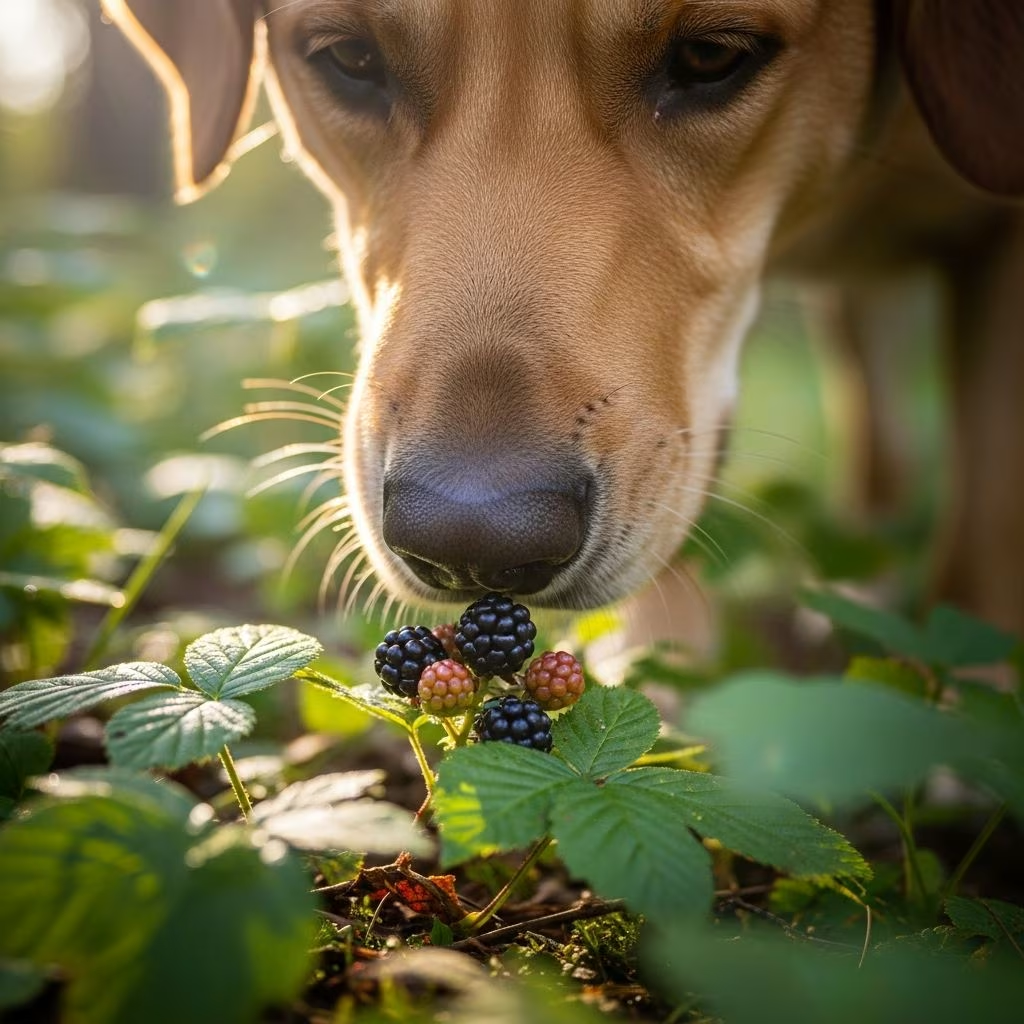
Can Dogs Eat Blackberries?
Yes, dogs can eat blackberries! So long as you’re feeding your pup fresh blackberries without any added sugar, these naturally sweet, slightly tart berries are one of those human foods safe for dogs. Blackberries make a healthy treat or snack and are also an easy way to add fiber to your dog’s diet. The key word here is \”treat\”—a dog’s nutritional needs should be met by their regular food, and treats should only comprise 10% of their diet.
Key Takeaways About Blackberries for Dogs
- Dogs can eat blackberries in moderation, as long as they are fresh or unsweetened and free of added sugars or artificial sweeteners like xylitol
- Blackberries are a healthy, low-calorie treat, rich in fiber, vitamins, antioxidants, and omega-3s
- These berries can support your dog’s immune system, skin, coat, and overall health
- Fresh blackberries should be given occasionally, not as a daily staple
- Always introduce new foods gradually and monitor your dog for any adverse reactions
Nutritional Benefits of Blackberries for Dogs
Blackberries are packed with essential nutrients that can benefit your canine companion’s overall health. These small but mighty berries offer numerous advantages when included as part of a balanced diet.
Rich in Vitamins and Minerals
Blackberries contain essential vitamins including vitamin C for immune support, vitamin K for bone health and blood clotting, and vitamin E for antioxidant protection. These berries also provide important minerals such as calcium, iron, and potassium, all of which contribute to your dog’s overall wellness.
High in Antioxidants
One of the most significant benefits of blackberries is their high antioxidant content. These compounds help neutralize free radicals in your dog’s body, potentially reducing inflammation and supporting cellular health. Blackberries contain phytochemicals, which are plant compounds that have shown promise in supporting long-term health benefits.
Excellent Source of Fiber
Blackberries are an excellent source of dietary fiber, which plays a crucial role in maintaining digestive health. Fiber aids in digestion, promotes regular bowel movements, and supports a healthy gastrointestinal system. This makes blackberries a particularly good choice for dogs that need digestive support.
Low in Calories and Sugar
Unlike many other fruits, blackberries are relatively low in calories and contain moderate natural sugar levels. This makes them an ideal treat for dogs of all sizes, especially those requiring weight management. You can offer your pup a few blackberries without worrying about excess empty calories.
Omega-3 Fatty Acids
Blackberries contain omega-3 fatty acids, which support skin and coat health. These beneficial fats can contribute to a shinier coat and healthier skin, making blackberries a beauty treatment from the inside out for your furry friend.
How Much Blackberries Can Dogs Eat?
When introducing blackberries to your dog’s diet, moderation is essential. Following the 10/90% treat rule means treats like blackberries should comprise no more than 10% of your dog’s daily caloric intake, with the remaining 90% coming from their regular, nutritionally balanced dog food.
Serving Guidelines by Dog Size
- Small dogs: A few berries (approximately 2-4 blackberries) once or twice per week
- Medium dogs: A small handful (approximately 4-8 blackberries) once or twice per week
- Large dogs: A larger handful (approximately 8-12 blackberries) once or twice per week
These serving sizes are general guidelines, and you should adjust based on your individual dog’s size, age, health status, and dietary needs. Always consult with your veterinarian if you’re unsure about appropriate portion sizes for your specific pet.
How to Prepare Blackberries for Your Dog
Preparing blackberries correctly ensures your dog can safely enjoy this healthy treat. Follow these guidelines for the safest preparation:
Selection and Storage
Choose fresh, ripe blackberries that are plump with a deep purple or black color. Blackberries are best during summer months between June and September, though they’re grown from February through September. Avoid any blackberries that appear shriveled or are oozing juice, as these may be overripe or contaminated.
Cleaning
Rinse blackberries thoroughly under cool running water to remove any dirt, pesticides, or contaminants. Pat them dry with a clean cloth before offering them to your dog.
Plain and Unsweetened
Always offer plain blackberries without any added sugar, honey, or artificial sweeteners. Avoid commercially prepared blackberry treats, jams, or syrups, as these often contain harmful additives. Never feed your dog blackberries that have been prepared with xylitol, as this artificial sweetener is highly toxic to dogs.
Remove Any Stems or Leaves
Before serving, remove any stems, leaves, or other plant material that could pose a choking hazard or cause digestive upset.
Potential Risks and Precautions
While blackberries are generally safe for dogs, there are some considerations and potential risks to be aware of before adding them to your pup’s diet.
Digestive Upset
Blackberries have a high fiber content, so eating too many can cause digestive upset such as diarrhea, gas, or vomiting. Introduce blackberries slowly and in small quantities to allow your dog’s digestive system to adjust to this new food.
Xylitol Concerns
Blackberries do contain trace amounts of naturally occurring xylitol, which is highly toxic to dogs. However, the amount found naturally in blackberries is so minimal that your dog would need to consume an enormous quantity to experience any adverse effects. When fed in recommended portions, fresh blackberries pose no xylitol toxicity risk. However, if your dog exhibits any concerning symptoms after eating blackberries, contact your veterinarian immediately.
Sugar Content for Diabetic Dogs
Although blackberries are lower in sugar than many other fruits, dogs with diabetes or those prone to weight gain should consume them sparingly. Always discuss treat options with your veterinarian if your dog has diabetes or other health conditions.
Allergic Reactions
While rare, some dogs may have an allergic reaction to blackberries. Watch for signs such as itching, sneezing, hives, or other unusual symptoms. If your dog shows any signs of allergic reaction, discontinue feeding blackberries and consult your veterinarian.
Warning Signs to Watch For
If your dog consumes too many blackberries or experiences an adverse reaction, watch for these warning signs and contact your veterinarian if they occur:
- Excessive vomiting
- Severe or prolonged diarrhea
- Blood in vomit or stool
- Seizures
- Weakness or loss of coordination
- Collapse or lethargy
- Loss of appetite
- Excessive drooling
Comparison: Blackberries vs. Other Dog-Safe Fruits
To help you understand how blackberries stack up against other dog-safe fruits, consider this comparison:
| Fruit | Antioxidants | Sugar Content | Fiber | Calorie Density |
|---|---|---|---|---|
| Blackberries | High | Low | High | Low |
| Blueberries | Very High | Low | Moderate | Low |
| Apples | Moderate | Medium | Moderate | Low |
| Bananas | Low | High | Low | Moderate |
| Strawberries | High | Medium | Moderate | High |
As you can see, blackberries offer a rare combination: low sugar content, high fiber, and excellent antioxidant density. This makes them a strong contender among dog-safe fruits for overall nutritional value.
Creative Ways to Serve Blackberries to Your Dog
To keep treat time interesting, try these creative ways to offer blackberries to your pup:
- Fresh and whole: Simply offer a few fresh blackberries as a quick snack
- Frozen treats: Freeze blackberries for a refreshing summer treat that’s great for teething puppies
- Mixed with regular food: Sprinkle a few crushed blackberries on top of your dog’s regular meal
- Homemade treat: Mix mashed blackberries with plain yogurt and freeze in ice cube trays
- Part of a treat recipe: Use blackberries in homemade dog treat recipes (without added sugar or xylitol)
Other Healthy Treat Alternatives
If your dog doesn’t enjoy blackberries or you want to offer variety, consider these other healthy treat options that are safe for dogs:
- Carrots (excellent for teeth cleaning)
- Blueberries
- Watermelon (without seeds)
- Pumpkin
- Plain yogurt (unsweetened)
- Apples (without seeds)
- Peas
Final Verdict: Should You Feed Your Dog Blackberries?
Yes, dogs can eat blackberries, and they can be a wonderful addition to your pup’s treat rotation. Blackberries are safe, nutritious, naturally sweet treats that provide antioxidants, fiber, and essential vitamins without excess calories. They make an excellent option for dogs requiring weight management or those who simply enjoy the occasional berry snack.
However, remember that not all dogs are the same. What works wonderfully for one dog might not suit another. Some dogs may have sensitivities, allergies, or underlying health conditions that make blackberries less suitable. When introducing any new food, including blackberries, do so gradually and monitor your dog closely for any adverse reactions.
Frequently Asked Questions
Q: Are blackberries toxic to dogs?
A: No, blackberries are not toxic to dogs. They are safe when offered in moderation and prepared properly. Although they contain trace amounts of naturally occurring xylitol, the quantity is so minimal that it poses no danger to dogs when consumed in recommended portions.
Q: Can puppies eat blackberries?
A: Yes, puppies can eat blackberries in very small quantities once they begin eating solid foods. However, it’s best to introduce them gradually and in tiny amounts to ensure their developing digestive systems can handle them without upset. Always consult your veterinarian before introducing new foods to puppies.
Q: How often can I give my dog blackberries?
A: Blackberries should be offered as an occasional treat, not a daily snack. Once or twice per week in appropriate portions is ideal. Remember that treats should comprise no more than 10% of your dog’s daily caloric intake.
Q: Can dogs eat frozen blackberries?
A: Yes, frozen blackberries can be a great treat, especially during warm weather. They provide a refreshing option and can be particularly soothing for teething puppies. Ensure frozen blackberries are plain and unsweetened with no added ingredients.
Q: What should I do if my dog eats too many blackberries?
A: If your dog consumes a large quantity of blackberries, monitor them closely for signs of digestive upset or other adverse reactions. Most dogs will experience mild symptoms like diarrhea or gas if they overindulge. However, if symptoms persist or worsen, or if you notice any concerning signs like vomiting with blood, weakness, or seizures, contact your veterinarian immediately.
Q: Are blackberry seeds safe for dogs?
A: Yes, blackberry seeds are safe for dogs to consume. Unlike some other fruits, blackberry seeds don’t pose a toxicity concern and can be eaten without worry.
Q: Can diabetic dogs eat blackberries?
A: Diabetic dogs can eat blackberries in very limited quantities due to their sugar content, though it’s lower than many fruits. Always consult your veterinarian before introducing any new treats to a diabetic dog to ensure they fit within their dietary management plan.
References
- Can Dogs Eat Blackberries? — Chewy. 2025. https://www.chewy.com/education/dog/food-and-nutrition/can-dogs-eat-blackberries
- Can Dogs Eat Blackberries? — PetMD. 2025. https://www.petmd.com/dog/nutrition/what-fruits-can-dogs-eat
- Can Dogs Eat Blackberries? — American Kennel Club. 2025. https://www.akc.org/expert-advice/nutrition/can-dogs-eat-blackberries/
- Can Dogs Eat Blackberries? – Vet-Approved Guide to This Fruit — Noble Vet Clinic. 2025. https://noblevetclinic.com/blog/can-dogs-eat-blackberries
- Can Dogs Eat Blackberries? — Dragonfly Products. 2025. https://dragonflyproducts.co.uk/blogs/dog-nutrition/dog-blackberries
- Can Dogs Eat Blackberries? Health Benefits, Safety Tips and More — CareCredit. 2025. https://www.carecredit.com/well-u/pet-care/can-dogs-eat-blackberries/



