

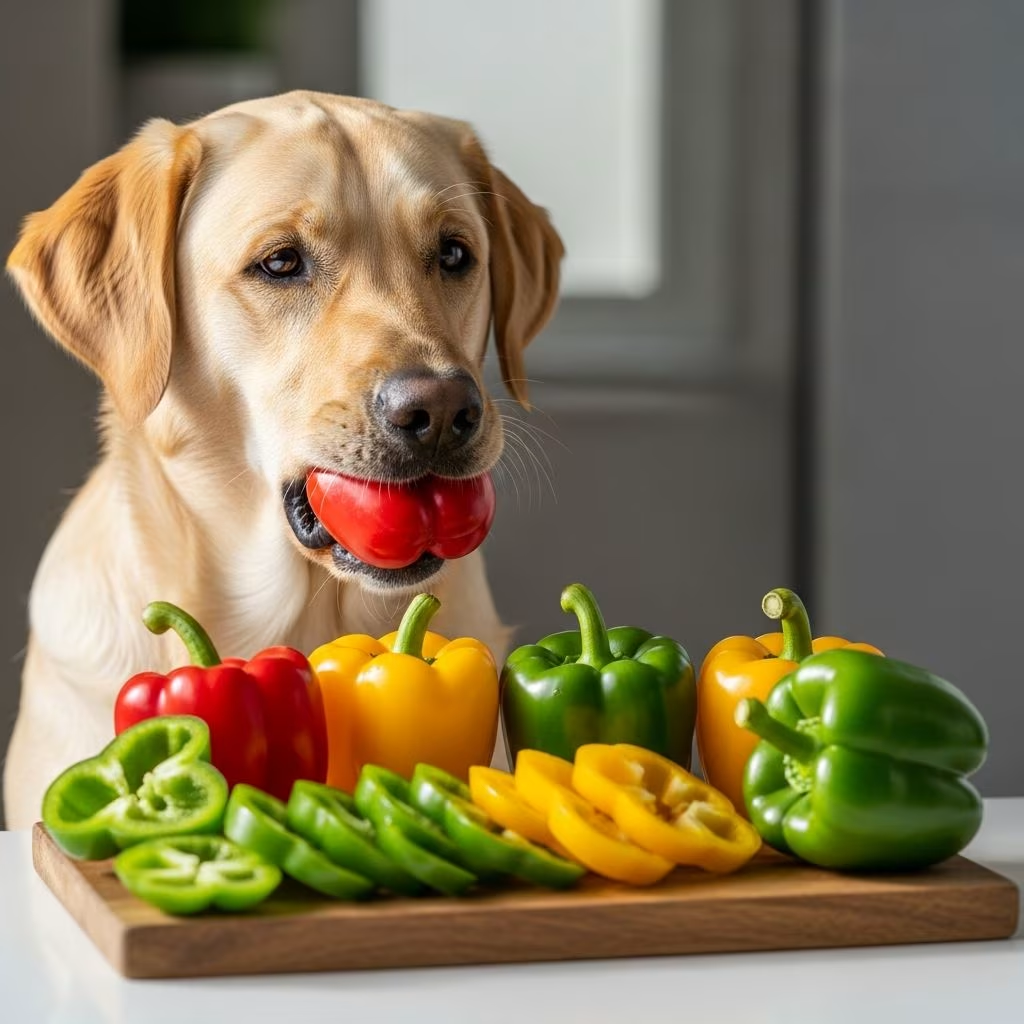
Can Dogs Eat Bell Peppers?
As a pet owner, you may wonder whether it’s safe to share your favorite vegetables with your furry companion. Bell peppers are a common ingredient in many households, and if you’ve noticed your dog showing interest in this colorful vegetable, you’re likely wondering if it’s appropriate to offer them a taste. The good news is that yes, dogs can safely eat bell peppers. Unlike many human foods that can be harmful to canines, bell peppers are non-toxic and can actually provide valuable nutritional benefits to your pet when served properly.
Bell peppers are not just safe for dogs—they represent a healthy alternative snack that you can confidently share with your pet. These vibrant vegetables are packed with essential vitamins and minerals that support your dog’s overall health and wellbeing. However, like any new food introduction, bell peppers should be offered thoughtfully and in appropriate amounts to ensure your dog’s digestive system adjusts properly.
Nutritional Benefits of Bell Peppers for Dogs
Bell peppers are nutritional powerhouses that offer numerous health benefits for your canine friend. These vegetables contain several key vitamins and nutrients that contribute to optimal canine health. Understanding these benefits can help you make informed decisions about incorporating bell peppers into your dog’s diet.
Bell peppers are rich in vitamins A, B6, E, and lutein, making them an excellent source of multiple essential nutrients. They’re particularly notable for their high vitamin C content and beta-carotene levels, both of which function as powerful antioxidants. These antioxidants play a crucial role in supporting your dog’s immune system, helping their body fight off harmful free radicals and maintain overall wellness.
Beta-carotene, one of the primary antioxidants found in bell peppers, is particularly significant because your dog’s body can convert it into vitamin A as needed. This conversion is important for maintaining several aspects of your dog’s health, including the condition of their skin and coat, as well as supporting optimal eye health and vision. Additionally, bell peppers contain fiber, which can aid in digestive health, and they’re low in calories, making them an excellent choice for dogs that need to maintain or lose weight.
Color Matters: Which Bell Pepper Is Best?
While all colors of bell peppers are safe for dogs to consume, they are not all equally nutritious. The color of a bell pepper actually indicates its nutritional profile and maturity level.
Red bell peppers stand out as the most nutritious option for your dog. Red peppers have spent the longest time ripening on the vine compared to other color varieties. This extended maturation period allows them to absorb more sunlight and develop higher concentrations of vitamins and antioxidants. Red bell peppers contain the highest amounts of vitamins A and C, as well as the antioxidant compounds beta-carotene and lycopene, making them the superior choice for maximizing your dog’s nutritional intake.
Yellow, orange, and green bell peppers are also safe and nutritious options, though they contain slightly lower levels of vitamins and antioxidants compared to red varieties. Green peppers, in particular, are picked earlier in the ripening process, which accounts for their lower nutrient density. However, all color varieties still provide valuable nutrition and can be included in your dog’s diet.
When selecting bell peppers for your dog, choosing red varieties when possible will provide the maximum nutritional benefit. However, you shouldn’t avoid other colors if that’s what you have available—any color bell pepper can contribute positively to your dog’s health.
Proper Portion Sizes for Your Dog
Determining the right amount of bell pepper to feed your dog is essential for maintaining their health and preventing digestive upset. The appropriate portion depends on your dog’s size and current diet composition.
As a general guideline, treats and human foods, including bell peppers, should comprise no more than 10 percent of your dog’s total daily caloric intake, with the remaining 90 percent coming from nutritionally balanced commercial dog food. Since bell peppers are very low in calories—approximately 40 calories for one medium red bell pepper—you have some flexibility in portion sizing.
For large dogs: Dr. Carly Fox, Senior Veterinarian at the Schwarzman Animal Medical Center in New York City, recommends that large dogs eat less than one-half of a pepper at one time. You can offer up to one-half of a small pepper as an appropriate serving.
For small dogs: Small dogs should receive smaller portions, typically less than one-quarter of a pepper at a time. A few small, chopped pieces of bell pepper will suffice for toy and small breed dogs.
When introducing bell peppers to your dog’s diet for the first time, start with very small amounts to observe how your dog’s digestive system responds. Some dogs will tolerate bell peppers without issue, while others may experience sensitivity. If your dog shows no signs of digestive upset after the initial introduction, you can gradually increase the portion size over subsequent feedings.
How to Prepare Bell Peppers Safely for Dogs
Proper preparation is crucial for ensuring your dog can safely and comfortably consume bell peppers. There are several important guidelines to follow when preparing this vegetable for your canine companion.
Remove Seeds and Stems
While the seeds and stems of bell peppers are not toxic to dogs, they can be difficult for your dog to digest and may cause indigestion. Additionally, stems and large pieces can present a choking hazard, particularly for smaller dog breeds. Always remove both the seeds and stems before offering bell pepper to your dog.
Avoid Seasonings and Harmful Additives
Never add seasoning, salt, or any other flavorings to bell peppers intended for your dog. These additives can upset your dog’s stomach and may pose health risks. Additionally, never feed your dog peppers that have been mixed with onions or garlic, as both of these ingredients are toxic to dogs and can cause serious health complications.
Avoid Spicy Pepper Varieties
While bell peppers are safe, spicy pepper varieties such as jalapeños, habaneros, and chili peppers should never be given to dogs. These hot peppers contain capsaicin, a compound that can cause significant gastrointestinal distress in canines. Symptoms of capsaicin ingestion include excessive panting, drooling, stomach pain, indigestion, diarrhea, and vomiting.
Prepare the Texture Appropriately
The outer skin of a bell pepper can be tough and challenging for dogs to chew, potentially making it difficult to digest. To make bell peppers easier for your dog to consume and digest, you have several options:
– Steam the pepper: Steaming softens the skin and makes the pepper easier to chew and digest- Puree the pepper: Pureeing creates a smooth texture that’s simple for your dog to consume- Chop into small pieces: Cut raw bell pepper into appropriate bite-sized pieces for your dog’s size- Cook plain: Offer steamed or sautéed peppers without oils or seasonings
Methods for Serving Bell Peppers to Dogs
There are multiple creative ways to incorporate bell peppers into your dog’s diet, making it easy to add nutritional variety to their meals.
Raw Bell Pepper Pieces
The simplest method is to offer raw, chopped pieces of bell pepper with seeds and stems removed. Many dogs enjoy the crispy texture and natural sweetness of raw peppers. This preparation requires minimal effort and preserves all the nutritional benefits.
Cooked Bell Peppers
Steaming or gentle cooking makes bell peppers softer and may be easier for some dogs to digest. Always prepare cooked peppers without oils, butter, or seasonings to keep them safe for your pet.
Mixed into Regular Meals
A small amount of chopped bell pepper can be mixed into your dog’s regular kibble to add variety and nutritional enhancement to their meal. This method works particularly well for dogs that enjoy experiencing different textures and flavors.
Frozen Bell Pepper Snacks
Freezing bell pepper slices creates a refreshing, crunchy snack that many dogs enjoy, especially during warm weather. Frozen peppers can provide a cooling treat while delivering the same nutritional benefits as fresh varieties.
Stuffed Bell Peppers
For a more elaborate treat, you can create dog-friendly stuffed bell peppers by following these steps:
– Remove the top of the pepper and scoop out all seeds- Fill the pepper cavity with a mixture of dog-safe vegetables and a small amount of your dog’s regular food- Bake at 350°F (approximately 175°C) until soft, about 20 minutes- Remove from the oven and allow to cool completely- Cut into appropriately-sized portions based on your dog’s size- Serve as an occasional special treat
Never add garlic, onion, or any seasonings to stuffed peppers, as these can be harmful to your dog.
Potential Risks and Considerations
While bell peppers are generally safe for dogs, there are some potential concerns to be aware of when incorporating them into your pet’s diet.
Digestive Sensitivity
Some dogs may experience digestive upset when consuming bell peppers, particularly if they eat too much at once. Introducing bell peppers gradually allows your dog’s digestive system to adjust to this new food. Watch for signs of digestive distress including vomiting, diarrhea, or loss of appetite.
Choking Hazard
Large pieces of bell pepper and the stems can present choking hazards, especially for smaller dog breeds. Always cut peppers into appropriate bite-sized pieces and remove all stems and seeds before offering them to your dog.
Special Considerations for Puppies
Puppies have more sensitive digestive systems than adult dogs. While a tiny piece of bell pepper is unlikely to cause serious harm, even small dietary changes can cause digestive tract irritation in young dogs. It’s typically best to avoid peppers until your puppy is older and their digestive system has fully matured. Always consult your veterinarian before introducing new foods to a puppy’s diet.
When to Consult Your Veterinarian
Before introducing bell peppers or any new food into your dog’s diet, it’s important to consult with your veterinarian. This is especially crucial if your dog has pre-existing health conditions, food sensitivities, or is taking medications that might interact with dietary changes.
If your dog experiences any adverse reactions after consuming bell peppers—such as vomiting, diarrhea, excessive gas, or changes in appetite—discontinue feeding bell peppers and contact your veterinarian promptly. Your vet can determine whether your dog has a sensitivity to bell peppers or if something else is causing the reaction.
Frequently Asked Questions About Bell Peppers and Dogs
Q: Are bell peppers toxic to dogs?
A: No, bell peppers of all colors are completely safe for dogs to eat. They are not toxic and actually provide nutritional benefits when served appropriately. However, spicy peppers like jalapeños and chili peppers should be avoided as they contain capsaicin, which can cause digestive upset.
Q: Which color bell pepper is healthiest for dogs?
A: Red bell peppers are considered the healthiest option for dogs. They have the highest levels of vitamins A and C, as well as beta-carotene and other antioxidants because they spend the longest time ripening on the vine. However, all colors are safe and nutritious.
Q: How much bell pepper can my dog eat?
A: Large dogs should eat less than one-half of a bell pepper at a time, while small dogs should eat less than one-quarter of a pepper. Treats should comprise no more than 10 percent of your dog’s daily caloric intake, with the remaining 90 percent from balanced dog food.
Q: Can dogs eat raw bell peppers?
A: Yes, dogs can safely eat raw bell peppers with seeds and stems removed. Many dogs enjoy the crispy texture of raw peppers. However, steaming or cooking them can make them easier to digest, though always prepare them without oils or seasonings.
Q: Can puppies eat bell peppers?
A: Puppies have more sensitive digestive systems than adult dogs. While a tiny piece likely won’t cause harm, it’s generally best to wait until your puppy is older before introducing bell peppers. Always consult your veterinarian before offering new foods to puppies.
Q: Are bell pepper seeds and stems safe for dogs?
A: While seeds and stems are not toxic, they can be difficult for dogs to digest and may cause indigestion. Additionally, they can present a choking hazard, especially for small dogs. Always remove both before serving bell pepper to your dog.
Q: Can dogs eat bell peppers with seasoning?
A: No, never add seasoning, salt, or other flavorings to bell peppers for your dog. Additionally, avoid peppers mixed with onions or garlic, as these ingredients are toxic to dogs. Always serve plain, unseasoned peppers only.
Q: What should I do if my dog shows signs of digestive upset?
A: If your dog experiences vomiting, diarrhea, or other signs of digestive distress after eating bell peppers, discontinue feeding them and contact your veterinarian. Start with smaller amounts next time and introduce new foods gradually to allow your dog’s digestive system to adjust.
References
- Can Dogs Eat Bell Peppers? — American Kennel Club. 2024. https://www.akc.org/expert-advice/nutrition/can-dogs-eat-bell-peppers/
- Can Dogs Eat Bell Peppers? — Chewy. 2024. https://www.chewy.com/education/dog/food-and-nutrition/can-dogs-eat-bell-peppers
- Can Dogs Eat Peppers? — Insurify. 2024. https://insurify.com/pet-insurance/knowledge/can-dogs-eat-peppers/
- What Vegetables Can Dogs Eat? — PetMD. 2024. https://www.petmd.com/dog/nutrition/what-vegetables-can-dogs-eat



