

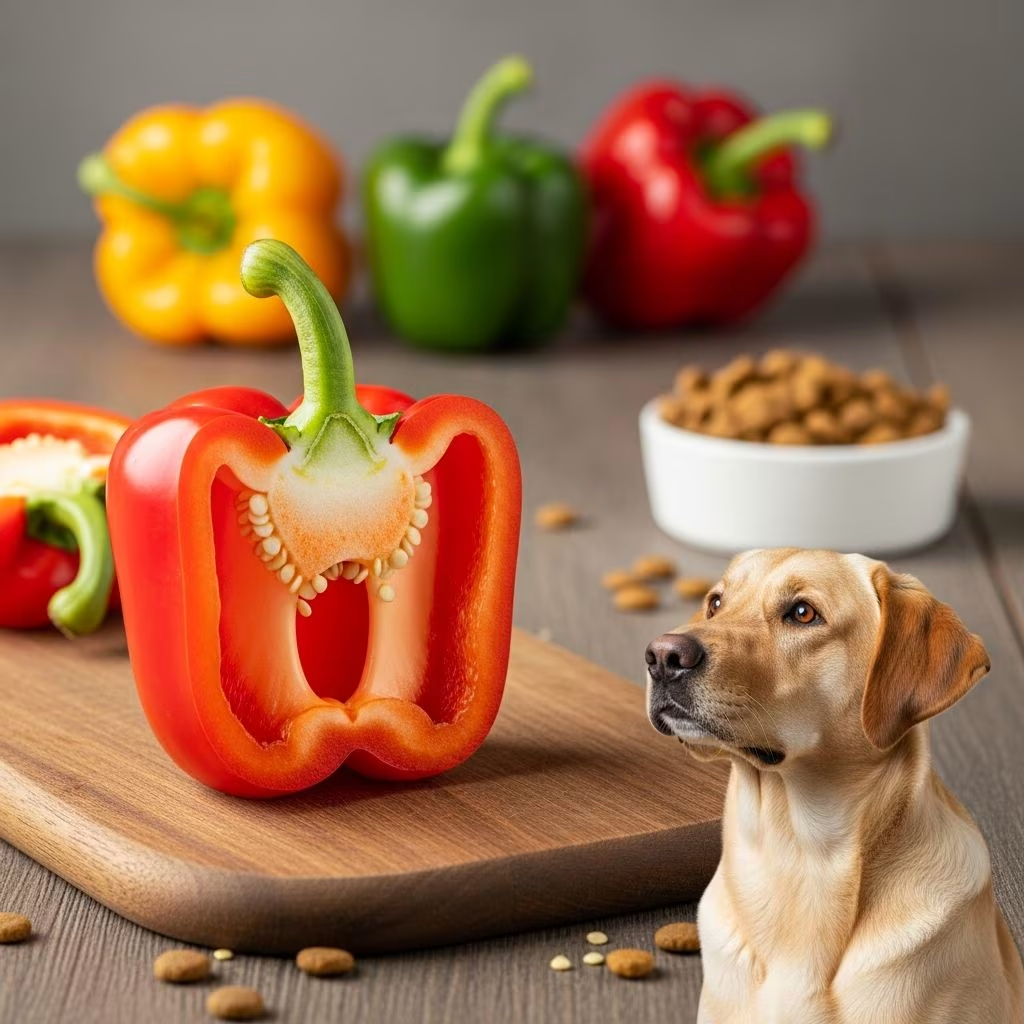
Bell peppers, known for their vibrant colors and crisp texture, are safe for dogs to consume when prepared properly. These vegetables provide essential nutrients without the risks associated with spicy varieties.
Nutritional Profile of Bell Peppers for Canines
Bell peppers stand out as a low-calorie option rich in vital nutrients. A medium-sized pepper contains approximately 40 calories, primarily from natural sugars and carbohydrates, making it ideal for weight management.
- Vitamin C Abundance: Supports immune function and acts as an antioxidant to combat free radicals.
- Vitamin A and Beta-Carotene: Promotes eye health, skin integrity, and coat shine, especially prevalent in ripened varieties.
- Dietary Fiber: Aids digestion, prevents constipation, and fosters gut health.
- High Water Content: Contributes to hydration, beneficial during hot weather or for dogs with low thirst drive.
- Antioxidants like Lycopene: Found in red peppers, these may reduce inflammation and support joint comfort in aging dogs.
Compared to many commercial treats, bell peppers deliver more nutrition per calorie, serving as a wholesome alternative.
Safest Varieties: Colors and Maturity Levels
All non-spicy bell peppers—red, green, yellow, and orange—are suitable for dogs. Red peppers are the most nutrient-dense due to longer ripening on the vine, boasting higher levels of vitamins A and C.
| Color | Nutrient Highlights | Best For |
|---|---|---|
| Red | Highest beta-carotene, lycopene, vitamins A & C | Immune boost, antioxidants |
| Yellow/Orange | Good vitamin C, milder flavor | General treats, picky eaters |
| Green | Lower sugars, still fibrous | Introductory feeding |
Opt for organic produce to minimize pesticide exposure, and always wash thoroughly.
Preparation Essentials for Safe Consumption
Proper prep prevents hazards like choking or digestive woes. Remove stems, seeds, and core completely, as they pose no toxicity but can be tough to digest or create blockages.
- Wash under running water to eliminate residues.
- Slice into small, bite-sized pieces suited to your dog’s size—smaller for toy breeds.
- Serve raw for maximum crunch and nutrients, or lightly steam/cook without seasonings, oils, salt, or garlic/onions.
- Introduce gradually: Start with tiny amounts to monitor tolerance.
Avoid cooked peppers from human dishes, as additives like butter or spices can harm dogs.
Recommended Portion Sizes by Dog Size
Treats, including bell peppers, should not exceed 10% of daily calories; the rest from balanced kibble or wet food. Overfeeding fiber-rich veggies risks diarrhea.
| Dog Size | Weight Range | Daily Bell Pepper Amount |
|---|---|---|
| Small | Under 20 lbs | 1-2 tablespoons or ¼ pepper |
| Medium | 20-50 lbs | 2-4 tablespoons or ½ pepper |
| Large | Over 50 lbs | ¼ to ½ pepper |
Adjust based on activity level and health; consult a vet for pups, seniors, or those with conditions like diabetes.
Health Advantages Beyond Basic Nutrition
Incorporating bell peppers supports multiple systems:
- Weight Control: Low-caloric density satisfies hunger without excess energy.
- Digestive Regularity: Fiber promotes firm stools and microbiome balance.
- Joint and Anti-Inflammatory Effects: Antioxidants may ease arthritis symptoms.
- Immune and Skin Support: Vitamins fortify defenses against infections and allergies.
- Hydration Boost: Over 90% water content aids dehydrated pets.
Studies on antioxidants in produce suggest potential cancer-preventive properties, though more canine-specific research is needed.
Potential Risks and Warning Signs
While safe, excesses or improper prep can cause issues:
- GI Upset: Too much fiber leads to gas, bloating, diarrhea, or vomiting—common in sensitive stomachs.
- Choking: Large chunks endanger small dogs; always supervise.
- Allergies: Rare, but watch for itching, ear infections, or paw licking post-introduction.
- Pesticides: Non-organic may irritate; peel skin if concerned.
Steer clear of hot peppers (jalapeños, habaneros) containing capsaicin, which triggers drooling, pain, and severe GI distress. If symptoms appear, withhold food, offer water, and contact a vet.
Creative Ways to Serve Bell Peppers
Enhance mealtime with these ideas:
- Mix diced pieces into kibble for flavor.
- Freeze chunks in broth for cooling summer treats.
- Stuff halves with dog-safe peanut butter or yogurt.
- Blend into homemade toppers or puree for liquids.
- Combine with carrots or green beans for veggie medleys.
These methods boost palatability while preserving nutrients.
Common Myths Debunked
Myth: All peppers are dangerous. Only spicy ones are; bell peppers lack capsaicin.
Myth: Seeds are poisonous. Non-toxic but indigestible—remove for safety.
Myth: Cooked is always better. Raw retains more vitamins; both work if plain.
Frequently Asked Questions
Are bell peppers toxic to dogs?
No, all colors of bell peppers are non-toxic and beneficial in moderation.
Which color is best for dogs?
Red offers the most nutrients due to extended ripening.
Can puppies eat bell peppers?
Yes, in tiny amounts after weaning; consult vet for tailored advice.
What if my dog eats too much?
Expect mild upset; fast briefly and hydrate. Seek vet if persistent.
Are spicy peppers okay?
No, capsaicin causes pain and illness—avoid entirely.
Can I feed bell pepper skin?
Yes for most dogs, but peel for those with sensitivities.
Expert Tips for Integration
Veterinarians recommend bell peppers as part of a varied diet. Dr. Carly Fox notes they are a healthy snack alternative. Balance with protein sources and monitor weight. For obese or diabetic dogs, their low glycemic index is advantageous.
Always prioritize commercial complete foods; veggies supplement, not replace.
References
- Can Dogs Have Bell Peppers? — Four Leaf Rover. 2023. https://fourleafrover.com/blogs/natural-health/can-dogs-have-bell-peppers
- Can Dogs Eat Bell Peppers? — Chewy. 2024-02-15. https://www.chewy.com/education/dog/food-and-nutrition/can-dogs-eat-bell-peppers
- Can Dogs Eat Bell Peppers? — American Kennel Club. 2023-06-10. https://www.akc.org/expert-advice/nutrition/can-dogs-eat-bell-peppers/
- Can Dogs Eat Bell Peppers? — PetMD. 2024. https://www.petmd.com/dog/nutrition/can-dogs-eat-bell-peppers
- Bell Peppers for Dogs — DogCancer.com. 2023. https://www.dogcancer.com/articles/diet-and-lifestyle/bell-peppers-for-dogs/
- Can Dogs Eat Bell Peppers? — MyWoof. 2024-01-20. https://mywoof.com/blogs/articles/can-dogs-eat-bell-peppers-safe-healthy-delicious-ways-to-share-with-your-pup



