

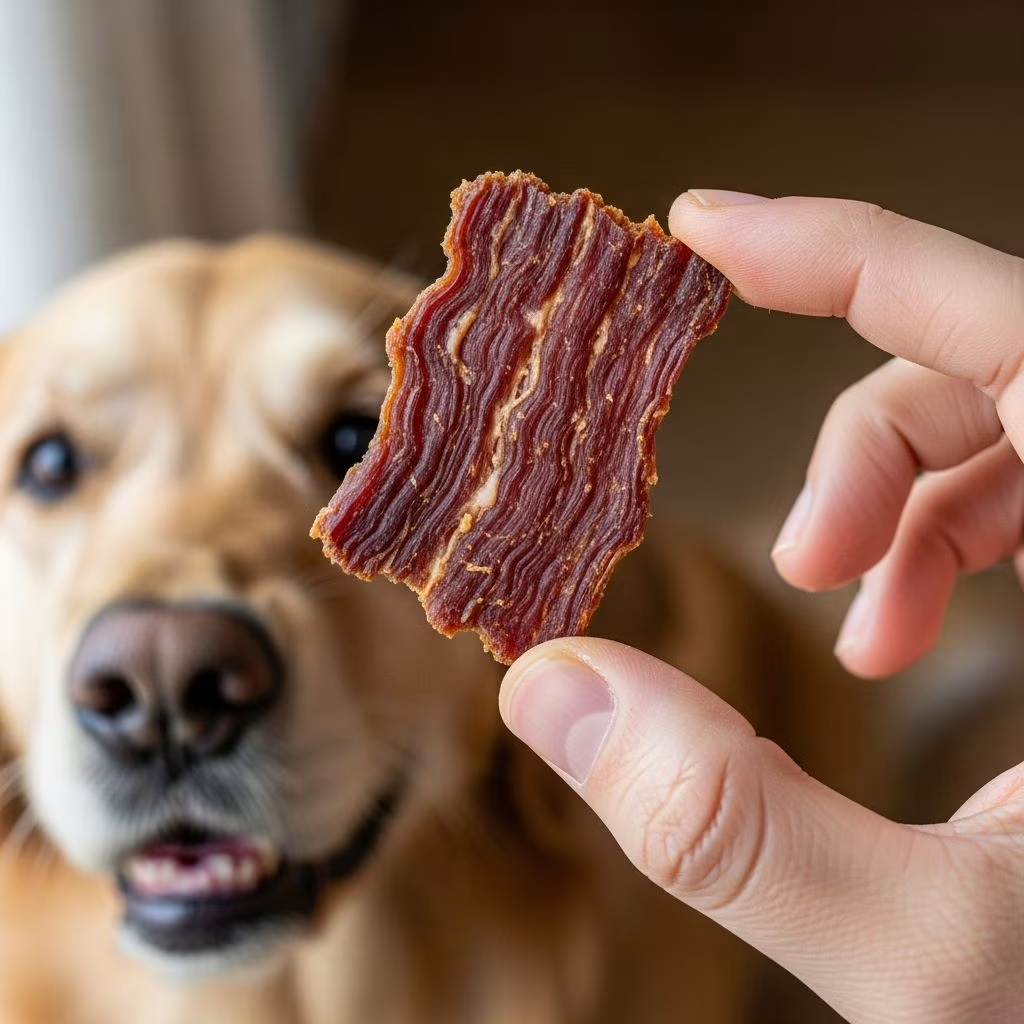
Dogs can eat **beef jerky** safely only if it is plain, unseasoned, and made from a single ingredient like pure beef without salt, spices, or preservatives. Human-grade beef jerky is generally unsafe due to high sodium levels exceeding 400 mg per strip—far above the recommended under 100 mg daily for dogs—along with harmful additives like garlic, onion powder, and artificial flavors that can cause vomiting, diarrhea, kidney damage, and even toxicity.
Commercial jerky often contains these risky elements, with over 70% including garlic and onion, which are toxic to dogs and linked to red blood cell destruction and anemia. The FDA has investigated over 360 cases of dog illnesses, including Fanconi syndrome, tied to jerky treats with unknown contaminants, emphasizing the need for caution.
Why Human Beef Jerky Is Unsafe for Dogs
Human beef jerky poses multiple health risks for dogs due to its preparation for human tastes, which prioritize flavor over pet safety. Key dangers include excessive sodium, irritating spices, preservatives, choking hazards, and long-term organ strain. Even small amounts can lead to immediate symptoms like excessive thirst, lethargy, and gastrointestinal upset, while regular feeding risks chronic issues.
High Sodium Content
A single strip of beef jerky can contain over 400 mg of sodium, while dogs should consume less than 100 mg daily to avoid salt poisoning, which manifests as vomiting, diarrhea, seizures, and dehydration. Small breeds are especially vulnerable, and excess salt burdens the kidneys, leading to fatigue and increased urination.
Toxic Spices and Marinades
Common ingredients like pepper, chili, soy sauce, garlic powder, onion powder, and sugar irritate a dog’s digestive system, causing nausea, bloating, and distress. Garlic and onions are particularly dangerous, destroying red blood cells and leading to anemia symptoms such as pale gums, lethargy, rapid breathing, and vomiting.
Choking Hazards
Dry, thick jerky strips are prone to causing choking, especially in small dogs that swallow without chewing thoroughly. This can obstruct airways, requiring emergency intervention. Opt for thinner, softer textures to mitigate this risk.
Preservatives and Additives
Nitrates, MSG, artificial sweeteners like xylitol, and smoke flavors in human jerky harm the liver and intestines, potentially causing swelling, digestive disorders, hypoglycemia, and liver failure. These chemicals accumulate over time, exacerbating toxicity.
Long-Term Health Risks
Regular consumption overloads kidneys and liver, leading to weight loss, excessive urination, and organ damage, particularly in older dogs with slower toxin elimination. It can also contribute to obesity if overfed beyond 10% of daily calories.
Can Dogs Eat Store-Bought Beef Jerky?
Most store-bought beef jerky is unsafe for dogs due to hidden salts, sugars, seasonings, and preservatives that cause dehydration, digestive issues, and poisoning. Always scrutinize labels for sodium under 100 mg per serving and absence of additives. Veterinary guidelines recommend avoiding it unless it’s explicitly dog-safe.
- Unsafe Commercial Jerky: Contains high sodium (200-300% daily limit per ounce), garlic/onion, spices, and nitrates.
- Potentially Safe Options: Plain, one-ingredient beef with no seasonings—still check sodium and introduce gradually.
- Best Choice: Preservative-free, unsalted jerky formulated for dogs.
Safe Alternatives: Plain and Dog-Specific Beef Jerky
Plain dehydrated beef from lean cuts, without additives, minimizes risks and provides high-quality protein. Homemade jerky using oven or dehydrator methods with pure beef is ideal—trim fat, slice thin, and dry at low heat (165°F) for 4-6 hours. Dog-specific jerky uses single proteins like beef, chicken, or duck, often grass-fed for better nutrition.
| Type | Ingredients | Safety Level | Benefits |
|---|---|---|---|
| Human Flavored Jerky | Beef, salt, spices, garlic/onion | Unsafe | None for dogs |
| Plain Dehydrated Beef | 100% beef | Safe in moderation | High protein, low fat |
| Dog Jerky Treats | Single protein (beef/chicken), no additives | Very Safe | Supports muscle, omega-3s |
| Homemade Jerky | Pure lean beef | Safest | Fresh, customizable |
Dog jerky from beef offers 70-80% protein for muscle maintenance and immune support, while alternatives like duck or fish add novel proteins for allergies and omega-3s for coat health.
How Much Beef Jerky Can Dogs Eat?
Limit jerky to **10% of daily caloric intake** as an occasional treat—e.g., 1-2 small pieces weekly for a 20-lb dog, depending on size and activity. Overfeeding leads to nutritional imbalance, obesity, and stomach issues. Monitor for allergies (itching, diarrhea) and adjust.
- Small Dogs (<20 lbs): 1 thin strip, 1-2x/week.
- Medium Dogs (20-50 lbs): 1-2 strips, 2x/week.
- Large Dogs (>50 lbs): 2-3 strips, 2-3x/week.
- Always pair with water and watch for upset stomach.
Health Benefits of Safe Beef Jerky for Dogs
When plain, jerky delivers essential amino acids (dogs need 10 of 22), supporting muscle repair, immune function, and energy. Low-fat beef aids weight management, while single-ingredient formats reduce allergy risks. Research confirms whole-muscle jerky provides complete proteins superior to processed foods.
Signs of Trouble: When to See a Vet
Watch for vomiting, diarrhea, excessive thirst/urination, lethargy, pale gums, rapid breathing, or seizures post-jerky. These indicate salt poisoning, toxicity, or allergies—seek vet care immediately, especially if from contaminated sources like FDA-linked cases.
How to Make Homemade Beef Jerky for Dogs
Ingredients: 1 lb lean beef (eye of round), no seasonings.
Steps:
- Trim fat, slice 1/8-inch thick against grain.
- Dehydrate at 165°F for 4-8 hours until dry but pliable.
- Cool, store in airtight container (fridge: 2 weeks; freezer: 3 months).
- Break into small pieces to prevent choking.
This ensures zero additives for ultimate safety.
Frequently Asked Questions (FAQs)
Can dogs eat beef jerky from the store?
Only plain, low-sodium, single-ingredient versions; most contain harmful additives. Check labels carefully.
Is homemade beef jerky safe for dogs?
Yes, if unseasoned and properly dehydrated—it’s the safest option with pure protein.
What happens if a dog eats too much beef jerky?
Symptoms include vomiting, diarrhea, thirst, lethargy, and potential kidney issues from sodium overload.
Are there beef jerky alternatives for dogs with allergies?
Yes, try chicken, duck, turkey, or fish-based dog jerky for novel proteins.
Why did the FDA warn about jerky treats?
Over 360 dog illnesses linked to contaminants causing Fanconi syndrome since 2007.
References
- Can Dogs Eat Beef Jerky? — Jerzey Jerky. 2023. https://jerzeyjerky.com/blogs/jerky/dogs
- Beef Jerky for Dogs: The Do’s and Don’ts — Mountain America Jerky. 2023. https://mountainamericajerky.com/beef-jerky-for-dogs-dos-donts/
- To Chew or Not to Chew: Can Dogs Eat Jerky Safely? — Volhard Dog Nutrition. 2023. https://www.volharddognutrition.com/blog/to-chew-or-not-to-chew-can-dogs-eat-jerky-safely/
- Can Dogs Eat Beef Jerky? — Cadet Pet. 2023. https://www.cadetpet.com/dog-basics/can-dogs-eat-beef-jerky
- Dog Jerky Treats: Complete Safety & Selection Guide — Devil Dog Pet Co. 2023. https://devildogpetco.com/blogs/the-devil-dog-blog/dog-jerky-treats
- FDA Investigates Animal Illnesses Linked to Jerky Pet Treats — U.S. Food and Drug Administration (FDA). 2023-11-18. https://www.fda.gov/animal-veterinary/outbreaks-and-advisories/fda-investigates-animal-illnesses-linked-jerky-pet-treats



