

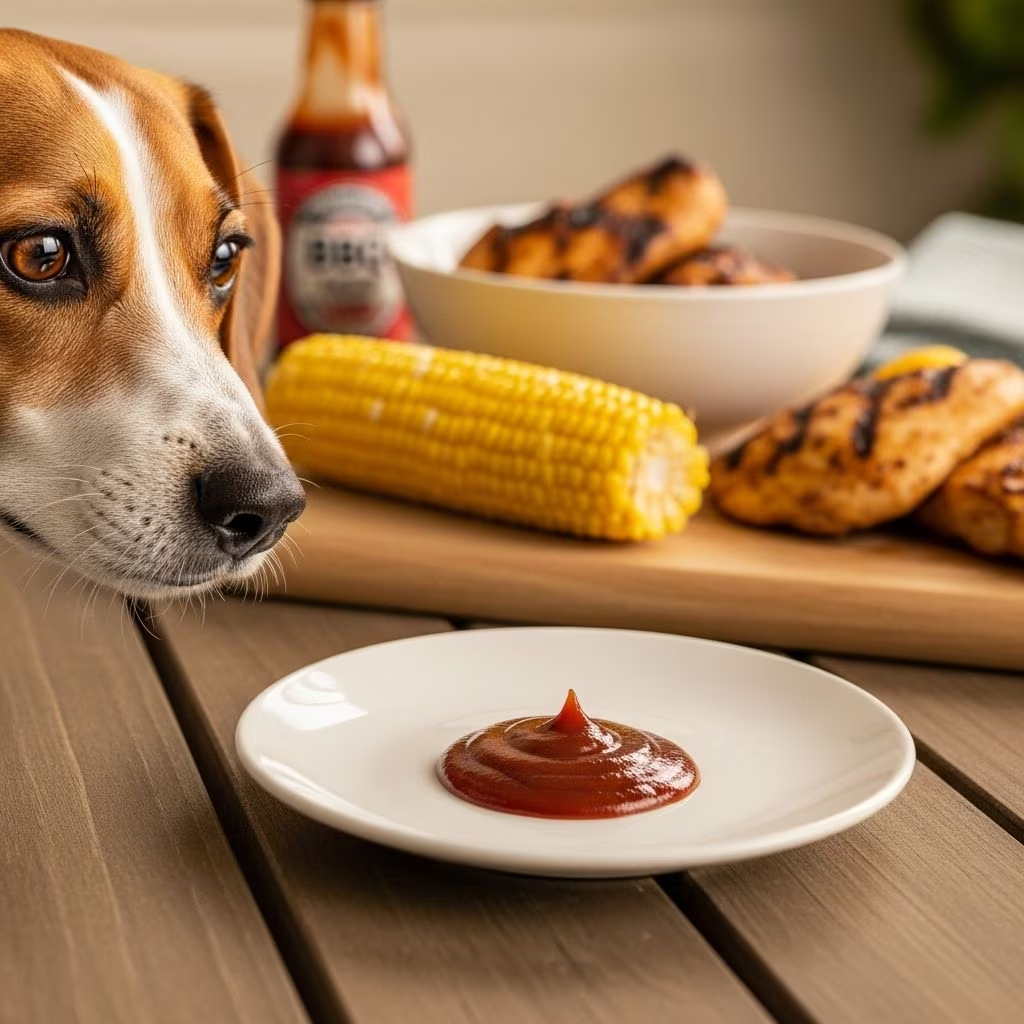
Can Dogs Eat BBQ Sauce?
If you’re planning a barbecue and wondering whether you can share your delicious BBQ sauce with your furry friend, the short answer is no. BBQ sauce is bad for dogs and should never be given to your pet intentionally. While a tiny taste of BBQ sauce off your finger isn’t likely to cause immediate illness, veterinarians do not recommend any amount of BBQ sauce for dogs because many commercial brands contain ingredients that aren’t safe for your canine companion.
Understanding why BBQ sauce poses a danger to dogs is crucial for responsible pet ownership. Many dog owners are tempted to share their favorite foods with their pets, but barbecue sauce contains multiple harmful ingredients that can cause serious health complications. Let’s explore what makes BBQ sauce dangerous and how to keep your dog safe during barbecue season.
Why Is BBQ Sauce Dangerous for Dogs?
Barbecue sauce is problematic for dogs for several reasons. The typical ingredients found in most commercially available and homemade BBQ sauces include components that are either toxic to dogs or can cause serious digestive and health issues. Here are the primary dangerous ingredients found in BBQ sauce:
Toxic Ingredients in BBQ Sauce
Onion and Garlic
These allium vegetables are among the most dangerous ingredients in BBQ sauce for dogs. Onions and garlic contain compounds called thiosulfates that can damage a dog’s red blood cells, leading to hemolytic anemia. Even small amounts of these ingredients can be harmful, and the damage can accumulate over time. Dogs cannot metabolize these substances the way humans can, making them particularly vulnerable to their toxic effects.
Excessive Sugar
Most BBQ sauces contain high levels of added sugar, which is inappropriate for dogs. Dogs are more sensitive to sugar than humans and can experience rapid spikes in blood glucose levels. High sugar intake can lead to obesity, dental problems, diabetes, and pancreatitis in dogs. Additionally, if the BBQ sauce contains xylitol (an artificial sweetener), this poses an even greater danger as xylitol is extremely toxic to dogs and can cause liver failure and dangerous drops in blood sugar.
Acidic Ingredients
Barbecue sauces typically contain vinegar and lemon juice, which are acidic ingredients that can irritate a dog’s digestive system. These acidic components can cause stomach upset, affecting the delicate balance of a dog’s digestive tract and potentially leading to gastritis or other gastrointestinal issues.
Spicy Ingredients and Peppers
The distinctive BBQ flavor often comes from spices, peppers, and hot sauce ingredients. Dogs cannot properly digest spicy foods, and their digestive systems are far more sensitive to heat than human digestive systems. Capsaicin and other spicy compounds can cause significant gastrointestinal distress, including stomach pain, vomiting, and diarrhea. Dogs also lack the taste receptors that allow them to distinguish spicy heat, so consuming spicy foods offers them no benefit while causing potential harm.
Excessive Salt
Most BBQ sauces contain high levels of sodium, which can be dangerous for dogs. While salt is necessary for a healthy diet, excessive amounts can lead to sodium ion toxicosis, also called hypernatremia. This condition can cause severe symptoms and, in serious cases, can be life-threatening. The amount of salt that might be safe for a large dog could be dangerous for a small dog, so it’s best to avoid processed foods like BBQ sauce regardless of your dog’s size.
Potential Health Risks of BBQ Sauce
When dogs consume BBQ sauce, they may experience various health complications depending on the amount ingested and their individual sensitivity to the ingredients. Understanding these potential risks can help you recognize warning signs if your dog accidentally consumes BBQ sauce.
Gastrointestinal Issues
The most common reaction to BBQ sauce consumption is gastrointestinal upset. Dogs may experience vomiting, diarrhea, loss of appetite, stomach pain, and abdominal discomfort. The acidic and spicy nature of BBQ sauce irritates the stomach lining and intestines, causing these uncomfortable symptoms. In some cases, bloating and gas may also occur as the digestive system struggles to process the sauce.
Pancreatitis
Pancreatitis is inflammation of the pancreas and is particularly concerning in dogs that consume foods high in fat and sugar. BBQ sauce typically contains both of these elements, making it a risk factor for pancreatitis development. This condition can be acute or chronic and may cause vomiting, abdominal pain, loss of appetite, lethargy, and in severe cases, can be life-threatening.
Salt Toxicosis
As mentioned earlier, the high sodium content in BBQ sauce can lead to salt toxicosis or hypernatremia. Symptoms include excessive thirst, increased urination, lethargy, lack of coordination, seizures, tremors, and in severe cases, neurological complications. This condition requires immediate veterinary attention.
Anemia from Alliums
The onion and garlic in BBQ sauce can cause hemolytic anemia by damaging red blood cells. Symptoms of anemia include weakness, lethargy, pale gums, reduced appetite, and in severe cases, collapse. This condition may develop gradually or suddenly depending on the amount of garlic and onions consumed.
Allergic Reactions
Some dogs may have allergic reactions to specific spices or ingredients in BBQ sauce, especially if they’re not accustomed to spicy foods. Allergic reactions can manifest as itching, skin rashes, swelling of the face or throat, difficulty breathing, or anaphylaxis in severe cases.
What Should You Do If Your Dog Ate BBQ Sauce?
Accidents happen, and your dog may occasionally get into BBQ sauce despite your best efforts to keep it away. If you discover that your dog has eaten BBQ sauce, here’s what you should do:
Assess the Situation
First, determine how much BBQ sauce your dog consumed and note the time it happened. Try to identify the specific brand or ingredients if possible, particularly whether the sauce contained onions, garlic, or xylitol. This information will be valuable when you contact your veterinarian.
Contact Your Veterinarian Immediately
Call your vet right away and describe the situation. Provide details about the amount consumed, the ingredients, and any symptoms your dog is showing. Your veterinarian will advise you on whether your dog needs to be examined or treated. Some dogs may need immediate emergency care, while others may only require home monitoring.
Monitor for Symptoms
Watch your dog closely for signs of distress or illness over the next 24-48 hours. Symptoms may include vomiting, diarrhea, loss of appetite, abdominal pain, lethargy, excessive thirst, or any unusual behavior. Keep a record of any symptoms you observe and report them to your vet.
Treatment Options
Depending on the amount of BBQ sauce consumed and your dog’s size and sensitivity, your veterinarian may recommend different treatment approaches. For small amounts, a bland diet and antacids may be prescribed while you monitor your dog at home. For larger quantities or if concerning ingredients were present, your dog may need to be brought in for observation or emergency treatment, which could include IV fluids, gastric decontamination, or other supportive care.
Can Dogs Have Ribs with BBQ Sauce?
No, dogs should never eat ribs with BBQ sauce. This combination presents multiple dangers. First, the BBQ sauce itself is harmful to dogs for all the reasons discussed above. Second, bones present a serious choking hazard and can cause gastrointestinal obstruction if swallowed. Additionally, cooked bones can splinter and cause internal injuries. The combination of toxic sauce and dangerous bones makes this an absolute no for dogs. Always keep BBQ ribs and other bone-in barbecued meats far away from your dog.
What Is the Healthiest Sauce for Dogs?
If you want to add flavor and palatability to your dog’s food without the risks associated with BBQ sauce, several safe alternatives exist. Plain cooked meat without any seasoning is always a great option. You can also offer bone broth made without onions, garlic, or excessive salt. Plain, unsweetened pumpkin puree adds flavor and is beneficial for digestive health. Small amounts of dog-safe fruits like apples or carrots can provide natural sweetness and flavor. Always consult with your veterinarian before introducing new foods to your dog’s diet to ensure they’re appropriate for your individual pet.
How to Keep Your Dog Safe During Barbecue Season
Barbecue season doesn’t have to be stressful for dog owners. Here are practical tips to keep your dog safe while you enjoy outdoor cooking and eating:
- Keep all BBQ sauce bottles, containers, and plates with BBQ sauce-covered foods away from your dog’s reach
- Store condiments in a cooler or cabinet where your dog cannot access them
- Never leave plates, utensils, or food scraps unattended where your dog could grab them
- Inform guests not to feed your dog any human food, especially barbecued items with sauce
- Keep your dog indoors during food preparation if possible, or supervise closely
- Have dog-safe treats and snacks available to offer your dog so they don’t feel left out
- Create a designated safe space for your dog away from the grilling and dining area
Dog-Safe Barbecue Alternatives
You can still include your dog in your barbecue festivities by offering pet-safe options. Plain grilled chicken without seasoning, boiled eggs, plain hamburger meat cooked without added salt or spices, and fresh fruits like watermelon (without seeds) are all good choices. Sweet potatoes are nutritious and can be grilled plain for your dog. Always ensure that any food offered is plain, unseasoned, and appropriate for dogs. The key is ensuring your dog can enjoy the occasion safely.
Frequently Asked Questions
Q: Can a small amount of BBQ sauce hurt my dog?
A: While a tiny taste off your finger is unlikely to cause immediate serious illness, veterinarians recommend avoiding any amount of BBQ sauce for dogs because it contains toxic ingredients. Some dogs are more sensitive than others, so even small amounts should be avoided.
Q: What if my dog ate BBQ sauce by accident?
A: Call your veterinarian immediately with details about the amount consumed and ingredients in the sauce. Monitor your dog for symptoms like vomiting, diarrhea, and lethargy. Your vet will determine if treatment is needed based on the amount and your dog’s size.
Q: Is homemade BBQ sauce safer for dogs than store-bought?
A: Not necessarily. Homemade BBQ sauce often still contains onions, garlic, sugar, and salt—all harmful to dogs. Unless you make a specially formulated recipe without these ingredients, homemade BBQ sauce is just as dangerous as commercial versions.
Q: My dog ate BBQ sauce but seems fine. Should I still call the vet?
A: Yes, call your veterinarian even if your dog seems fine. Some symptoms take time to develop, and the vet may want to monitor your dog or provide preventative treatment depending on the amount consumed.
Q: Can BBQ sauce cause long-term damage to dogs?
A: Repeated or large amounts of BBQ sauce can cause cumulative damage, particularly from onions and garlic affecting red blood cells, and from high salt content affecting kidneys. Long-term damage depends on frequency and quantity of exposure.
Q: What spices in BBQ sauce are most dangerous for dogs?
A: Garlic and onion powder (alliums) are the most toxic, but capsaicin from hot peppers and other spices also cause gastrointestinal upset. The combination of multiple spices makes BBQ sauce especially problematic.
Q: Are there dog-safe BBQ sauces available?
A: Most commercial BBQ sauces are not formulated for dogs. However, you can make a dog-safe version at home using unsalted tomato puree without garlic or onions, though even this should be used sparingly as a treat.
References
- Can Dogs Eat BBQ Sauce? — Chewy. 2024. https://www.chewy.com/education/dog/food-and-nutrition/can-dogs-eat-bbq-sauce
- Can Dogs Eat Barbecue Sauce? Vet-Verified Facts & FAQ — Dogster. 2024. https://www.dogster.com/dog-nutrition/can-dogs-eat-bbq-sauce
- Can Dogs Eat Barbecue Sauce? Not a Good Idea — Wild Earth. 2024. https://wildearth.com/blogs/dog-knowledge/can-dogs-eat-barbecue-sauce
- Toxic BBQ Food for Dogs — Pooch & Mutt. 2024. https://www.poochandmutt.co.uk/blogs/nutrition/toxic-bbq-food-for-dogs
- Can Dogs Have BBQ Sauce? — Home Aglow. 2024. https://www.homeaglow.com/hub/content/can-dogs-have-bbq-sauce



