

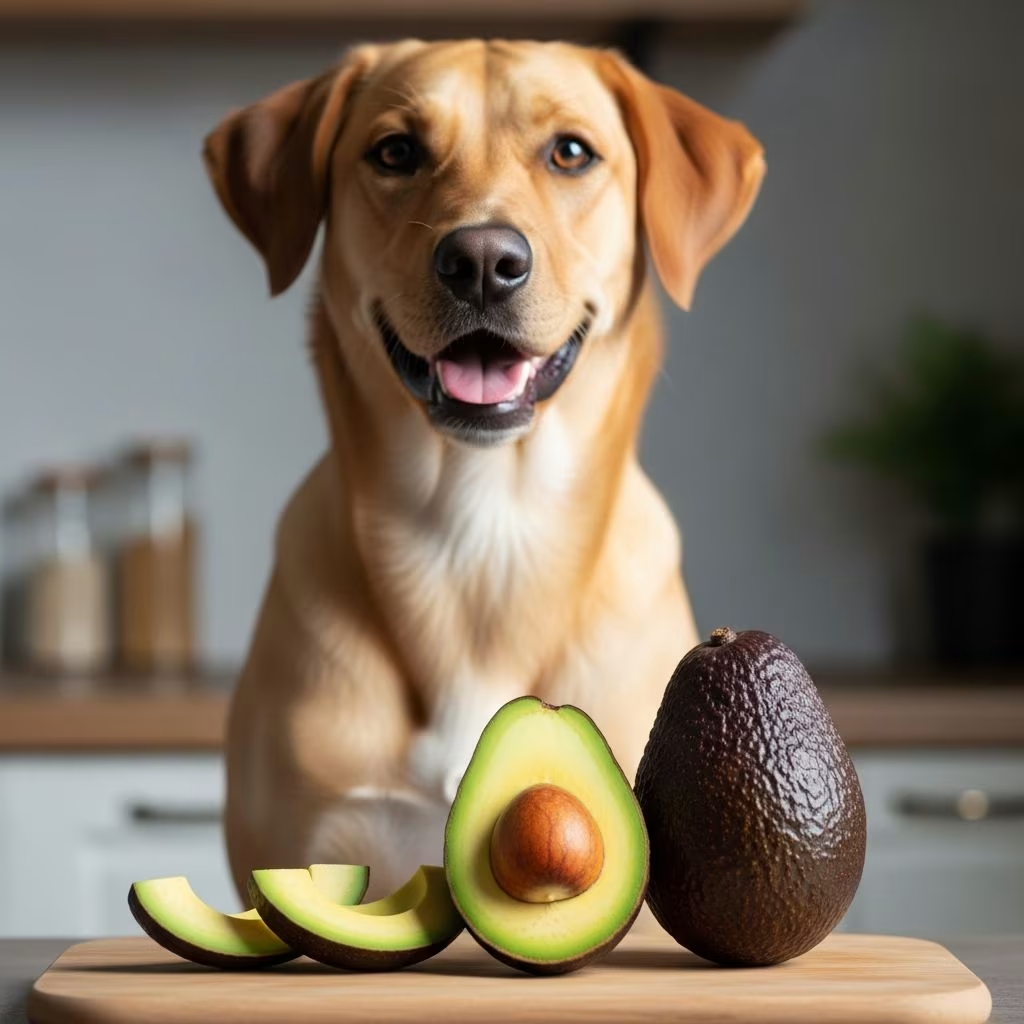
Can Dogs Eat Avocado? Safety Tips for Pet Parents
Avocados are celebrated as a superfood for humans, packed with healthy fats, vitamins, and nutrients. However, when it comes to our canine companions, the answer to whether dogs can eat avocado is more complicated. Dogs can eat small amounts of peeled, pitted avocado flesh, but only in moderation. The key to safely offering avocado to your dog lies in understanding what parts are dangerous, how much is appropriate, and what signs of toxicity to watch for.
Understanding Persin: The Avocado Toxin
The primary concern with feeding avocado to dogs is a compound called persin, a fungicidal toxin that occurs naturally in avocados. This toxin protects the fruit from fungi and fungal spores in nature. While persin is completely safe for humans to consume, it can cause serious health problems in dogs and other animals. The concentration of persin varies throughout the avocado, with the highest levels found in the skin, leaves, and pit, and the lowest levels in the flesh.
Dogs have a higher tolerance to persin than many other animals, such as birds and horses, but this does not mean avocados are safe for them. When dogs consume persin, it can trigger gastrointestinal distress and other health complications. Understanding the risks associated with this toxin is essential for responsible pet ownership.
Nutritional Benefits of Avocado for Dogs
When given in safe amounts and at a healthy frequency, avocados can provide certain nutritional benefits to dogs. The flesh of the fruit contains valuable vitamins and minerals that support canine health:
- Vitamin A: A fat-soluble nutrient necessary for cellular and immune function, as well as growth
- Vitamin B6: Supports brain development and function
- Vitamin C: An antioxidant that helps boost immune system
- Vitamin E: Protects cells from oxidative damage
- Vitamin K: Important for blood clotting and bone metabolism
- Healthy monounsaturated fats: Support skin and coat health
- Potassium and magnesium: Essential minerals for various bodily functions
- Antioxidants: Help fight inflammation and support overall wellness
However, it is important to note that while these nutrients are beneficial, they can be obtained from other dog foods and treats that do not carry the same risks as avocado.
Which Parts of Avocado Are Safe?
Not all parts of an avocado are equally safe for dogs. Understanding which components are dangerous is crucial for preventing accidental poisoning.
Safe Parts
The only safe part of an avocado for dogs is the ripe, soft flesh. Even then, this should only be offered in very small quantities and as an occasional treat, not a regular part of their diet. The flesh contains the lowest concentration of persin, making it the least toxic component of the fruit.
Dangerous Parts
The following parts of an avocado should never be given to dogs and should be kept completely out of their reach:
- Avocado skin: Contains significantly higher concentrations of persin and is extremely difficult for dogs to digest
- Avocado pit: A serious choking and blockage hazard that is indigestible and almost always leads to intestinal obstruction if vomiting is not induced quickly
- Avocado leaves: Contain high levels of persin and should never be consumed by dogs
The Problem With Avocado’s High Fat Content
Beyond the persin concern, avocados are naturally high in fat, approximately 15% by weight. While this fat content is beneficial for humans, it poses significant risks to dogs. High-fat foods can trigger gastrointestinal upset, digestive problems, and pancreatitis—a painful and potentially life-threatening inflammation of the pancreas.
Dogs susceptible to pancreatitis are particularly vulnerable to adverse reactions from high-fat foods. Even small amounts of avocado can harm sensitive dogs, and regular feeding can lead to obesity, lethargy, and related health complications. This fat content is one of the main reasons why veterinarians recommend limiting or avoiding avocado altogether for most dogs.
How Much Avocado Is Safe for Dogs?
If you decide to offer your dog avocado flesh under veterinary guidance, portion sizes must be strictly controlled based on your dog’s size and health status. Always remove the skin and pit before offering any avocado to your pet.
| Dog Size | Safe Portion | Frequency |
|---|---|---|
| Small breeds (under 20 lbs) | 1–2 small bites of ripe flesh | Occasional treat only |
| Medium to large breeds (20+ lbs) | 2–3 bites of ripe flesh | Occasional treat only |
Only the ripe, soft part of the flesh should be offered. Never give your dog unripe avocado, as it may contain higher concentrations of persin. Watch carefully for signs of digestive upset after introducing avocado, such as vomiting or diarrhea. If you suspect your dog has eaten a large amount of avocado or any unsafe parts, contact your veterinarian immediately.
Signs of Avocado Toxicity in Dogs
If your dog accidentally consumes avocado, watch for these warning signs that may indicate persin poisoning or other complications:
- Vomiting
- Diarrhea
- Abdominal pain or discomfort
- Loss of appetite
- Lethargy or unusual fatigue
- Difficulty breathing
- Heart issues in severe cases
- Intestinal blockage symptoms
The severity of symptoms depends on the amount consumed, which part of the avocado was eaten, and your individual dog’s sensitivity to persin. If you notice any of these signs, seek veterinary attention promptly.
Is Avocado Oil Safe for Dogs?
A common question among pet parents is whether avocado oil is safe for dogs. The answer is technically yes, but with important caveats. Avocado oil does not contain the toxin persin because the oil extraction process removes this compound. Additionally, avocado oil contains beneficial fatty acids and vitamin E, which have anti-inflammatory properties.
However, avocado oil is still extremely high in fat content, making it problematic for dogs susceptible to pancreatitis. Even though some skin and coat supplements for dogs include avocado oil for its nourishing properties, it should only be given in tiny amounts, if recommended by your veterinarian. For most dogs, it is safest to avoid avocado oil altogether.
Can Dogs Eat Guacamole or Seasoned Avocado Products?
Never feed your dog guacamole or any seasoned avocado products. Commercial guacamole often contains onions, garlic, and lime juice—all of which are toxic to dogs. Additionally, these products are high in sodium and fat, presenting multiple health risks to your pet. Seasoned avocado preparations may contain spices, salt, or other ingredients harmful to canine health. Stick to plain, unseasoned avocado flesh only if offering any to your dog.
Better Treat Alternatives for Your Dog
Rather than taking the risk with avocado, consider offering your dog healthier treat alternatives that provide similar nutritional benefits without the associated dangers:
- Carrots: Low in calories, high in fiber and vitamins, and good for dental health
- Apples: Provide vitamin C and fiber; remove seeds first
- Blueberries: Rich in antioxidants and vitamins
- Sweet potatoes: Packed with beta-carotene, fiber, and B vitamins
- Pumpkin: Excellent for digestive health
- Green beans: Low-calorie, nutrient-dense treat
- Salmon: Excellent source of omega-3 fatty acids for coat and skin health
These alternatives offer nutritional benefits similar to avocado without the risks of persin toxicity or excessive fat content.
Frequently Asked Questions About Dogs and Avocado
Q: Can dogs eat avocado flesh?
A: Small amounts of ripe avocado flesh are unlikely to harm most dogs, but it is still not recommended due to the high fat content and potential risk of persin sensitivity if consumed in large amounts. Safer treats are always a better choice for your pet’s health.
Q: What happens if my dog eats a small piece of avocado?
A: If your dog accidentally consumes a small piece of avocado flesh, it is unlikely to cause serious harm. Monitor your dog for signs of digestive upset such as vomiting or diarrhea over the next 24 hours. If you notice any concerning symptoms, contact your veterinarian.
Q: How much avocado is toxic to a dog?
A: There is no established toxic dose of persin in dogs, as dogs rarely develop severe signs from avocado consumption. Clinical signs, when they do occur, are usually limited to mild vomiting or diarrhea after eating a large amount of avocado flesh. However, if the skin, pit, or leaves are ingested, this could cause more serious issues.
Q: My dog ate the avocado pit. What should I do?
A: The avocado pit is a serious emergency. Call your veterinarian or an emergency animal poison control center immediately. The pit is indigestible and can cause life-threatening intestinal obstruction. Your vet may need to induce vomiting or perform surgery to remove it.
Q: Can I give my dog avocado as a regular treat?
A: No. Avocado should never be a regular treat for dogs. The combination of persin toxicity and high fat content makes it unsuitable as a frequent food item. Consult your veterinarian before offering any avocado to your dog.
Q: Is avocado good for a dog’s skin and coat?
A: While avocado contains beneficial fatty acids and vitamin E that support skin and coat health, there are safer, more suitable alternatives specifically formulated for dogs. Fish oil supplements and other dog-safe foods provide similar benefits without the risks associated with avocado.
Key Takeaways on Dogs and Avocado
The answer to whether dogs can eat avocado is yes and no. While small amounts of peeled, pitted avocado flesh are technically non-toxic, avocado is not recommended as part of a dog’s diet due to multiple risk factors. The persin toxin, though dogs are more resistant than other animals, can still cause gastrointestinal distress. The high fat content presents a significant risk of pancreatitis and digestive upset, particularly in sensitive dogs.
When considering your dog’s diet, the safest approach is to avoid avocado altogether and opt for dog-specific foods and treats that are scientifically formulated to meet your pet’s nutritional needs. If you have questions about specific foods or your dog’s diet, always consult with your veterinarian. Your pet’s health and safety should always be the top priority.
References
- Can Dogs Eat Avocado? — American Kennel Club. Accessed November 2025. https://www.akc.org/expert-advice/nutrition/can-dogs-eat-avocado/
- Can Dogs Eat Avocado? Safety Tips for Pet Parents — Chewy Education. Accessed November 2025. https://www.chewy.com/education/dog/food-and-nutrition/can-dogs-eat-avocado
- Can Dogs Eat Avocado: Is It Safe? — Dutch Pet Health. Accessed November 2025. https://www.dutch.com/blogs/dogs/can-dogs-eat-avocado
- Can Dogs Eat Avocado? Risks, Dangers & Safe Alternatives — Petzyo. Accessed November 2025. https://petzyo.com.au/blogs/health-wellbeing/can-dogs-eat-avocado



