

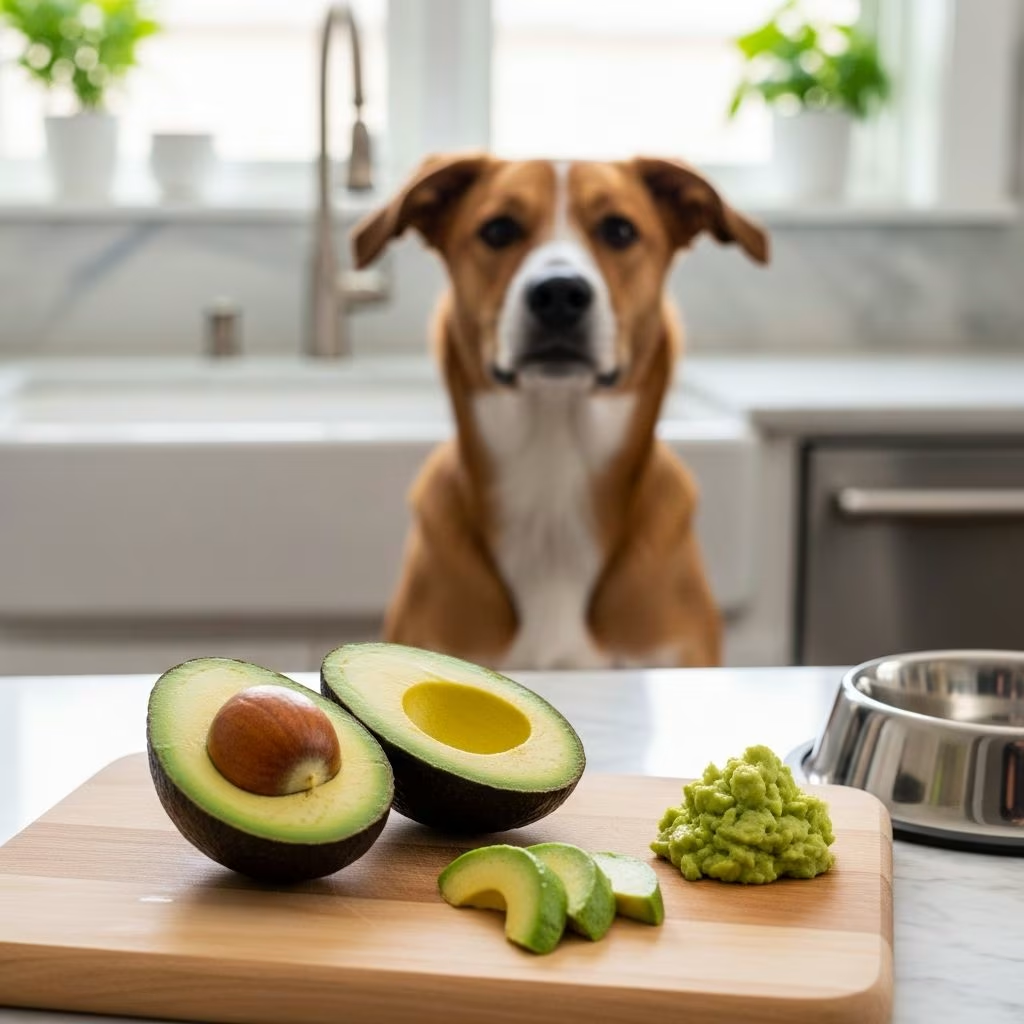
Can Dogs Eat Avocado? A Comprehensive Guide to Safety and Nutrition
Avocados have become increasingly popular in human diets, celebrated for their creamy texture, healthy fats, and nutritional benefits. Many pet owners wonder whether they can share this superfood with their furry companions. The answer, however, is more complex than a simple yes or no. While dogs can technically consume small amounts of avocado flesh, several significant risks make this fruit a questionable treat for most canines.
The Simple Answer: Yes and No
Dogs can eat small amounts of peeled, pitted avocado flesh without immediately becoming ill. However, veterinarians generally do not recommend feeding avocados to dogs regularly or in large quantities. The nuance lies in understanding the multiple risks associated with this fruit, from toxin exposure to choking hazards and digestive complications.
Understanding Persin: The Avocado Toxin
The primary concern with avocados is a fungicidal toxin called persin. This naturally occurring compound serves as a pesticide in avocado plants, protecting them from fungal infections. Unlike birds, horses, and other animals that are highly susceptible to persin poisoning, dogs have shown greater resistance to this toxin. Nevertheless, consuming large quantities of avocado pulp, skin, or leaves can still cause serious health problems.
The concentration of persin varies throughout the avocado fruit. The highest levels are found in the pit, skin, and leaves, while the flesh contains significantly lower amounts. This is why the flesh alone is sometimes considered relatively safe in small portions, though the toxin risk remains present.
Clinical Signs of Persin Toxicity
If your dog consumes too much avocado or ingests the skin, pit, or leaves, watch for the following symptoms:
- Stomach upset and abdominal discomfort
- Vomiting
- Diarrhea
- Irregular or unusual stools
- Difficulty passing stools
- In rare cases, pancreatitis, heart damage, and myocardial damage
It is important to note that there is no established toxic dose of persin in dogs, as severe cases are rare. Clinical signs, when they do occur, are typically limited to mild vomiting or diarrhea after consuming large amounts of avocado flesh. However, small dogs are more vulnerable due to receiving a higher dose relative to their body weight.
The Choking Hazard: The Avocado Pit
Beyond toxin concerns, the avocado pit presents an immediate and serious physical danger to dogs. This large, hard, round object is a major choking hazard and can cause life-threatening complications if swallowed.
Why the Pit Is So Dangerous
The smooth, round shape of the avocado pit makes it deceptively easy for dogs to swallow, particularly if they snatch an uncut avocado. Once ingested, the pit can become lodged in the throat, stomach, or intestines, causing a potentially fatal blockage. Smaller and medium-sized dogs are especially vulnerable to intestinal obstruction, though any dog can suffer serious complications.
If your dog swallows an avocado pit, seek immediate veterinary attention. Symptoms of intestinal blockage include:
- Repeated vomiting
- Loss of appetite
- Severe constipation or inability to defecate
- Abdominal pain and distension
- Lethargy and weakness
In severe cases, blockages require surgical intervention to remove the obstruction, making prevention through careful food handling essential.
High Fat Content and Pancreatitis Risk
Perhaps the most significant nutritional concern with avocados is their exceptionally high fat content. Avocados are naturally high in fat, containing approximately 15% fat by weight, with 100 grams containing approximately 160 calories. While healthy fats are essential for dogs in moderation, the fat concentration in avocados far exceeds that of most dog-friendly fruits and vegetables.
Pancreatitis and Digestive Issues
High-fat foods can trigger gastrointestinal upset and pancreatitis in dogs, particularly those with sensitive digestive systems. Pancreatitis is a painful and potentially life-threatening inflammation of the pancreas that requires immediate veterinary care. Even small amounts of avocado can harm dogs prone to digestive issues.
Dogs with the following conditions should avoid avocados entirely:
- Sensitive stomachs or digestive disorders
- History of pancreatitis
- Obesity or weight management issues
- Metabolic disorders
Long-Term Health Consequences
Regular consumption of calorie-dense foods like avocado can lead to weight gain and obesity in dogs. Overweight dogs face increased risks of joint problems, diabetes, heart disease, and reduced lifespan. Even in healthy dogs, excessive fatty foods should be minimized to prevent long-term metabolic health problems and maintain an ideal body weight.
The Toxic Parts: What to Always Avoid
Not all parts of the avocado pose the same level of risk. Understanding which components are most dangerous is crucial for keeping your dog safe:
| Part of Avocado | Danger Level | Key Risks |
|---|---|---|
| Flesh | Low (in small amounts) | High fat content; minor persin exposure |
| Skin | High | Higher persin concentration; can cause GI upset |
| Pit | Extreme | Choking hazard; intestinal blockage; high persin |
| Leaves | High | High persin concentration; toxicity risk |
Always remove the skin and pit completely before considering any avocado for your dog. Even then, only offer tiny portions to healthy adult dogs without digestive sensitivities.
How to Safely Serve Avocado (If You Choose To)
If you decide to offer your dog a small taste of avocado despite the risks, follow these strict guidelines:
- Cut the avocado in half and remove the pit completely
- Discard the skin entirely
- Serve the flesh in small slices, cubes, or pieces to control portion size
- Start with just a small bite and monitor your dog for 24 hours
- Watch for signs of stomach upset, vomiting, diarrhea, or other adverse reactions
- Never serve guacamole or seasoned avocado products to your dog
Only offer avocado to adult dogs in excellent health without any history of digestive issues, pancreatitis, or obesity. Puppies and senior dogs should avoid avocado entirely.
What to Do If Your Dog Eats Avocado
If your dog manages to consume avocado despite your precautions, take the following steps:
Immediate Actions
- Determine what part of the avocado was consumed (flesh, skin, pit, or leaves)
- Estimate the amount ingested if possible
- Note the time of consumption
- Contact your veterinarian or emergency animal clinic for guidance
Monitoring and Symptoms
Observe your dog closely for the next 24-48 hours for any of these warning signs:
- Vomiting or retching
- Diarrhea or loose stools
- Loss of appetite
- Abdominal pain or distension
- Gas or bloating
- Lethargy or unusual behavior
- Difficulty defecating (if pit was swallowed)
If your dog swallowed the pit or skin, seek immediate emergency veterinary care, as these components pose serious toxicity and blockage risks. Even if your dog only consumed small amounts of flesh, contact your vet if any symptoms develop.
Nutritional Benefits: Are They Worth the Risk?
Avocados do contain some beneficial nutrients, including vitamins C, E, K, and B6, plus healthy fats and antioxidants. However, these same benefits can be obtained from safer, more appropriate foods for dogs. The risks associated with avocado consumption far outweigh the minimal nutritional advantages.
Healthier alternatives that provide similar nutrients without the dangers include:
- Pumpkin and sweet potatoes (fiber and vitamins)
- Carrots and green beans (low-fat vegetables)
- Blueberries and apples (antioxidants)
- Fish and chicken (healthy proteins)
- Commercial dog food formulated for complete nutrition
Special Considerations for Certain Dogs
Some dogs face elevated risks when exposed to avocado and should never consume it:
Senior Dogs: Older dogs often have compromised digestive systems and are more sensitive to high-fat foods and potential toxins.
Puppies: Young dogs have developing digestive systems and are more vulnerable to pancreatitis and toxin exposure.
Small Breeds: Toy and small dog breeds are at higher risk of choking and intestinal blockage from avocado pits.
Dogs with Pancreatitis History: Any dog with a previous pancreatitis diagnosis must avoid high-fat foods like avocado completely.
Overweight Dogs: Obese or overweight dogs should never eat avocado due to the calorie density and fat content.
Frequently Asked Questions
Q: Can dogs eat avocado flesh safely?
A: Small amounts of ripe, peeled avocado flesh are unlikely to cause immediate harm to most healthy adult dogs, but it is still not recommended due to high fat content and persin toxicity risks. Safer treat alternatives are always preferable.
Q: How much avocado is toxic to a dog?
A: There is no established toxic dose of persin in dogs, as severe toxicity is rare. Clinical signs typically appear only after consuming large amounts of flesh. However, even small amounts of skin, pits, or leaves can cause serious issues, making avoidance the safest approach.
Q: Is guacamole safe for dogs?
A: No. Guacamole should never be fed to dogs, as it contains avocado plus additional ingredients like onions, garlic, lime, and salt that are toxic to dogs.
Q: What should I do if my dog eats an avocado pit?
A: Seek immediate emergency veterinary care. The pit poses a serious choking and intestinal blockage risk and contains high levels of persin.
Q: Are avocados toxic to all dogs equally?
A: No. Small dogs, puppies, senior dogs, and dogs with digestive issues or pancreatitis history are at significantly higher risk than healthy adult large-breed dogs.
The Bottom Line: A Safer Approach to Canine Nutrition
While avocados are not universally toxic to dogs like chocolate or grapes, they present multiple substantial risks that make them an inadvisable treat. The combination of persin toxicity, choking hazards from the pit, and the dangerously high fat content that can trigger pancreatitis means that avoidance is the safest choice for your dog’s health and safety.
Rather than gambling with your dog’s wellbeing by offering human foods with questionable safety profiles, focus on providing scientifically formulated dog food and proven safe treats. Your veterinarian can recommend nutritionally complete options that support your dog’s health without unnecessary risks.
When in doubt about any human food, consult your veterinarian before offering it to your dog. This simple precaution ensures your beloved companion receives optimal nutrition while avoiding preventable health emergencies.
References
- Can Dogs Eat Avocado? Why the Answer Isn’t So Simple — Spark Paws. 2024. https://www.sparkpaws.com/blogs/community/can-dogs-eat-avocado
- Can Dogs Eat Avocado? Benefits and Risks — The Honest Kitchen. 2024. https://www.thehonestkitchen.com/blogs/pet-food-ingredients/can-dogs-eat-avocado
- Can Dogs Eat Avocado? Safety Tips for Pet Parents — Chewy Education. 2024. https://www.chewy.com/education/dog/food-and-nutrition/can-dogs-eat-avocado
- Can Dogs Eat Avocado? Risks, Dangers & Safe Alternatives — Petzyo. 2024. https://petzyo.com.au/blogs/health-wellbeing/can-dogs-eat-avocado
- Can Dogs Eat Avocados? Exploring the Benefits and Risks — Noble Vet Clinic. 2024. https://noblevetclinic.com/blog/can-dogs-eat-avocados
- Can Dogs Eat Avocado? — PetMD. 2024. https://www.petmd.com/dog/nutrition/can-dogs-eat-avocado
- Can Dogs Eat Avocado? — American Kennel Club. 2024. https://www.akc.org/expert-advice/nutrition/can-dogs-eat-avocado/



