

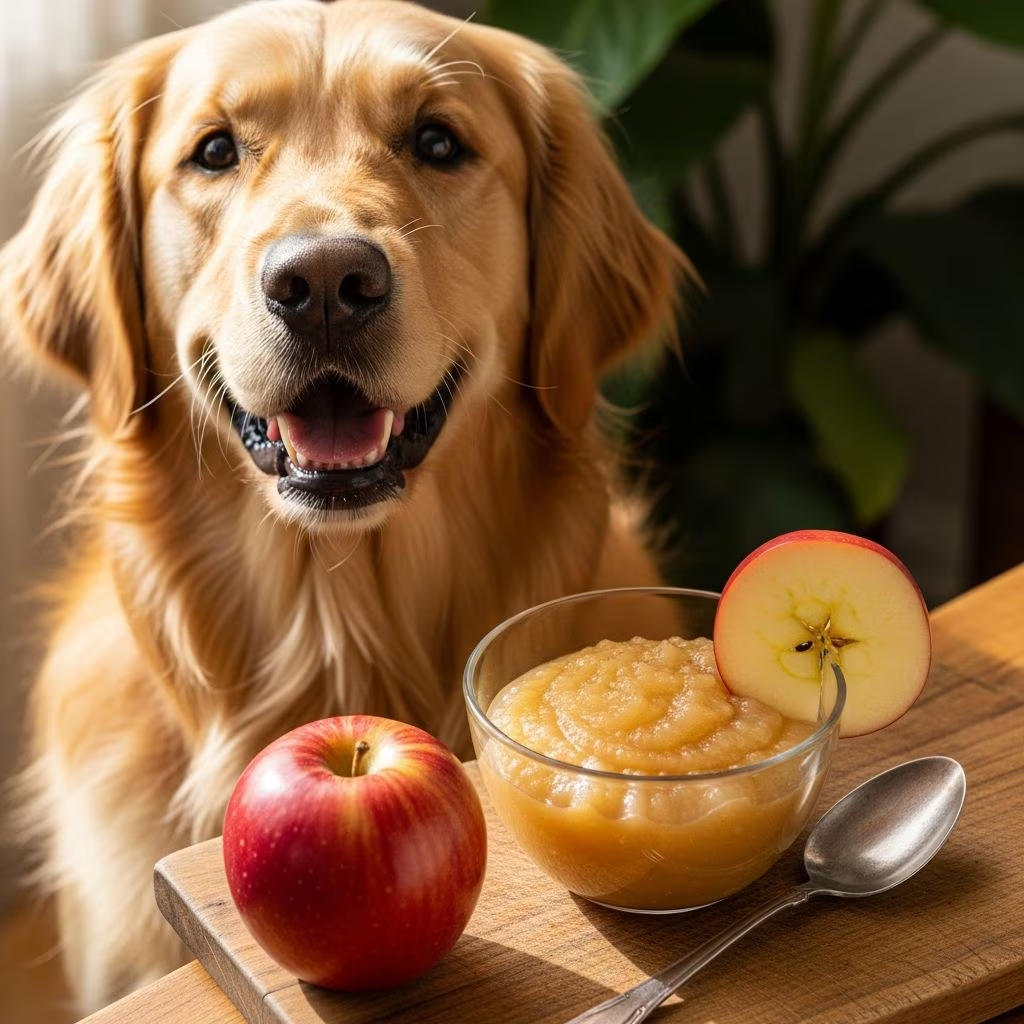
Applesauce offers a sweet, smooth option for dog owners seeking variety in treats, but safety hinges on selecting the right kind and controlling portions. Plain, unsweetened versions provide fiber and vitamins without the pitfalls of commercial additives, making them suitable occasional snacks for most dogs.
Nutritional Advantages of Applesauce for Canines
Applesauce derives from cooked apples, retaining key nutrients beneficial for dogs when prepared properly. It supplies dietary fiber that promotes healthy digestion and helps regulate bowel movements, potentially easing constipation.
Vitamin C, or ascorbic acid, appears in many recipes to preserve freshness and acts as an antioxidant, supporting immune function without harm in small doses. Vitamin A contributes to vision and skin health, while natural pectin in apples forms a soluble fiber aiding gut bacteria balance.
- Fiber content: Approximately 1.2g per 100g in unsweetened types, fostering steady digestion.
- Vitamins: A and C bolster overall wellness and cellular protection.
- Low calorie: Ideal for weight management when substituting higher-fat snacks.
These elements position applesauce as a low-risk supplement to balanced kibble or raw diets, enhancing meal appeal for finicky eaters.
Potential Hazards and What to Avoid
Not all applesauce suits dogs; sweetened or flavored varieties pose serious threats. Added sugars elevate calorie intake, risking obesity, insulin resistance, and tooth decay over time.
The gravest danger is xylitol, an artificial sweetener toxic to dogs, causing rapid blood sugar drops, seizures, liver damage, or death even in trace amounts. Always scrutinize labels for this and other sugar alcohols.
| Ingredient | Safe for Dogs? | Reason |
|---|---|---|
| Plain/Unsweetened | Yes | No additives; natural nutrients only. |
| Added Sugar | No | Leads to weight gain and diabetes risk. |
| Xylitol | Absolutely No | Toxic; causes hypoglycemia and organ failure. |
| Artificial Flavors | Avoid | May irritate stomach or trigger allergies. |
| Ascorbic Acid | Yes, in moderation | Safe vitamin C preservative. |
Strawberry-infused options require caution; natural fruit adds antioxidants but check for hidden sugars. Raw apple remnants like seeds or cores contain cyanide precursors, though cooking neutralizes most risks in proper homemade batches.
Choosing Store-Bought vs. Homemade Varieties
Store-bought applesauce demands label vigilance—opt for organic, no-sugar-added jars listing only apples and water. Brands with preservatives beyond ascorbic acid may upset sensitive stomachs.
Homemade shines for control: Peel, core, and simmer apples into puree, yielding a fresh product free of commercial pitfalls. This method suits allergy-prone dogs or those needing soft textures from dental issues.
Organic apples minimize pesticide exposure, a bonus for vigilant owners. Both forms work as toppers for dry food, medication concealers, or standalone rewards.
Recommended Serving Sizes by Dog Profile
Portion control prevents digestive woes like diarrhea from excess fiber or sugar. Base amounts on body weight, starting minimal for newcomers.
| Dog Size | Weight Range | Daily Applesauce Limit |
|---|---|---|
| Toy/Small | Under 20 lbs | 1 teaspoon |
| Medium | 20-50 lbs | 1-2 teaspoons |
| Large/Giant | Over 50 lbs | 1-2 tablespoons |
Puppies, seniors, or dogs with pancreatitis/kidney conditions warrant vet clearance; their systems handle extras poorly. Limit to 10% of daily calories total from treats.
Step-by-Step Guide to Homemade Dog Applesauce
- Select ripe apples (e.g., Granny Smith for tartness, Fuji for sweetness); wash thoroughly.
- Peel and core to eliminate seeds/skins, which hinder digestion.
- Chop into chunks; simmer in water 15-20 minutes until soft.
- Mash or blend smooth; cool before serving. Store refrigerated up to 5 days or freeze portions.
Enhance safely with a dash of cinnamon (non-toxic in tiny quantities) for flavor, avoiding nutmeg or other spices.
Recognizing and Responding to Adverse Reactions
Introduce gradually over days, observing stool firmness and energy. Common mild issues: Loose stools from fiber overload, resolving with reduction.
Allergies manifest rarely as itchiness, hives, ear infections, or breathing trouble—cease immediately and seek veterinary aid. Vomiting, lethargy, or prolonged diarrhea signals intolerance; withhold and hydrate.
- Watch for: GI upset (1-2 days post-feeding), skin flare-ups, behavioral changes.
- Action plan: Pause treats, offer bland diet (rice/chicken), vet if symptoms persist >24 hours.
Creative Ways to Incorporate Applesauce into Dog Meals
Beyond plain servings, blend into Kong toys for frozen puzzles, mix with yogurt for probiotics, or layer in stuffed treats. Use as a low-sodium topper for kibble hydration, appealing to dehydrated seniors.
For training, dollop tiny bits as high-value rewards, capitalizing on palatability without overindulgence.
Applesauce in Context of Broader Fruit Treats
Applesauce fits a fruit-inclusive diet alongside safe options like blueberries or carrots, diversifying antioxidants. Avoid grapes, raisins, or citrus excesses, sticking to ASPCA-vetted lists.
Balanced integration prevents nutritional skews, prioritizing commercial or vet-formulated bases.
Frequently Asked Questions
Is sweetened applesauce okay occasionally?
No—sugars foster health issues; plain only.
Can puppies have applesauce?
Yes, sparingly post-weaning; consult vet.
What if my dog ate xylitol applesauce?
Emergency vet—symptoms onset fast.
Does applesauce help with dog diarrhea?
Fiber may firm stools mildly; not a cure.
How long does homemade last?
Fridge: 5 days; freezer: 3 months.
Final Thoughts on Treat Wisdom
Applesauce enriches dog diets thoughtfully when vetted for purity and moderated. Prioritize whole-food synergy, veterinary input for specials, ensuring treats enhance—not eclipse—core nutrition for vibrant longevity.
References
- Can Dogs Eat Applesauce: Vet Approved — DoggleLife. 2023. https://dogs.shababy4us.com/can-dogs-eat-applesauce/
- Can Dogs Eat Applesauce — Raw Feeding 101. 2024. https://rawfeeding101.com/blogs/dog-nutrition/can-dogs-eat-applesauce/
- Can Dogs Eat Applesauce? A Guide to Safety — Purina. 2025-02-01. https://www.purina.com/articles/dog/feeding/can-dogs-eat/applesauce
- Fruits and Vegetables Dogs Can or Can’t Eat — American Kennel Club. 2024. https://www.akc.org/expert-advice/nutrition/fruits-vegetables-dogs-can-and-cant-eat/



