

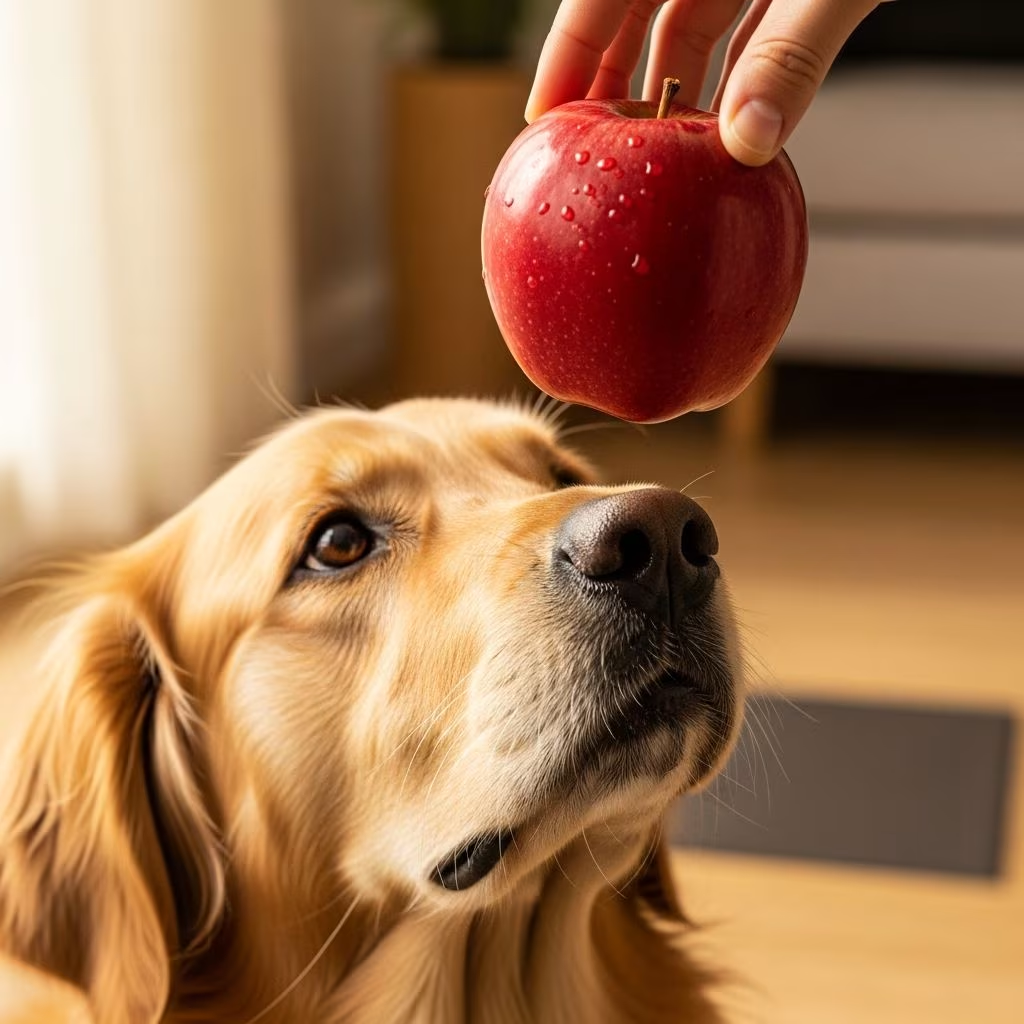
If you’re enjoying a crisp, juicy apple and notice your dog’s eyes lighting up with interest, you might wonder whether it’s safe to share this nutritious fruit with your furry companion. The good news is that yes, dogs can eat apples! These wholesome fruits offer numerous nutritional benefits and can serve as a healthy, low-calorie treat for most dogs. However, like many human foods, there are important guidelines to follow to ensure your dog enjoys apples safely. Understanding what parts are safe, how to prepare them correctly, and the right portion sizes will help you make the best choices for your pet’s health and happiness.
Are Apples Safe for Dogs?
The short answer is yes—apples are generally safe for dogs when prepared correctly. Many dog owners wonder about introducing new fruits into their pets’ diets, and apples are among the safest options available. Dogs can enjoy apples as an occasional treat that provides both nutritional value and satisfaction. However, safety depends on proper preparation and moderation. Raw apples in their natural form are perfectly fine for dogs, and many pups actually enjoy the crispy texture and natural sweetness. Before offering any apple to your dog, it’s essential to understand which parts are safe and which should be avoided entirely.
Nutritional Benefits of Apples for Dogs
Apples are remarkably nutritious fruits that offer significant health benefits for your canine companion. These benefits extend beyond simple taste enjoyment and provide genuine nutritional value to support your dog’s wellbeing.
Key Nutritional Components
- Vitamins A and C: These essential vitamins support skin health, coat quality, and immune system function, helping your dog maintain vibrant health from the inside out.
- Fiber: Apples are exceptionally rich in fiber, particularly in the peel, which aids digestive health and helps maintain healthy weight by promoting satiety and regular bowel movements.
- Potassium: This crucial mineral is essential for proper muscle function, nerve transmission, and maintaining healthy blood pressure in dogs.
- Antioxidants: Apples contain powerful antioxidants that help combat inflammation, support overall cellular health, and may reduce the risk of chronic diseases in aging dogs.
- Low Calorie Content: With minimal calories per serving, apples make an excellent choice for dogs requiring weight management without sacrificing nutritional value.
These nutritional elements work together to make apples one of the most beneficial fruits you can offer your dog. The combination of vitamins, minerals, and fiber creates a superfood-like treat that supports multiple aspects of canine health.
Can Dogs Eat Apple Cores and Seeds?
One of the most critical safety concerns when feeding apples to dogs involves the core and seeds. It’s absolutely essential that you remove these parts before offering apples to your pet.
The Dangers of Apple Seeds
Apple seeds contain a cyanide compound that is toxic to both dogs and humans. While a single apple seed is unlikely to cause serious harm due to the small quantity of the compound, it’s best to avoid any unnecessary risk. The stem of the apple contains this same cyanide compound, so it should also be removed completely. Never give your dog a whole apple; instead, carefully cut the apple into small, manageable pieces, ensuring all seeds and the core are completely removed before serving.
Core-Related Choking and Blockage Risks
Beyond the chemical concern, apple cores present physical hazards. The core is tough, difficult to digest, and can pose a choking hazard, particularly for smaller dog breeds. In severe cases, pieces of apple core can cause intestinal blockages, which represent serious medical emergencies requiring veterinary intervention. Always take the time to properly prepare apples by cutting them into bite-sized pieces that your dog can safely consume without risk of choking or digestive obstruction.
Do Dogs Actually Like Apples?
Yes! The vast majority of dogs genuinely enjoy apples and will eagerly perform tricks or show excitement at the prospect of receiving an apple slice. This preference likely stems from dogs’ ancestral diet, which historically included wild fruits and vegetables. Dogs are naturally attracted to sweet flavors, and apples’ natural sweetness appeals to their palate. Unlike toxic foods such as chocolate, which should never enter your dog’s diet, apples offer a safe and satisfying way to indulge your dog’s sweet tooth while providing genuine nutritional benefits. Many dog owners report that their pets are equally enthusiastic about apple treats as they are about conventional dog treats.
Can Dogs Eat Apple Skin?
Apple skin is safe for dogs to eat and actually contains significant nutritional value, being particularly high in fiber. However, there are important considerations to keep in mind. Many apples grown commercially are treated with pesticides and other chemicals that accumulate on the skin. Before offering apples with skin intact to your dog, wash them thoroughly under warm, running water using a soft brush to remove surface pesticides, dirt, and bacteria. For maximum safety, consider purchasing organic apples, which are grown without synthetic pesticides. If your dog has a sensitive stomach or experiences digestive upset, you may want to remove the skin before serving. Some dogs may also experience mild digestive issues if they consume too much apple skin, so moderation remains key.
Can Dogs Eat Applesauce?
Dogs can safely enjoy applesauce, but you must exercise caution with ingredients. Plain, unsweetened applesauce in small amounts is perfectly acceptable. However, most commercial applesauce products contain added sugars, cinnamon, or other ingredients that may not be appropriate for dogs. Some brands even include xylitol, an artificial sweetener that is toxic to dogs and can cause serious health complications. Before purchasing any applesauce, carefully examine the label for these potentially harmful additives. The safest option is to prepare homemade applesauce by washing, coring, and mashing fresh apples yourself, ensuring you know exactly what your dog is consuming. When serving applesauce, keep portions minimal—a teaspoon mixed into your dog’s regular food provides a delightful surprise without excessive sugar intake.
Creative Ways to Serve Apples to Your Dog
Beyond simply offering apple slices, there are numerous creative and enjoyable ways to incorporate apples into your dog’s treat routine:
Fresh Apple Slices and Chunks
The simplest method involves cutting apples into appropriately sized pieces—approximately one-inch chunks or quarter-inch thick slices—that are easy for your dog to safely consume. These bite-sized portions make convenient training treats or rewards.
Frozen Apple Treats
Cube fresh apples, freeze them overnight, and offer them as refreshing treats on hot days. The frozen texture provides a cooling sensation that many dogs find incredibly appealing, and the act of chewing frozen apple can help clean their teeth naturally.
Apple and Peanut Butter Combination
On special occasions, spread a small amount of plain peanut butter on an apple slice to create an irresistible texture combination. Ensure the peanut butter contains no xylitol, which is toxic to dogs. This combination provides both nutritional benefits and sensory enjoyment.
Apple-Based Smoothies and Frozen Treats
Blend apple chunks with other dog-friendly fruits like bananas, blueberries, or strawberries to create nutritious fruit smoothies. You can serve these smoothies directly as special treats or freeze them in KONG toys for extended enjoyment. For an indulgent treat, blend frozen apple chunks with plain, unsweetened yogurt to create dog-friendly apple ice cream.
Dehydrated Apple Pieces
If you own a dehydrator, creating homemade dehydrated apple pieces offers a shelf-stable treat option. Remember that dehydration concentrates sugars, so these treats should be offered sparingly. Avoid commercially dehydrated fruits, which often contain added sugars and preservatives that aren’t appropriate for dogs.
Food Toppers
Enhance your dog’s regular meals by mixing chopped or blended apples into their food. This addition provides nutritional variety and can stimulate interest in regular meals, particularly for picky eaters.
Important Serving Guidelines and Precautions
While apples are safe, following certain guidelines ensures your dog benefits from this treat without experiencing negative effects:
Portion Control
Despite their health benefits, apples contain natural sugars—approximately 19 grams per medium apple. Excessive consumption can lead to digestive upset, including stomach aches and diarrhea. Offer only a slice or two as an occasional treat rather than a daily staple. For smaller dogs, even smaller portions are appropriate. Treats, including apple treats, should constitute no more than 10% of your dog’s daily caloric intake.
Proper Preparation
Always wash apples thoroughly under running water to remove pesticides, bacteria, and dirt. Cut them into bite-sized pieces before serving to aid digestion and prevent potential choking hazards. Remove all seeds, the core, and the stem completely before offering any apple to your dog.
Individual Health Considerations
Dogs with sensitive stomachs, diabetes, or other existing health conditions may need to avoid apples or consume them only under veterinary guidance. Consult with your veterinarian before introducing new foods, particularly if your dog has medical conditions or takes medications that might interact with high-fiber foods.
Frequently Asked Questions About Dogs and Apples
Q: How often can I give my dog apples?
A: Apples should be offered as occasional treats, perhaps once or twice weekly, rather than daily. Since treats should comprise no more than 10% of daily calories, moderation is essential to prevent digestive upset and excessive sugar consumption.
Q: What should I do if my dog accidentally swallows apple seeds?
A: A single apple seed is unlikely to cause serious harm. However, if your dog consumes a large number of seeds or shows signs of distress, contact your veterinarian immediately. Always supervise treat time and remove all seeds before offering apples.
Q: Are certain apple varieties safer than others?
A: All apple varieties—whether red, green, or yellow—are safe for dogs when properly prepared. Choose organic varieties when possible to minimize pesticide exposure. The key is proper preparation regardless of variety.
Q: Can puppies eat apples?
A: Yes, puppies can eat apples, but offer very small pieces to prevent choking. Introduce new foods gradually and in small amounts to monitor for any digestive reactions.
Q: Is apple juice safe for dogs?
A: Unsweetened apple juice in moderation is generally safe, but it lacks the beneficial fiber found in whole apples and contains concentrated sugars. Whole apples are a better choice.
Conclusion
Apples make an excellent, nutritious treat for most dogs when prepared and served correctly. Their abundance of vitamins, minerals, fiber, and antioxidants combined with their low caloric content makes them a superior alternative to many processed dog treats. By removing seeds, cores, and stems, washing thoroughly, cutting into appropriate sizes, and maintaining proper portion control, you can safely offer your dog this wholesome fruit. Whether you choose simple apple slices, frozen treats, or creative combinations with dog-friendly ingredients, your canine companion can enjoy the health benefits and simple pleasure of sharing this natural treat with you. As always, consult with your veterinarian before introducing new foods, particularly if your dog has existing health conditions. With these guidelines in mind, you can confidently offer apples as part of a balanced, nutritious diet that keeps your dog healthy and happy.
References
- Can Dogs Eat Apples? All Your Questions Answered! — Cadet Pet. 2024. https://www.cadetpet.com/dog-basics/can-dogs-eat-apples
- Should You Feed Your Dog Apples? Here’s What You Need to Know — Petzyo. 2024. https://petzyo.com.au/blogs/health-wellbeing/should-you-feed-your-dog-apples-here-s-what-you-need-to-know
- What Fruits Can Dogs Eat? — PetMD. 2024. https://www.petmd.com/dog/nutrition/what-fruits-can-dogs-eat
- Safe And Unsafe Fruits And Veggies To Share With Your Dog — Impri Medicine. 2024. https://www.imprimedicine.com/blog/safe-fruits-and-veggies-for-dogs



