

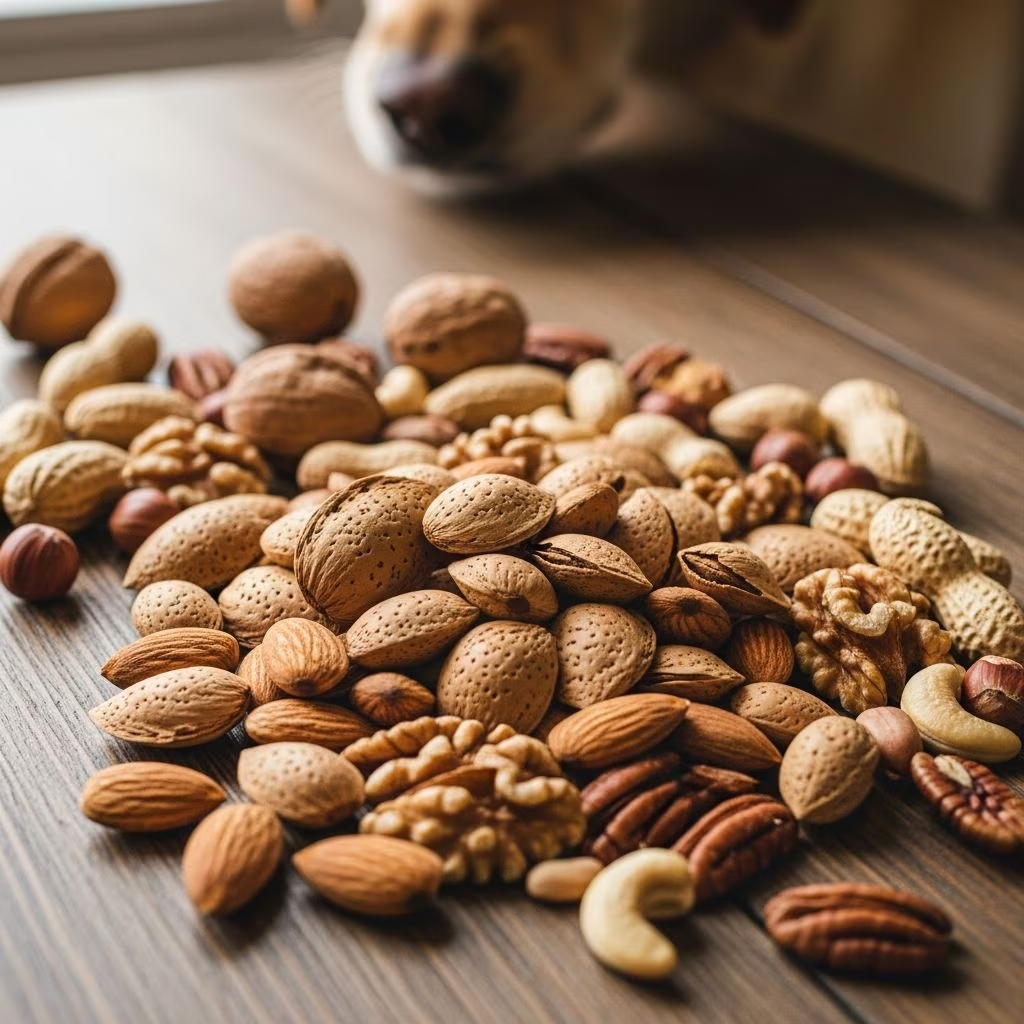
Almonds and many other nuts pose significant health risks to dogs despite not being outright toxic in most cases. High fat content can lead to pancreatitis, while their hard texture creates choking and obstruction hazards, especially for small breeds.
Can Dogs Eat Almonds?
Almonds are not recommended for dogs. Although not as toxic as macadamia nuts, almonds are high in fat, making them difficult for dogs to digest and increasing the risk of pancreatitis—a painful inflammation of the pancreas that requires veterinary intervention.
The hard, whole shape of almonds presents a choking hazard or can cause blockages in the esophagus, stomach, or intestines. Small dogs are particularly vulnerable, where even a few almonds may lodge fatally without surgery.
Flavored or salted almonds amplify dangers: seasonings irritate the stomach, and excess salt leads to dehydration, vomiting, diarrhea, or salt toxicity.
Why Are Almonds Bad for Dogs?
Dogs lack the jaw strength and chewing habits to process nuts effectively. Swallowing almonds whole often results in:
- Obstructions: Blockages in airways or digestive tract, potentially life-threatening.
- Pancreatitis: Fat overload triggers severe abdominal pain, vomiting, and lethargy.
- Gastrointestinal upset: Diarrhea, gas, and appetite loss from poor digestion.
PetMD notes that while one almond may not harm a large dog, monitoring is essential, and veterinary induction of vomiting is advised if ingestion is recent.
Can Dogs Eat Almond Butter?
Plain, unsalted almond butter without xylitol is not toxic but still risky due to high fat content. Use sparingly as a pill vehicle or tiny treat, similar to peanut butter—but avoid regular feeding to prevent digestive issues or pancreatitis.
Check labels: Xylitol, sugar, or salt makes it dangerous. Vets recommend moderation, as even small amounts add unnecessary calories.
Which Nuts Can Dogs Eat Safely?
Most tree nuts are unsafe. Here’s a breakdown:
| Nut Type | Safe for Dogs? | Risks/Notes |
|---|---|---|
| Almonds | No | Choking, pancreatitis, obstructions. |
| Macadamia | Absolutely No | Toxic: vomiting, tremors, hyperthermia. |
| Walnuts/Pecans | No | Mold toxins, high fat, blockages. |
| Brazil Nuts | No | Very high fat, hard to digest. |
| Hazelnuts | No | Choking hazard, fat content. |
| Pistachios | No (unshelled) | Shells cause blockages; high fat. |
| Peanuts | Yes (limited) | Legumes, not nuts; unsalted, few only. Allergies possible. |
| Cashews | Cautious No | High fat; cooked/salted risky. |
Peanuts are the safest “nut” option as legumes, but limit to unsalted, dry-roasted in small quantities to avoid aflatoxins or allergies.
What Nuts Are Toxic to Dogs?
Macadamia nuts top the list: Even small amounts cause weakness, vomiting, tremors, and hypothermia.
Walnuts, pecans, and hickory nuts risk mycotoxins from mold, leading to seizures or death.
Acorns (technically nuts) contain tannins causing vomiting and diarrhea.
What to Do If Your Dog Eats Almonds or Nuts
Act quickly:
- Assess quantity/size: One almond in a large dog may pass; multiples or small breeds need attention.
- Watch symptoms: Vomiting, diarrhea, lethargy, choking signs, abdominal pain.
- Contact vet immediately: Induce vomiting if within 30 minutes (vet-supervised); monitor or x-ray for blockages.
- Emergency signs: Persistent vomiting, distress, breathing issues—seek ER care.
AKC advises against home remedies; professional evaluation prevents complications like pancreatitis.
Safe Alternatives to Nuts for Dogs
Opt for dog-friendly treats:
- Carrots, apples (no seeds), blueberries—low-calorie, crunchy.
- Plain pumpkin or sweet potato for digestion.
- Commercial treats or vet-approved peanut butter (xylitol-free).
- Yogurt or cheese in moderation for dairy-tolerant dogs.
These provide fiber, vitamins without fat overload.
Frequently Asked Questions (FAQs)
Can dogs eat a few almonds?
It’s risky even for a few. Large dogs might tolerate one, but small breeds face choking or GI issues. Monitor and call vet.
Is almond butter safe for dogs?
In tiny amounts if plain and xylitol-free, yes—but high fat makes it unsuitable regularly.
What if my dog ate macadamia nuts?
Toxic emergency: Symptoms include tremors and weakness. Vet care urgently required.
Are peanuts okay for dogs?
Yes, sparingly unsalted. They’re legumes, but watch for allergies.
How many nuts can hurt my dog?
Depends on size: Even handfuls for small dogs or flavored nuts pose high risk.
Preventing Nut Mishaps
Store nuts securely; train “leave it” commands. Educate family on risks. Regular vet checkups catch sensitivities early.
Understanding canine digestion—optimized for meat, not high-fat plants—guides safe feeding.
References
- Can Dogs Eat Almonds? — American Kennel Club. 2023-05-15. https://www.akc.org/expert-advice/nutrition/can-dogs-eat-almonds/
- Can My Dog Eat That: Nuts — Taste of the Wild Pet Food. 2024-02-10. https://www.tasteofthewildpetfood.com/articles/can-my-dog-eat-that/nuts/
- Can Dogs Eat Almonds? — PetMD. 2024-08-22. https://www.petmd.com/dog/nutrition/can-dogs-eat-almonds
- Can Dogs Eat Almonds? What To Know — MetLife Pet Insurance. 2023-11-07. https://www.metlifepetinsurance.com/blog/pet-health/can-dogs-eat-almonds/
- Can Dogs Eat Nuts? — Nutrish Pet Food. 2024-01-19. https://www.nutrish.com/blog/can-dogs-eat-nuts/
- Can Dogs Eat Nuts? — PetLab Co. 2024-06-05. https://thepetlabco.com/learn/dog/nutrition/can-dogs-eat-nuts
- My Dog Ate Almonds — Emergency Options — GSVS. 2023-09-12. https://gsvs.org/blog/dog-ate-almonds-emergency-options/



