

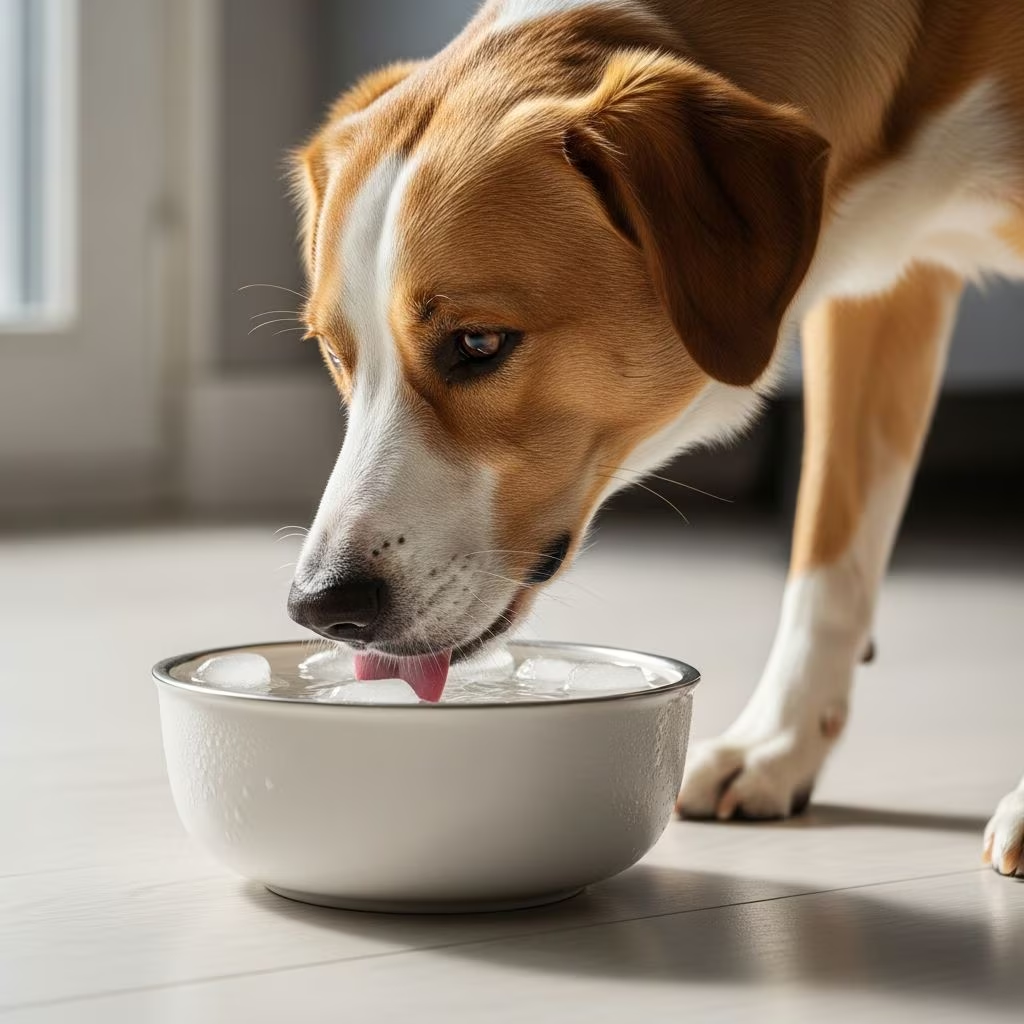
Many dog owners wonder if giving their furry friends cold water or ice cubes is safe, especially during hot summer days. The short answer is yes—dogs can safely drink cold water and even enjoy ice cubes in moderation, debunking viral myths about heatstroke or bloat. This comprehensive guide covers the science, benefits, risks, and practical tips to ensure your dog’s hydration needs are met without worry.
Is Cold Water Bad for Dogs? Debunking the Myths
A persistent myth claims that cold water or ice cubes can trigger heatstroke by causing the dog’s body to overcompensate and raise its core temperature. This idea stems from a misinterpretation of physiology: while consuming very cold substances can activate the hypothalamus to maintain core temperature, it doesn’t lead to dangerous overheating in normal scenarios. Veterinary experts confirm there’s no evidence linking ice water to increased heatstroke risk; in fact, it provides mild cooling benefits on hot days.
Another viral story from 2010 suggested ice water caused bloat (gastric dilation-volvulus, or GDV) in a dog. However, vets clarify that bloat results from gulping water too quickly—swallowing air regardless of temperature—not the cold itself. Dogs prefer cool water anyway, as studies show they drink more of it, aiding hydration. Bottom line: cold water is safe and preferred, but monitor drinking speed.
Benefits of Cold Water and Ice for Dogs
Cold water offers several advantages for canine health, particularly in warm climates:
- Hydration boost: On hot days, dogs pant to cool off but may not drink enough plain water. Ice cubes make water more appealing, encouraging intake and preventing dehydration.
- Mild cooling: Ice melts quickly, providing a slight temperature drop without shocking the system. This helps dogs regulate body heat efficiently since they sweat minimally through paws.
- Entertainment and enrichment: Chewing ice keeps bored pups occupied, slowing water consumption and reducing gulping risks.
- Digestion aid: Ice digests easily, melting into water in the mouth and stomach—no digestive harm.
Research supports dogs favoring cool (around 50-60°F) over warm water, increasing voluntary consumption.
Potential Risks and How to Avoid Them
While generally safe, cold water isn’t risk-free. Here’s what to watch for:
- Bloat (GDV): Fast drinking of any water traps air, distending the stomach. Deep-chested breeds like Great Danes are prone. Solution: Use slow-feed bowls or puzzle toys.
- Dental damage: Hard ice cubes can fracture teeth, especially in chew-happy dogs. Opt for crushed ice.
- Choking hazard: Large ice chunks may block airways temporarily until melting. Supervise and break into small pieces.
- Stomach upset: Excessively cold water might cause minor discomfort in sensitive dogs, though rare.
- Heatstroke misconception: For severely overheated dogs, avoid ice to prevent vessel constriction; use cool (not icy) water instead.
| Risk | Causes | Prevention |
|---|---|---|
| Bloat (GDV) | Gulping air with fast drinking | Slow bowls, small amounts frequently |
| Tooth fractures | Chewing hard ice | Crushed ice or soft frozen treats |
| Choking | Swallowing large cubes | Supervise, small pieces |
| Overcooling (emergency) | Ice on heatstroke dog | Cool water, vet immediately |
Best Water Temperature for Dogs
Dogs thrive on cool to room-temperature water (50-70°F). Avoid extremes:
- Too hot: Risks burns to mouth/esophagus; caffeine in warm drinks is toxic.
- Carbonated: Causes gas buildup, worsening GDV risk.
- Ideal: Refresh daily; add ice in summer for appeal.
For bathing, use lukewarm (98.6°F max) to avoid heart strain in pups/seniors. Cool spritzes help overheating without shock.
Signs of Dehydration and Overheating in Dogs
Stay vigilant for these symptoms:
- Excessive panting or drooling
- Dry, sticky gums; sunken eyes
- Lethargy, weakness, or collapse
- Dark, infrequent urine; loss of skin elasticity (tent test fails)
- No appetite, slow responses.
If spotted, offer cool water slowly, wet paws/belly, and seek vet care. Portable bowls/fountains encourage on-the-go hydration.
Tips for Keeping Your Dog Hydrated Safely
Follow these vet-recommended practices:
- Multiple stations: Place fresh water bowls around home/yard.
- Ice safely: Crushed cubes in bowls; frozen broth in toys for fun.
- Monitor intake: Aim for 1 oz per lb body weight daily; more in heat/exercise.
- Breed considerations: Brachycephalics (e.g., Bulldogs) gulp faster—use fountains.
- Travel prep: Collapsible bowls, check for clean sources.
- Alternatives: Wet food, puppy milk replacers for picky drinkers.
In heat waves, combine ice water with shade, walks at dawn/dusk, and cooling mats.
Can Dogs Eat Ice? Special Considerations
Yes, most dogs can eat ice safely as a treat. Benefits include dental cleaning (via scraping) and cooling. However:
- Puppies/kittens: Smaller pieces to avoid tummy upset.
- Seniors: Softer options for fragile teeth.
- Post-exercise: Ideal for replenishing fluids.
Flavor ice with dog-safe broth (low-sodium, no onions/garlic) for extra appeal.
Frequently Asked Questions (FAQs)
Q: Can I put ice cubes in my dog’s water bowl?
A: Yes, it’s safe and helpful for cooling/hydration. Use crushed ice to prevent dental issues.
Q: Does cold water cause bloat in dogs?
A: No—the myth is debunked. Bloat comes from fast gulping/air swallowing, not temperature.
Q: What temperature water is best for dogs?
A: Cool to room temp (50-70°F). Dogs prefer it and drink more.
Q: Is ice bad for a dog’s teeth?
A: Hard cubes can fracture teeth; crushed is safer.
Q: Can I give my overheated dog ice water?
A: For mild cases, yes. Severe heatstroke: Use cool water, avoid ice, get to vet.
Q: How much water should my dog drink daily?
A: About 1 ounce per pound of body weight, more in heat/activity.
Conclusion: Hydrate Happily and Safely
Cold water and ice are dog-approved for everyday use, offering hydration perks without the dangers hyped online. Prioritize moderation, supervision, and breed-specific needs for optimal health. Consult your vet for personalized advice, especially for puppies, seniors, or those with conditions.
References
- Can I put ice in my dog’s water bowl? — Vet Help Direct. 2018-07-31. https://vethelpdirect.com/vetblog/2018/07/31/can-put-ice-in-my-dogs-water-bowl/
- Is Cold Water Bad for Dogs? — Rover.com. Accessed 2026. https://www.rover.com/blog/is-cold-water-bad-for-dogs/
- Can Dogs Eat Ice? Are Ice Cubes And Ice Water Dangerous? — Chewy. Accessed 2026. https://www.chewy.com/education/dog/food-and-nutrition/can-dogs-eat-ice
- Can Dogs Drink Ice Water? — Springdale Pet Ranch. Accessed 2026. https://www.springdalepetranch.com/blog/can-dogs-drink-ice-water/
- The Truth About Ice-water and Bloat — Point Vicente Animal Hospital. Accessed 2026. https://www.pointvicentevet.com/services/dogs/blog/truth-about-ice-water-and-bloat
- Dog Drinking Cold Water: Benefits, Risks, and Best Practices — Uahpet. Accessed 2026. https://www.uahpet.com/blogs/post/dog-drinking-cold-water-benefits-risks-and-best-practices



