

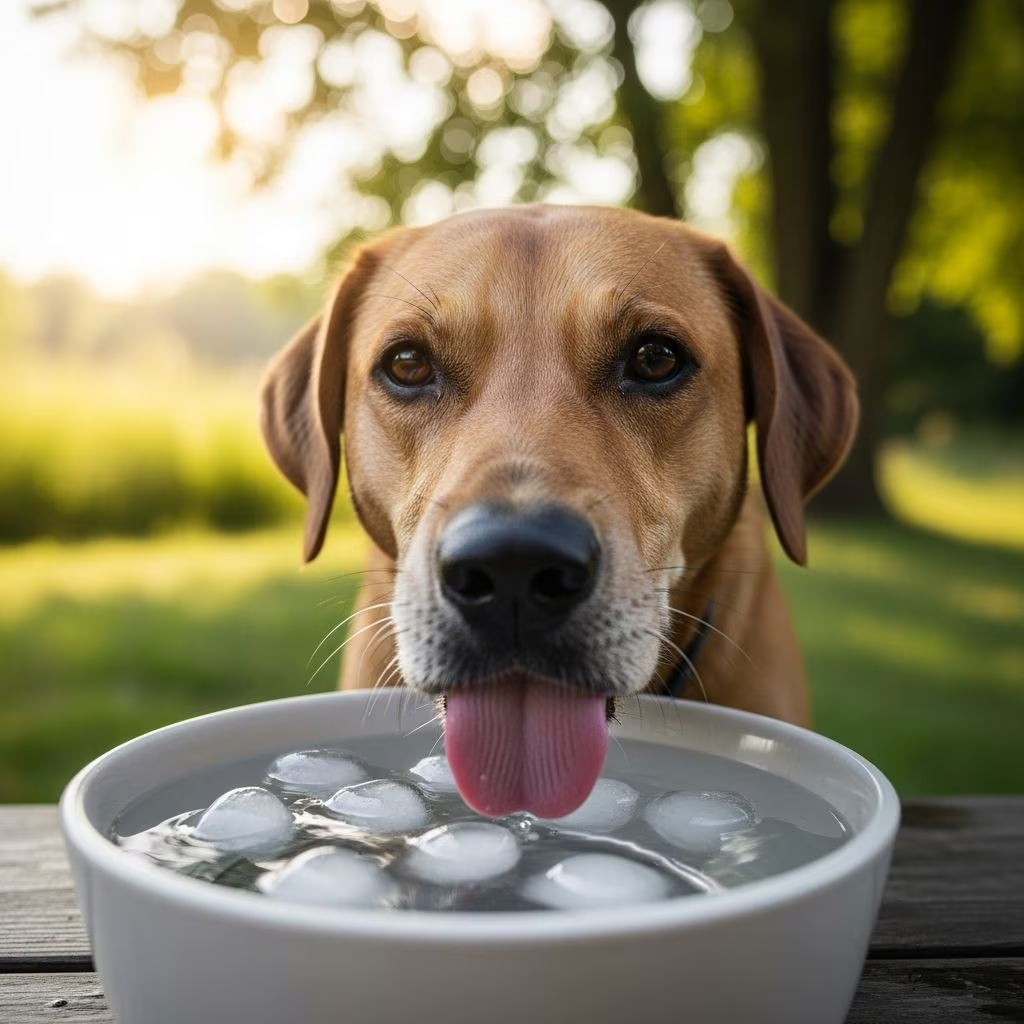
Dogs can safely drink cold water, including ice water, without the dangers often claimed in myths about heat stroke or hypothermia. Research shows cool water is preferred by dogs and aids hydration, though gulping any water too quickly poses risks like bloat regardless of temperature.
Debunking the Ice Water Myth for Dogs
A persistent myth suggests ice water triggers the dog’s hypothalamus to raise core temperature, potentially causing heat stroke. This claim posits that cold water shocks the system, leading to compensatory warming. However, veterinary experts clarify there’s no evidence supporting this; a few ice cubes melt quickly and do not induce dangerous temperature rises.
Historical concerns arose from outdated advice fearing vasoconstriction or shock, but modern studies in dogs and humans debunk this. Cold water immersion rapidly cools overheated dogs more effectively than tepid water, with no adverse effects when monitored.
- Myth: Ice water causes heat stroke by tricking the body to heat up.
- Fact: Ice melts fast; no link to heat stroke. Shivering from excessive forced ice might occur but stabilizes normally.
- Myth: Cold water leads to vasoconstriction, trapping heat.
- Fact: Water’s high thermal capacity overrides this, enabling efficient cooling.
The Real Risks: Bloat and Gastric Dilation Volvulus (GDV)
The primary concern with cold water isn’t temperature but speed of consumption. Dogs lap water by scooping it back with their tongues, often swallowing air if drinking rapidly. This aerophagia can cause bloating, progressing to life-threatening GDV, where the stomach twists.
GDV symptoms include unproductive retching, swollen abdomen, restlessness, and collapse. Deep-chested breeds like Great Danes are most prone, but any dog gulping water risks it. Temperature is irrelevant; slow drinking prevents this.
| Risk Factor | Description | Prevention |
|---|---|---|
| Fast Drinking | Swallows air, leading to bloat/GDV | Slow feeder bowls, ice cubes to slow intake |
| Deep Chest Breeds | Higher GDV susceptibility | Monitor meals/water closely |
| Post-Exercise | Thirst leads to gulping | Small amounts frequently |
Benefits of Cold Water for Dogs
Dogs prefer cool water (around 59-61°F), which encourages more drinking and better hydration. In hot weather, ice water or cubes provide refreshment and help regulate body temperature.
- Promotes hydration: Cooler water is more appealing, preventing dehydration signs like dry gums or lethargy.
- Heat relief: Ideal for summer; tap water cools as well as ice water.
- Entertainment: Chewing ice cubes offers mental stimulation, though crush to avoid tooth fractures.
For heat stroke emergencies, cold water immersion (32-59°F) is the gold standard, rapidly lowering core temperature and saving lives by interrupting organ damage cascades like SIRS and MODS.
When Cold Water Might Pose Issues
While safe generally, caveats exist:
- Dental risks: Hard ice cubes can fracture teeth; opt for crushed ice.
- Stomach discomfort: Extremely cold water may upset sensitive stomachs briefly, but not fatally.
- Overcooling in emergencies: Monitor to stop at 102.5-103°F; avoid in non-heat stroke cases.
- Forced intake: Never force ice into unresponsive dogs; risk aspiration or hypothermia.
Hot liquids are dangerous due to burns; room temperature is fine but less preferred.
Best Water Temperature for Dogs
Studies indicate dogs favor cool water over warm. Optimal range: 50-65°F. In summer, add ice; in winter, room temperature suffices unless very cold climates affect preference.
- Summer: Ice water or frozen treats.
- Winter: Lukewarm to encourage drinking.
- Post-exercise: Cool water in small sips.
Avoid caffeine-laced drinks like tea/coffee, even cold.
Recognizing Dehydration and Heat Stroke
Monitor for dehydration: excessive panting, dry nose/gums, sunken eyes, dark urine, lethargy. Heat stroke signs: rapid breathing, weakness, vomiting, seizures. Act fast with cold immersion.
Risk groups: puppies, seniors, overweight dogs, those with heart/respiratory issues—more vulnerable at 70°F+.
Best Practices for Dog Hydration
Ensure constant fresh water access. Use fountains for appeal. Portable bottles for outings.
- Multiple bowls around home.
- Slow drinking aids: ice, puzzle toys.
- Daily intake: 1 oz per lb body weight minimum.
- Cool, not frozen solid, to prevent gulping.
For heat stroke: Immerse in cold water up to neck, monitor temp, seek vet.
Frequently Asked Questions (FAQs)
Can I put ice in my dog’s water bowl?
Yes, ice is safe and helps slow drinking, reducing bloat risk. Crush for dental safety.
Is ice water bad after exercise?
No, but offer small amounts to avoid gulping. Cool water aids recovery.
Does cold water cause bloat in dogs?
Not the cold—fast drinking does. Ice actually slows intake.
Can puppies drink cold water?
Yes, but monitor; young dogs have less thermoregulation. Room temp if sensitive.
What if my dog ate a lot of ice?
Usually fine; watch for shivering or upset stomach. No heat stroke risk.
Best way to cool a heat-stroked dog?
Cold water immersion immediately; most effective per studies.
References
- Why Cold Water Immersion is the Gold Standard for Dog Heat Stroke — The Balanced Canine. 2023. https://www.thebalancedcanine.co.uk/articles/saving-lives-why-cold-water-immersion-is-the-gold-standard-for-dog-heat-stroke
- Can I put ice in my dog’s water bowl? — Vet Help Direct. 2018-07-31. https://vethelpdirect.com/vetblog/2018/07/31/can-put-ice-in-my-dogs-water-bowl/
- Is Cold Water Bad for Dogs? — Rover.com. Accessed 2026. https://www.rover.com/blog/is-cold-water-bad-for-dogs/
- Can Dogs Drink Ice Water? — Springdale Pet Ranch. Accessed 2026. https://www.springdalepetranch.com/blog/can-dogs-drink-ice-water/
- Can Dogs Eat Ice? Is Ice Water Dangerous? — Chewy. Accessed 2026. https://www.chewy.com/education/dog/food-and-nutrition/can-dogs-eat-ice



