

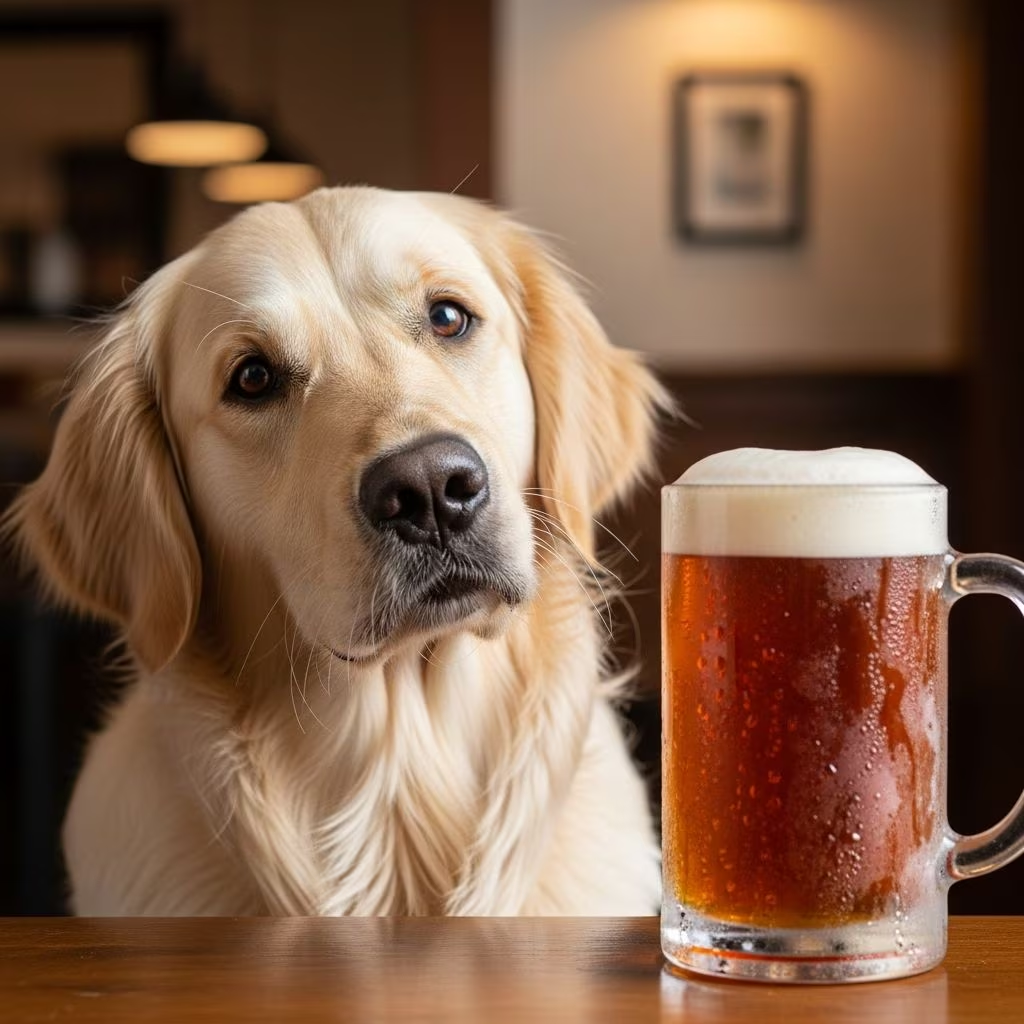
Dogs should never consume beer or any alcoholic beverage, as even tiny amounts can trigger life-threatening alcohol poisoning. This comprehensive guide explores the science behind alcohol’s dangers for canines, identifies key risks beyond just ethanol, outlines symptoms to watch for, and provides actionable prevention strategies to keep your furry companion safe.
The Science of Alcohol Toxicity in Canines
Canine physiology differs markedly from humans when processing ethanol, the primary alcohol in beer. Dogs lack the efficient liver enzymes needed to metabolize alcohol quickly, leading to rapid accumulation in their bloodstream and swift impacts on vital systems. Ethanol depresses the central nervous system (CNS), disrupting brain function and organ coordination. For context, a dose of 5.55 g/kg body weight—roughly equivalent to 0.2 oz/kg—can prove fatal, meaning a 10-pound dog might succumb after just one ounce of beer.
Beyond ethanol, beer contains hops, which are female flowers used in brewing for bitterness and stability. Hops trigger malignant hyperthermia in dogs, a condition where body temperature surges above 108°F, risking organ failure. This reaction stems from hops’ unique compounds that overstimulate canine metabolic pathways, unlike in humans.
Carbonation in beer exacerbates issues by promoting bloating and gastric distress, while flavorings, preservatives, and potential additives like artificial sweeteners introduce further hazards. Smaller breeds face amplified risks due to their lower body mass; a lick that seems innocuous can equate to a human downing multiple drinks proportionally.
Immediate Health Risks from Beer Ingestion
Ingestion leads to multifaceted dangers. Alcohol rapidly absorbs via the gastrointestinal tract, crossing into the brain within 15-30 minutes to imbalance neurotransmitters, causing disorientation and impaired reflexes. Hops compound this with hyperthermic effects, manifesting as excessive panting and tremors.
| Risk Factor | Effects on Dogs | Severity Level |
|---|---|---|
| Ethanol | CNS depression, vomiting, seizures | High – potentially fatal |
| Hops | Hyperthermia, organ damage | Critical – often requires emergency care |
| Carbonation/Additives | Bloating, digestive upset | Moderate – leads to discomfort |
This table summarizes primary threats, highlighting why no amount of beer is safe. Psychoactive influences further disorient dogs, increasing injury risks during confusion.
Recognizing Symptoms of Alcohol Poisoning
Symptoms emerge swiftly, often 15 minutes to 2 hours post-ingestion, faster than many toxins like chocolate due to alcohol’s quick absorption. Early indicators include:
- Vomiting and excessive drooling
- Disorientation or staggering gait
- Weakness or inability to stand
Progression brings severe signs:
- Slow, irregular breathing
- Muscle tremors and seizures
- Hypothermia or hyperthermia from hops
In extreme cases, coma or death ensues without intervention. Small dogs show effects quickest; monitor closely if exposure is suspected.
Emergency Response: What to Do If Your Dog Drinks Beer
Act immediately—do not wait for symptoms. Contact your veterinarian or Pet Poison Helpline (888-426-4435) right away. Provide details on amount ingested, beer type, dog’s size/breed, and time elapsed. Avoid inducing vomiting unless directed, as it risks aspiration.
At home, ensure a quiet, cool space to prevent injury. Vets may administer activated charcoal, IV fluids, or anti-seizure meds. Prognosis improves with prompt care; delays elevate fatality risks.
Prevention Strategies for Pet-Safe Gatherings
Proactive measures safeguard against accidents:
- Store drinks elevated or in closed areas away from dogs.
- Use pet gates during parties to restrict access.
- Supervise outdoor events; clean spills instantly.
- Educate guests: no sharing “treats” with pets.
Opt for dog-friendly alternatives like plain water or vet-approved broths to mimic refreshment without harm.
Common Myths and Misconceptions Debunked
Myths persist despite evidence. “A little won’t hurt” ignores dose sensitivity—even licks pose risks. “Low-alcohol beer is fine” overlooks hops and traces of ethanol.
Root beer? High sugar and xylitol dangers make it unsafe. Non-alcoholic beer retains hops and up to 0.5% alcohol, plus sweeteners. Seltzers cause bloating; hard varieties add ethanol.
Long-Term Impacts of Alcohol Exposure
Survivors may face lingering effects: liver strain, neurological deficits, or behavioral changes from CNS disruption. Repeated low-level exposure heightens chronic risks, underscoring zero-tolerance.
Pet-Safe Beverage Alternatives
Hydrate pups with:
- Fresh, cool water—always best.
- Low-sodium bone broth (diluted).
- Frozen treats from pet-safe fruits like blueberries.
Avoid human sodas, juices, or anything caffeinated/sweetened.
Frequently Asked Questions
Is non-alcoholic beer okay for dogs?
No. It often contains trace alcohol, hops, and xylitol, all hazardous.
What about a single lick of beer?
Even minimal exposure risks poisoning, especially in small dogs.
Can dogs have root beer or soda?
No—sugar, xylitol, and carbonation cause issues.
How quickly do beer symptoms appear in dogs?
Typically 15-60 minutes.
What if my dog seems fine after drinking beer?
Effects can delay; seek vet advice regardless.
Conclusion: Prioritize Your Dog’s Safety
Beer offers no benefits for dogs and abundant perils. Awareness empowers prevention, ensuring joyful, healthy lives for your pets. Consult vets for tailored advice.
References
- Can Dogs Have Beer? Absolutely Not — Pumpkin Pet Insurance. 2023. https://www.pumpkin.care/post/can-dogs-have-beer
- Alcohol Poisoning in Dogs — PetMD. 2024-01-15. https://www.petmd.com/dog/poisoning/alcohol-poisoning-in-dog
- Can Dogs Drink Beer? — Dog Tag Art. 2023-06-10. https://www.dogtagart.com/blogs/news/can-dogs-drink-beer



