

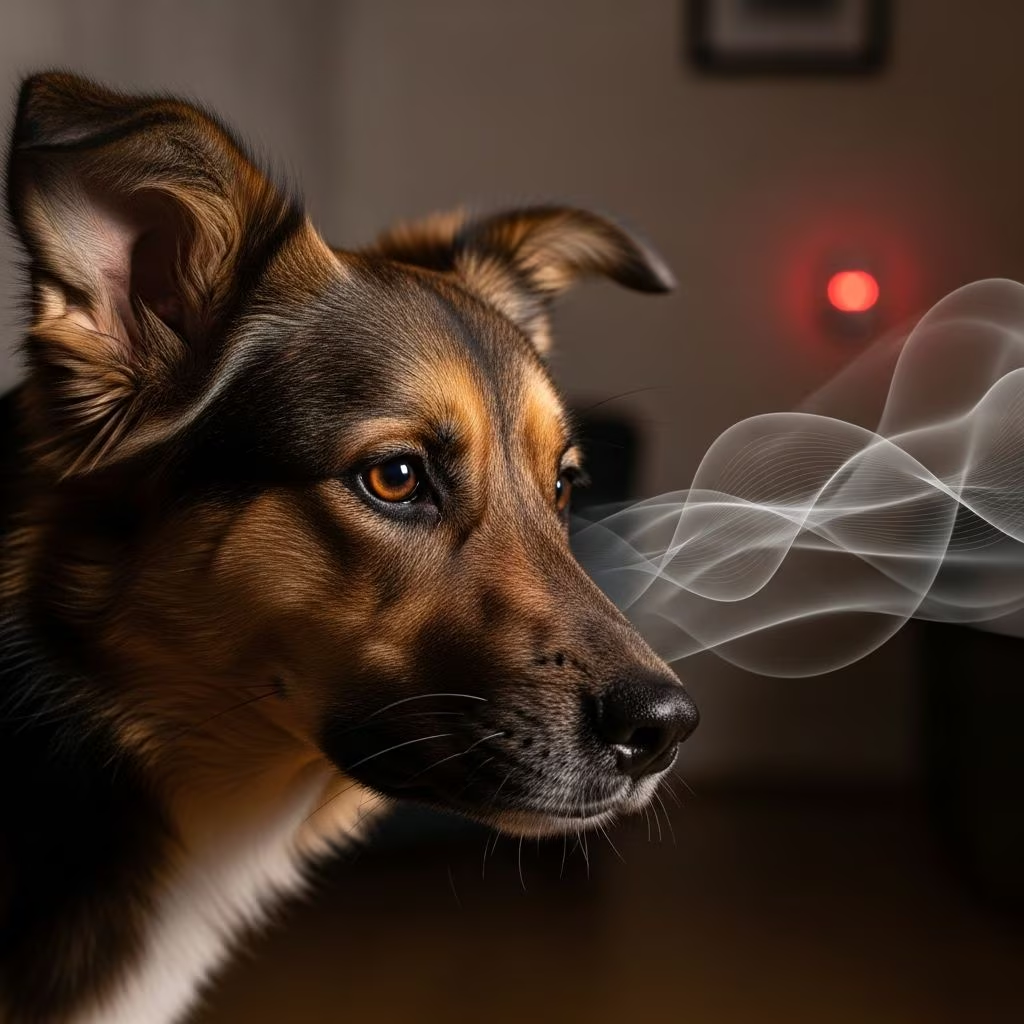
Carbon monoxide (CO) is a colorless, odorless, and tasteless gas produced by incomplete combustion of fuels like gas, oil, wood, or coal. It poses a severe threat to households because it binds to hemoglobin in the blood, preventing oxygen transport and leading to poisoning. While dogs possess an extraordinary sense of smell—up to 100,000 times more sensitive than humans—they cannot detect CO due to its lack of scent. This myth persists despite scientific consensus that no animal can smell this deadly gas, making reliable mechanical detectors essential for pet and human safety.
The Science Behind Dogs’ Sense of Smell and Its Limits
Dogs have approximately 300 million olfactory receptors compared to humans’ 6 million, allowing them to detect scents at concentrations as low as parts per trillion. This capability makes them invaluable for detecting explosives, drugs, and even certain diseases. However, CO is not a volatile organic compound with odor molecules; it is a simple diatomic gas that does not interact with olfactory receptors in a detectable way. Studies confirm that even highly trained canines fail to alert to CO presence, debunking online claims suggesting otherwise.
Instead of detection, dogs often serve as early warning systems through their physiological sensitivity. Smaller animals like dogs, cats, and birds absorb CO more rapidly due to higher metabolic rates and smaller body mass, exhibiting symptoms before humans. Historical examples, such as canaries in coal mines for other gases, highlight pets’ vulnerability rather than detection prowess.
Why Pets Are at Higher Risk from Carbon Monoxide
Pets, particularly small breeds and puppies, face amplified dangers from CO exposure. Their limited lung capacity and faster breathing rates mean quicker uptake of the gas. A peer-reviewed study on fire-related fatalities in dogs measured carboxyhemoglobin (COHb) levels—CO bound to blood proteins—and found elevated concentrations in victims, confirming rapid intoxication. Puppies showed similar pathological changes, including cherry-red discoloration and soot in respiratory tracts, underscoring their susceptibility.
Surveys reveal alarming gaps in owner awareness: 53% of U.S. and 61% of Canadian pet owners cannot identify CO poisoning symptoms in pets, and 36% lack functional CO alarms. One in ten dog owners report pets alerting them to dangers, often via behavioral changes rather than smell.
Recognizing Carbon Monoxide Poisoning Symptoms in Dogs
Early identification can save lives. Dogs display symptoms at lower CO concentrations (as low as 25 ppm) than humans, who may not notice until 100 ppm or more. Common signs include:
- Lethargy and weakness: Unusual tiredness or reluctance to move, even after rest.
- Respiratory distress: Rapid, labored breathing or coughing.
- Behavioral changes: Irritability, anxiety, aggression, or hiding.
- Gastrointestinal issues: Vomiting, diarrhea, or loss of appetite.
- Neurological signs: Disorientation, seizures, or collapse in severe cases.
- Gum and mucous membrane changes: Bright red or cherry-red coloration due to COHb buildup.
If you notice these, evacuate immediately to fresh air, seek veterinary care, and check for CO sources. Forensic analysis recommends combining COHb blood tests with lung tissue exams for accurate diagnosis, especially post-mortem.
Case Studies: When Pets Signaled Danger
Real-world incidents illustrate dogs’ indirect role in CO safety. In one Iowa case, a family’s dog exhibited frantic behavior—jumping on and off the bed—prompting them to activate their CO detector, which confirmed a gas fireplace leak. Though the dog didn’t smell CO, its distress from early poisoning symptoms alerted the household.
Another survey by npower found one in ten pet owners crediting their dog or cat for life-saving alerts during CO events, often through refusal to enter the home or unusual agitation. These stories emphasize behavioral cues over olfactory detection.
Debunking Myths: Dogs vs. Other Gases
Confusion arises because dogs excel at detecting scented gases. Natural gas (methane with mercaptan additive) carries a sulfurous odor dogs can sniff, aiding leak detection in pipelines. Similarly, trained dogs identify hydrogen sulfide (H2S), a rotten-egg smelling gas in oil fields and wastewater, even at low levels where humans fail.
| Gas Type | Dogs Can Detect? | Reason | Human Detection |
|---|---|---|---|
| Carbon Monoxide (CO) | No | Odorless | Impossible without tools |
| Natural Gas (w/ Mercaptan) | Yes (trained) | Sulfurous odor | Possible at high levels |
| Hydrogen Sulfide (H2S) | Yes | Rotten egg smell | Low concentrations only |
This table clarifies boundaries: CO remains undetectable.
Essential Prevention Strategies for Pet Owners
Never rely on pets alone. Install CO detectors on every floor, near sleeping areas, and fuel-burning appliances. Opt for low-level models alarming at 25 ppm, unlike standard UL2034-compliant ones that trigger at higher thresholds. Test monthly, replace batteries biannually, and units every 7-10 years.
- Schedule annual inspections for furnaces, fireplaces, water heaters, and chimneys.
- Ensure proper ventilation; avoid running cars in garages.
- Use pet-safe detectors; smaller animals need early alerts.
- Travel with portable CO meters for RVs or hotels.
Winter heightens risks from increased heating use. Educate via resources like National Pet Carbon Monoxide Safety Day.
Recommended Carbon Monoxide Detectors for Homes with Pets
Choose models suited for pet protection:
- Forensics Detectors Low-Level CO Detector: Alarms at 25 ppm for early pet warnings.
- Kidde Ultra Sensitive Monitor: Sensitive to low levels, ideal for families.
- Klein Tools Handheld Meter: For spot checks in travel or outdoors.
Combine with smoke alarms for comprehensive safety.
Veterinary and Forensic Insights on CO Exposure
In severe cases, vets measure COHb levels; normal is under 5%, poisoning exceeds 20%. Fire victims show soot in airways and thermal injuries, with cadavers post-exposed gaining COHb, stressing integrated diagnostics. Prevention trumps treatment, as hyperbaric oxygen therapy for pets is rare and costly.
Frequently Asked Questions (FAQs)
Can any dog breed detect carbon monoxide better?
No breed can smell CO; all are equally unable due to its odorless nature. Focus on detectors.
What if my dog acts strangely—could it be CO?
Yes, symptoms like lethargy or agitation warrant immediate evacuation and vet visit.
How often should I replace my CO detector?
Every 7-10 years; test weekly, change batteries every 6 months.
Are small dogs more affected by CO?
Yes, due to higher respiration rates and smaller size.
Can cats detect CO like dogs?
No, same limitations apply; both show symptoms early but can’t smell it.
Conclusion: Prioritize Detectors Over Instincts
While dogs enrich our lives and may signal distress, they cannot detect CO. Arm your home with certified detectors, stay vigilant for symptoms, and maintain appliances to ensure safety. Your pets thank you with every wag.
References
- Can Dogs Smell Carbon Monoxide? (Pets and Cats updated 2026) — Forensics Detectors. 2026. https://www.forensicsdetectors.com/blogs/articles/can-dogs-smell-carbon-monoxide-pets-and-cats
- One in ten dog owners say their pet has saved their life — Country Living. 2019-10-01. https://www.countryliving.com/uk/wildlife/pets/a25258550/carbon-monoxide-poisoning-pets/
- Pathological alterations and COHb evaluations as tools… — Frontiers in Veterinary Science. 2024. https://www.frontiersin.org/journals/veterinary-science/articles/10.3389/fvets.2024.1396540/full
- Survey: Majority of U.S. and Canadian Pet Owners Unable to Identify… — PR Newswire (Kidde). 2021-01-26. https://www.prnewswire.com/news-releases/survey-majority-of-us-and-canadian-pet-owners-unable-to-identify-symptoms-of-carbon-monoxide-poisoning-in-their-pets-301133382.html
- Pet Carbon Monoxide Safety: Protect Your Pets in 2025 — Treatibles. 2025. https://treatibles.com/blog/carbon-monoxide-safety-for-pets/
- 8 signs your pet may be suffering from carbon monoxide poisoning — Technical Safety BC. N/A. https://blog.technicalsafetybc.ca/8-signs-your-pet-may-be-suffering-carbon-monoxide-poisoning



