Can Dogs and Cats Carry Bed Bugs?
Learn whether pets can carry bed bugs and how to protect your home from infestations.
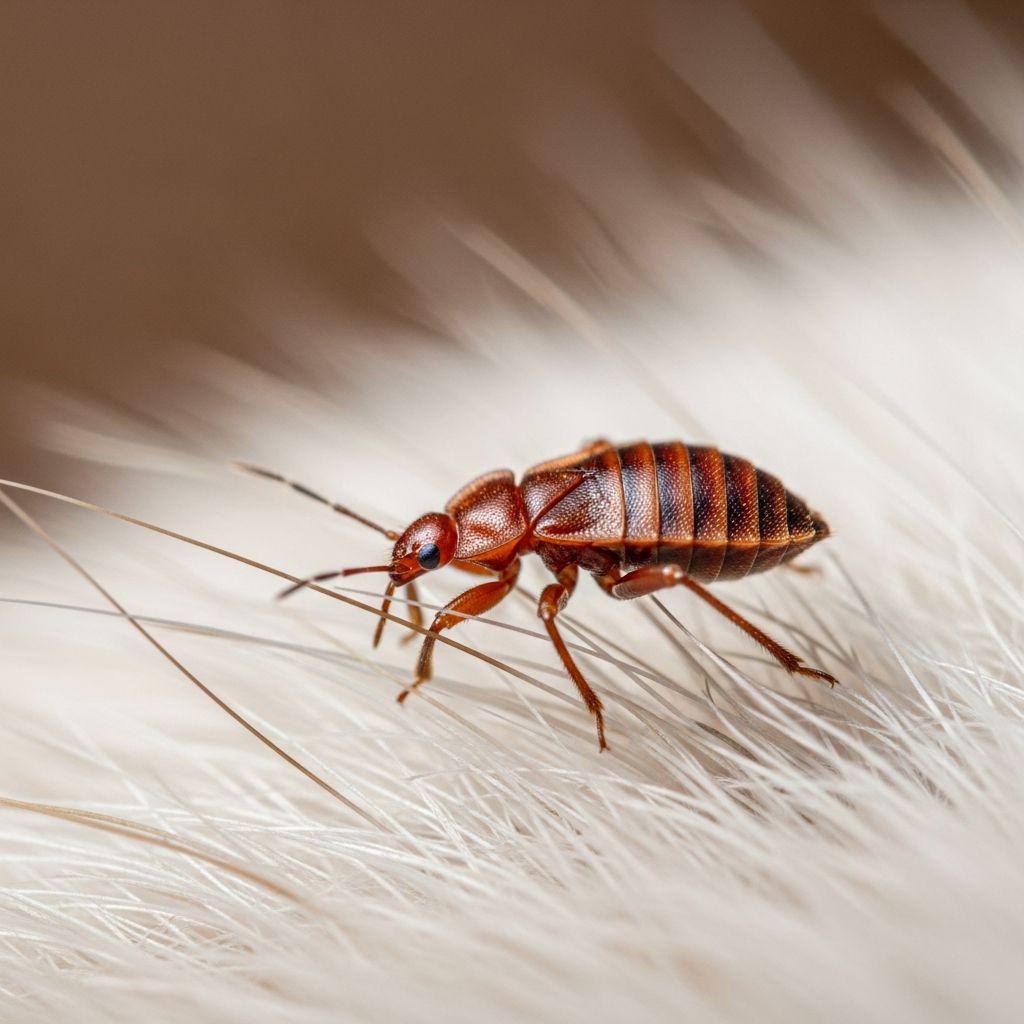
Are Pets Carriers of Bedbugs?
Bed bugs are notorious for their ability to invade homes and disrupt lives, but how do they interact with our animal companions? Can dogs carry bed bugs? Can cats carry bed bugs? These questions often arise for pet owners concerned about infestations. Understanding the relationship between pets and bed bugs is crucial for maintaining a pest-free home and protecting your furry friends from potential harm.
Unlike fleas or ticks, bed bugs don’t live on animals. Instead, they prefer to hide in crevices and emerge at night to feed. Pets, including cats and dogs, are not their primary targets, as bed bugs favor human hosts due to our lack of fur, which makes feeding easier. However, pets can unintentionally transport bed bugs, and understanding this mechanism is essential for effective pest management.
Understanding Bed Bug Behavior
To comprehend whether pets can carry bed bugs, it’s important to first understand how these pests behave. Bed bugs are small, flat insects that feed exclusively on blood. They are attracted to their hosts by detecting carbon dioxide and body heat, making humans their preferred targets.
Bed bugs operate on a specific feeding cycle. After finding a suitable host, they feed for approximately 3 to 5 minutes before retreating to their hiding places, which are typically located 5 to 10 feet away from where they feed. These hiding spots are usually found in mattresses, furniture, carpeting, bedding, and wall crevices—areas far removed from where your pets sleep or spend most of their time.
The preference for human hosts is so strong that bed bugs will prioritize feeding on humans even when pets are present. When a bed bug detects a human nearby, it will migrate toward the human first, even if the human is within 50 to 75 feet away. This behavior explains why pets are rarely the primary target for bed bug infestations.
Can Dogs Carry Bed Bugs?
While it’s uncommon, dogs can carry bed bugs on their fur or in their bedding. Bed bugs may temporarily cling to your dog while seeking a hiding place, especially if an infestation is severe. However, it’s important to understand that this is not the same as infestation.
Dogs cannot become infested with bed bugs in the way they can with fleas or ticks. Bed bugs lack the specialized legs needed to cling to fur or skin for extended periods. Instead, a dog’s collar or fur can briefly harbor these pests, allowing them to hitchhike to new areas of the home or even to another location entirely.
Fortunately, bed bugs don’t infest dogs like fleas do. Instead, they hide in environments close to their hosts, such as furniture, carpets, or bedding. If you find bed bugs on or near your dog, the real concern should be checking the dog’s immediate environment—particularly the furniture where the dog rests or sleeps.
Can Cats Carry Bed Bugs?
Cats are also unlikely to serve as long-term carriers of bed bugs. However, much like dogs, they can transport bed bugs, especially if the insects find temporary shelter in the cat’s fur or bedding. The good news is that bed bugs don’t live on cats or other animals.
If you notice bed bugs on your cat, it’s crucial to redirect your investigation. Check the cat’s sleeping area, including any cushions, blankets, or furniture where the cat frequently rests. If you’re petting your cat while sitting on a sofa and spot bed bugs on the cat, the sofa is likely the actual source of the infestation, not your cat’s body or sleeping area.
Cats don’t attract bed bugs either. These pests are far more interested in humans and the warmth of a bed where humans sleep. Even though your cat may sleep beside you, it’s not them drawing the bed bugs in—it’s you.
How Do Pets Contribute to Bed Bug Spread?
While pets don’t directly cause bed bug infestations, they can inadvertently contribute to the spread of these pests in specific ways:
Transportation on Belongings: Bed bugs can hitch a ride on pet carriers, blankets, toys, and bedding if these items come into contact with infested areas. If you bring a pet bed or carrier from an infested location, bed bugs may travel with these items to your home.
Temporary Hitchhiking: A dog’s collar or a cat’s fur can briefly harbor bed bugs, allowing them to travel from one room to another or from one location to another. While this is rare, it remains a possibility in severely infested homes.
Infesting Pet Bedding: Bed bugs can infest pet bedding if it is in close contact with areas where bed bugs are already present. If a pet’s sleeping area is near an infested piece of human furniture or bedding, the pet’s items may become contaminated.
Outdoor Transmission Risk: Generally, pets are not at risk of picking up bed bugs outdoors. Bed bugs typically cannot survive outside, so even if a neighbor has an infestation, your dog is unlikely to carry them home from walks or playtime in the yard. Bed bugs spread between properties by hitching rides on items like purses and suitcases, not on pets.
Do Bed Bugs Bite Pets?
Yes, bed bugs do bite pets, but only when there is not a human host nearby. Bed bugs will feed on dogs and cats if humans are not available, but they show a clear preference for human blood and will prioritize feeding on people whenever possible.
If your pet shows signs of bed bug bites—such as small red marks, scratching, or irritation—it may indicate that bed bugs are present in your home. However, the presence of bites on your pet doesn’t mean your pet caused the infestation. It simply means that bed bugs have colonized your home and are finding alternative food sources when humans are unavailable.
Pet bites from bed bugs are typically less severe than human bites because bed bugs prefer human hosts. The bites may appear as small red welts or bumps on areas of the pet’s skin that are less protected by fur.
Prevention and Management Strategies
To prevent or manage a bed bug infestation, focus on treating the environment rather than your pet:
Regular Cleaning: Take all bedding—both human and pet—and wash it in hot water at 120 degrees Fahrenheit or higher, then dry on high heat. This temperature is lethal to bed bugs at all life stages.
Thorough Vacuuming: Vacuum your sleeping area extensively, including under the bed, around furniture, and along baseboards. Pay special attention to areas where your pet sleeps or spends significant time.
Pet Item Treatment: Wipe down pet carriers or crates generously with rubbing alcohol and vacuum the sleeping area extensively.
Professional Inspection: Call a qualified exterminator to get a professional inspection done. If bed bugs were found on or near a pet, there is a strong chance they are closer to you as well, and the problem is likely heavier near your bedroom or living room.
Avoid Ineffective Treatments: Anti-flea and anti-tick products are ineffective against bed bugs. Do not waste time or money applying these products to your pet, as they will not address the bed bug problem.
Veterinary Consultation: Consult a veterinarian if your pet shows signs of bites or irritation. A veterinarian can assess whether the marks are from bed bugs or another cause and recommend appropriate care.
Common Misconceptions About Pets and Bed Bugs
It’s easy to confuse bed bugs with fleas or ticks, but these pests are quite different. Fleas and ticks live on pets and bite them constantly, whereas bed bugs feed mainly on humans. While your dog or cat might get a bite if bed bugs are in the house, it’s not a sign that your pet caused the problem.
Another common misconception is that bed bugs are more likely to be on pets than on humans. In reality, the opposite is true. Bed bugs are closely associated with people and our belongings. Although bugs can sometimes be found on cats and dogs, this situation is unusual, and it’s not likely that cats and dogs will introduce a bed bug infestation into a home. Any bugs that crawled onto a pet to feed during the night would have gone into hiding during the day.
It’s much more likely that bed bugs are stowed away in your luggage, clothing, or furniture than on your cat or dog. These pests spread between properties by hitching rides on human belongings, not on pets.
What To Do If You Find Bed Bugs
Step 1: Don’t Panic, But Act Quickly Finding bed bugs in your home can be distressing, but panic won’t help. However, it’s important not to waste time in taking action.
Step 2: Wash All Bedding Take all the bedding—including pet bedding—and wash it in hot water (120 degrees Fahrenheit) and dry on high heat.
Step 3: Clean Pet Items Wipe down pet carriers or crates with rubbing alcohol and vacuum the sleeping area extensively.
Step 4: Contact a Professional Call a qualified exterminator to get a professional inspection and treatment plan. If the bed bugs were found on a pet or near the pet’s sleeping area, there’s a strong chance the infestation is more extensive than it appears.
Step 5: Check Human Areas Focus particularly on your bedroom and living room, as bed bugs tend to congregate near human sleeping and resting areas.
Frequently Asked Questions
Q: Can bed bugs live on my dog or cat permanently?
A: No. Unlike fleas and ticks, bed bugs cannot live permanently on pets. They may temporarily cling to your pet’s fur or collar, but they will not infest your pet the way other parasites do.
Q: Will flea and tick treatments work on bed bugs?
A: No. Anti-flea and anti-tick products are ineffective against bed bugs. If you suspect a bed bug infestation, do not waste time applying these treatments to your pet.
Q: Can my pet pick up bed bugs from the outdoors?
A: Generally, no. Pets are not at risk of picking up bed bugs outdoors because bed bugs cannot survive outside. They require specific indoor conditions to thrive.
Q: If I find bed bugs on my pet, should I treat my pet?
A: Focus on treating the environment rather than your pet. Consult a veterinarian if your pet shows signs of bites or irritation, but the primary concern should be eliminating bed bugs from your home’s furniture and bedding.
Q: How can I tell if my pet has been bitten by bed bugs?
A: Bed bug bites on pets appear as small red marks or welts, typically on less-protected areas of skin. Your pet may scratch or show signs of irritation. However, if you see these signs, it indicates bed bugs are present in your home, not that your pet caused the infestation.
Q: Do bed bugs prefer to feed on pets or humans?
A: Bed bugs strongly prefer to feed on humans. They will only feed on pets when human hosts are not available nearby. This is why pets are rarely the primary target of bed bug infestations.
Q: Should I get rid of my pet if I have bed bugs?
A: Absolutely not. Your pet is not the cause of the infestation and does not need to be removed. Simply maintain cleanliness, inspect your pet’s living area, and consult a professional exterminator to address the bed bug problem.
Key Takeaways
Although pets don’t directly spread bed bugs, they can be unwitting participants in an infestation. By staying vigilant and maintaining cleanliness, you can protect your home and pets from these persistent pests. Remember that:
– Bed bugs don’t live on pets but may temporarily hitchhike on them
– Dogs and cats are not the primary targets or sources of bed bug infestations
– Focus on treating your home’s environment rather than your pet
– Professional exterminators are the most effective solution for bed bug infestations
– Maintaining a clean home and regularly inspecting pet bedding can help prevent infestations
References
- Are pets carriers of bedbugs? — VCA Animal Hospitals. Accessed November 28, 2025. https://vcahospitals.com/shop/articles/can-dogs-and-cats-carry-bed-bugs
- Can Cats Carry Bed Bugs? What Every Pet Owner Should Know — Petful. Accessed November 28, 2025. https://www.petful.com/pet-health/can-cats-carry-bed-bugs/
- Do Cats, Dogs, and Pets Carry Bed Bugs? — PetHelpful. Accessed November 28, 2025. https://pethelpful.com/pet-ownership/bedbugs-and-cats
- Can Pets Spread Bed Bugs? — Griffin Pest Solutions. Accessed November 28, 2025. https://www.griffinpest.com/bed-bug-exterminators/learning/prevention/can-pets-spread-bed-bugs/
- Do Pets Cause Bed Bugs? Debunking the Myths and Understanding the Facts — Pest.co.uk. September 23, 2024. https://pest.co.uk/2024/09/23/do-pets-cause-bed-bugs-debunking-the-myths-and-understanding-the-facts/
- Bed bugs: They’re ba-aack! — Pets & Parasites. Accessed November 28, 2025. https://www.petsandparasites.org/parasites-and-your-family/bed-bugs-theyre-ba-aack/
Similar Articles








Read full bio of medha deb