

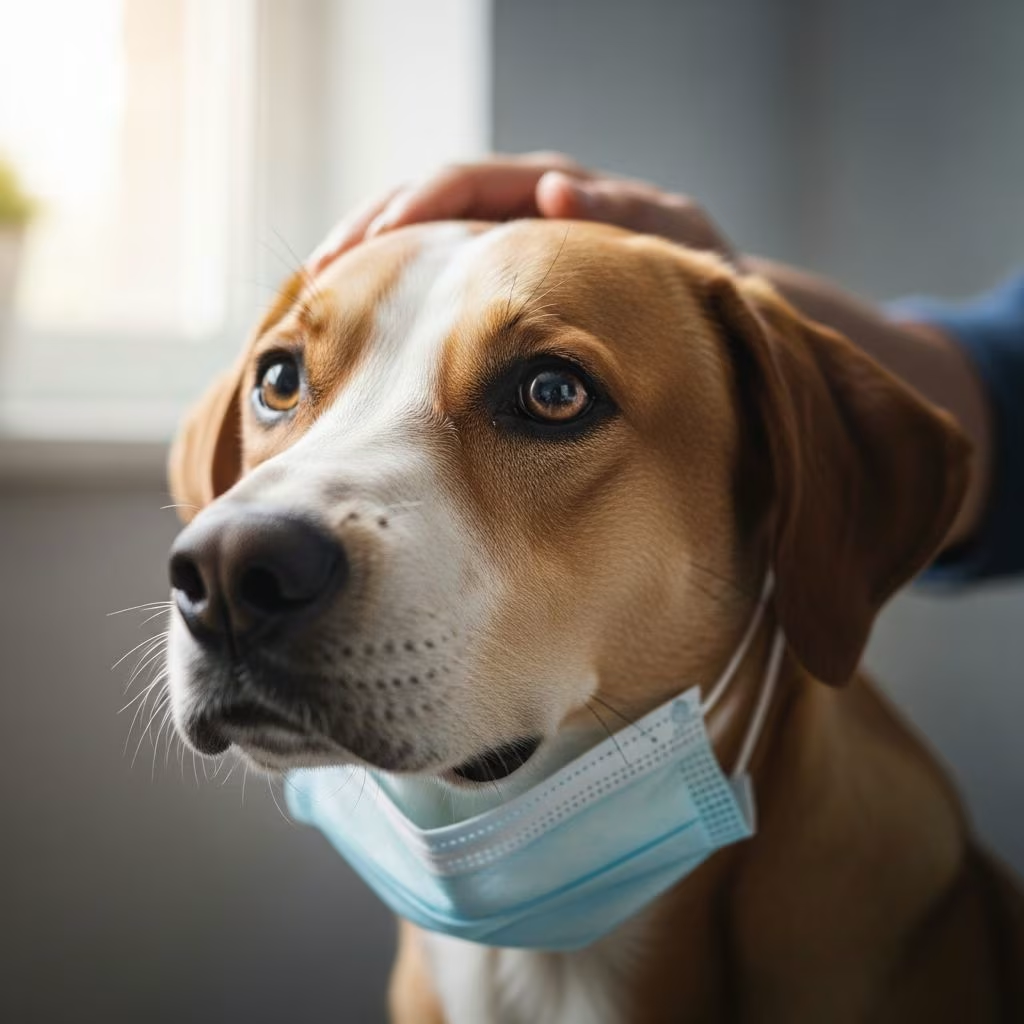
The SARS-CoV-2 virus, responsible for COVID-19, primarily spreads between humans, but documented cases show dogs can occasionally become infected through close contact with affected owners. While transmission from people to dogs occurs rarely, the reverse—dogs infecting humans—remains unsupported by evidence worldwide. This article delves into the science, risks, symptoms, and practical steps for dog owners.
Understanding SARS-CoV-2 and Its Interaction with Dogs
Coronaviruses form a broad family affecting various species, with SARS-CoV-2 emerging as a human pathogen in late 2019. Dogs possess ACE2 receptors that bind the virus less efficiently than human or feline versions—only about 70% similarity to humans—making infection unlikely. Experimental studies confirm dogs are susceptible but rarely develop illness, unlike cats which show higher vulnerability.
Natural infections in dogs stem from direct exposure to infected humans via respiratory droplets or contaminated surfaces. Global reports, tracked by health agencies, number fewer than 25 confirmed canine cases, all linked to symptomatic owners. No evidence indicates dogs efficiently replicate or shed the virus enough to infect others.
Transmission Pathways: From Humans to Dogs
- Close Contact: Hugging, kissing, or allowing dogs to lick faces of infected individuals facilitates transmission through saliva or droplets.
- Fomite Spread: Dogs may ingest virus from contaminated hands, floors, or objects, acting as passive carriers on fur without illness.
- Rare Respiratory Route: Unlike cats, dogs show minimal aerosol transmission in lab settings.
Health authorities like the CDC emphasize that infected owners should minimize pet interactions, opting for alternatives like remote play. Crowded or unsanitary conditions exacerbate risks, mirroring patterns in canine-specific coronaviruses.
Symptoms in Infected Dogs
Most dogs testing positive for SARS-CoV-2 remain asymptomatic, with mild signs in rare instances. Observed effects include:
| Symptom | Frequency | Notes |
|---|---|---|
| Mild cough or sneezing | Rare | Resolves without treatment |
| Lethargy | Occasional | Short duration, no hospitalization needed |
| Gastrointestinal upset | Very rare | Distinct from canine enteric coronavirus |
| Severe respiratory distress | Extremely rare | No confirmed fatalities in dogs |
Unlike humans facing fever, pneumonia, or organ failure, canine cases seldom progress beyond mild discomfort. Differentiate from common dog ailments like kennel cough or enteric coronavirus, which cause diarrhea via fecal-oral routes.
Distinguishing COVID-19 from Other Canine Coronaviruses
Dogs face two endemic coronaviruses unrelated to SARS-CoV-2:
- Canine Enteric Coronavirus (CECoV): Targets puppies, causing vomiting and diarrhea; spreads via feces, lasts 2-10 days, with carriers up to 6 months.
- Canine Respiratory Coronavirus: Contributes to kennel cough; no vaccine exists, managed supportively.
Neither transmits to humans, unlike speculative SARS-CoV-2 concerns. Vaccines for CECoV offer partial protection but aren’t universal.
Preventive Measures for Dog Owners
If you or household members test positive for COVID-19:
- Isolate from pets: Avoid face-to-face contact; use leashes for walks without petting.
- Hygiene Protocols: Wash hands before/after pet handling; disinfect bowls, bedding daily.
- Delegate Care: Have healthy household members feed, walk, and play with the dog.
- Monitor Health: Track for unusual symptoms; consult vets if concerned, though testing isn’t routine.
Pet fur’s porous nature traps viruses ineffectively for spread, making cuddling low-risk absent owner infection. No need to rehome or surrender pets—risks are negligible.
Global Case Studies and Research Insights
Early 2020 saw Hong Kong’s first canine case: A German Shepherd owned by a COVID-positive human tested weakly positive, asymptomatic, and cleared the virus without issue. Similar low-level detections occurred in the US and Europe, always tied to owner exposure.
Peer-reviewed analyses affirm unidirectional flow: Human-to-dog, not vice versa. Cats transmit experimentally cat-to-cat, but dogs do not. Public health remains human-driven. Ongoing surveillance by AVMA and WHO prioritizes vulnerable populations over pets.
Veterinary Recommendations and Testing
Vets rarely test healthy dogs for SARS-CoV-2; prioritize based on exposure and symptoms. PCR confirms infection, but serology detects antibodies post-recovery. No approved vaccines or treatments exist for canine COVID-19; supportive care suffices.
Breeds or ages show no predisposition; all dogs equally low-risk. Puppies face higher enteric coronavirus threats, unrelated to pandemic strains.
FAQs: Common Concerns About Dogs and COVID-19
Q: Can my dog give me COVID-19?
A: No confirmed cases exist; risk is lower than human contacts.
Q: Should I wear a mask around my dog?
A: Unnecessary unless you’re infected; focus on handwashing.
Q: What if my dog shows cough after I test positive?
A: Monitor and call your vet; likely unrelated, but report exposure.
Q: Are certain dogs more at risk?
A: No breed-specific vulnerabilities noted; all handle it mildly.
Q: Can dogs spread it to other pets?
A: Extremely unlikely; no natural transmission documented.
Latest Updates and Future Outlook
As of 2026, surveillance continues with no shifts in dog transmission dynamics. Variants haven’t altered pet susceptibility. Research explores animal models, but dogs prove poor candidates versus ferrets. Owners should stay informed via CDC/AVMA channels for evolving guidance.
Maintaining routine vaccinations, parasite control, and wellness checks bolsters overall canine resilience against all threats. COVID-19 underscores hygiene’s role in pet stewardship.
References
- What You Should Know about COVID-19 and Pets — CDC. 2023-2026 (ongoing updates). https://www.cdc.gov/coronavirus/2019-ncov/animals/pets.html
- The risk of pet animals in spreading severe acute respiratory … – PMC — PMC (NCBI). 2023-12-01. https://pmc.ncbi.nlm.nih.gov/articles/PMC10766024/
- Canine Coronavirus Disease – VCA Animal Hospitals — VCA Hospitals. 2023 (updated). https://vcahospitals.com/know-your-pet/coronavirus-disease-in-dogs
- SARS-CoV-2 in animals | American Veterinary Medical Association — AVMA. 2023-2026 (ongoing). https://www.avma.org/resources-tools/animal-health-and-welfare/animal-health/sars-cov-2-animals-including-pets
- Can Dogs and Cats Get Coronavirus? – Small Door Veterinary — Small Door Veterinary. 2023 (updated). https://www.smalldoorvet.com/learning-center/medical/can-dogs-cats-get-coronavirus
- What You Need to Know About Pets and COVID-19 — American Lung Association. 2023. https://www.lung.org/blog/pets-and-covid-19



