
Can Dogs Catch a Cold? What Pet Owners Need to Know
Learn whether dogs can catch colds from humans and other dogs, plus symptoms and care tips.
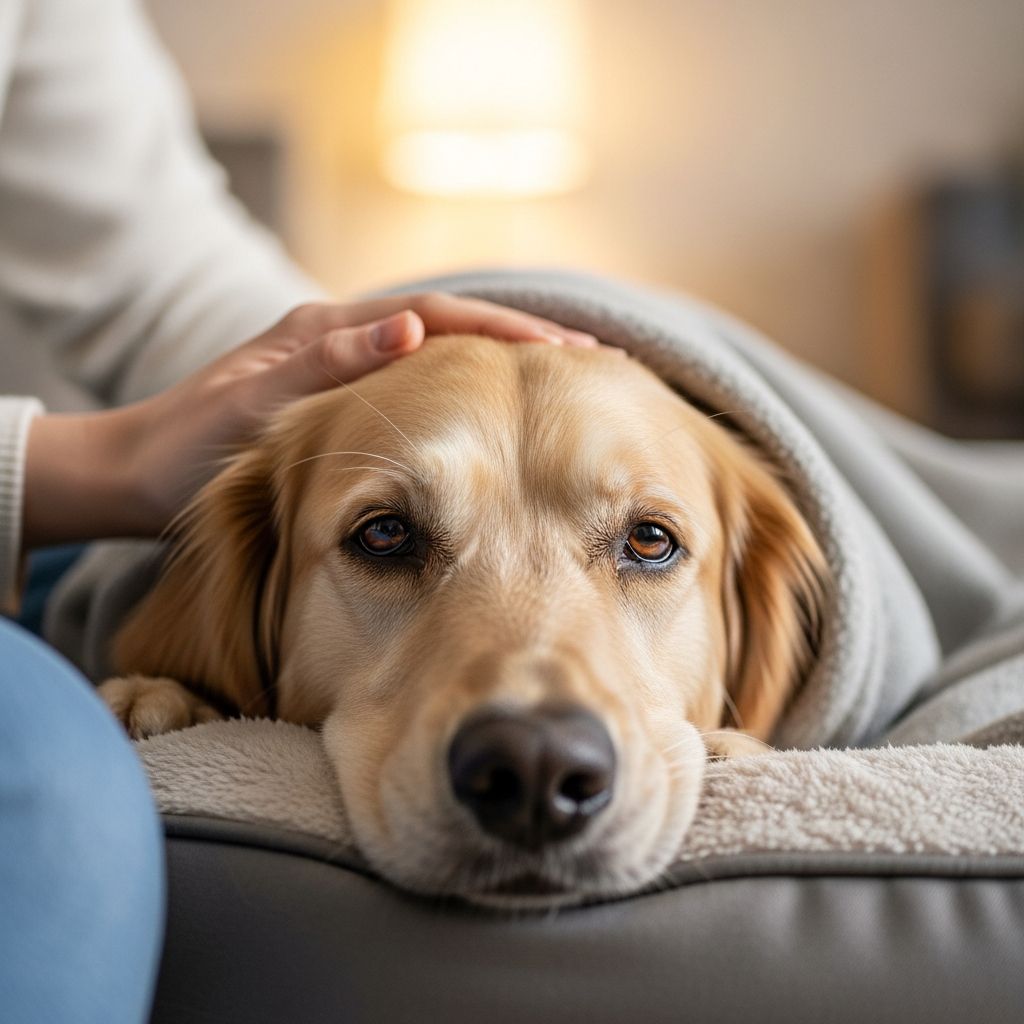
As a pet owner, you’ve likely wondered whether your dog can catch the same cold you have. After all, when you’re sniffling and sneezing on the couch, it’s natural to worry about spreading your illness to your four-legged companion. The short answer is: yes, dogs can catch colds, but not in the way you might think. Understanding the differences between human and canine colds is essential for keeping your pet healthy and avoiding unnecessary worry.
Can Dogs Catch a Cold?
Dogs do indeed experience colds, and their symptoms are remarkably similar to those humans experience. When your dog develops a cold, you may notice sneezing, coughing, congestion, a runny nose, and general lethargy. However, the critical distinction is that dogs cannot catch the same cold viruses that infect humans. Dogs experience their own species-specific cold-like illnesses caused by different viral strains.
The reason dogs cannot catch human colds comes down to biology. The cold viruses that affect humans are specifically adapted to human cells and cannot penetrate dog cells. Think of it like a lock-and-key mechanism: human cold viruses have keys that only fit human cell receptors. Dogs lack these specific receptors, which provides them natural protection from the estimated 200 or so viruses that cause the common cold in humans.
Can Dogs Catch a Cold From Humans?
One of the most reassuring facts for pet owners is that you cannot transmit your cold to your dog, no matter how close you snuggle on the couch. It is virtually impossible for dogs to catch colds from their human companions. This means you can comfortably spend time with your sick dog without worrying about spreading your respiratory illness.
According to veterinary research, the viruses that cause colds in people are generally species-specific, meaning they are virtually incapable of causing illness in dogs. Even if your dog seems to catch a cold around the same time you do, it’s almost certainly coincidental. Your dog likely contracted a canine-specific virus from another dog or contaminated environment rather than from you.
This species-specific nature of cold viruses also works in reverse. Your dog cannot transmit its cold to you either. Dog colds are not contagious to humans, so you can care for your sick pet without fear of catching their respiratory illness.
Can Dogs Catch a Cold From Other Dogs?
While dogs are protected from human colds, they are unfortunately not protected from canine colds spread by other infected dogs. If you take your dog to the dog park or doggie daycare and another dog is sick, your dog can absolutely catch that dog’s cold. This is where dog-to-dog transmission becomes a concern for pet owners.
Dogs typically contract colds orally, meaning that a sick dog’s saliva is the most common culprit for spreading the infection. Your dog can catch a cold from another dog through several routes:
- Chewing on contaminated toys that other dogs have played with
- Sharing food and water bowls with infected dogs
- Direct contact such as cuddling, kissing, or playing with a sick dog
- Respiratory droplets in the air from a coughing or sneezing infected dog
Because dogs don’t have natural immunity to canine cold viruses, it’s relatively easy for them to catch colds. If you hear about dog cold outbreaks in your community, it’s best to avoid the dog park and doggie daycare until the illness passes.
Symptoms of a Dog Cold
A dog with a cold displays many of the same symptoms you experience when you’re under the weather. Recognizing these signs can help you identify when your dog needs care and attention. Common cold symptoms in dogs include:
- Sneezing
- Runny nose or nasal discharge
- Congestion
- Coughing
- Watery or cloudy eyes
- Lethargy or reduced energy levels
- Loss of appetite
- Sore throat (though your dog cannot tell you directly)
- General signs of discomfort or feeling “off”
Most mild dog colds will resolve on their own within a week or two, similar to human colds. However, it’s important to monitor your dog for any worsening symptoms. If your dog’s cold symptoms persist beyond a few weeks, worsen suddenly, or your dog develops a high fever, you should contact your veterinarian for professional guidance.
Dog Flu vs. the Common Cold
While dogs cannot catch the human flu, they can contract canine influenza, commonly referred to as dog flu. Dog flu is a distinct illness from a common dog cold, though the symptoms overlap considerably. Understanding the difference is important for proper pet care and prevention strategies.
Dogs cannot get the same type of flu that humans experience, but they can develop canine influenza caused by specific canine influenza viruses. The symptoms of dog flu are similar to flu symptoms in humans, including sneezing, runny nose, coughing, lethargy, lack of appetite, and fever. In some cases, dogs may develop more serious complications such as pneumonia or secondary bacterial infections.
One significant difference is that canine influenza is highly contagious among dogs. According to the American Veterinary Medical Association, nearly all dogs exposed to canine flu become infected, although only 80 percent show clinical symptoms. This high transmission rate makes dog flu more concerning than a typical cold.
The good news is that a canine influenza vaccine is available and can significantly decrease your pet’s risk of getting the flu. Unlike cold vaccines (which don’t exist due to the numerous cold virus strains), the flu vaccine targets specific canine influenza strains and can provide meaningful protection.
Kennel Cough: Another Cold-Like Illness
Another common respiratory illness that mimics cold symptoms in dogs is kennel cough. This highly contagious condition is caused by various bacteria and viruses, particularly Bordetella bronchiseptica and canine parainfluenza virus. Dogs often contract kennel cough in environments where many dogs gather, such as boarding facilities, dog parks, and doggie daycares—hence the name.
Kennel cough produces symptoms very similar to a cold, including a dry, hacking cough, sneezing, and nasal discharge. However, kennel cough is distinct from a common cold and requires different management. Importantly, kennel cough is not contagious to humans. A vaccine is available for kennel cough and is often recommended for dogs that frequently interact with other dogs or visit boarding facilities.
How Dogs Get Colds
Understanding how dogs contract colds can help you take preventive measures to keep your pet healthy. The primary transmission route for canine colds is through direct contact with infected dogs or contaminated surfaces.
Dogs typically contract colds through:
- Playing with infected dogs at dog parks or daycare facilities
- Sharing toys, food bowls, or water dishes with sick dogs
- Inhaling respiratory droplets from a coughing or sneezing infected dog
- Contact with contaminated surfaces that they then touch with their nose or mouth
The viral nature of canine colds means prevention relies on limiting exposure to infected dogs and maintaining good hygiene practices. Regular handwashing after handling other dogs, disinfecting toys and bowls, and keeping your dog away from sick animals are practical steps to reduce the risk of infection.
Keeping Your Dog Healthy During Cold Season
While there is no vaccine for the common cold in dogs due to the numerous virus strains involved, you can take several steps to keep your dog healthy and support their immune system during cold season:
Maintain Current Vaccinations
Keep your dog up-to-date on all recommended vaccinations, including those for canine influenza and kennel cough. A strong immune system provides better defense against various respiratory illnesses, even if specific cold vaccines don’t exist.
Practice Good Hygiene
Wash your hands frequently, especially when handling other dogs or returning home from public spaces. Clean your dog’s toys, bowls, and bedding regularly to prevent contamination. Disinfect shared surfaces at dog parks and daycare facilities when possible.
Limit Exposure During Outbreaks
If there’s a documented cold outbreak in your area or at your dog’s daycare, temporarily skip visits to the dog park and doggie daycare until the illness passes. This simple precaution can significantly reduce your dog’s risk of infection.
Support Your Dog’s Health
Ensure your dog receives a balanced diet rich in nutrients that support immune function. Provide regular exercise appropriate to your dog’s age and breed, as physical activity helps maintain overall health. Make sure your dog gets adequate rest and stays hydrated.
Monitor for Symptoms
Pay attention to any changes in your dog’s behavior or health. Early detection of cold symptoms allows for prompt treatment and can prevent complications.
When to Contact Your Veterinarian
Most dog colds are mild and resolve without veterinary intervention. However, certain situations warrant professional medical attention. Contact your veterinarian if your dog:
- Shows symptoms that persist for more than two weeks
- Develops a high fever (above 103°F)
- Shows signs of difficulty breathing or severe coughing
- Stops eating or drinking
- Becomes extremely lethargic or unresponsive
- Develops symptoms of pneumonia, such as labored breathing
- Is a puppy, senior dog, or has underlying health conditions
Never give your dog any medications unless they are approved and prescribed by your veterinarian. While over-the-counter cold medications may seem helpful, many can be harmful to dogs and may mask more serious underlying conditions.
Treatment and Care for Dogs with Colds
When your dog has a cold, supportive care is typically the best approach. Keep your dog comfortable, ensure adequate hydration, and provide nutritious food. Use a humidifier in your home to help ease congestion and soothe irritated airways.
If your dog’s cold symptoms don’t improve or worsen, your veterinarian may recommend specific treatments based on the underlying cause. For canine influenza, antiviral medications may be prescribed. For secondary bacterial infections, antibiotics might be necessary.
While your dog is sick, keep them home and isolated from other pets to minimize disease spread. This protects other dogs in your community while allowing your pet to rest and recover without additional stress from social interaction.
Frequently Asked Questions (FAQs)
Q: Can I catch a cold from my dog?
A: No, you cannot catch a cold from your dog. Dog colds are caused by species-specific viruses that do not infect humans. Dog colds and influenza are not contagious to humans, so you can safely care for your sick pet without worry.
Q: How long does a dog cold last?
A: Most mild dog colds resolve on their own within one to two weeks, similar to human colds. If symptoms persist beyond this timeframe, contact your veterinarian.
Q: Is there a vaccine for dog colds?
A: No vaccine exists for the common cold in dogs because there are many different virus strains that cause canine colds. However, vaccines are available for canine influenza and kennel cough, which can prevent these more serious respiratory illnesses.
Q: Can dogs get the human flu?
A: Dogs cannot get the same human influenza virus, but they can contract canine influenza, which causes similar symptoms. While reports have documented dogs and humans being infected with the same types of influenza viruses in rare cases, this is extremely uncommon.
Q: Should I take my dog to the vet if they have a cold?
A: Mild cold symptoms typically don’t require veterinary care. However, contact your vet if symptoms persist beyond two weeks, your dog develops a high fever, has difficulty breathing, or stops eating and drinking.
Q: How can I prevent my dog from catching a cold?
A: Keep vaccinations current, practice good hygiene, limit exposure to sick dogs, avoid dog parks during disease outbreaks, and maintain your dog’s overall health through proper nutrition and exercise.
References
- Can Dogs Get Colds or Flu? — Purina US. Accessed November 2025. https://www.purina.com/articles/dog/health/respiratory/dog-colds-and-flu
- Can Dogs Catch Colds? — Pet Honesty. 2023. https://www.pethonesty.com/blogs/blog/can-dogs-catch-colds
- Can Dogs Catch a Cold or Get the Flu? — Hill’s Pet Nutrition. Accessed November 2025. https://www.hillspet.com/dog-care/healthcare/can-dogs-get-colds-flu
- No, Your Pet Can’t Catch Your Cold but They Have Colds of Their Own — Business Insider. Accessed November 2025. https://www.businessinsider.com/can-dogs-catch-human-colds
- Do Dogs Get Colds? Everything You Need to Know — PetMD. Accessed November 2025. https://www.petmd.com/dog/care/do-dogs-get-colds-everything-you-need-know
- Can You Get Sick From a Dog? — American Kennel Club. Accessed November 2025. https://www.akc.org/expert-advice/health/dog-cold-sickness-spread/
- Cold Symptoms in Dogs — Uptown Veterinary Hospital. Accessed November 2025. https://uptownvethospital.org/articles/619250-cold-symptoms-in-dogs
Similar Articles








Read full bio of medha deb




