

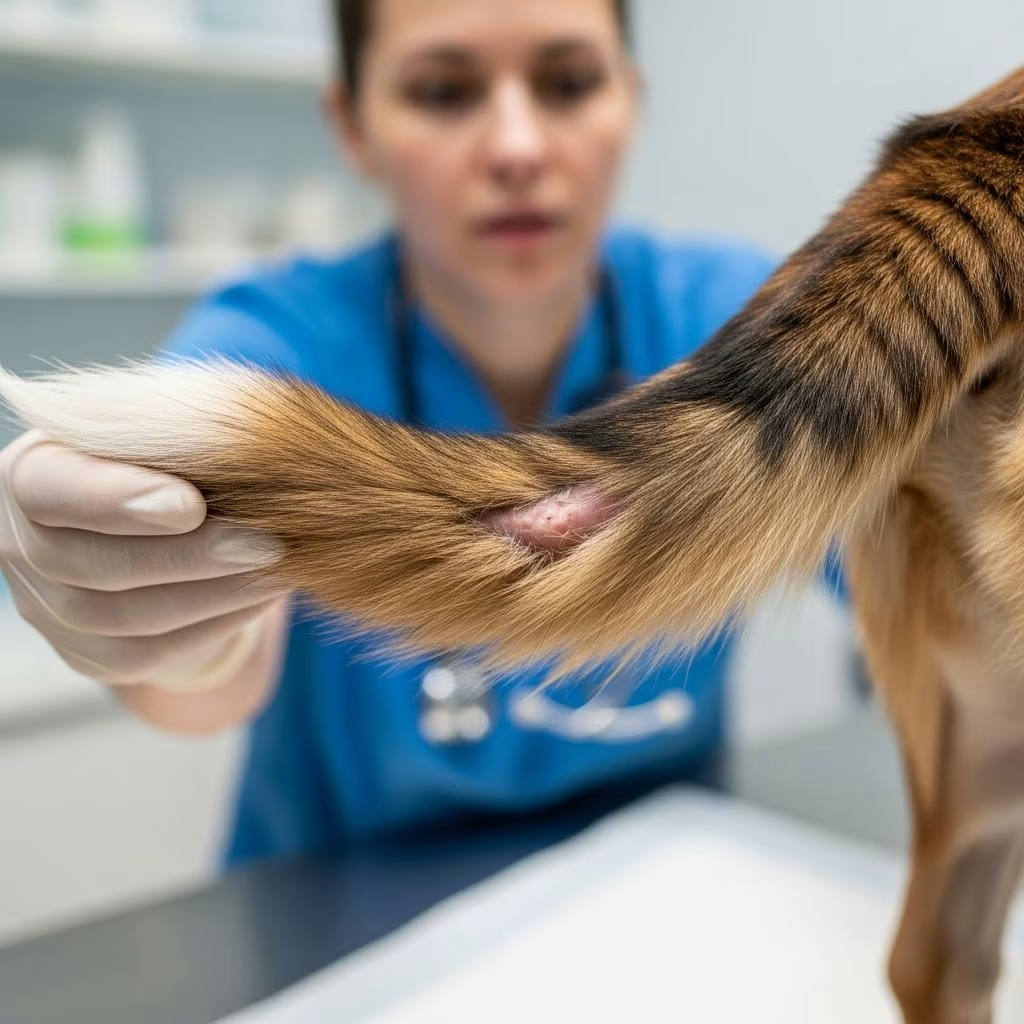
Dogs can indeed suffer tail fractures and other injuries, often from trauma, enthusiastic wagging, or overexertion. These conditions range from simple sprains to severe breaks requiring veterinary intervention, affecting breeds with muscular or active tails most commonly.
Understanding the Canine Tail Structure
The tail of a dog consists of small vertebrae called caudal bones, surrounded by muscles, nerves, blood vessels, and skin. This flexible extension serves vital roles in balance, communication, and propulsion during swimming. The base contains thicker muscles encased in fascia—a tight connective tissue—making it prone to specific injuries like compartment syndrome from swelling.
Injuries disrupt this structure, leading to pain, impaired function, or infection risks due to constant movement. Tail tips are more vulnerable to abrasions, while base fractures often involve nerve damage.
Primary Types of Tail Injuries in Dogs
Tail problems manifest in various forms, each with unique characteristics. Recognizing them early prevents complications.
- Fractures: Actual breaks in caudal vertebrae, often from slams in doors or impacts. Tip fractures heal easily, but base ones may damage nerves controlling bladder function.
- Happy Tail Syndrome: Repeated wagging against hard surfaces creates ulcers and infections, common in short-coated, muscular breeds like Labs.
- Limber Tail (Cold Tail): Muscle inflammation at the base causing limpness and pain, triggered by swimming or cold exposure.
- Abrasions and Lacerations: Scrapes from rough surfaces or cuts from objects, leading to bleeding or exposed tissue.
- Sprains or Nerve Damage: Overstretching or crating causes temporary limpness or incontinence risks.
How Tail Injuries Happen: Common Causes
Many incidents stem from a dog’s natural behaviors and environments. Trauma tops the list, with tails caught in doors, stepped on, or struck during play.
Enthusiastic tail wagging in confined spaces with walls or furniture causes happy tail, especially in high-energy dogs. Overexertion during swims, hunts, or sudden activity spikes leads to limber tail, worsened by cold water compressing tail muscles.
Other factors include prolonged crating, weather changes, or poor conditioning before intense exercise. Breeds like Labrador Retrievers show genetic susceptibility.
| Injury Type | Common Triggers | Affected Areas |
|---|---|---|
| Fracture | Door slams, falls, impacts | Tip or base vertebrae |
| Happy Tail | Hard surfaces, vigorous wagging | Tip skin and tissue |
| Limber Tail | Swimming, cold, overexercise | Base muscles |
| Abrasions | Fences, chairs, rough play | Surface skin |
Spotting the Signs: Symptoms to Monitor
Owners often notice changes in tail carriage or behavior first. A dog may hold the tail limp, tucked, or avoid touching it. Pain signs include yelping on contact, reluctance to sit, or excessive licking.
- Visual Cues: Swelling, bleeding, raw spots, bends, or unnatural angles.
- Behavioral Changes: Aggression when tail is approached, reduced wagging, or sudden stillness.
- Functional Issues: Incontinence, dragging tail, or balance problems during turns.
For happy tail, persistent wounds that reopen signal ongoing trauma. Limber tail shows base tenderness and distal limpness resolving in days.
When to Rush to the Vet
Not all injuries need immediate care—minor scrapes might heal at home—but seek help for heavy bleeding, exposed bone, color changes, or symptoms lasting over 24 hours. Nerve-involved base fractures risk permanent incontinence, demanding X-rays and surgery.
Chronic happy tail ulcers or limber tail unresponsive to rest warrant exams to rule out fractures.
Home Care for Minor Tail Issues
For superficial abrasions, gently clean with antimicrobial soap and warm water, then apply antibiotic ointment. Bandage loosely with self-adhering wrap, changing daily, and use a cone collar to prevent licking.
Warm compresses soothe limber tail muscles for 10-15 minutes. Enforce strict rest in a padded crate. Avoid tight wraps risking circulation cuts.
Always monitor for worsening swelling or discharge, signaling infection.
Professional Treatments from Vets
Veterinarians tailor plans based on diagnostics like X-rays confirming fractures. Common approaches include:
- Medications: NSAIDs for pain and inflammation, antibiotics for infections.
- Bandaging/Splinting: Protects wounds or stabilizes simple breaks; requires weekly checks.
- Surgery: Pins, plates, or amputation for crushed bones, nerve damage, or non-healing happy tail.
- Supportive Care: E-collars, sedatives, environmental padding.
Most heal within weeks with rest; severe cases may leave cosmetic bends.
Preventing Future Tail Trauma
Proactive steps safeguard tails. Pad sharp corners, supervise play near hazards, and condition dogs gradually for activities. Provide soft bedding in crates and limit cold-water swims.
For happy tail breeds, train calmer greetings or use protective boots. Regular health checks catch vulnerabilities early.
Recovery Expectations and Prognosis
Tip injuries recover fastest, often without scars. Base fractures vary—simple ones with rest, complex with surgery yielding 80-90% function return. Happy tail may recur without lifestyle tweaks; limber tail self-resolves in 3-7 days.
Monitor for infections post-treatment, as tails lick easily. Most dogs resume wagging happily.
Frequently Asked Questions (FAQs)
Can a dog’s tail heal on its own?
Minor abrasions yes, but fractures or infections need vet care to avoid chronic pain or amputation.
Is limber tail the same as a break?
No, it’s muscle strain mimicking fracture; rest and NSAIDs suffice.
What breeds get happy tail most?
Muscular types like Labs, Pit Bulls from vigorous wagging.
How much does tail surgery cost?
Varies; consult your vet for estimates based on complexity.
Can tail injuries cause paralysis?
Rarely; severe base damage may affect rear nerves temporarily.
Understanding these injuries empowers owners to act swiftly, ensuring tails—and dogs—thrive.
References
- What Is Happy Tail Syndrome in Dogs — Partners Animal Hospital West Loop. 2023. https://partnersvetwl.com/?p=4877
- Limber tail in dogs (acute caudal myopathy) — Cornell University College of Veterinary Medicine. 2024-01-15. https://www.vet.cornell.edu/departments-centers-and-institutes/riney-canine-health-center/canine-health-information/Limber-tail-in-dogs
- 5 Dog Tail Injuries to Be Aware Of — Zoetis Petcare. 2023. https://www.zoetispetcare.com/blog/article/dog-tail-injuries
- Tail Injuries in Dogs — VCA Animal Hospitals. 2024. https://vcahospitals.com/know-your-pet/tail-injuries-in-dogs
- Dog Tail Fracture: How This Can Happen — 441 Animal Hospital. 2023-05-10. https://441animalhospitalboca.com/blog/dog-tail-fracture/
- Can a Dog Break Their Tail? — Cottner Creek Pet Clinic. 2023. https://cottnercreekpetclinic.com/articles/dog-break-their-tail
- Broken Tails in Pets: Signs and Treatments — ASPCA Pet Insurance. 2024-02-20. https://www.aspcapetinsurance.com/resources/broken-tails-pets/



