

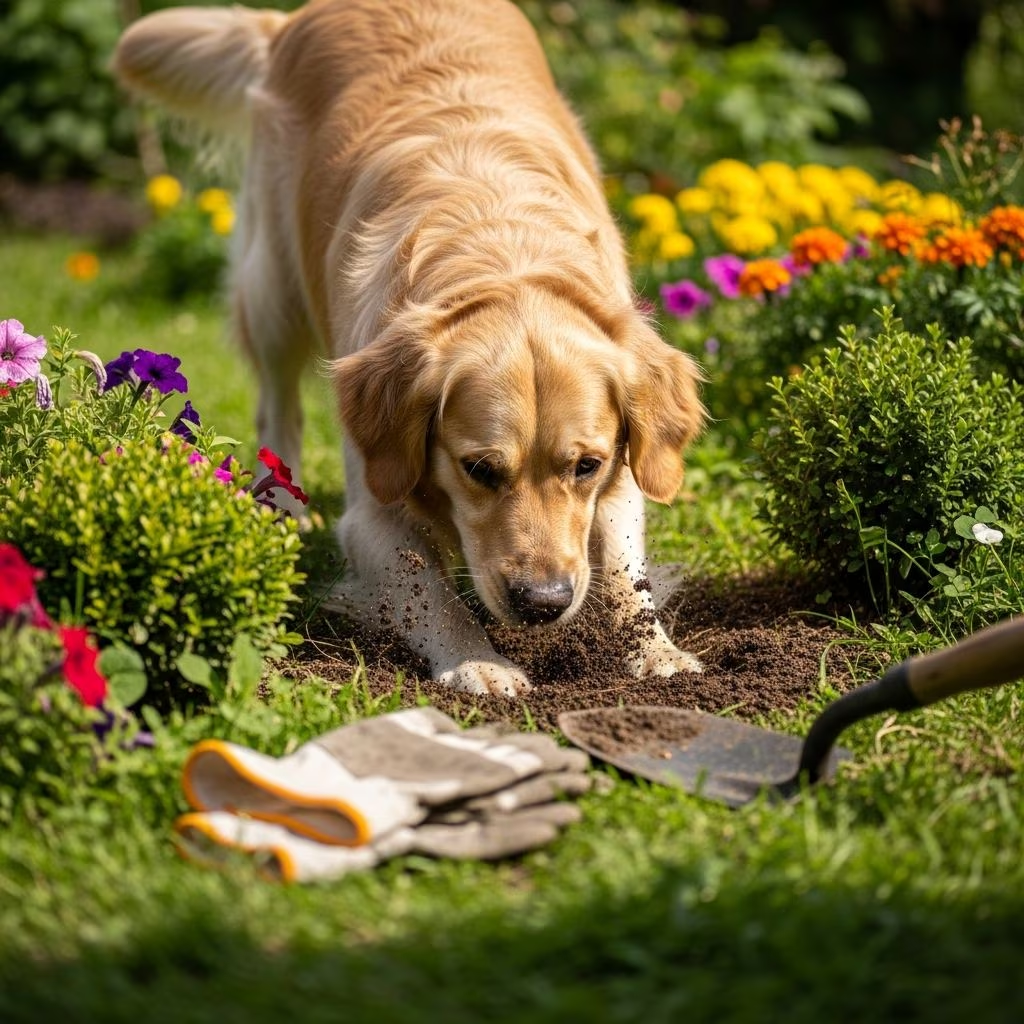
Can Dogs Be Trained Not to Dig?
If you’ve ever stepped into your backyard only to find it riddled with holes, you understand the frustration of dealing with a dog that loves to dig. The good news is that while digging is a **natural, instinctual behavior** for dogs, it is possible to train them to reduce or redirect this tendency. However, completely eliminating the urge to dig may not be realistic, as this behavior is deeply ingrained in canine DNA.
The key to successfully managing your dog’s digging behavior lies in understanding why they dig in the first place and implementing a comprehensive training and management strategy that addresses the underlying causes.
Why Do Dogs Dig?
Understanding the motivations behind your dog’s digging behavior is crucial to addressing the problem effectively. Dogs dig for several different reasons, and identifying which cause applies to your pet is the first step toward a solution.
Natural Instinct and Ancestry
Digging is an **instinctual behavior** that traces back to your dog’s wild ancestors. Wolves and ancient dogs would dig dens to create safe spaces for giving birth and protecting their puppies. This ancestral behavior has been passed down through generations and remains a strong drive in modern domestic dogs. When you raise dogs for specific functions over generations, their drive to express those behaviors becomes even stronger.
Boredom and Lack of Exercise
One of the most common reasons dogs dig is simply boredom. A dog with excess energy needs to expend it somehow, and if they’re not getting enough **physical and mental exercise**, they may turn to digging as a form of self-entertainment. Boredom is described as both a simple answer and a powerful force behind many canine behaviors that might seem destructive.
Research indicates that many dogs do not receive sufficient exercise to meet their needs. According to trainers, you cannot walk the average dog enough to meet their complete exercise requirements, making supplemental activities essential.
Seeking Comfort and Temperature Regulation
Some dogs, particularly those bred for certain functions like Dobermans, may dig to create a cool spot where they can rest comfortably. This behavior serves a practical purpose, especially in warmer weather, as dogs may instinctively seek out cooler earth to lie on.
Mental Enrichment Needs
Digging provides **mental stimulation** and enrichment for dogs. The act of digging engages their senses and provides them with ways to enjoy their lives. For many dogs, digging is simply fun and releases happy chemicals in their brains.
Anxiety and Stress
While not always the primary cause, excessive digging can sometimes indicate **anxiety or stress** in dogs. If your dog is digging as a response to anxiety, addressing the underlying emotional issue is essential for long-term behavior modification.
Can You Really Train a Dog Not to Dig?
The realistic answer is that you may not be able to completely stop a dog from digging, but you can certainly **train them to dig less and to direct their digging energy toward appropriate outlets**. Digging is such a fundamental part of dog behavior that completely eliminating the urge is challenging for most dogs.
However, the goal shouldn’t necessarily be total elimination. Instead, focus on managing the behavior and providing your dog with legal, approved places where they can indulge their natural digging instincts without damaging your yard or garden.
Steps to Train Your Dog Not to Dig
Successful training requires patience, consistency, and understanding of your dog’s individual needs. Here are proven methods to reduce and redirect digging behavior:
1. Increase Physical Exercise
The most effective starting point is ensuring your dog receives adequate **daily physical exercise**. A well-exercised dog is less likely to resort to destructive behaviors like digging. Consider these exercise options:
- Daily walks and runs appropriate to your dog’s age and breed
- Fetch and other retrieval games
- Playing with other dogs at a dog park
- Engaging in tug-of-war games
- Structured playtime sessions two to three times daily, even just 10 minutes each, can make a significant difference
A good metric is to aim for your dog’s tongue to be hanging out from exertion at least twice a day. If your dog isn’t reaching this level, they likely need more exercise.
2. Provide Mental Enrichment
Mental stimulation is just as important as physical exercise in preventing destructive digging. Provide your dog with activities that engage their brain:
- Puzzle toys and interactive games
- Scent games and slow, sniff-focused walks
- Allowing them to shred paper or boxes in controlled environments
- Training sessions in the backyard to help your dog associate outdoor time with positive interaction with you
3. Create a Designated Digging Area
If you can’t prevent your dog from digging entirely, **designate a specific area** in your yard where digging is not only allowed but encouraged. This approach redirects the natural behavior into an acceptable outlet. Options include:
- A sandbox in a corner of the yard
- A kiddie pool filled with soft dirt
- An isolated garden bed where digging won’t damage prized plants
Bury toys and treats in this designated area to make it extra appealing and reward your dog for choosing the appropriate spot to dig.
4. Supervise Your Dog Outdoors
**Constant supervision** is critical during the training process, especially in the first six to eight months. Dogs are extremely situational, meaning they may behave differently depending on whether you’re watching. Supervision allows you to:
- Catch digging behavior as it begins
- Immediately redirect your dog to appropriate outlets
- Prevent the formation of bad habits through unsupervised practice
- Reward good behavior when your dog chooses not to dig or uses the designated area
5. Use Positive Reinforcement and Redirection
Rather than punishing digging behavior, use **positive reinforcement** to encourage good choices. Important points to remember:
- Never yell at your dog while they’re digging, as this can teach them that digging gets them attention, actually reinforcing the behavior
- Instead, calmly redirect them to the designated digging area or another appropriate activity
- Spontaneously reward your dog for doing good things like lying calmly, chewing a toy, or napping
- Use a positive interruptor—a way to stop unwanted behavior and redirect it toward something appropriate
6. Teach Your Dog to Settle and Relax
Teaching your dog to settle calmly in the yard is an effective prevention strategy. Start by:
- Teaching your dog to relax on a mat on cue in a non-distracting environment like your living room
- Gradually moving the training outside to the yard
- Incorporating playtime between settling practice to keep your dog engaged and willing to participate
7. Train a Solid Recall
Developing a **strong recall** (coming when called) gives you the ability to interrupt digging behavior and redirect your dog before a hole forms.
What NOT to Do When Training
Just as important as knowing what to do is understanding what approaches are counterproductive:
- Don’t leave your dog unsupervised: Unsupervised yard time allows bad habits to develop and perpetuate. Each unsupervised digging session reinforces the behavior, making it harder to break.
- Don’t use only punishment: Yelling or correcting your dog teaches them to hide the behavior from you, not to stop digging. They may dig when you’re not watching. Positive reinforcement and redirection are much more effective.
- Don’t expect instant results: It takes an average of six weeks to break a habit. Mark that timeframe on your calendar and commit to consistent supervision and training during this period.
- Don’t use barriers without training: Physical barriers like fencing or tethering without proper training can be ineffective and potentially dangerous to your dog.
Managing Digging With Training Tools and Techniques
Several additional management strategies can support your training efforts:
Tether Training
Teaching your dog to be calm on a tether provides management benefits, but this should be done correctly:
- Start with short durations inside the house before moving to the yard
- Practice while you’re doing routine activities like folding laundry
- Use a properly-fitting harness anchored to something your dog cannot pull over
- Intermittently reinforce calm behavior on the tether
Supervision and Feedback
Heavy-duty supervision and immediate feedback for the first six to eight months creates a situation where your dog learns that digging is not acceptable in the yard. This requires you to be present and attentive during outdoor time.
Why Training Takes Time
Understanding the timeline for behavior change helps set realistic expectations. The process typically unfolds as follows:
- Weeks 1-6: Focus on consistent supervision, redirection, and preventing unsupervised digging opportunities. Your dog is learning that digging earns immediate redirection, not reward.
- Week 6-8: Continue the same level of supervision and training. Begin testing whether lessons have taken hold, but remain vigilant.
- Beyond 8 weeks: Gradually reduce supervision as your dog demonstrates reliable behavior, but remain ready to reinforce positive choices.
Frequently Asked Questions About Dog Digging
Q: Is digging a sign that my dog has a behavioral problem?
A: Not necessarily. Digging is a natural behavior for all dogs. It only becomes a problem when it damages your yard or poses safety risks. The key is understanding whether your dog is digging due to instinct, boredom, lack of exercise, or anxiety, then addressing the specific cause.
Q: How much exercise does my dog need to prevent digging?
A: This varies by breed and individual dog, but a good target is having your dog’s tongue hanging out from exertion at least twice daily. Many dogs benefit from exercise sessions two to three times per day, even if just 10 minutes each. Consult with a trainer or veterinarian for breed-specific recommendations.
Q: Can I use punishment to stop my dog from digging?
A: Punishment is generally ineffective and can be counterproductive. Dogs punished for digging learn to hide the behavior from you rather than stop the behavior itself. They may simply dig when you’re not watching. Positive reinforcement and redirection are much more effective.
Q: Will a designated digging area encourage more digging?
A: No. A designated digging area provides an appropriate outlet for a natural behavior, satisfying your dog’s instinct to dig while protecting the rest of your yard. This is often more effective than trying to eliminate digging entirely.
Q: How long will it take to train my dog not to dig?
A: It typically takes about six weeks to break a digging habit with consistent supervision and training. Mark that timeframe on your calendar and maintain consistent effort. However, some dogs may require longer depending on how ingrained the behavior is.
Q: What if my dog digs due to anxiety?
A: If digging appears to be anxiety-related, address the underlying anxiety through training, enrichment, and potentially with the help of a veterinary behaviorist or trainer. Increased exercise and mental enrichment also help reduce anxiety-driven behaviors.
The Bottom Line
Can dogs be trained not to dig? While completely eliminating digging may not be realistic given its natural origins, dogs absolutely can be trained to **reduce digging, redirect it to appropriate outlets, and manage the behavior** effectively. Success requires understanding your individual dog’s motivations, providing adequate physical and mental exercise, supervising outdoor time, and using positive reinforcement consistently.
By implementing these strategies—particularly increasing exercise, providing mental enrichment, creating a designated digging area, and maintaining supervision—you can transform your dog from a yard-destroying digger into a well-managed pet who expresses their natural instincts in appropriate ways. Remember that patience and consistency are essential, and the effort you invest in the first six to eight weeks will pay dividends in the form of a damage-free yard for years to come.
References
- Why Your Dog Is So Obsessed With Digging — Kinship. 2024. https://www.kinship.com/dog-behavior/why-dogs-dig
- How Do You Stop a Dog From Digging in the Yard? — Urban Pawsibilities. https://www.urbanpawsibilities.com/dog-training-blog/how-do-you-stop-a-dog-from-digging-in-the-yard
- Why Does Your Dog Dig in the Yard? — Kinship. 2024. https://www.kinship.com/dog-behavior/why-do-dogs-dig
- Dogs Don’t Need to Dig! — McCann Dog Training. YouTube. https://www.youtube.com/watch?v=4zr_7LxlmMs
- How Do You Stop A Dog From Digging Holes? — Adopt a Pet. https://www.adoptapet.com/blog/behavior-training/how-do-you-stop-a-dog-from-digging-holes



