Can Dogs Be Allergic to Peanut Butter?
Learn about peanut butter allergies in dogs, symptoms to watch for, and safe alternatives.
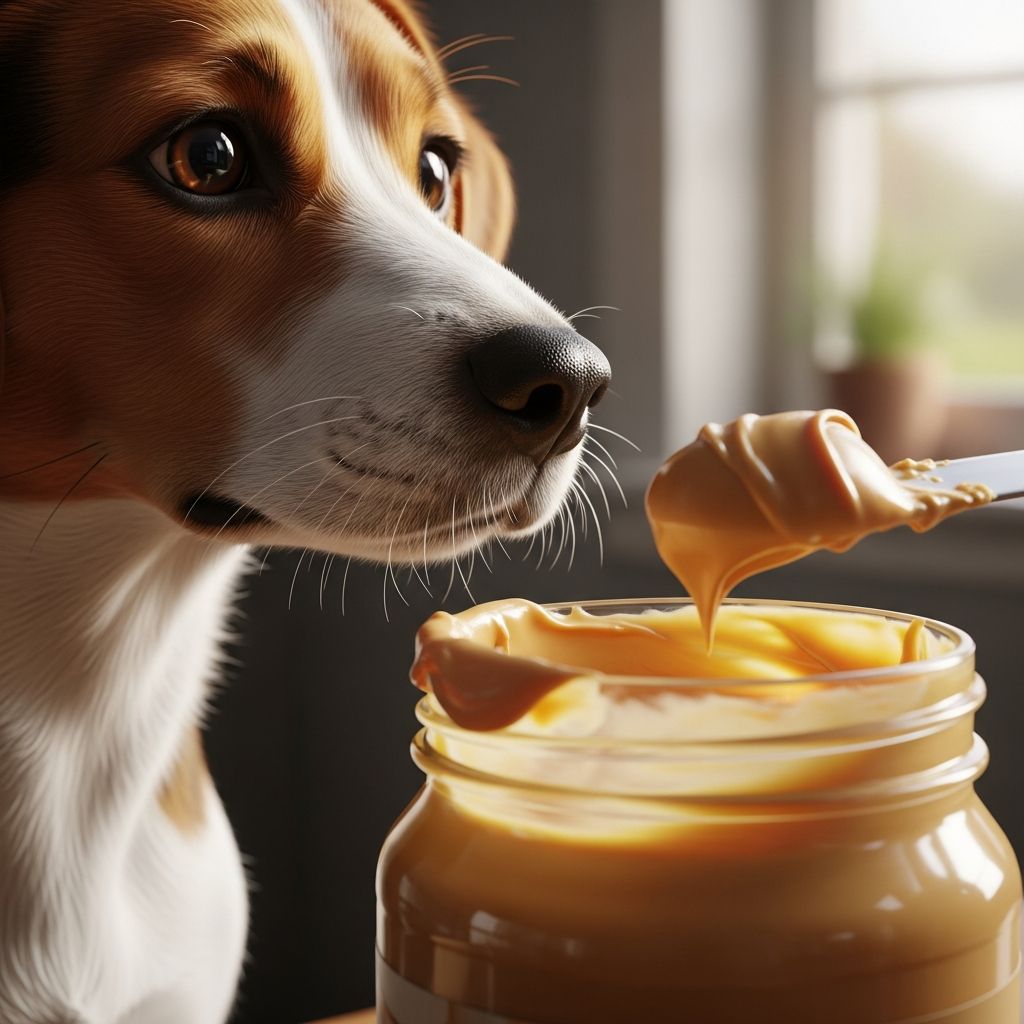
Peanut butter is a popular treat for many dog owners, but like humans, dogs can develop allergies to peanuts and peanut butter. While peanut butter itself is not inherently toxic to dogs when given in moderation, it is essential to understand the risks associated with peanut allergies and certain ingredients that may be present in commercial peanut butter products. This comprehensive guide will help you understand whether your dog might be allergic to peanut butter, what symptoms to watch for, and how to keep your furry friend safe.
Understanding Peanut Allergies in Dogs
Just like people, some dogs might be allergic to peanut butter. Food allergies occur when a dog’s immune system mistakenly identifies a protein in the food as harmful and mounts an immune response to fight off the perceived threat. Peanut allergies in dogs are a type of food allergy that can range from mild to severe. While peanut allergies are relatively uncommon in dogs compared to other food allergies, they do occur and can cause significant discomfort and health complications if not properly managed.
The allergens in peanuts belong to the legume family and include seed storage proteins such as 2S albumins, vicilins, and legumins, which can trigger hypersensitivity reactions in susceptible dogs. When a dog with a peanut allergy consumes peanut butter, their immune system produces specific IgE antibodies that trigger mast cell degranulation and the release of histamine, which is the major mediator of allergic reactions.
Symptoms of Peanut Butter Allergies in Dogs
The symptoms of a peanut butter allergy can range from mild to severe and may not always occur immediately after consumption. In some cases, symptoms may develop gradually over time with repeated exposure to peanuts or peanut butter. It is crucial to monitor your dog closely after introducing any new food, including peanut butter, and to watch for the following signs of an allergic reaction:
Skin-Related Symptoms
Skin issues are one of the primary indicators that differentiate a food allergy from a food intolerance. Dogs experiencing a peanut butter allergy may exhibit:
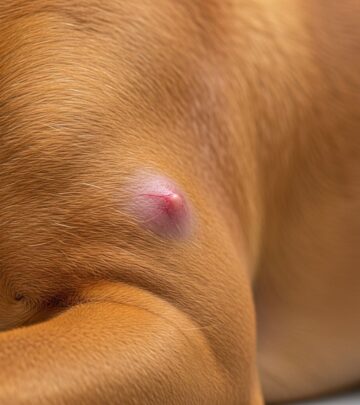
- Red and itchy skin, particularly around the face, ears, paws, or belly
- Bald patches resulting from excessive scratching or licking
- Hotspots or areas of inflamed, sore skin
- Hives or urticaria across the body
- Swelling of the face, lips, tongue, or throat
- Rashes or skin lesions in severe cases
Gastrointestinal Symptoms
Dogs with peanut allergies commonly experience digestive upset, which may include:
- Vomiting shortly after consuming peanut butter
- Diarrhea or loose stools
- Excessive gas or flatulence
- Abdominal pain or distension
- Nausea
Respiratory and Systemic Symptoms
In more severe cases, dogs may experience respiratory complications and other systemic signs, including:
- Difficulty breathing or progressive respiratory symptoms
- Coughing, wheezing, or sneezing
- Agitation or anxiety
- Lethargy or excessive sleepiness
- Weakness or depression
- Anaphylaxis (rare but possible in severe cases)
The Critical Danger: Xylitol in Peanut Butter
Beyond allergic reactions, there is another significant concern pet owners must be aware of when selecting peanut butter for their dogs: xylitol. Xylitol is an artificial sweetener increasingly used in commercial peanut butter products as a sugar substitute. This ingredient is highly toxic to dogs and can cause severe health complications or even death if ingested.
How Xylitol Affects Dogs
When a dog consumes xylitol, it rapidly stimulates the release of insulin from the pancreas, leading to a dramatic drop in blood glucose levels. This condition, known as hypoglycemia, can develop within 10 to 60 minutes of ingestion and can cause serious neurological symptoms and organ damage.
Symptoms of Xylitol Poisoning
If your dog has accidentally ingested peanut butter containing xylitol, watch for these warning signs:
- Confusion or disorientation
- Stumbling or loss of coordination
- Lethargy or excessive sleepiness and depression
- Seizures
- Vomiting
- Loss of appetite
- Rapid heart rate
Xylitol poisoning is a veterinary emergency. If you suspect your dog has consumed peanut butter containing xylitol, contact your veterinarian or an emergency veterinary clinic immediately.
Other Potentially Harmful Ingredients in Peanut Butter
Beyond peanut allergies and xylitol, there are additional ingredients and components in some peanut butter products that can be dangerous for dogs.
Chocolate Content
Some flavored peanut butter products contain chocolate, which is toxic to dogs. Keep your dog away from any peanut butter that contains chocolate, as it can be potentially lethal. Chocolate contains theobromine, a compound that dogs cannot metabolize efficiently, leading to toxicity.
High Sugar Content
Commercial peanut butters often contain added sugars or sweeteners, which can promote the growth of yeast organisms such as Candida albicans. Excessive sugar consumption can disrupt the balance of beneficial bacteria in the gut and encourage yeast overgrowth, leading to secondary health issues.
High Fat Content
Peanut butter is naturally high in fat. Feeding excessive amounts of peanut butter to dogs can lead to imbalances in gut flora and create an environment conducive to yeast proliferation. The high fat content can also contribute to gastrointestinal upset and disrupt digestive health, particularly in dogs with sensitive stomachs.
What To Do If Your Dog Shows Signs of a Peanut Butter Allergy
If you suspect your dog is allergic to peanut butter, it is crucial to take action promptly to prevent further complications and ensure your pet’s well-being.
Immediate Steps
If your dog experiences any symptoms of an allergic reaction after consuming peanut butter, such as itching, redness, swelling, vomiting, diarrhea, or difficulty breathing, contact your veterinarian or an emergency veterinary clinic immediately. Do not wait to see if symptoms resolve on their own, as allergic reactions can escalate rapidly in severity.
Veterinary Diagnosis
Your veterinarian can perform diagnostic tests to confirm a peanut allergy and rule out other potential causes of your dog’s symptoms. Diagnosis typically involves a detailed history of your dog’s symptoms, physical examination, and sometimes elimination diet trials or allergy testing.
Managing Your Dog’s Peanut Allergy
If your dog is confirmed to have a peanut allergy, the primary management strategy is prevention through exposure avoidance. This means:
- Completely eliminating peanut butter and peanuts from your dog’s diet
- Checking all commercial dog treats and foods for peanut ingredients
- Informing family members and visitors not to give your dog any peanut-containing products
- Reading ingredient labels carefully, as peanuts may appear in unexpected products
Medical Treatment
For dogs that have already had an allergic reaction to peanuts, treatment typically involves glucocorticoids and antihistamines to manage inflammation and allergic symptoms. In cases of severe reactions or anaphylaxis, emergency veterinary care including epinephrine administration and supportive care may be necessary. Most dogs respond well to immunosuppressive and antihistamine treatments when appropriate medical intervention is provided.
Safe Peanut Butter Alternatives for Dogs
If your dog loves peanut butter but cannot safely consume it due to allergies, there are several alternatives you can consider:
| Alternative | Benefits | Considerations |
|---|---|---|
| Sunflower Seed Butter | Similar texture and taste to peanut butter; less likely to cause allergies | Ensure it contains no xylitol or harmful additives |
| Tahini | Made from sesame seeds; nutritious and different allergen profile | Higher in fat; use sparingly |
| Coconut Oil | Healthy fat source; beneficial for coat and skin health | Use in small amounts; high calorie content |
| Almond Butter | Nutrient-dense alternative; most dogs tolerate well | Ensure no xylitol; still a nut product so some cross-reactivity possible |
| Plain Carrots or Apple Slices | Low-calorie, healthy treats; good for dental health | Not as satisfying as peanut butter; remove apple seeds |
Common Allergens in Pet Food
Peanut allergies are just one type of food allergy dogs can develop. Understanding other common allergens can help you identify patterns in your dog’s reactions and work with your veterinarian to develop an appropriate diet plan.
- Gluten (found in wheat, barley, spelt, and other grains)
- Dairy products
- Beef
- Poultry
- Eggs
- Fish
- Soy
Frequently Asked Questions About Dog Peanut Allergies
Q: How common are peanut allergies in dogs?
A: While peanut allergies do occur in dogs, they are relatively uncommon compared to other food allergies such as beef, dairy, poultry, and wheat allergies. However, the incidence is not precisely known, and allergies can develop in any dog at any age.
Q: Can a dog develop a peanut allergy later in life?
A: Yes, food allergies can develop at any stage of a dog’s life, even if they have consumed the food without problems for years. This is why it is important to monitor your dog for any changes in health or behavior when introducing new foods.
Q: Is peanut butter safe for dogs without allergies?
A: Plain peanut butter without xylitol, chocolate, or excessive sugar can be given to dogs without peanut allergies in small amounts as an occasional treat. However, it should only be given as a special treat due to its high fat content.
Q: How can I tell if my dog has a food allergy versus a food intolerance?
A: Food allergies involve an immune response and typically cause skin symptoms, hives, and respiratory issues. Food intolerances primarily cause digestive upset. Your veterinarian can help differentiate between the two through diagnostic testing and elimination diets.
Q: What should I do if my dog accidentally eats peanut butter containing xylitol?
A: Contact your veterinarian or emergency animal poison control immediately. Xylitol toxicity is a medical emergency, and prompt treatment can be life-saving. Provide information about the amount consumed and the product if possible.
Q: Can I give my dog peanut butter from a jar I use myself?
A: Only if you verify the ingredients are safe and do not contain xylitol, chocolate, or excessive sugar. Some human peanut butter brands are safe for dogs, but many are not. Reading labels carefully is essential.
References
- Peanut Butter Toxic for Dogs — BC SPCA. 2024. https://spca.bc.ca/news/peanut-butter-toxic-dogs/
- Putative Peanut Allergy-Induced Urticaria in a Dog — PMC, National Institutes of Health. 2012. https://pmc.ncbi.nlm.nih.gov/articles/PMC3474578/
- 6 Signs Your Dog Is Having an Allergic Reaction — PetMD. 2024. https://www.petmd.com/dog/general-health/dog-allergic-reaction
- Can Dogs Eat Peanuts? — WebMD. 2024. https://www.webmd.com/pets/dogs/can-dogs-eat-peanuts
- Food Allergies in Dogs: Causes, Symptoms & Treatment — Pooch & Mutt. 2024. https://www.poochandmutt.co.uk/blogs/health/food-allergies-in-dogs-causes-symptoms-treatment
- Peanut Butter Allergies in Dogs: Symptoms, Causes, Diagnosis — Wag Walking. 2024. https://wagwalking.com/condition/peanut-butter-allergies
Similar Articles






Read full bio of medha deb