

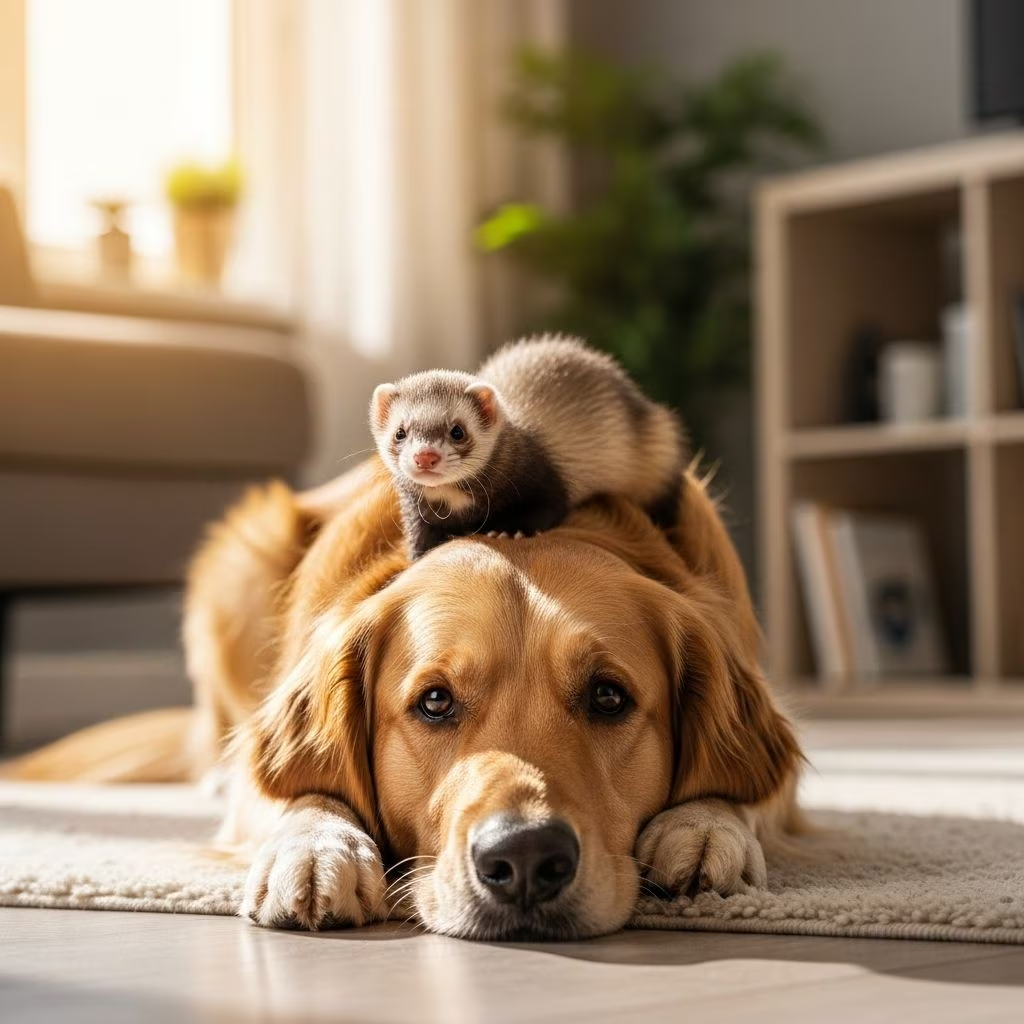
Dogs and ferrets can form positive relationships in many households, but success hinges on careful selection, gradual introductions, and constant oversight due to inherent predatory instincts.
Understanding Instinctual Dynamics
Dogs descend from wolves, retaining a natural predator drive that may view small, agile ferrets as potential prey. Ferrets, mustelids known for playful energy, might trigger chasing behaviors in dogs. This biological mismatch demands proactive management rather than assumption of instant harmony.
Despite these challenges, numerous owners report thriving multi-species homes when animals are matched thoughtfully. Factors like temperament override breed stereotypes in many cases, emphasizing individual assessment over generalizations.
Key Compatibility Factors for Dogs
Not every dog suits ferret companionship. Evaluate these traits before proceeding:
- Breed predispositions: Herding or terrier breeds may chase due to high prey drive, while hounds or retrievers often adapt better if socialized early.
- Age and energy levels: Puppies risk accidental injury from clumsiness; elderly dogs may lack tolerance for ferret antics.
- Socialization history: Dogs raised with small pets show greater acceptance; rescues need temperament testing.
- Health status: Ill or arthritic dogs may snap at playful ferrets invading their space.
| Dog Profile | Compatibility Risk | Recommendation |
|---|---|---|
| High-prey-drive breeds (e.g., Jack Russell Terrier) | High | Professional training required |
| Well-socialized family dogs (e.g., Labrador) | Low | Ideal candidates |
| Senior or sickly dogs | Medium-High | Monitor closely; short sessions only |
| Energetic puppies | High | Delay until maturity |
Assessing Ferret Suitability
Ferrets vary widely in personality. Solo pets accustomed to undivided attention may resent newcomers, displaying territorial hissing or nipping. Older or health-compromised ferrets tire quickly from dog enthusiasm, risking stress or injury.
- Choose confident, outgoing ferrets that ‘dook’ (war dance) at novel stimuli.
- Avoid those showing fear-based aggression or chronic lethargy.
- Young, healthy ferrets match high-energy dogs best.
Step-by-Step Introduction Protocol
Rush introductions invite disaster. Span the process over weeks or months, prioritizing safety.
- Scent familiarization (Days 1-3): Swap bedding between enclosures. Monitor reactions; discard if agitation persists. Wash hands between handling to prevent scent transfer stress.
- Visual acclimation (Days 4-7): Position ferret in a secure cage; allow leashed dog supervised approaches. Reward calm behavior with treats.
- Proximity without contact (Week 2): Hold ferret securely while dog remains leashed. Maintain distance; separate at first aggression signs like stiffening or growling.
- Controlled play (Week 3+): Use baby gates or pens for parallel play. Provide ferret escape routes like tubes. Gradually shorten leashes as trust builds.
- Supervised free interaction (Month 2+): Only after consistent positives; never unsupervised.
Neutral territories reduce territorial disputes. Sessions should last 5-10 minutes initially, extending with success.
Positive Interaction Indicators
Watch for these green flags signaling progress:
- Mutual sniffing without tension.
- Ferret initiates contact or performs playful ‘dooks’.
- Relaxed body language: wagging tails, loose postures.
- Chasing evolves to gentle wrestling.
- Voluntary proximity, like napping nearby.
Red Flags and Intervention Steps
Cease interactions immediately upon these warnings:
- Dog signals: Stalking posture, fixated stare, raised hackles, lunging.
- Ferret cues: Hissing, puffing fur, fleeing attempts, hiding.
- General risks: Overexcitement leading to nips or paw swats.
Separate, shorten future sessions, and consult trainers or vets if patterns persist. Some pairings never reconcile; prioritize welfare over forced friendship.
Long-Term Management Strategies
Even bonded pairs require vigilance. Core rules include:
- Zero unsupervised time—instincts can override familiarity.
- Dedicated spaces: Separate beds, food areas, litter zones to prevent resource guarding.
- Enrichment: Toys, tunnels for ferrets; puzzle feeders for dogs to curb boredom-driven antics.
- Regular health checks: Monitor for stress-induced issues like appetite loss.
- Training refreshers: Reinforce ‘leave it’ and recall commands.
Real-World Success Stories and Lessons
Owners frequently share tales of ferrets riding dogs or joint nap piles, underscoring potential joys. A silver mitt ferret coexisting with canines highlights sensible pacing’s role. Yet, tragedies from lapses remind: Supervision is non-negotiable.
Professional input, like veterinary behaviorists, aids tricky cases. Multi-pet homes thrive on patience, not optimism alone.
FAQ
Are certain dog breeds safer with ferrets?
Breeds like Golden Retrievers often fare better than high-drive terriers, but individual temperament trumps breed.
How long until dogs and ferrets fully adjust?
Weeks to months; some need permanent separation protocols.
Can puppies live with ferrets?
Rarely initially—wait for maturity to mitigate clumsiness risks.
What if my ferret hides from the dog?
Regress to scent swaps; force risks trauma.
Is unsupervised play ever okay?
No—predatory surges can occur unpredictably.
Environmental Setup for Harmony
Design ferret-proof zones with vertical tunnels and hammocks for quick escapes. Dog-proof ferret cages prevent chewing incidents. Rotate play areas to maintain novelty without overwhelm.
Nutrition matters too: Distinct feeding schedules avoid competition. Ferrets require high-protein diets incompatible with most dog foods, reducing scavenging temptations.
Health and Legal Considerations
Vaccinate both against shared risks like distemper. Ferrets’ scent glands can alarm dogs; neutering/spaying curbs marking behaviors. Local laws may regulate ferret ownership—verify compliance.
In multi-pet homes, early socialization yields the best outcomes. Adopting from shelters with proven interspecies experience minimizes gambles.
References
- Are Ferrets Good Pets For Households With Dogs? — Oxbow Animal Health. 2023. https://oxbowanimalhealth.com/blog/are-ferrets-good-pets-for-households-with-dogs/
- Can Dogs Live with Ferrets? — WagWalking. 2024. https://wagwalking.com/sense/can-dogs-live-with-ferrets
- Ferrets and Other Pets — All About Ferrets. 2022. https://all-about-ferrets.com/ferrets-and-other-pets.html
- Do Dogs & Ferrets Get Along? Vet-Approved Introduction & Safety Tips — Dogster. 2025-01-15. https://www.dogster.com/lifestyle/do-dogs-and-ferrets-get-along
- Do Ferrets Get Along With Cats and Dogs? — Pet Supermarket. 2023. https://www.petsupermarket.com/do-ferrets-get-along-with-cats-and-dogs.html
- Can Ferrets and Dogs Live Together? — Ask A Vet (Dr. Duncan Houston). 2025. https://askavet.com/blogs/news/%F0%9F%90%BE-vet-guide-2025-can-ferrets-and-dogs-live-together-dr-duncan-houston-examines-compatibility



