

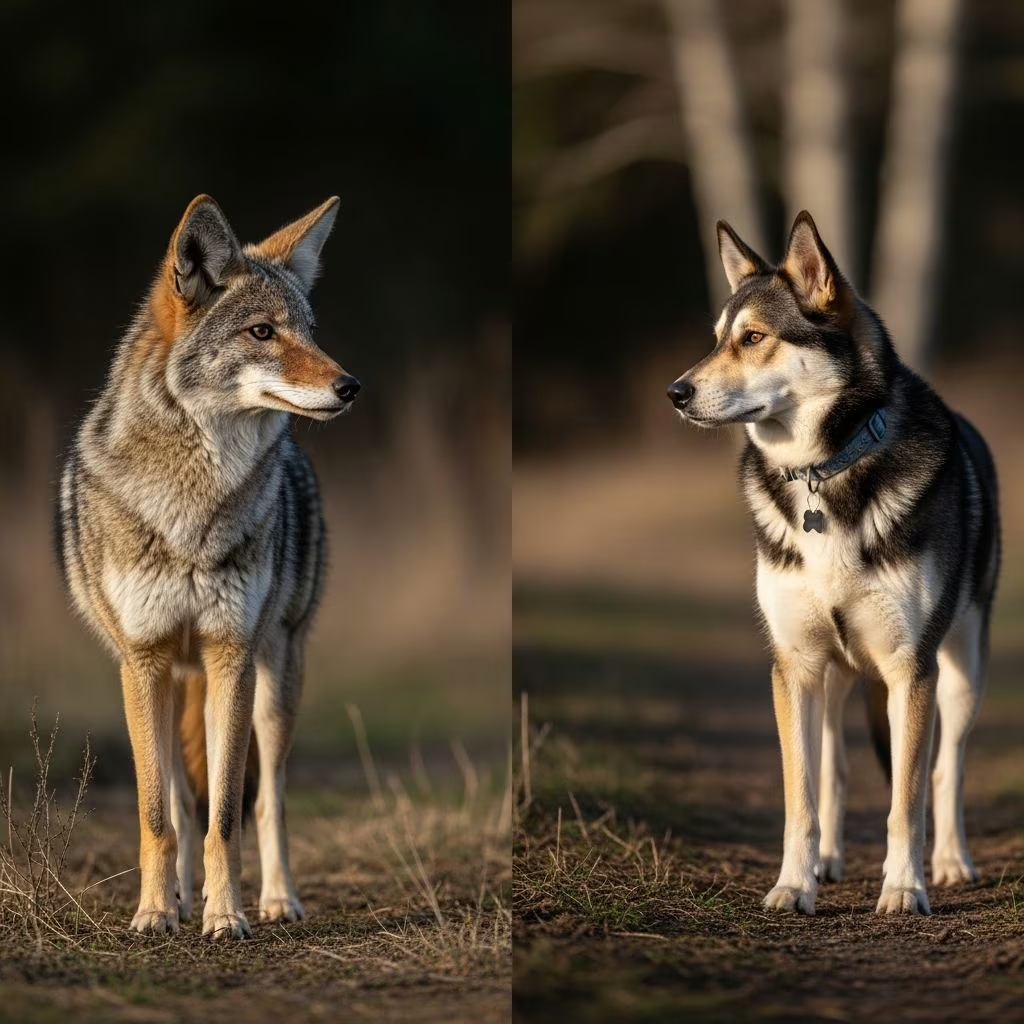
Coyotes and domestic dogs belong to the same genus, Canis, which enables them to interbreed and produce viable offspring known as coydogs. These hybrids blend wild instincts with domesticated traits, creating unique but unpredictable animals that pose significant challenges for owners.
The Biological Foundation of Coyote-Dog Hybrids
At the core of coyote-dog compatibility lies their shared evolutionary history. Both species diverged from a common ancestor relatively recently in genetic terms, allowing for successful reproduction. Unlike more distant crosses, such as wolves and dogs—which are the same species—coyote-dog pairings result in true hybrids with distinct fertility patterns. First-generation coydogs often exhibit reduced fertility compared to purebred dogs or coyotes, though subsequent generations can stabilize.
Genetic studies confirm that coyotes (Canis latrans) and dogs (Canis lupus familiaris) share enough chromosomal similarity—78 chromosomes in both—for embryos to develop normally. This closeness explains documented cases of natural and intentional matings, particularly in areas where urban expansion brings coyotes into contact with free-roaming dogs.
- Chromosomal Match: Identical count prevents most developmental barriers seen in distant hybrids.
- Viable Pups: Offspring are typically healthy at birth but inherit variable traits.
- Fertility Variation: Early generations may have lower reproductive success, improving in later ones.
Physical Characteristics of Coyote-Dog Mixes
Coydogs display a striking blend of features from both parents, often making them visually distinctive. Their build tends toward the lean, agile frame of a coyote, with heights ranging from 22 to 27 inches at the shoulder and weights between 60 and 120 pounds, depending on the dog breed involved.
Common traits include piercing, almond-shaped eyes that convey constant alertness, large pointed ears for superior hearing, and a bushy tail carried low. Coat colors vary widely—grays, browns, blacks, and whites—with a coarse, weather-resistant texture suited to outdoor life. Their strong legs support exceptional speed and endurance, ideal for hunting or evasion.
| Trait | Coyote Influence | Dog Influence |
|---|---|---|
| Build | Lean, athletic | Variable by breed |
| Eyes | Piercing, alert | Expressive |
| Ears | Pointed, large | Upright or floppy |
| Coat | Thick, camouflaged | Softer, breed-specific |
These physical attributes make coydogs blend seamlessly into natural environments, a survival advantage from their coyote heritage.
Understanding the Temperament of Hybrids
The personality of a coydog combines canine loyalty with coyote wariness, resulting in an animal that is intelligent yet aloof. They often exhibit high energy levels, requiring vast spaces to roam, and display a strong prey drive that can lead to chasing small animals.
Early-generation hybrids lean toward their wild side: shy around strangers, independent, and less playful than domestic dogs. With proper socialization, they can form bonds, showing protectiveness and quick learning. However, their unpredictability demands experienced handlers who establish firm leadership.
- Intelligence: Problem-solving skills surpass many breeds but directed toward self-preservation.
- Socialization Needs: Must begin young to mitigate standoffishness.
- Prey Drive: Intense, making them unsuitable near livestock or cats.
How Natural Breeding Occurs in the Wild
Despite biological compatibility, natural coyote-dog matings are rare due to mismatched breeding cycles. Coyotes mate from January to March, birthing in May-June, while most dogs cycle year-round but peak differently. Encounters happen when female dogs in heat roam near coyote territories, often in suburban areas.
Male coyotes may approach receptive females, leading to fertilization. Pups result from these opportunistic pairings, though survival rates depend on the mother’s care and environment. Human intervention, like escaped pets, increases occurrences amid growing coyote populations.
Health Challenges in Coyote-Dog Hybrids
Hybrid vigor can broaden genetic diversity, potentially reducing some inherited diseases, but coydogs face specific risks. Hip and elbow dysplasia, dental issues, and arthritis are common, exacerbated by their active lifestyles and variable genetics.
Without veterinary oversight tailored to wild hybrids, problems like parasites from feral exposure arise. Lifespans range from 5 to 15 years, shorter than many dogs due to stress and health vulnerabilities. Regular check-ups are essential, though no standardized breed care exists.
Legal and Ownership Hurdles
Owning a coydog varies by jurisdiction; some U.S. states classify them as wildlife hybrids, requiring permits or banning possession outright. They lack recognition from kennel clubs, complicating registration and insurance.
Prospective owners need ample land (at least several acres), secure fencing, and commitment to high-maintenance care. They thrive with experienced handlers familiar with pack dynamics, not novices seeking pets.
| Pros | Cons |
|---|---|
| Unique companionship | High unpredictability |
| Intelligence and loyalty | Legal restrictions |
| Hybrid vigor potential | Space and training demands |
Training Strategies for Success
Training coydogs requires consistency, positive reinforcement, and establishing dominance early. Their smarts allow rapid learning of commands, but wild instincts demand mental stimulation like puzzle toys and scent work.
Socialize extensively from puppyhood, exposing them to people, sounds, and environments. Avoid punishment, as it fosters fear-based aggression. Professional trainers versed in exotics are ideal.
- Daily exercise: 2+ hours of running or hiking.
- Secure enclosure: 6-foot fences with dig-proof bases.
- Leadership: Firm, confident handling.
Ecological Role and Population Impact
In ecosystems, coydogs may influence gene flow between wild and domestic populations. They adapt well to urban fringes, potentially increasing coyote adaptability but raising concerns over pet safety and disease transmission.
Conservationists monitor these hybrids, as they could alter coyote behaviors, making them bolder around humans. Spaying/neutering pets prevents unintended crosses.
Alternatives to Owning a Hybrid
For those drawn to wild traits, consider high-energy breeds like Huskies or Malinois, which offer similar vigor without hybrid risks. Shelters often have mixes resembling coydogs but fully domesticated.
Frequently Asked Questions
Are coydogs legal to own?
Laws vary; many areas regulate or prohibit them as wild animal hybrids. Check local wildlife agencies.
Do coydogs make good family pets?
Rarely, due to high prey drive and unpredictability. Best for experienced, single-person households with land.
Can you DNA test for coyote ancestry?
Yes, veterinary labs offer panels distinguishing dog, coyote, and wolf markers.
How do coydogs differ from wolfdogs?
Coydogs stem from a separate species, showing more shyness and less size than wolf hybrids.
What’s the lifespan of a coydog?
Typically 5-15 years, influenced by health and care.
References
- Coyote Dog Mix: Everything You Need to Know About This Hybrid — A-Z Animals. 2023. https://a-z-animals.com/pets/dogs/dog-facts/coy-dog-coyote-dog-mix/
- What Makes Coydog THE Most AMAZING Hybrid Species? — YouTube (Animal Watch). 2023. https://www.youtube.com/watch?v=S7Ur0IUe90I
- Coydog Information and Pictures — Dog Breed Info. 2023. https://dogbreedinfo.com/coydog.htm
- Coydog: Your Complete Guide — Dog Academy. 2023. https://dogacademy.org/breeds/coydog
- Coydogs — Wolfdog Project. 2023. https://wolfdogproject.com/coydogs.html
- What is a Coydog? — Coyote Yipps. 2018-01-16. https://coyoteyipps.com/2018/01/16/what-is-a-coydog/



