

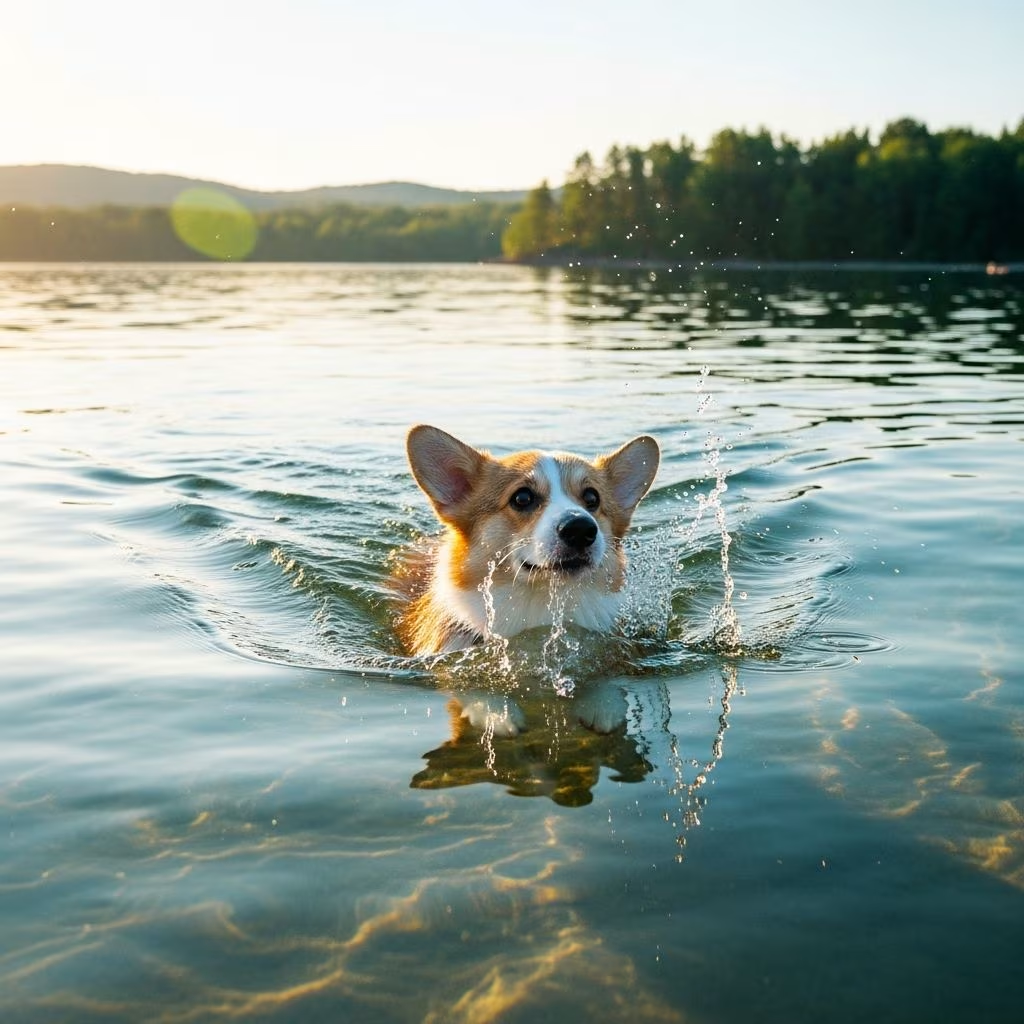
Corgis, with their charming short legs and long bodies, face unique challenges when it comes to swimming, often struggling due to poor buoyancy and inefficient paddling. However, with proper precautions like life jackets and supervised sessions, many can enjoy water activities that support their health, particularly for joint issues common in the breed.
Understanding Corgi Anatomy and Swimming Ability
The Pembroke and Cardigan Welsh Corgi breeds feature a distinctive build: elongated torsos paired with notably short legs. This structure, while adorable and functional for herding, hinders effective swimming. Their low center of gravity and limited leg length make it difficult to keep their heads above water, leading to quick fatigue during paddling. Unlike water-loving breeds such as Labrador Retrievers, corgis often exhibit a doggy paddle that lacks propulsion, increasing drowning risks in unsupervised settings.
Research highlights that short-legged breeds like corgis, bulldogs, and boxers are generally less suited for open-water swimming without aids. Their stocky bodies and short limbs create drag, making sustained swimming exhausting. Veterinary advice recommends assessing individual temperament and fitness before introducing water, as some corgis may show aversion or panic, exacerbating safety concerns.
Health Advantages of Water Exercise for Corgis
Despite natural limitations, controlled water exposure offers substantial benefits for corgis, especially those prone to hip dysplasia, arthritis, or obesity—conditions prevalent in the breed due to genetics and lifestyle. Swimming qualifies as a low-impact workout, where water buoyancy supports up to 90% of body weight, minimizing joint stress while providing resistance for muscle toning.
Key gains include:
- Cardiovascular Boost: One minute of swimming matches four minutes of running, enhancing heart and lung function, metabolism, and circulation for healthier skin and coat.
- Joint Protection: Non-weight-bearing movement reduces inflammation and improves range of motion, ideal for arthritic corgis or post-surgery recovery.
- Muscle Strengthening: Water resistance engages all major muscle groups without concussion risks, aiding seniors or those with dysplasia.
- Weight Control: Calorie burn supports obesity management, a common corgi issue that strains joints further.
For corgis with mobility challenges like intervertebral disc disease or degenerative myelopathy, hydrotherapy preserves muscle tone and slows progression, often enabling movement impossible on land. Warm water variants amplify pain relief by improving blood flow and relaxing tissues.
Hydrotherapy: A Tailored Solution for Corgis
Hydrotherapy, or therapeutic swimming in controlled environments, transforms water into a rehabilitation powerhouse for corgis. Performed in heated pools under professional guidance, it targets specific needs like ACL tears or elbow dysplasia. The combination of buoyancy and resistance builds core strength, stabilizes joints, and enhances flexibility without spinal pressure.
Veterinary rehab centers increasingly prescribe it for pre- and post-operative conditioning, shortening recovery times. For instance, dogs with hip dysplasia experience reduced stiffness and inflammation through gentle stretches in water. Corgi owners report improved mobility and vitality in seniors, with sessions as short as 5-10 minutes yielding noticeable results.
| Aspect | Swimming/Hydrotherapy | Land-Based Exercise (e.g., Walking) |
|---|---|---|
| Joint Impact | Low; buoyancy supports weight | High; full body weight stress |
| Muscle Engagement | Full body resistance workout | Limited to weight-bearing muscles |
| Cardio Efficiency | 4x more effective per minute | Standard pace |
| Suitability for Arthritis | Excellent; pain-relieving warmth | Limited; may worsen inflammation |
| Mental Stimulation | High; novel environment | Moderate; routine paths |
Recognizing When Corgis Struggle in Water
Not all corgis take to water naturally; signs of distress include frantic paddling, ears pinned back, wide eyes, or attempts to climb out immediately. Their short snouts, while not as extreme as brachycephalics, can lead to water inhalation if heads dip too low. Overexertion risks muscle cramps or exhaustion, particularly in cooler waters that sap energy faster.
Owners should monitor for breed-specific red flags: rapid breathing post-swim, limping afterward, or reluctance to re-enter. Those with pre-existing conditions like obesity amplify fatigue, making gradual introduction essential.
Safety Measures for Corgi Water Adventures
To mitigate risks, prioritize these protocols:
- Life Jackets Mandatory: Choose well-fitted models with handles for easy lifting; they provide flotation for short legs, preventing sinking.
- Shallow Starts: Begin in knee-deep pools or beaches with gradual inclines, never deep or open waters.
- Supervision Always: Stay within arm’s reach; avoid distractions.
- Fresh Water Access: Prevent gulping pool chemicals or saltwater by offering bowls nearby.
- Post-Swim Rinse: Clean ears, eyes, and coat to avert irritations or infections.
- Climate Control: Opt for warm (85-92°F) water to soothe joints and reduce shock.
Professional hydrotherapy facilities offer treadmills or supported swimming, ideal for novices. Consult vets before starting, especially for puppies under 6 months whose growth plates remain vulnerable.
Training Your Corgi for Confident Swimming
Build positive associations through step-by-step acclimation. Use treats and toys to lure into shallow ends, practicing 2-5 minute sessions 2-3 times weekly. Positive reinforcement fosters enjoyment, turning wary corgis into enthusiastic participants. Pair with mobility supplements containing glucosamine and omegas for compounded joint support. Social swims at doggy daycares enhance mental perks like reduced anxiety.
For competitive or active corgis, integrate swimming into fitness routines, monitoring for overexertion via heart rate checks.
Ideal Water Environments for Corgis
Select calm, clean venues:
- Home Pools: Shallow ends with steps; install ramps.
- Lakes/Beaches: Sheltered coves sans strong currents.
- Rehab Centers: Heated, sanitized pools with handlers.
- Avoid: Oceans, rivers, chlorinated public pools without oversight.
Frequently Asked Questions (FAQs)
Are corgis natural swimmers?
No, their short legs and long bodies make swimming inefficient; life jackets are crucial.
Is swimming safe for senior corgis?
Yes, it relieves arthritis pain and boosts mobility via low-impact exercise.
How often should corgis swim?
2-3 sessions weekly, 5-15 minutes each, based on fitness level.
Can puppies corgis swim?
Wait until 6 months; earlier risks growth plate injury.
What if my corgi hates water?
Don’t force it; opt for land alternatives like short walks or underwater treadmills.
Long-Term Wellness from Corgi Swimming
Incorporating safe swimming routines extends corgi lifespans by combating obesity, fortifying joints, and elevating mood. Owners witness glossier coats, sprightlier gaits, and deeper bonds through shared activities. Pair with balanced diets and vet check-ups for holistic care, ensuring these fluffy-bottomed friends thrive into golden years.
References
- The Top 5 Benefits of Swimming for Dogs — TopDog Health. 2023. https://topdoghealth.com/the-top-5-benefits-of-swimming-for-dogs/
- The Benefits of Swimming for Dogs with Mobility Issues — Bernies Best. 2024. https://www.bernies.com/blogs/bernies-blog/the-benefits-of-swimming-for-dogs-with-mobility-issues/
- Benefits of swimming for dogs — ManyPets. 2024. https://manypets.com/us/blog/benefits-of-swimming-for-dogs/
- The Benefits of Dog Swimming and Water Safety Tips — Berthoud Animal Hospital. 2024. https://berthoudanimalhospital.com/blog/dog-swimming/
- Pool Safety for Dogs: Swim Tips, Supplies & More — Hill’s Pet Nutrition. 2025. https://www.hillspet.com/dog-care/routine-care/pool-safety-for-dogs



