

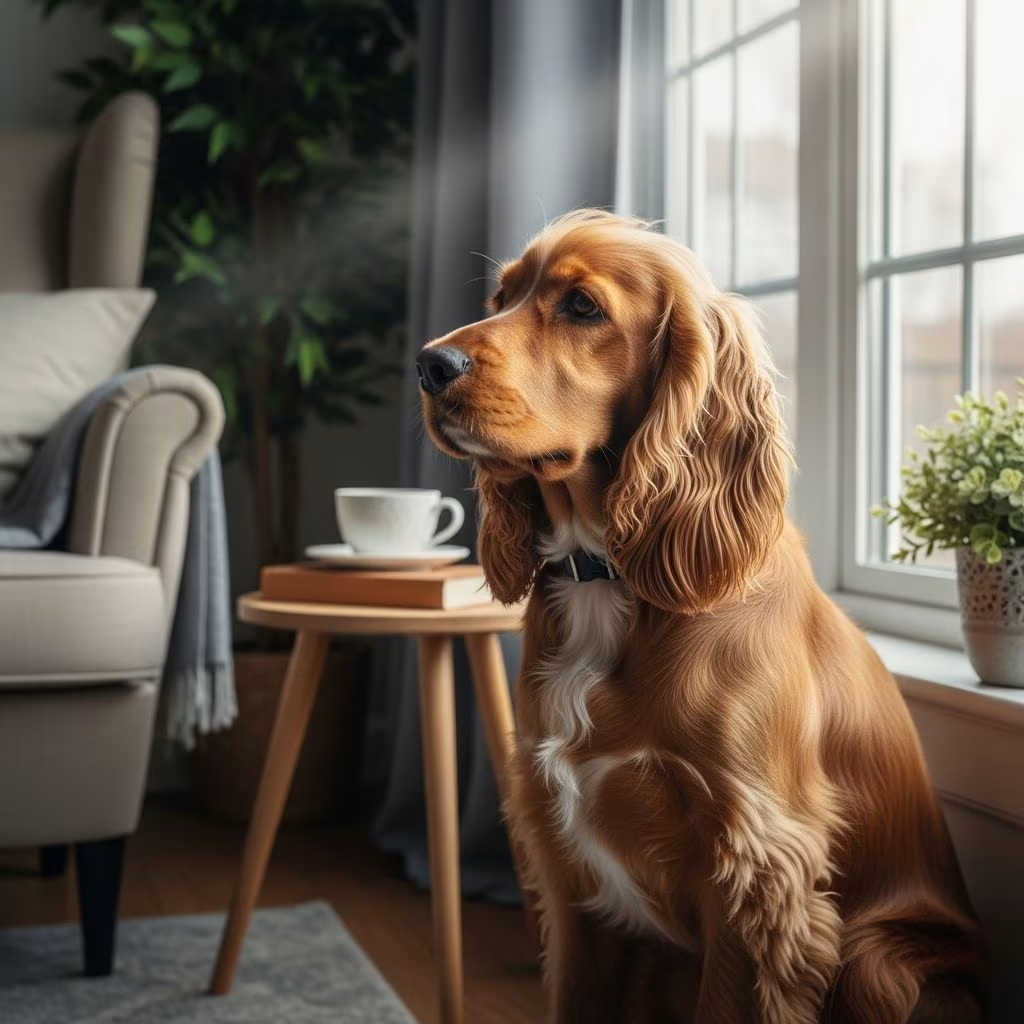
Cocker Spaniels, with their loving and sociable nature, can adapt to short periods alone at home when properly trained and prepared. However, their tendency toward attachment means owners must consider age, health, and temperament to avoid issues like separation anxiety.
Understanding Cocker Spaniel Temperament and Independence
Cocker Spaniels are bred as companion dogs, known for their gentle disposition and desire for human interaction. This breed thrives on family involvement, making extended solitude potentially challenging. Unlike more independent breeds, Cockers often seek closeness, which influences their tolerance for alone time. Factors such as early socialization and consistent routines play crucial roles in building their confidence when owners are away.
Healthy adults typically manage 6-8 hours alone, but puppies and seniors require more frequent check-ins. Training from a young age helps them view solitude as normal rather than distressing.
Factors Influencing How Long to Leave Your Cocker Spaniel Alone
Several variables determine safe alone time for Cocker Spaniels. Age is primary: young puppies need near-constant supervision for feeding and elimination, while mature dogs handle longer stretches. Health conditions, like medications or recovery from illness, demand shorter absences. Lifestyle elements, including daily exercise and mental stimulation, also affect resilience.
- Age: Puppies under weaning need hourly attention; juveniles up to 4 hours.
- Health: Chronic issues or post-surgery require vet-guided limits.
- Temperament: Anxious dogs may show distress sooner than confident ones.
- Environment: Secure, comfortable spaces with water and toys extend tolerance.
Safe Duration Guidelines by Life Stage
Use this table as a reference for maximum alone time, always prioritizing your dog’s individual needs and providing essentials like water.
| Life Stage | Maximum Alone Time | Key Considerations |
|---|---|---|
| Orphaned Puppy (Unweaned) | 1-2 hours | Frequent feeding; gradually increase post-weaning. |
| Weaned Puppy with Mother | 4-6 hours | Ensure water access for dam and pups. |
| Recently Weaned Puppy | 2-3 hours | Crate training with toys and water essential. |
| Juvenile (6 months-2 years) | 3-4 hours | Needs ongoing training and play. |
| Healthy Adult | 6-8 hours | Pre- and post-absence exercise vital. |
| Senior or Health-Challenged | Vet-recommended | Monitor for mobility or routine disruptions. |
| Pregnant/Lactating Female | 3-4 hours | Minimal disturbance; observe from afar. |
These guidelines draw from veterinary insights and breed-specific behaviors. Adjust based on observation; no dog should lack fresh water or safe confinement.
Recognizing Signs of Separation Anxiety in Cocker Spaniels
Separation anxiety manifests when dogs struggle with owner absence, common in affectionate breeds like Cockers. Early detection prevents escalation. Watch for:
- Excessive vocalization or barking
- House soiling despite being trained
- Destructive chewing on furniture or items
- Pacing, restlessness, or escape attempts
- drooling or panting without physical cause
These behaviors often occur shortly after departure. Consult a vet to rule out medical causes before assuming anxiety. Camcorders or pet monitors aid in assessment.
Building Independence: Step-by-Step Training Strategies
Prevent anxiety by gradually acclimating your Cocker to solitude. Start young for best results, using positive reinforcement.
- Short Sessions First: Leave for 5-10 minutes, return calmly without fanfare. Reward quiet behavior.
- Extend Gradually: Increase to 30 minutes, then hours. Vary durations to avoid patterns.
- Crate or Safe Room: Create a den-like area with bedding, toys, and familiarity. Practice stays with you present.
- Desensitize Cues: Perform pre-departure routines (keys, shoes) without leaving to reduce triggers.
- Incorporate Exercise: Tire them out before absences; a walked dog rests easier.
Consistency builds trust. For adults, revisit basics if issues arise. Professional trainers help stubborn cases.
Practical Preparations for Leaving Your Cocker Spaniel Home
Optimize the environment for success. Provide:
- Water and Comfort: Multiple bowls, cozy bedding in ventilated space.
- Enrichment Toys: Puzzle feeders, chew items to combat boredom.
- Exercise Routine: At least 60 minutes daily, split into walks and play. Agility suits their energy.
- Schedules: Feed, potty, and play before/after absences.
Consider dog walkers or daycare for longer days. Temperature control prevents overheating.
Alternatives for Extended Absences
If 8+ hours are unavoidable, explore options:
| Option | Benefits | Considerations |
|---|---|---|
| Dog Walker/Daycare | Exercise, socialization | Cost, intro period needed. |
| Pet Sitter/Camera | Remote monitoring, check-ins | Tech reliability, trust. |
| Family/Friend Visits | Familiar company | Scheduling coordination. |
| Extended Crate Training | Security for trained dogs | Not for beginners; vet check. |
RSPCA advises no more than 4 hours routinely for welfare.
Special Cases: Health, Age, and Pregnancy
Tailor approaches for vulnerabilities. Puppies need hourly potty breaks initially. Seniors may resist change, sticking to routines. Medicated dogs require precise timing. Lactating mothers benefit from nearby monitoring without intrusion. Always heed veterinary advice for post-op or chronic conditions.
Long-Term Benefits of Proper Alone-Time Training
Well-trained Cockers gain confidence, reducing destructive habits and stress. Owners enjoy flexibility without guilt. Early habits prevent lifelong issues, fostering balanced pets. Commit to daily needs: exercise, nutrition, affection.
Frequently Asked Questions (FAQs)
How long can a healthy Cocker Spaniel puppy stay alone?
Recently weaned puppies manage 2-3 hours max, with crate training and water.
What if my adult Cocker Spaniel cries when left alone?
Shorten durations, desensitize cues, and consult a vet for anxiety evaluation.
Is crate training recommended for Cocker Spaniels?
Yes, it provides security; introduce positively with treats and short sessions.
Can exercise reduce separation anxiety?
Absolutely—mental and physical fatigue promotes calm during absences.
What’s the ideal daily routine for a Cocker left alone part-time?
Morning walk, breakfast, alone time, afternoon play/walk, evening bonding.
References
- Learning to be Left Alone — RSPCA. Accessed 2026. https://www.rspca.org.uk/webContent/staticImages/Pdfs/LearningToBeLeftAlone.pdf
- Cocker Spaniel Care Guide — People’s Dispensary for Sick Animals (PDSA). Accessed 2026. https://www.pdsa.org.uk/pet-help-and-advice/looking-after-your-pet/puppies-dogs/medium-dogs/cocker-spaniel
- Can a Cocker Spaniel Be Left Alone at Home? — Dogster Veterinary Review. Accessed 2026. https://www.dogster.com/ask-the-vet/can-a-cocker-spaniel-be-left-alone-at-home



