

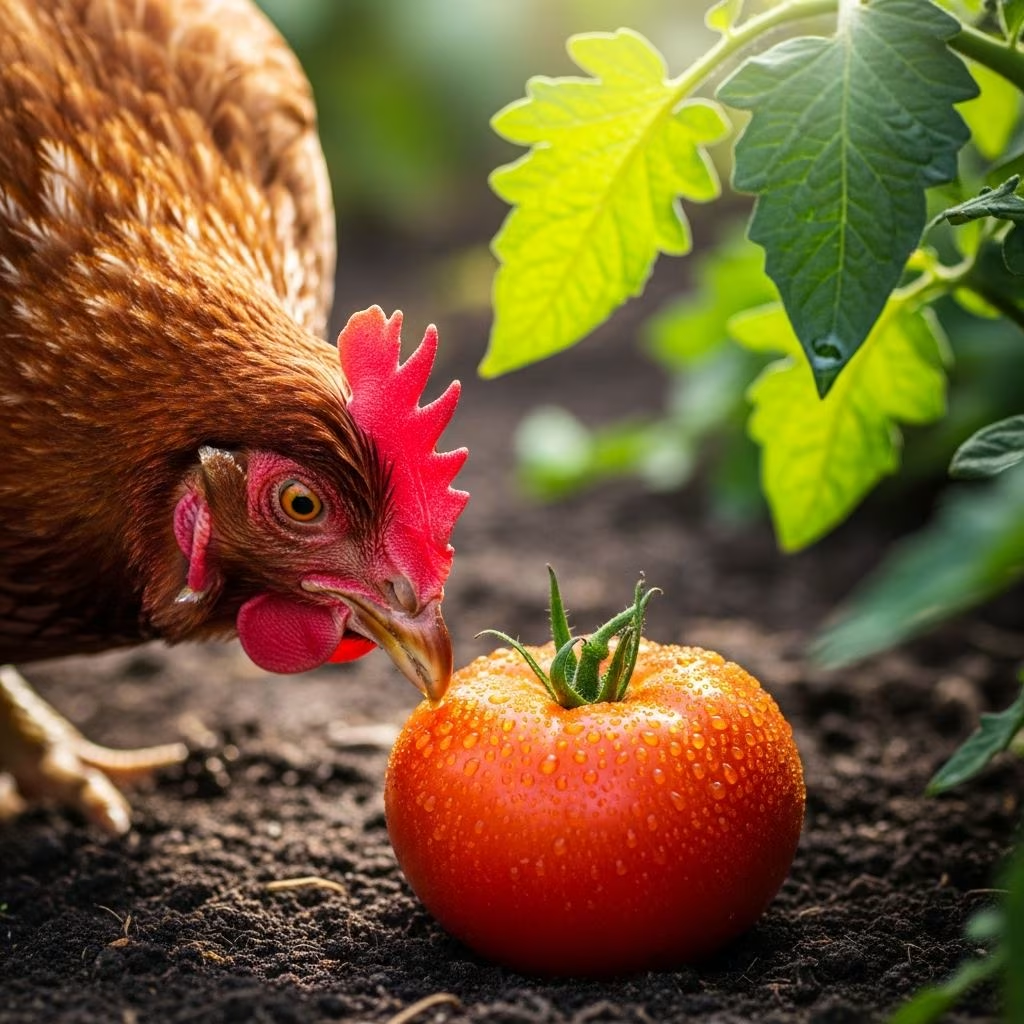
Can Chickens Eat Tomatoes?
Yes, chickens can eat tomatoes, and they can enjoy them as a nutritious treat when fed properly. Tomatoes are packed with essential nutrients that support chicken health and well-being. However, not all parts of the tomato plant are safe for chickens to consume. Understanding which parts are safe and how to feed them correctly is crucial for maintaining the health of your flock.
Nutritional Benefits of Tomatoes for Chickens
Tomatoes offer significant nutritional advantages for your backyard chickens. They’re a good source of vitamins and antioxidants that contribute to overall health and vitality.
Rich in Vitamins and Antioxidants
Tomatoes are packed with nutrients, including vitamins C and K, lycopene, and beta-carotene. While chickens produce their own vitamin C, supplementing with fresh produce like tomatoes can contribute to their overall well-being. These vitamins play essential roles in immune function, bone health, and cellular protection. The antioxidants found in tomatoes help protect chicken cells from damage caused by free radicals, contributing to their longevity and health.
Low in Calories
A 100-gram tomato, which is approximately medium-sized, contains only 18 calories. This makes tomatoes an excellent low-calorie treat option for chickens. Keep in mind that a chicken’s serving should be a fraction of that size, as treats should make up no more than 10% of their daily caloric intake.
High Water Content
Tomatoes contain over 90% water, which is beneficial for hydration, especially during warmer weather. During summer months when temperatures rise, providing hydrating treats like tomatoes can help your chickens maintain proper hydration levels. The high water content also makes tomatoes an excellent choice during hot seasons when supplemental moisture is particularly valuable for flock health.
Essential Minerals and Vitamins
Beyond the primary nutrients, tomatoes contain potassium, folate (Vitamin B9), and various other minerals that support chicken health. Folate is particularly important as it facilitates protein absorption, helping hens develop gorgeous feathers and maintain consistent egg production. These micronutrients work synergistically to support immune function, digestive health, and bone strength in your flock.
Improved Egg Quality and Production
One of the most compelling reasons to include tomatoes in your laying hens’ diet is the documented improvement in egg quality. Scientific studies have shown that when laying chickens consume tomatoes, the nutrient content of their eggs increases significantly. Concentrations of lycopene, beta-carotene, lutein, and vitamin A are elevated in eggs from chickens fed tomato products compared to control groups. Additionally, harmful compounds like malondialdehyde (MDA) decrease when tomato powder is included in the laying chickens’ diet, resulting in higher-quality eggs with better nutritional profiles.
For optimal results, include up to 4 teaspoons of tomato powder per 2 pounds of poultry feed. This dosage has been scientifically tested and shown to provide maximum benefits without creating dietary imbalances.
Potential Risks and Toxicity Concerns
While ripe tomatoes are safe for chickens, there are important considerations and potential risks to understand before feeding them to your flock.
Toxicity in Green and Unripe Tomatoes
While red, ripened tomatoes are safe, green tomatoes and tomato leaves, stems, and flowers contain solanine, a toxic alkaloid compound. Green tomatoes should be fed sparingly if at all, and all green parts of the tomato plant must be kept away from chickens. Solanine can cause gastrointestinal upset and other health problems in birds. It’s essential to fence off tomato plants to prevent chickens from accessing the leaves and flowers during the growing season.
Dietary Imbalances
A balanced commercial chicken feed contains all the nutrients chickens need to stay healthy and lay eggs. Overfeeding treats, including tomatoes, could lead to an inadequate amount of essential nutrients such as calcium, phosphorus, and protein. Treats should comprise no more than 10% of your chicken’s daily diet to ensure they receive proper nutrition from their primary feed.
Gastrointestinal Upset
Introducing any new food too quickly, including tomatoes, could lead to gastrointestinal upset in chickens. It’s important to introduce tomatoes gradually and in small amounts to allow their digestive systems to adjust. Start with small pieces and observe your chickens for any signs of digestive distress before increasing portions.
Rotten or Moldy Tomatoes
Always feed only fresh, clean tomatoes to your chickens. Rotten, moldy, or spoiled tomatoes can harbor harmful bacteria and fungi that cause illness. Inspect tomatoes carefully before offering them to your flock, and remove any that show signs of decay or mold.
Safe Ways to Feed Tomatoes to Chickens
Understanding proper feeding practices ensures your chickens enjoy tomatoes safely and derive maximum nutritional benefits.
Raw and Cooked Tomatoes
You can safely give your chickens both raw and cooked tomatoes. Raw tomatoes are excellent for stimulating natural pecking behavior, while cooked tomatoes can be incorporated into their diet in various forms. Tomato sauce, tomato paste, tomato powder, and tomato juice are all safe options for chickens when prepared without added salt, sugar, or spices.
Proper Portioning
Cutting tomatoes into smaller pieces helps control portion sizes and prevents overconsumption. This approach also reduces choking risks, particularly for younger birds. Chop tomatoes into bite-sized pieces that match the size of your chickens’ heads for safe consumption.
Frequency of Feeding
It’s recommended to feed tomatoes to chickens as an occasional treat rather than a daily staple in their diet. Limit the number of tomatoes given to your flock and avoid overfeeding them with fruits. Most experts suggest offering tomatoes no more than 2-3 times per week as part of a varied treat rotation.
Cherry Tomatoes and Other Varieties
Chickens can safely enjoy various tomato varieties, including cherry tomatoes, beefsteak tomatoes, and paste tomatoes. Cherry tomatoes are particularly convenient as they’re already small and require minimal preparation. All ripe tomato varieties provide similar nutritional benefits, though portion sizes should be adjusted based on tomato size.
Special Considerations for Different Ages
Age affects how and when you can introduce tomatoes to your flock. Baby chicks should not be fed tomato skins or raw tomatoes until they reach 6-8 weeks of age. Once they’re older, you can gradually introduce tomatoes as treats. Adult chickens can safely consume all parts of ripe tomatoes, including seeds and skin.
Tomatoes During Winter and Off-Season
During winter months, when fresh greens and other natural food sources may be scarce, tomatoes can provide your chickens with essential nutrients to help them stay healthy. If you grow tomatoes in a greenhouse or have access to canned tomatoes, they can bridge seasonal gaps in fresh food availability. However, ensure canned tomatoes contain no added sodium or preservatives before offering them to your flock.
Best Practices for Tomato Feeding
- Always feed only ripe, red tomatoes to your chickens
- Remove all green parts of the tomato plant, including leaves, stems, and unripe fruit
- Inspect tomatoes for signs of decay, mold, or spoilage before feeding
- Cut tomatoes into appropriate bite-sized pieces
- Feed tomatoes in moderation as part of a balanced diet
- Ensure primary diet consists of quality commercial chicken feed
- Introduce new foods gradually to prevent digestive upset
- Fence off tomato plants during growing season
- Vary treats to maintain nutritional balance
- Monitor chickens for any adverse reactions after feeding tomatoes
Frequently Asked Questions
Q: Can chickens eat cherry tomatoes?
A: Yes, chickens can eat cherry tomatoes. They’re not only considered safe for them to eat but can also be a nutritious treat when served in moderation. Their small size makes them convenient to portion and feed to your flock.
Q: Can chickens eat tomato leaves?
A: No, chickens cannot eat tomato leaves because tomato leaves and every other part of a tomato plant that isn’t the red fruit are toxic to them due to solanine content. This includes stems, flowers, and green fruit.
Q: How often should I feed tomatoes to my chickens?
A: Feed tomatoes as an occasional treat, ideally no more than 2-3 times per week. Treats should comprise no more than 10% of your chicken’s daily caloric intake to maintain nutritional balance.
Q: Are green tomatoes safe for chickens?
A: Green tomatoes should be avoided or fed very sparingly as they contain solanine, a toxic compound. Stick to fully ripened, red tomatoes for maximum safety.
Q: Can baby chicks eat tomatoes?
A: Baby chicks should not be fed tomato skins or raw tomatoes until they reach 6-8 weeks of age. Once they’re older, introduce tomatoes gradually in small pieces.
Q: Can I feed my chickens tomato sauce or tomato paste?
A: Yes, you can safely give your chickens tomato sauce and tomato paste, provided they contain no added salt, sugar, or spices. Plain tomato products are acceptable treats in moderation.
Q: What should I do if my chicken eats tomato leaves?
A: Monitor your chicken closely for signs of illness or gastrointestinal upset. Contact a veterinarian if you notice symptoms like lethargy, reduced appetite, or digestive issues. Prevention through proper fencing is the best approach.
References
- Can Chickens Eat Tomatoes? — Chewy. 2025. https://www.chewy.com/education/farm-animal/chicken/can-chickens-eat-tomatoes
- Can Chickens Eat Tomatoes: Nutritional Benefits and Risks — Ranchr. https://ranchr.com/blog/can-chickens-eat-tomatoes/
- Can Chickens Eat Tomatoes? What You Need to Know — Rivers Family Farm. https://riversfamilyfarm.com/heres-why-chickens-can-eat-some-tomatoes/
- Can Chickens Eat Tomatoes? — ChickenGuard. https://www.chickenguard.com/can-chickens-eat-tomatoes/
- Can Chickens Eat Tomatoes? Safe Treats for a Healthy Flock — Fully Healthy. https://fullyhealthy.com/blogs/news/can-chickens-eat-tomatoes



