

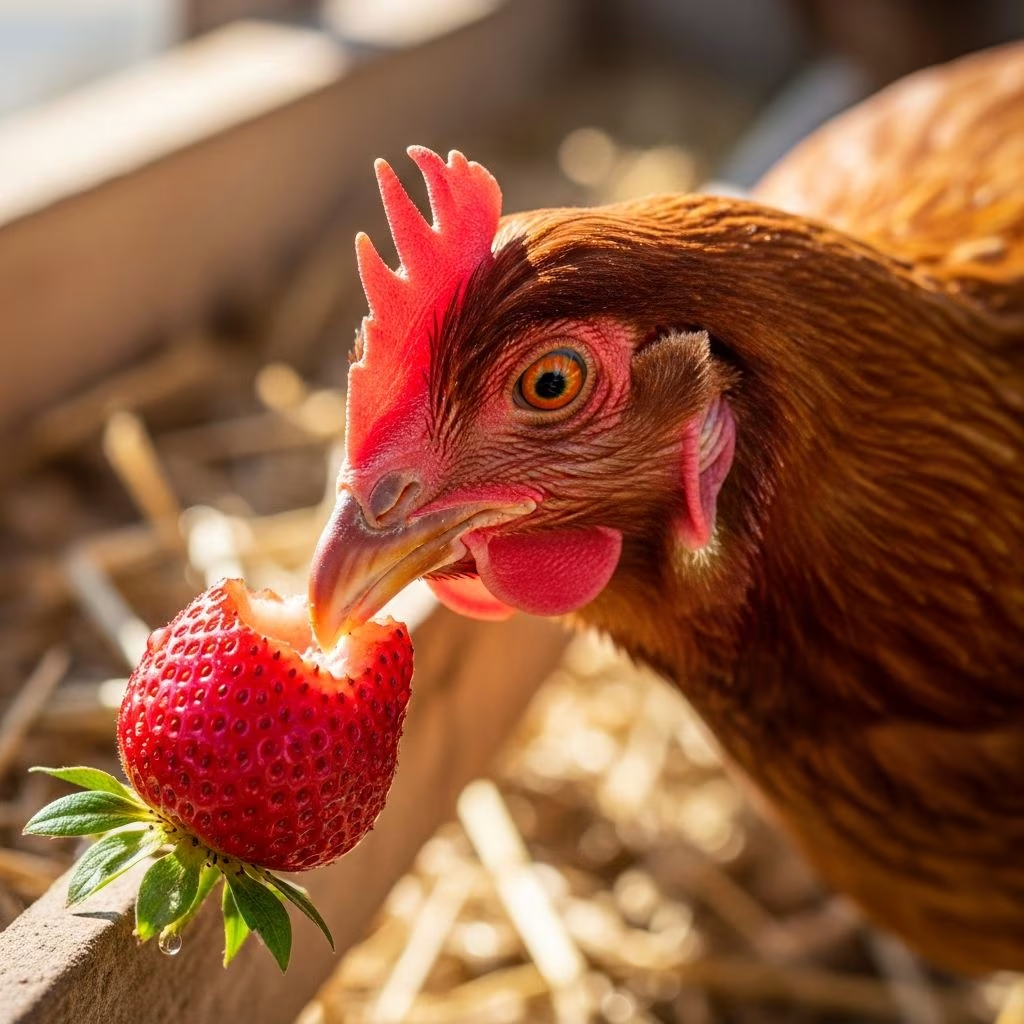
Can Chickens Eat Strawberries?
Yes! Strawberries are a healthy food choice for chickens and can be a delicious addition to your flock’s diet. These sweet fruits offer numerous nutritional benefits while providing environmental enrichment that keeps your birds engaged and mentally stimulated. As foragers by nature, chickens enjoy a variety of foods, and strawberries fit perfectly into a balanced diet when given appropriately.
According to veterinary experts, it’s safe to feed strawberries to chickens, along with many other organic foods we commonly eat. However, like all treats, strawberries should be offered in moderation as part of a well-rounded nutritional plan. Understanding how to safely incorporate strawberries into your chicken’s diet is essential for maintaining their health and wellbeing.
Are Strawberries Good for Chickens?
Strawberries offer impressive nutritional profiles that can benefit your chicken’s overall health. These berries are packed with essential vitamins, minerals, and antioxidants that support various bodily functions in poultry.
Key Nutritional Benefits
The primary nutrients found in strawberries include:
- Vitamin C – supports immune function and acts as a powerful antioxidant
- Vitamin B9 (Folate) – aids in cell division and DNA synthesis
- Potassium – helps maintain proper heart and muscle function
- Manganese – supports bone health and metabolic processes
- Fiber – promotes healthy digestion
- Antioxidants – protect cells from oxidative damage and boost immunity
Health Benefits for Your Flock
When fed appropriately, strawberries provide several advantages to your chickens:
- Rich in vitamin C and other antioxidants that strengthen immune response
- Low in calories, making them ideal for healthy weight management
- High water content, particularly beneficial during warmer months
- Good source of dietary fiber supporting digestive health
- Low in sugar compared to many other fruit options
Environmental Enrichment
Beyond nutrition, strawberries provide significant behavioral benefits to your flock. Chickens are naturally curious and intelligent animals that thrive with mental stimulation. Feeding strawberries encourages foraging behavior, pecking activities, and exploration, which improves their overall wellbeing and reduces boredom-related stress. This natural enrichment helps maintain happy, healthier birds with better social dynamics within your coop.
Are Strawberries Bad for Chickens?
While strawberries are generally safe for chicken consumption, potential risks do exist when they’re not properly prepared or fed in excessive quantities. Understanding these risks helps you feed strawberries responsibly and keep your flock safe.
Potential Risks and Concerns
The primary risks associated with strawberry feeding include:
- Mold development on stored or improperly handled berries
- Pesticide residues from non-organic strawberries
- Germs and parasites from contaminated fruit
- Loose stools or digestive upset when overfed
Avoiding Common Feeding Mistakes
It’s important to note that the risks associated with strawberries typically stem from how they’re prepared and fed, rather than from the strawberry itself. To keep your chickens safe, always opt for fresh strawberries. Preserved or dried strawberries can technically be given since they’re non-toxic; however, these forms contain significantly higher sugar content and should only be fed in very limited amounts, if at all.
The general rule is simple: the less healthy a food is for humans, the less healthy it is for your birds. For example, strawberry jelly is not nutritious due to its high sugar content, while fresh strawberries are a much healthier option. Always wash strawberries before feeding them to remove potential pesticide residues, and inspect them carefully for any signs of mold or decay before offering them to your flock.
What Happens If Your Chicken Eats Too Many Strawberries?
Despite their nutritional benefits, consuming excessive amounts of strawberries can cause adverse reactions in chickens. Understanding these symptoms and knowing how to respond is crucial for chicken owners.
Common Side Effects of Overconsumption
If your chickens eat too many strawberries, they may experience diarrhea, which might appear red or pink due to the natural pigment in the strawberries. This red appearance can be alarming to chicken keepers, but it’s usually just your chicken’s body attempting to eliminate excess moisture. Although eating strawberries in excessive amounts can irritate their digestive system, rest assured that it typically isn’t a major issue.
Additional potential side effects of overfeeding strawberries include:
- Soft or weakened eggshells in laying hens
- Reduced egg production
- General weakness or lethargy
- Digestive system imbalance
How to Address Digestive Upset
If you notice signs of digestive upset in your chickens after feeding strawberries, switching to dry feed can help rebalance their system and allow excess moisture to pass naturally. In most cases, reducing or eliminating strawberries from their diet for a period will resolve the issue completely. If symptoms persist or worsen, consult with your veterinarian for professional guidance.
Feeding Guidelines and Best Practices
Proper feeding techniques ensure your chickens can safely enjoy strawberries while maintaining optimal health and nutrition.
Recommended Daily Consumption
Strawberries and other treats should make up no more than 10% of your chickens’ total daily food intake. This ensures they still receive adequate nutrition from their primary feed while enjoying a delicious fruity snack. Treats like strawberries should be given sparingly, keeping a balanced diet in mind. Too much fruit can lead to digestive issues and obesity in chickens due to their natural sugar content.
Preparation Tips
When feeding strawberries to your flock, follow these preparation guidelines:
- Always wash fresh strawberries thoroughly to remove pesticide residues
- Inspect berries carefully for mold, decay, or unusual discoloration
- For young chicks, mash strawberries prior to feeding to prevent choking hazards
- Consider thawing frozen strawberries before serving rather than offering them directly
- Remove any moldy or rotten portions immediately
- Offer strawberries as part of a varied diet with other healthy treats
Seasonal Feeding Considerations
Frozen unsweetened strawberries make an excellent cooling treat during spring and summer months when temperatures rise. The high water content combined with the refreshing nature of frozen fruit helps your chickens stay hydrated and cool during hot weather. Thaw these berries before serving for optimal digestion and better palatability.
Can Chickens Eat Strawberry Parts?
Strawberry Tops and Leaves
While there is some debate among poultry experts regarding strawberry tops and leaves, current veterinary guidance suggests that strawberry tops are non-toxic and safe for chickens to eat. In fact, the strawberry tops contain beneficial iron and tannins that serve as natural digestive aids for your flock. However, some sources recommend avoiding the leaves and stems due to trace amounts of naturally occurring hydrogen cyanide. Until further research clarifies the specific effects on chickens, exercising caution and removing tops when in doubt is advisable, though many experienced chicken keepers regularly feed the entire strawberry plant with no adverse effects.
Strawberry Seeds
Strawberry seeds are perfectly safe for chickens and actually provide beneficial fiber as part of the fruit. They do not cause allergic reactions in poultry and can be consumed without concern.
Special Strawberry Feeding Scenarios
Moldy Strawberries
Under no circumstances should you feed moldy strawberries to your chickens. Moldy food can make them sick and potentially cause serious health complications. Always inspect strawberries before offering them to your flock and discard any with visible mold growth.
Frozen Strawberries
Yes, chickens can eat frozen unsweetened strawberries, provided they are thawed before serving. Thawing frozen strawberries first is recommended to prevent digestive discomfort and to make them more palatable for your birds. Avoid feeding frozen strawberries directly from the freezer.
Overripe Strawberries
Slightly overripe strawberries are generally acceptable for your chickens to eat. However, steer clear of significantly overripe, moldy, or rotten fruit, as these can lead to health problems. When in doubt, discard the berry rather than risk your chicken’s wellbeing.
Monitoring Your Chickens for Allergies
Before making strawberries a regular treat, watch carefully for any unusual reactions after feeding your chickens strawberries for the first time. While allergies are uncommon, some birds may have individual sensitivities to certain fruits. Keep an eye out for:
- Abnormal behavior or lethargy
- Digestive upset beyond normal loose stools
- Feather plucking or self-injury
- Decreased eating or drinking
- Respiratory difficulties
If you observe any concerning symptoms, discontinue feeding strawberries and consult with an avian veterinarian for professional evaluation.
Frequently Asked Questions
Q: What is the recommended daily amount of strawberries for chickens?
A: Treats like strawberries should make up no more than 10% of your chickens’ daily food intake. This ensures they receive adequate nutrition from their primary feed while enjoying this healthy snack in moderation.
Q: Can baby chicks eat strawberries?
A: Yes, baby chicks can eat strawberries, but you should mash the fruit first to prevent choking hazards. Always ensure strawberries are fresh, clean, and cut into appropriate sizes for young birds.
Q: Are organic strawberries better than conventional ones for chickens?
A: While both organic and conventional strawberries are acceptable, organic strawberries may be preferable as they typically have fewer pesticide residues. If using conventional strawberries, wash them thoroughly before feeding to your chickens.
Q: Can strawberries affect egg production or quality?
A: While strawberries themselves don’t negatively affect egg production when fed in moderation, excessive consumption can potentially lead to soft eggshells or reduced egg production in laying hens. Always maintain proper treat proportions to avoid these issues.
Q: How do I know if my chicken has eaten too many strawberries?
A: Signs of overconsumption include diarrhea (which may appear red due to strawberry pigment), weakness, reduced egg production, or soft eggshells. If you notice these symptoms, reduce strawberry feeding and switch to dry feed to help balance their system.
Q: Can I feed strawberry leftovers from my kitchen?
A: Yes, leftover or trimmed strawberries are safe for chickens to eat as long as they’re fresh, clean, and free of mold. Ensure they haven’t been treated with pesticides or other chemicals before offering them to your flock.
Q: Are dried strawberries safe for chickens?
A: While technically non-toxic, dried strawberries contain much higher sugar concentrations than fresh berries. They should only be fed in very limited amounts, if at all, as part of your chicken’s diet.
Q: What other berries can chickens safely eat alongside strawberries?
A: Chickens can safely enjoy blueberries, blackberries, raspberries, and other berry varieties. All berries should be offered in moderation as treats making up no more than 10% of their daily diet.
References
- Can Chickens Eat Strawberries? — Chewy Education. 2024. https://www.chewy.com/education/farm-animal/chicken/can-chickens-eat-strawberries
- Can Chickens Eat Strawberries? The Impact of Feeding Guidelines — Ranchr. 2024. https://ranchr.com/blog/can-chickens-eat-strawberries/
- Can Chickens Eat Strawberries? — Fresh Eggs Daily by Lisa Steele. 2025. https://www.fresheggsdaily.blog/2025/07/can-chickens-eat-strawberries.html
- The Complete Guide to What Chickens Can Eat — Grubbly Farms. 2024. https://grubblyfarms.com/blogs/the-flyer/the-complete-guide-to-what-chickens-can-eat
- Can Chickens Eat That? The Ultimate Guide to What Food Scraps Chickens Can Safely Eat — Manna Pro. 2024. https://mannapro.com/blogs/news/can-chickens-eat-that



