

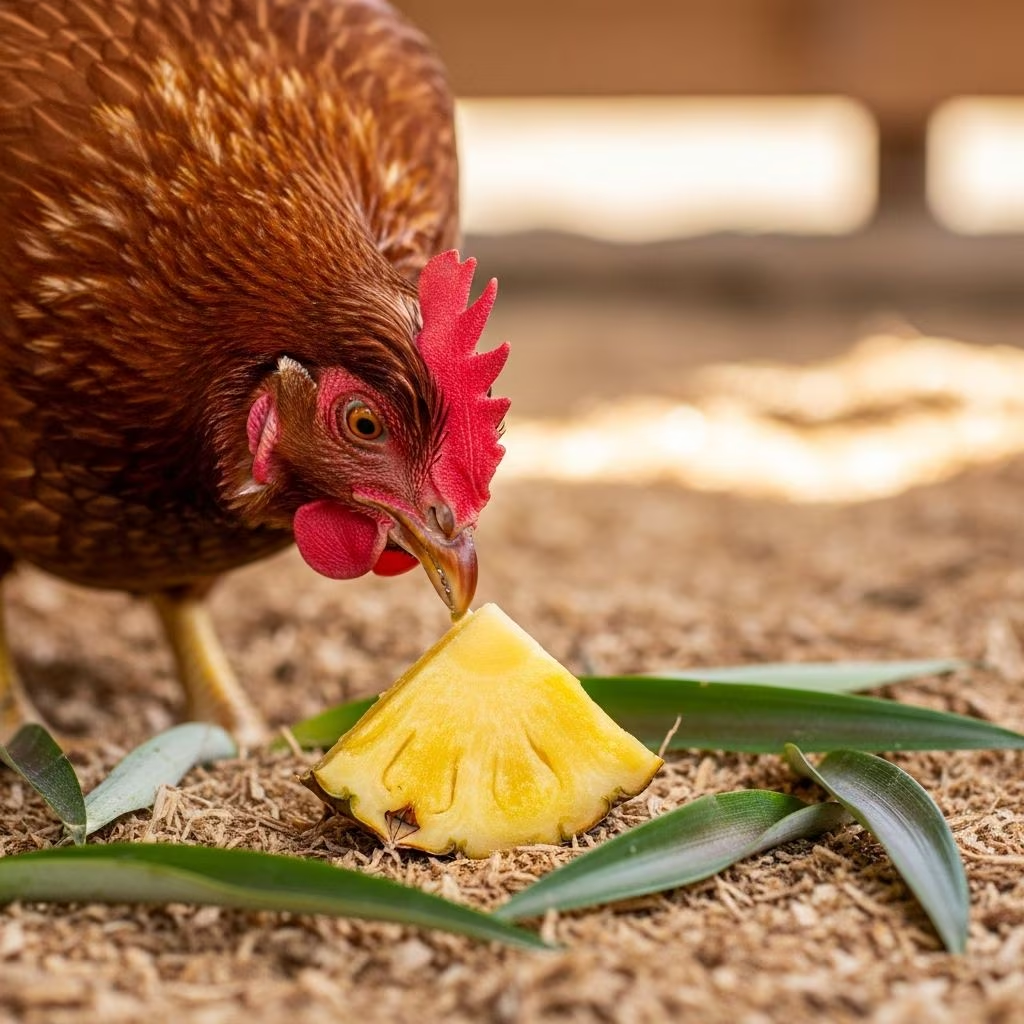
Can Chickens Eat Pineapple?
Yes, chickens can safely eat pineapple, making it a delicious and nutritious treat for your flock. This tropical fruit is packed with beneficial vitamins, minerals, and enzymes that can support your chickens’ overall health and wellbeing. However, like all treats, pineapple should be offered in moderation as part of a balanced diet. Understanding the nutritional profile and proper serving guidelines will help you maximize the benefits while avoiding potential risks.
Pineapple offers a refreshing snack option, especially during hot summer months when your flock needs additional hydration. The fruit’s high water content makes it particularly valuable during heat stress periods, helping keep your chickens cool and hydrated. Beyond hydration, pineapple contains compounds that can improve digestion, boost immunity, and support egg production when fed appropriately.
Nutritional Benefits of Pineapple for Chickens
Pineapple is a nutritional powerhouse for poultry, providing an impressive array of vitamins, minerals, and beneficial compounds. Understanding what makes pineapple beneficial will help you appreciate why it makes an excellent occasional treat for your flock.
Vitamins and Minerals
Pineapple contains multiple essential vitamins that support chicken health. The fruit is particularly rich in Vitamin C, which plays a crucial role in boosting immune function and helping chickens combat oxidative stress. Vitamin A contributes to vision health and skin condition, while Vitamin B6 supports metabolism and brain development. Additionally, pineapple provides important minerals including manganese, which promotes bone health and reduces the risk of bone disease. The presence of calcium makes pineapple especially beneficial for laying hens, as calcium is vital for strong eggshell production and overall skeletal health.
Digestive Support Through Bromelain
One of pineapple’s most remarkable compounds is bromelain, a group of proteolytic enzymes with exceptional digestive benefits. Bromelain breaks down protein bonds, making feed easier to digest and increasing nutrient absorption in the chicken’s digestive tract. Research has demonstrated that bromelain can improve villus height—the absorptive structures that line the intestines—allowing chickens to extract more nutrition from their feed. Additionally, bromelain helps maintain healthy gut flora by reducing harmful bacteria like E. coli while promoting beneficial Lactobacillus populations.
Fiber Content
A cup of chopped pineapple provides approximately 2.3 grams of fiber, which is an important component for maintaining chicken gut health. Chickens have diverse microbiomes hosting over 900 unique strains of microorganisms that thrive on consistent fiber intake. The fiber in pineapple aids digestion and can even reduce ammonia emissions from your coop by reducing undigested protein fermentation, which creates harmful ammonia that poses serious health hazards for your flock.
Antioxidants and Anti-inflammatory Properties
Beyond basic nutrition, pineapple is full of antioxidants that combat oxidative stress and promote long-term health in your chickens. The bromelain enzyme also provides anti-inflammatory benefits, reducing swelling and supporting joint health. These properties can be particularly valuable for older chickens or those with mobility concerns.
Health Benefits for Your Flock
Feeding pineapple to your chickens can result in numerous visible health improvements when offered appropriately. The combination of nutrients works synergistically to enhance various aspects of chicken wellbeing.
Immune System Boost
The high Vitamin C content in pineapple helps prevent cellular and joint damage while strengthening your flock’s natural immune response. This is particularly valuable during seasonal transitions or when introducing new birds to your coop, as a strong immune system helps prevent disease and illness.
Improved Egg Quality and Production
The calcium and minerals in pineapple support stronger eggshell production, while Vitamin C helps improve overall egg quality and regulates metabolism in laying hens. Some chicken owners have reported improvements in egg production when their hens are fed a balanced diet that includes fruits like pineapple. Additionally, Vitamin C helps treat heat stress, which can significantly impact egg quality and laying consistency during hot weather.
Enhanced Feather and Skin Health
The vitamin content of pineapple—particularly Vitamins A, C, and K—helps enhance your chickens’ skin and feather quality. Healthier skin and shinier feathers are visible indicators of overall nutritional wellbeing. The high collagen content in chicken meat can be supported through these nutrients, helping treat or prevent conditions such as arthritis.
Energy and Hydration
The natural sugars in pineapple provide a quick energy boost, making it particularly useful for active chickens. The high water content supports proper hydration, especially important during hot months when heat stress can lead to reduced feed intake and water consumption.
How Much Pineapple Can Chickens Safely Eat?
Moderation is essential when feeding pineapple to your flock. Despite its nutritional benefits, pineapple contains high sugar content and minimal protein, making portion control crucial for maintaining a balanced diet.
Recommended Serving Guidelines
A good rule of thumb is to provide only 1 tablespoon of pineapple per adult chicken, no more than 1-2 times per week. This guideline ensures your chickens receive the nutritional benefits without consuming excessive sugar. The bulk of their diet should come from balanced commercial feed, foraged greens, insects like ticks, and occasional protein sources like mealworms or meat scraps. Remember that treats should comprise no more than 10-15% of your chickens’ total daily caloric intake.
Risks of Overfeeding
Feeding chickens too much pineapple can cause several health problems. Excessive sugar consumption leads to obesity and fatty liver disease, similar to how humans respond to high-sugar diets. The bromelain enzyme, while beneficial in moderate amounts, can irritate the digestive tract and cause skin rashes if consumed in large quantities. The acidic nature of pineapple can create digestive difficulties, potentially causing diarrhea, indigestion, constipation, or even intestinal blockage. A protein-deficient diet resulting from excessive pineapple consumption can reduce egg-laying and overall fertility rates.
Preparation Methods and Parts to Feed
Understanding which parts of the pineapple are safe and how to prepare them ensures you’re feeding your chickens safely and maximizing their enjoyment.
Fresh Pineapple
Fresh pineapple is the best option for your chickens. You can cut the fruit into chunks and offer it directly to your flock. Most chickens will enjoy eating the same parts humans do, but they’ll happily clean out the underside of the skin and eat all the way to the core, making no part of the fruit go to waste.
Pineapple Skin and Core
Yes, chickens can eat both pineapple skin and pineapple core. These fibrous parts are digested and passed by chickens without problems. The skin and core contain nutritional value and provide excellent enrichment activity as chickens peck and work through these tougher portions. However, the skin and leaves contain the highest levels of bromelain, so while small amounts are fine, avoid feeding excessive amounts of these parts.
Seeds and Other Parts
Chickens should not eat pineapple seeds, as these are difficult for them to digest and can potentially cause blockage issues. Remove all seeds before offering pineapple to your flock. The leaves should also be removed, as they can pose a choking hazard and are low in nutritional value relative to the fruit itself.
Dried Pineapple
Dried pineapple is acceptable for chickens to eat, though it’s less ideal than fresh pineapple. Pre-packaged dried pineapple often contains additional ingredients, including extra sugar and preservatives, which can exceed safe sugar limits for poultry. Dried pineapple also lacks the water content that makes fresh pineapple particularly valuable during hot months. If you choose to offer dried pineapple, ensure it’s unsweetened and free of additives.
Cooked Pineapple
Cooking pineapple before offering it to chickens can help reduce bromelain content, making it a safer option for birds with sensitive digestive systems or if you’re concerned about bromelain irritation. However, cooking also reduces water content and may concentrate sugars, so cooked pineapple should be offered even more sparingly than fresh fruit.
Comparison Table: Pineapple vs. Other Chicken Treats
| Treat | Sugar Content | Protein | Key Benefits | Frequency |
|---|---|---|---|---|
| Pineapple | High | Low | Vitamin C, bromelain, fiber | 1-2x weekly |
| Leafy Greens | Low | Moderate | Vitamins, minerals, fiber | Daily |
| Mealworms | None | High | Protein, calcium, enrichment | 2-3x weekly |
| Bananas | High | Low | Potassium, energy | 1-2x weekly |
Best Practices for Feeding Pineapple to Chickens
To ensure your flock receives maximum benefit from pineapple while maintaining optimal health, follow these evidence-based practices:
Frequency and Portion Control
Limit pineapple offerings to 1-2 times per week, with 1 tablespoon per adult chicken being the standard serving size. Chicks should receive even smaller portions or no pineapple until they reach adulthood. Monitor your flock’s weight and adjust treat frequency if you notice weight gain or reduced feed intake.
Timing of Treats
Offer pineapple during afternoon hours when it’s particularly hot, capitalizing on the fruit’s hydrating properties. Avoid offering pineapple as their primary food source; instead, provide it after they’ve consumed their regular balanced feed to prevent protein deficiency.
Individual Assessment
Observe your individual chickens’ responses to pineapple. Some birds may have more sensitive digestive systems and experience issues with even moderate pineapple consumption. If you notice diarrhea or other digestive upset, discontinue pineapple and return to their regular diet.
Variety in Treats
Rather than relying solely on pineapple, rotate through various safe treats including leafy greens, berries, seeds, and insects. This variety ensures your chickens receive diverse nutrients and prevents boredom while reducing the risk of nutritional imbalance.
Frequently Asked Questions
Q: Can baby chicks eat pineapple?
A: Baby chicks should not eat pineapple. Young chicks have developing digestive systems and require a balanced starter feed formulated specifically for their nutritional needs. Wait until chickens are at least 8-12 weeks old and established on regular feed before introducing any treats, including pineapple.
Q: Is pineapple safe for broiler chickens?
A: Yes, pineapple is safe for broiler chickens in moderation. Research has shown that bromelain improves broiler chickens’ ability to digest their feed and can increase intestinal villus height. However, broilers have different dietary requirements than laying hens, so consult your veterinarian for specific guidance.
Q: Can chickens eat canned pineapple?
A: Canned pineapple in heavy syrup should be avoided due to excessive added sugar. If you have canned pineapple in juice with no added sugar, you can rinse it thoroughly and offer small portions, but fresh pineapple is always the better choice.
Q: What other tropical fruits can chickens eat?
A: Chickens can eat many tropical fruits including papayas, mangoes (without pits), bananas, and coconut meat. Always remove pits, seeds, and hard skins before offering. These fruits should also be offered in moderation due to high sugar content.
Q: Can chickens eat pineapple leaves?
A: While pineapple leaves are not toxic, they are tough, fibrous, and low in nutritional value. The leaves also contain high bromelain levels, making them potentially problematic for sensitive birds. It’s best to remove leaves before offering pineapple to your flock.
Q: How do I know if my chickens have eaten too much pineapple?
A: Signs of excessive pineapple consumption include diarrhea, digestive upset, skin irritation, reduced feed intake, and weight gain. If you observe these symptoms, discontinue pineapple and consult your veterinarian if symptoms persist.
Q: Do chickens prefer fresh or frozen pineapple?
A: Most chickens enjoy fresh pineapple for its texture and moisture content. Frozen pineapple can be offered after thawing, and many chickens find the cold texture refreshing during hot weather. Avoid frozen pineapple stored in syrup, as added sugars should be limited.
References
- Can Chickens Eat Pineapples? 4 Best Practices To Feed Chickens Pineapple — Ecowiser. https://wiser.eco/can-chickens-eat-pineapples/
- Can Chickens Eat Pineapple and How Much Can Cause Problems? — A-Z Animals. https://a-z-animals.com/blog/can-chickens-eat-pineapple-and-how-much-can-cause-problems/
- Can Chickens Eat Pineapples? All You Need To Know — Backyard Chickens. https://www.backyardchickens.com/articles/can-chickens-eat-pineapples-all-you-need-to-know.77166/
- Can Chickens Eat Pineapple? — Chewy. https://www.chewy.com/education/farm-animal/chicken/can-chickens-eat-pineapple
- Can Chickens Eat Pineapple? What About The Peel? — The Homesteading RD. https://thehomesteadingrd.com/can-chickens-eat-pineapple/
- The Complete Guide to What Chickens Can Eat — Grubbly Farms. https://grubblyfarms.com/blogs/the-flyer/the-complete-guide-to-what-chickens-can-eat



